








Introduction:When brewing pour over coffee, extraction time is one of the key factors that influence flavor. Many coffee enthusiasts wonder: how long should pour over coffee be brewed? Does a longer brewing time mean better flavor? This article will delve into the relationship between extraction time and coffee taste, explore the origin of the 2-minute extraction standard, and provide practical tips for adjusting parameters to help you find the brewing method that best suits your taste.
Just as many people strictly follow the "three-minute science" when cooking instant noodles—using boiling water and precisely controlling time to achieve the best texture—brewing time is also a crucial parameter affecting pour over coffee’s flavor. Many readers often ask: “Is there an ideal extraction time for pour over coffee?” To answer this question, we first need to understand how time affects coffee extraction.
Simply put, the extraction time of pour over coffee refers to the total duration that coffee grounds are in contact with hot water. Under the same conditions, the longer the extraction time, the more soluble substances are released; conversely, the less. However, this does not mean that a longer extraction time always results in better coffee flavor.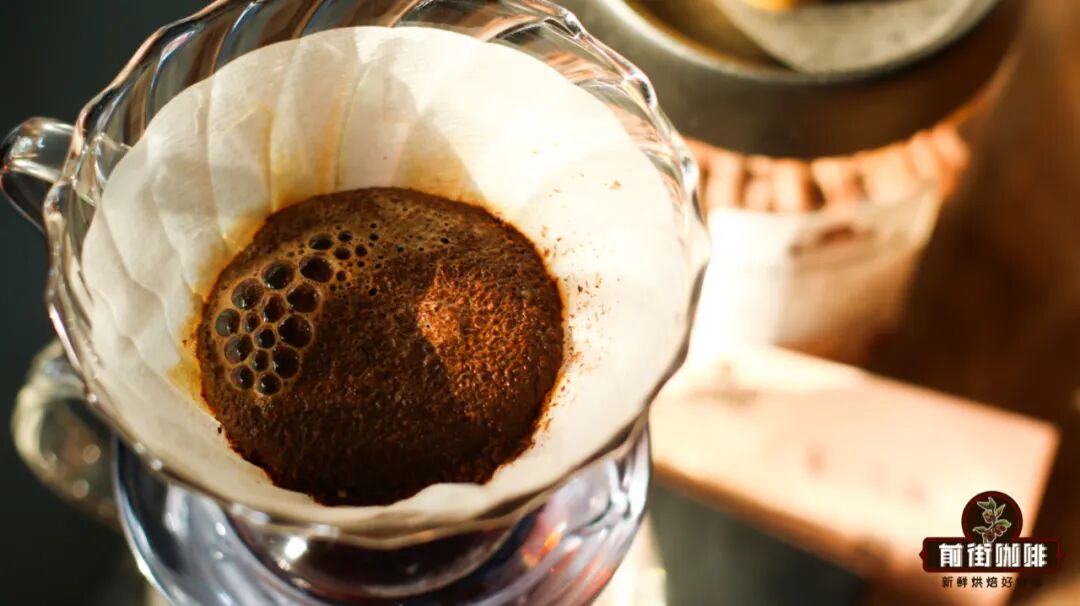
Under-extracted coffee may taste thin and lack complexity, while over-extracted coffee can easily become bitter or develop off-flavors. Therefore, the key lies in achieving balance. As mentioned in our related articles, besides time, other parameters such as water temperature, grind size, coffee-to-water ratio, and pouring technique also significantly impact the final extraction result. As long as these factors are well-coordinated, even slight variations in extraction time can still produce satisfying coffee.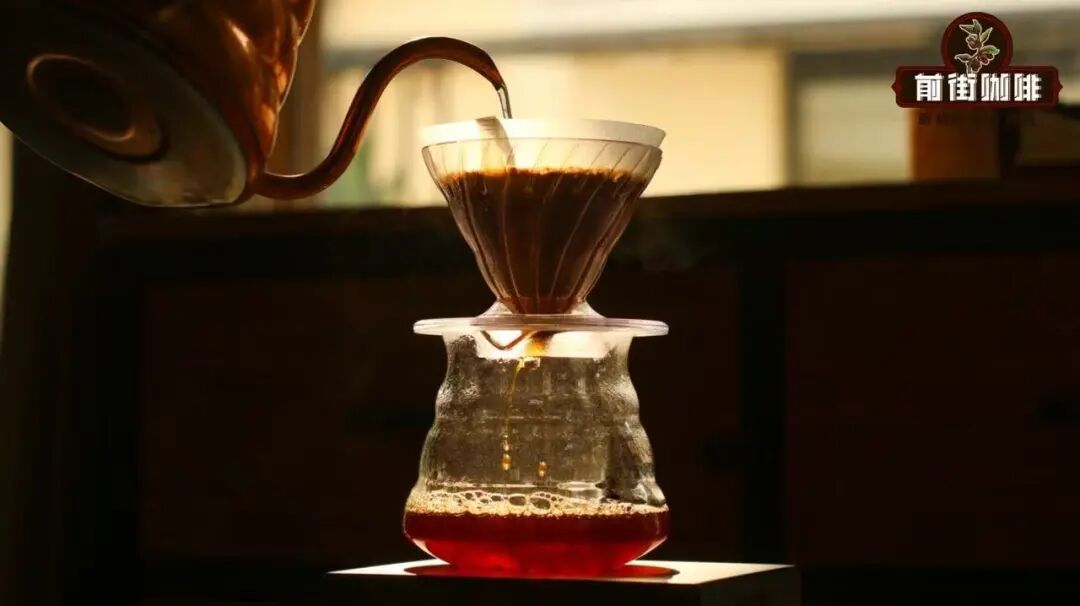
In reality, the so-called “optimal time” should be the point where it perfectly complements other parameters. In many practical cases,2 minutesis the most commonly mentioned extraction time. This is because under specific parameter combinations—for example, using moderate water temperature, appropriate grind size, and a balanced coffee-to-water ratio—2 minutes often yields a cup of coffee with balanced and rich flavors.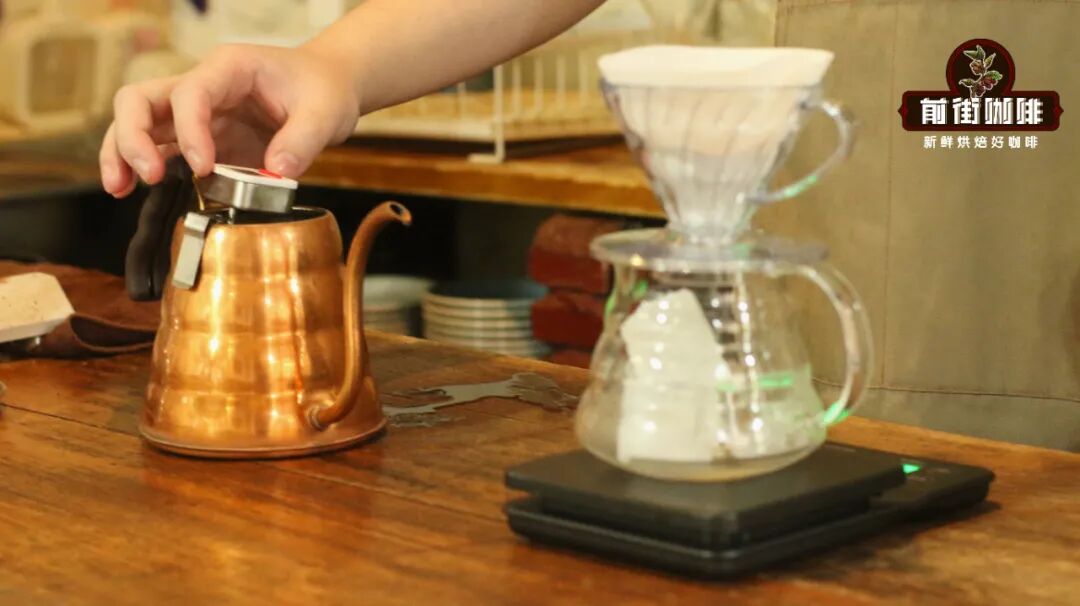
Take a light-roasted Ethiopian Huaka coffee bean as an example. When brewed with a water temperature of 92°C, a grind size that allows 80% of the particles to pass through a #20 sieve, a coffee-to-water ratio of 1:15, and using a three-pour method, 2 minutes of extraction time can fully showcase notes of berries, citrus, floral aromas, and an oolong tea-like finish. The flavor layers are distinct and the mouthfeel is smooth.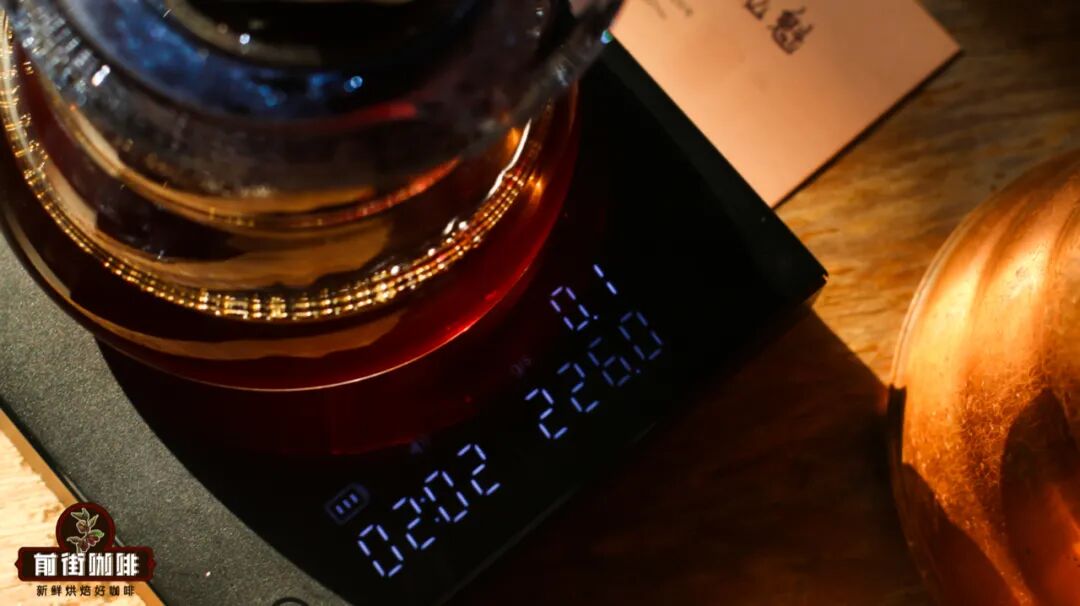
However, if the time is shortened to 1 minute and 30 seconds, the coffee may taste weak and lack concentration; on the other hand, if extended to 2 minutes and 40 seconds, noticeable bitterness and astringency may appear. Therefore, under the above parameter settings, 2 minutes can be considered a relatively ideal extraction time point, with about 20 seconds of flexibility.
It is important to note that this is not an unchangeable rule. For coffee beans from different regions or with different roast levels, the optimal extraction time may vary. For instance, some high-density coffee beans or dark roast beans may require adjustments in water temperature, grind size, or pouring technique, rather than simply relying on extended extraction time to enhance flavor expression.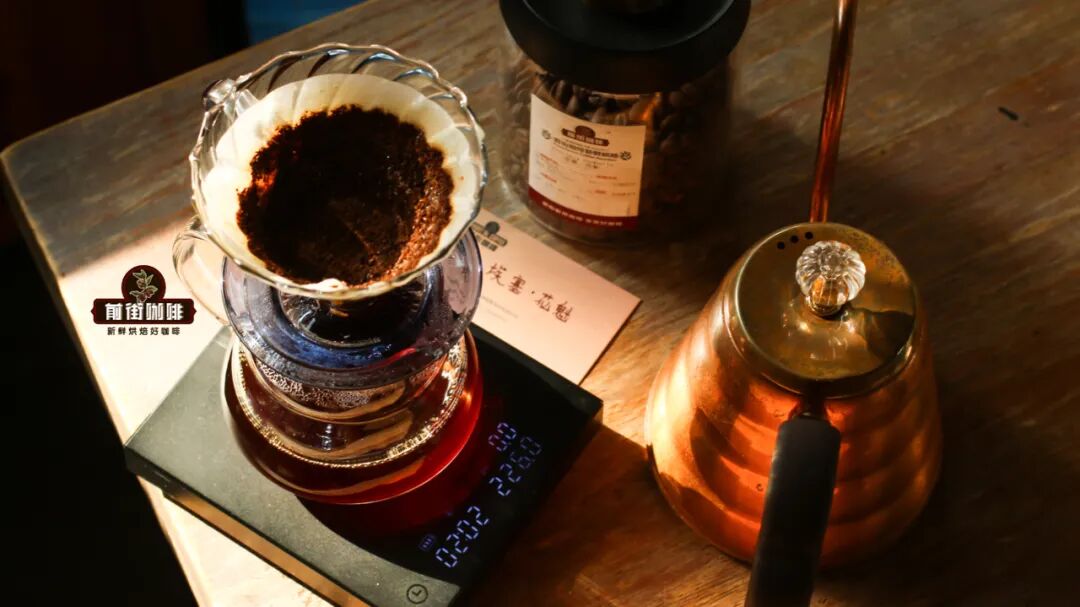
Taking Yirgacheffe Guddina as an example, although using the same base parameters as Huaka can yield a decent cup, its light roast characteristics and higher bean density may lead to insufficient flavor release. In this case, you might consider increasing the water temperature, refining the grind, enhancing agitation, or moderately extending the extraction time to improve extraction efficiency and further highlight its unique fruitiness and acidity.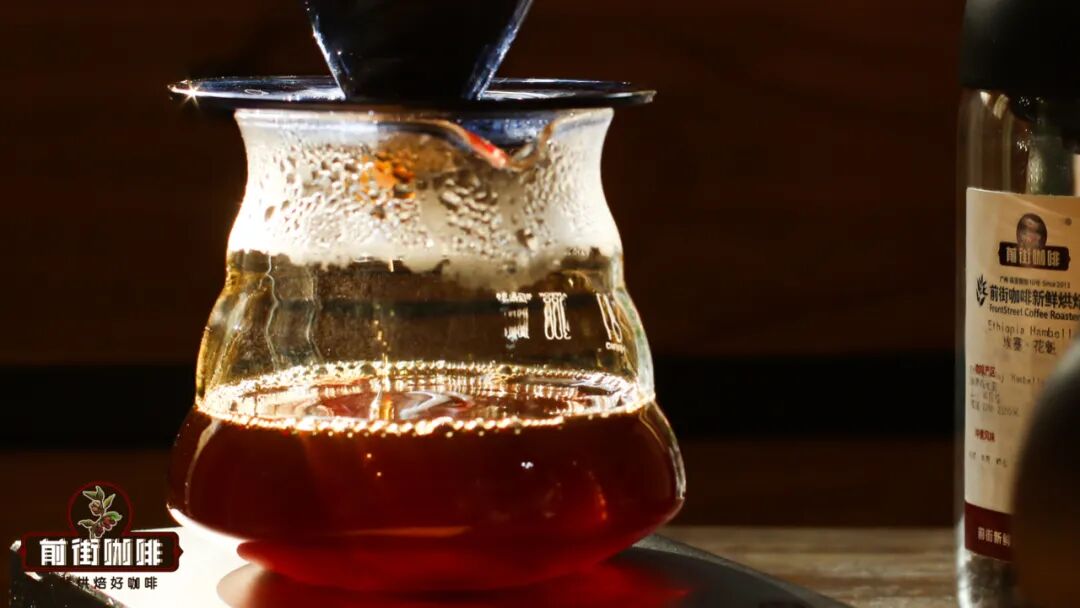
In summary, there is no absolute standard for pour over coffee extraction time—it needs to be flexibly adjusted based on the actual characteristics of the coffee beans and brewing parameters being used. Whether you choose to fix the brewing time and optimize other variables, or adjust extraction time by modifying pouring techniques and filter cone designs, the key is to observe the actual performance of the coffee and make fine-tuned adjustments accordingly. Only then can you brew the ideal cup of coffee that best matches your personal taste.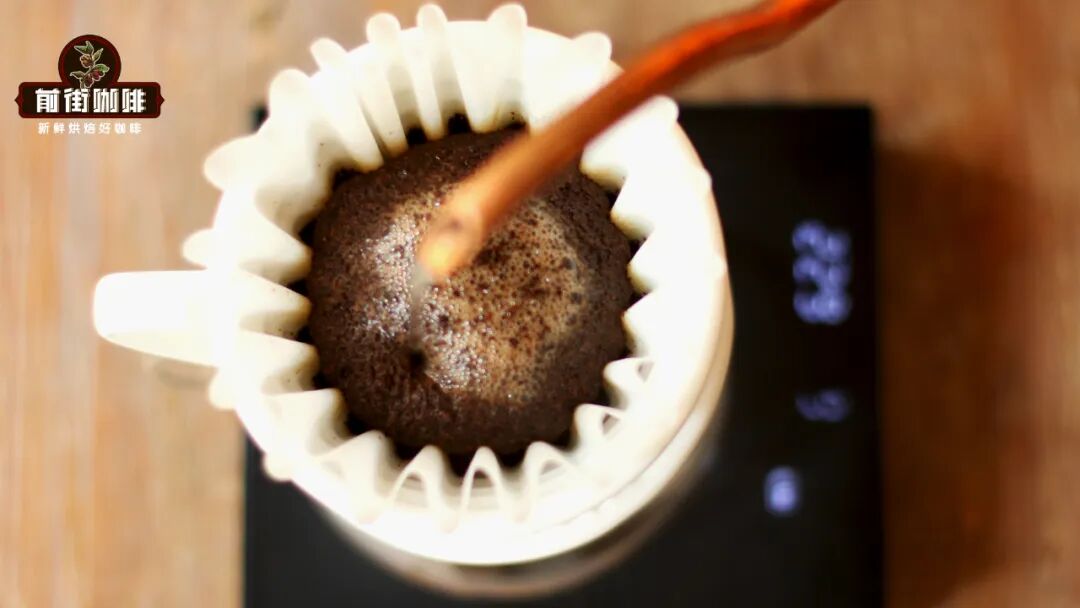
The above content is compiled by CoffeeHunters, a coffee news website.


