








Introduction:Have you ever had a "cappuccino" with overly thick foam, an elaborate latte art design, yet no discernible coffee flavor? Many so-called cappuccinos on the market have long lost their traditional characteristics. This article takes an in-depth look at the three key features of a true Italian cappuccino—dense foam, strong coffee flavor, and an 11/10 full cup—and step-by-step teaches you how to achieve the ideal foam thickness, control the perfect ratio of coffee to milk, and even create the classic "coffee golden ring," allowing you to replicate an authentic Italian-style flavor at home.
If you often browse coffee-related forums, you’ve surely come across this argument: "Up to 90% of cappuccinos on the market are made incorrectly." At first glance, this might be confusing—after all, isn’t a cappuccino just coffee with foam? Isn’t it just a matter of pouring milk and foam into coffee? In reality, making a cappuccino that meets traditional Italian standards involves quite a bit of know-how.
As everyone knows, a cappuccino consists of espresso, steamed milk, and foam. But within the Italian coffee system, there are many variations with similar compositions, such as lattes, flat whites, cortados, and piccolos. What sets the cappuccino apart is its unique set of characteristics. Once these core elements are missing, it becomes no different from other milk-based coffees, which is why some say it’s "not done right." Of course, the claim that "90% are wrong" may be a bit exaggerated, but there are indeed many cappuccinos on the market that have strayed from the traditional definition.
So, what characteristics should an authentic cappuccino have? Simply put, it's "a dense texture," "a strong coffee flavor," and "an 11/10 full cup." Compared to the common latte, the cappuccino has a more prominent coffee flavor and noticeably thicker foam. It’s this thicker layer of foam that allows the drink to be filled nearly to the brim without easily spilling, while also creating a silky, dense mouthfeel. In contrast, some criticized cappuccinos on the market often have foam thickness and cup volume similar to lattes, along with elaborate latte art, yet taste as light as a latte, completely losing the distinctive identity of a cappuccino.



If you want to make a cappuccino close to the standard, there are several key elements to pay attention to. The first is the ratio of coffee to milk. Since the cappuccino aims to highlight the coffee flavor, we must carefully balance the two—neither letting the milk flavor overpower the coffee, nor letting the two flavors be equally matched. In addition, the quality of the foam is crucial, requiring an appropriate steaming time to create a thicker foam layer than a latte. Generally speaking, the foam thickness of a cappuccino is about 2 to 2.5 centimeters, nearly double that of a latte, and can be slightly adjusted as needed.
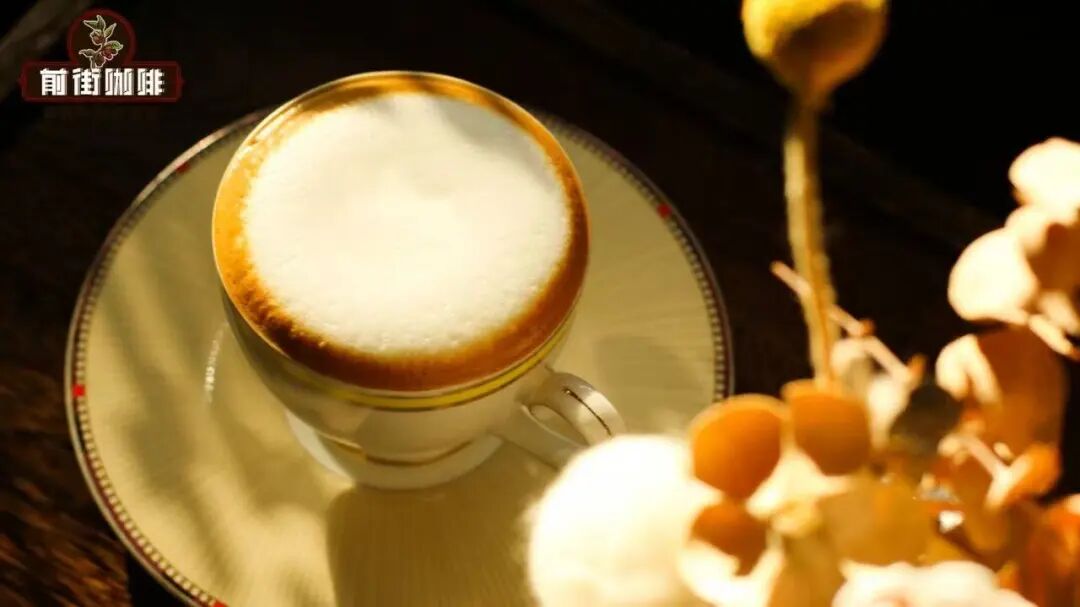
If you wish to add simple latte art to your cappuccino, it’s recommended to keep the foam thickness around 2 centimeters. The thicker the foam, the lower its fluidity, and the more difficult it becomes to pour latte art. Excessively thick foam is usually only suitable for simple patterns like a white dot; if you see extremely intricate latte art, it likely means the foam of that cappuccino isn’t up to standard. On the other hand, if you want to achieve the classic "coffee golden ring," you can increase the foam thickness to around 2.5 centimeters. Since the formation of the golden ring doesn’t rely much on foam fluidity, the denser foam actually better highlights its traditional charm.

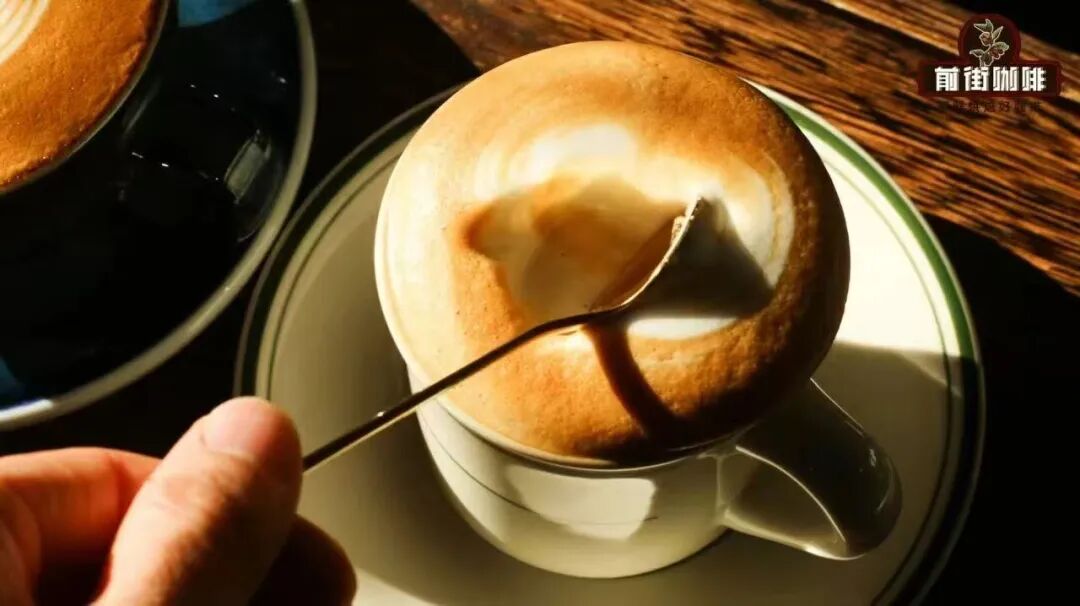

Taking practical experience as an example, it’s recommended to set the coffee to milk ratio at 1:4. For instance, if using a medium-dark roasted classic blend, the resulting espresso typically has rich caramel, chocolate, and butter cookie aromas, which contrast well with milk and are not easily masked. The extraction parameters can be set as follows: 20 grams of coffee grounds, 30 seconds of extraction time, and 40 milliliters of extracted liquid. Based on this, following a 1:4 ratio, the required amount of milk would be 160 milliliters. If the goal is to make a version with a coffee golden ring, it’s advised to adjust the foam thickness to 2.5 centimeters and control the temperature at around 65°C, as this temperature helps release the sweetness of lactose and enhances the overall flavor profile.

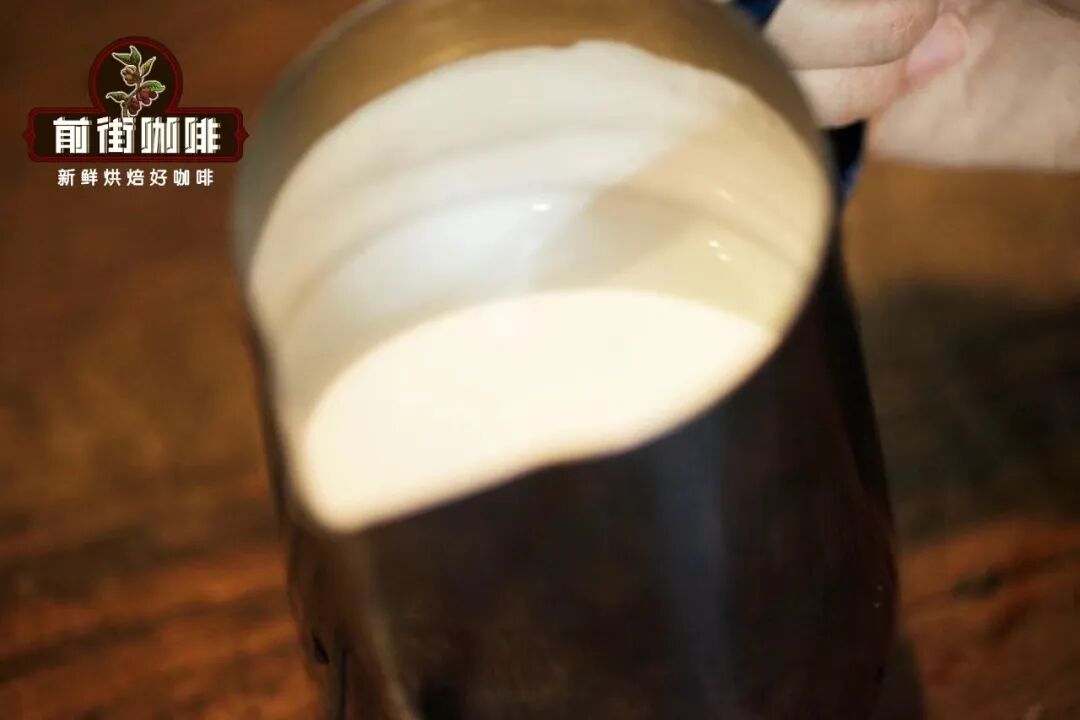
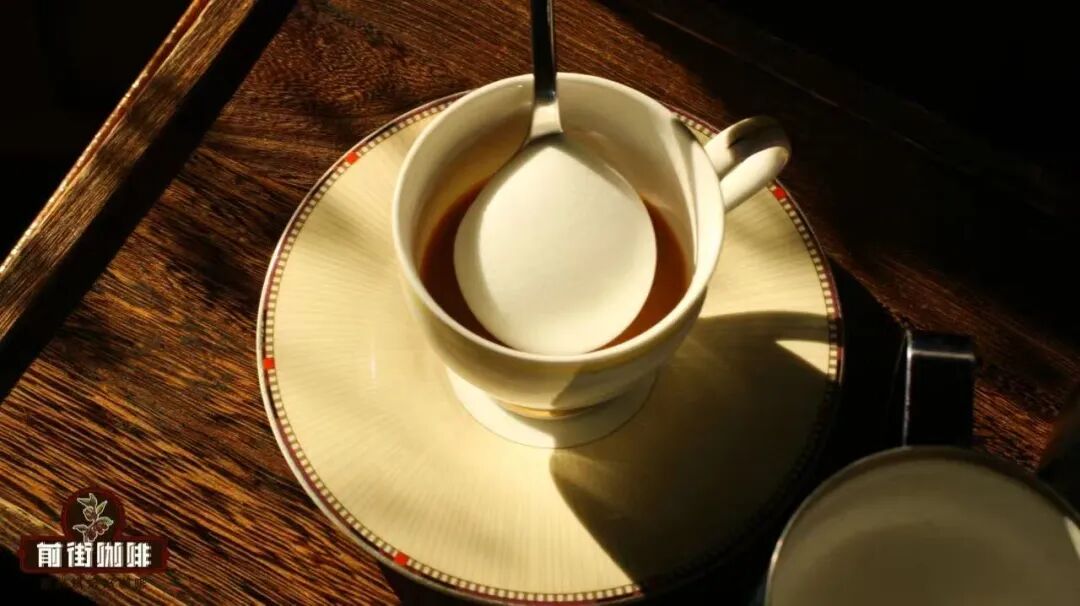
After the foam is steamed, you can begin shaping the classic coffee golden ring. First, choose a cup with a moderately sized mouth—the wider the cup opening, the lower the stacking thickness of the foam in the cup. Pour the 40 milliliters of extracted espresso into the cup, then use a spoon to scoop about one spoonful of dense foam and gently place it in the center of the coffee liquid. Next, gently shake the pitcher to evenly mix the foam and improve its fluidity, then slowly pour the milk into the cup, allowing the foam to naturally cover the entire surface. As long as the foam is thick enough, you can pour directly to 11/10 full, creating a cappuccino with layered texture. For added visual effect, you can also sprinkle a little chocolate powder as decoration.


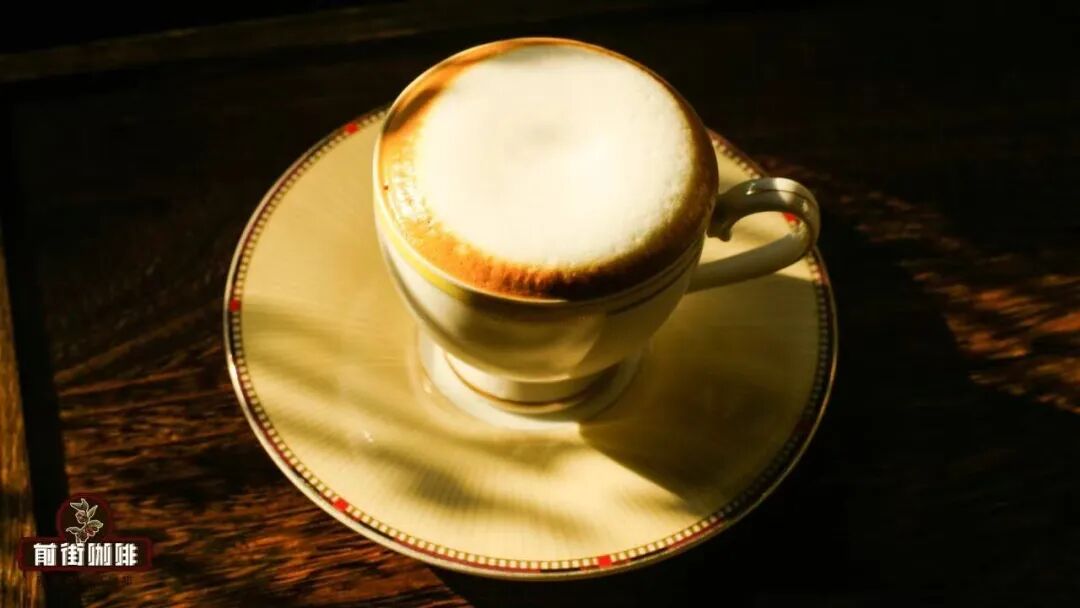
When tasting, it’s recommended to take a big sip, because if you just sip lightly, the dense foam might cause you to taste only the foam and miss out on the true coffee flavor. This kind of cappuccino, when made properly, first brings a soft, cloud-like dense foam texture, followed by a rich and smooth coffee flavor that is distinct and carries a slight sweetness. Compared to a latte, the coffee flavor is more pronounced, yet it doesn’t taste bitter due to the balancing effect of the milk.
The above ratio and method are suitable for medium-dark roasted beans. If using medium-light roasted coffee beans, whose flavors are more delicate and easily masked by milk, it’s recommended to adjust the coffee to milk ratio to 1:3.5 to ensure the coffee’s characteristics can shine through. Master the three core elements—strong coffee flavor, dense texture, and an 11/10 full cup—and you too can replicate a truly authentic and richly Italian-style cappuccino at home.
The above content is compiled by CoffeeHunters, a coffee news website.


