








Introduction:Espresso is centered around high-pressure, rapid extraction and serves as the base for many coffee beverages. To master its essence, it's not just about familiarizing yourself with the operational steps, but also understanding the science and parameters that influence it. This article delves into key elements such as filtration technology, brew ratio, and grind size, offering an in-depth analysis of how to adjust four major variables to extract a balanced shot of coffee with the right acidity, sweetness, and bitterness. It also provides practical tips to help you consistently produce a rich and full-bodied espresso.
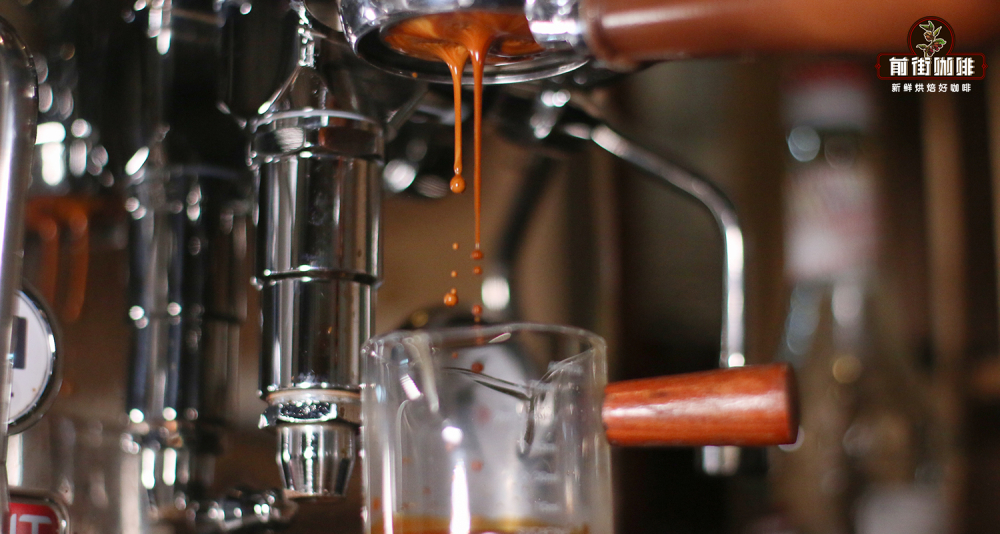
To truly understand the art of making espresso, the key lies in recognizing its fundamental difference from pour over coffee — high-pressure extraction. This technique involves rapidly pushing very finely ground coffee through a metal filter using high-pressure water, which quickly releases the coffee’s oils and aromatic compounds, resulting in a unique bold flavor and golden crema.
Unlike the drip method used in pour over, espresso relies on the high pressure generated by the machine. Even when the coffee is ground extremely fine, a stable extraction rate can still be maintained. The finer the grind, the exponentially greater the total surface area in contact with water, not only accelerating flavor release but also penetrating deeper into the coffee cell walls to extract abundant oils and delicate aromas. This is precisely what gives espresso its rich body and complex flavor profile.

Regardless of the extraction method used, the core goal is to dissolve the positive flavor compounds in coffee through water. Coffee beans contain approximately 30% soluble components, including acids, caffeine, oils, and carbohydrates. However, only about 20% of these are desirable aromatic molecules that dissolve first; the rest, such as larger woody or bitter molecules, take longer to release. Therefore, baristas must precisely control the parameters to maximize the extraction of quality compounds while avoiding negative flavors caused by over-extraction.
A high-quality espresso is characterized by a delicate balance of acidity, sweetness, and bitterness. This highly concentrated flavor experience is difficult to replicate with other brewing methods. Achieving this requires not only stable equipment conditions but also a keen adjustment of extraction parameters, along with real taste evaluations to assess the coffee’s state and further optimize the extraction outcome.
From a practical standpoint, turning coffee beans into a shot of espresso involves numerous variables: including grind size, water temperature, boiler pressure, dose distribution, tamp pressure, dose weight, extraction time, and liquid yield. While modern espresso machines typically have preset pressure and water temperature settings that shouldn’t be frequently altered, and distribution and tamping rely on the barista’s personal experience, the four most commonly adjusted and impactful variables during daily use remain:Dose weight, extraction time, coffee liquid yield, and grind size.As the saying goes, “Even the cleverest housewife cannot cook without rice” — the quality of the coffee beans is the foundation that determines the final flavor expression.
Why is espresso more suited to blends? In the extreme extraction environment of fine grinding, high water temperature, and high pressure, single-origin light-roast beans can easily release overly intense individual flavors, which may mask the overall aroma layers of the coffee. In contrast, blends combine beans from different origins, processing methods, and roast levels, effectively complementing each other’s weaknesses to ensure a stable and balanced aroma and taste profile with every extraction.
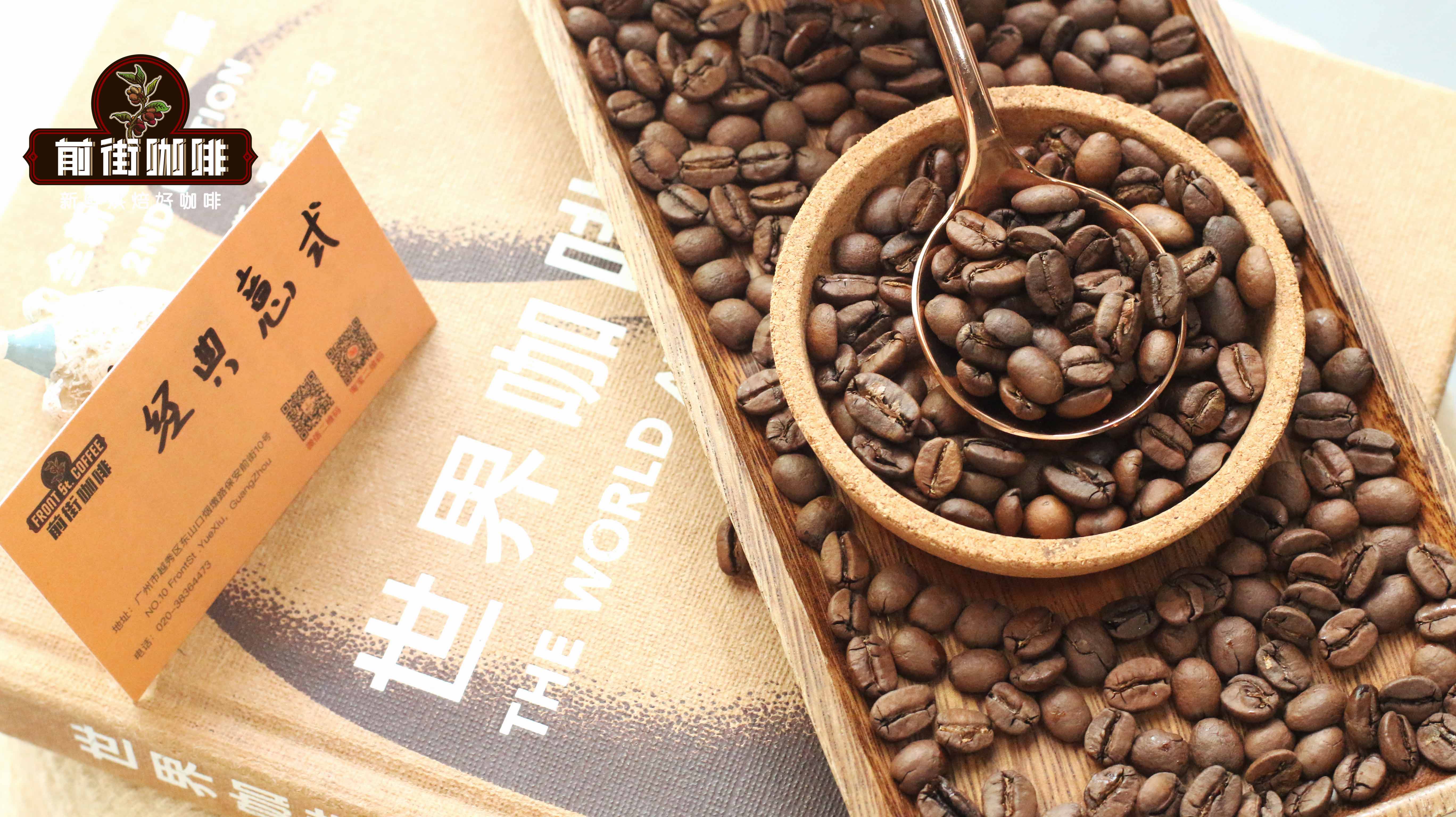
When making espresso, it is recommended to choose professionally blended beans. A dark roast blend composed of Brazilian, Indonesian, and Vietnamese beans can highlight a rich chocolate and nutty base, and under high-pressure extraction, it produces a thick and fine crema. Such blends are not only great for drinking straight but also serve as an ideal base for milk-based coffees like lattes and cappuccinos.
It’s worth noting that freshness has a significant impact on espresso flavor. Freshly roasted coffee beans, in the process of releasing carbon dioxide, can develop more intense aromas and a stable crema. Therefore, it is recommended to use beans roasted within five days for the best extraction experience.
When actually making a shot of espresso, the main influencing factors include: portafilter basket capacity (usually a double basket, filled with about 18–20 grams of coffee), brew ratio (commonly 1:2, i.e., 20 grams of coffee yielding 40 grams of liquid), extraction time (generally controlled between 20–35 seconds, with the ideal range being 28–30 seconds). Additionally, preparation before extraction is equally critical — the portafilter basket must be dry, the coffee grounds evenly distributed, and a consistent tamp pressure applied using a tamper to ensure uniform puck density, thereby stabilizing the flow rate during extraction.
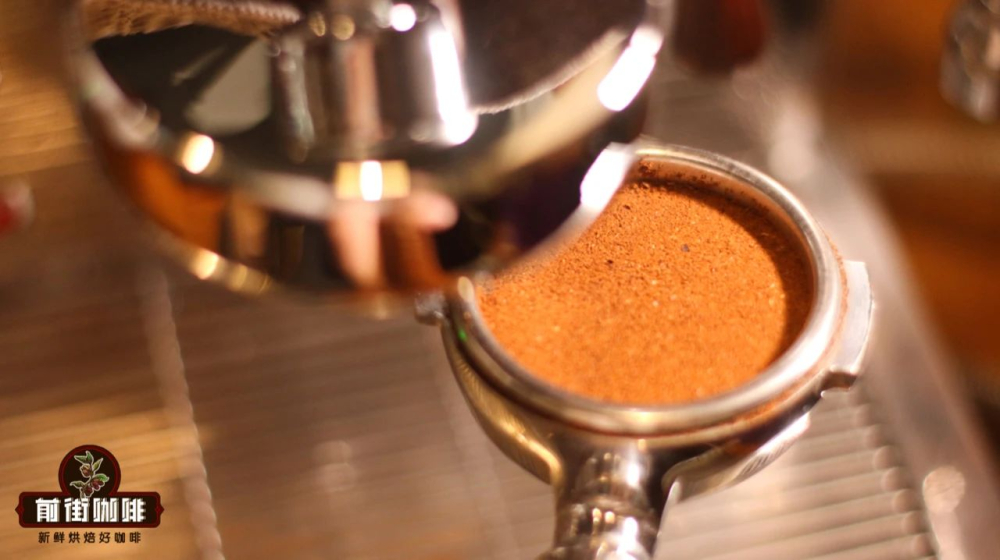
The standard operating procedure is as follows: First, accurately weigh 20 grams of coffee using an electronic scale, then use a distribution tool to level the coffee bed. Next, use a tamper to press down vertically, ensuring even and consistent puck firmness. Then, open the extraction switch to run water for 1–2 seconds to rinse the group head and remove any residual coffee grounds. Place the cup under the group head, reset the scale to zero, and prepare to time and measure the liquid yield. Securely attach the portafilter to the group head, start the extraction, and observe the flow — when the liquid yield reaches 40 grams and the time is around 30 seconds, turn off the extraction switch.
It’s important to note that extraction parameters may fluctuate slightly due to environmental humidity, coffee bean freshness, and other factors. Therefore, it’s recommended to flexibly adjust the dose weight, grind setting, or extraction time based on the actual flavor outcome to maintain a stable balance of acidity, sweetness, and bitterness.
The finished espresso can be enjoyed directly. It’s suggested to have a sip of water to cleanse your palate, allowing you to better appreciate its rich crema and full-bodied finish. If you prefer a milder taste, you can also add hot water to make an Americano, or mix with milk to create variations like lattes or cappuccinos.
For home brewers, common adjustment scenarios include: if the espresso tastes burnt and bitter but the concentration is normal, it usually means the extraction time is too long or the grind is too fine — try adjusting to a coarser grind to speed up the flow rate. Conversely, if the coffee tastes weak and lacks complexity, it may be due to insufficient dose or too coarse a grind leading to under-extraction — consider increasing the dose or fine-tuning the grind to extend contact time. These parameters need to be dynamically adjusted based on the actual results of each extraction. Through continuous observation and record-keeping, you’ll gradually discover your own optimal extraction combination.
In summary, making a high-quality espresso requires not only familiarity with equipment operation but also an understanding of the underlying scientific principles and variable impacts. Precise control over dose weight, time, liquid yield, and grind size — every step influences the final flavor. Only through continuous practice and adjustment can you consistently produce a perfect espresso with a balanced acidity, sweetness, and bitterness, and a rich crema.
The above content is compiled by CoffeeHunters, a coffee news website.


