








Introduction:Although iced americano and hot americano differ only in temperature, their flavor profiles are vastly different. This guide delves into the brewing principles of americano, analyzing the key differences between its cold and hot versions in terms of taste, extraction parameters, and sources of bitterness, while also providing practical brewing tips and reference ratios to help you better grasp the essence of this classic espresso-based drink.
At first glance, americano seems like nothing more than espresso with water—whether hot or iced, the ingredients are extremely simple. But the more basic the beverage, the more it reveals a barista’s true skill in extraction. Without the masking effect of milk, americano presents the essence of the coffee beans and the quality of extraction almost as-is. As a result, many industry professionals often order an americano when visiting cafés, using this most straightforward drink to quickly evaluate a shop’s roasting and brewing capabilities.
The composition of americano is very simple—it just involves mixing extracted espresso with water in a certain ratio, whether it's served hot or iced. However, the extraction parameters of the espresso itself will vary depending on the characteristics of the coffee beans used, including grind size, coffee-to-water ratio, and extraction time, all of which affect the final flavor profile.
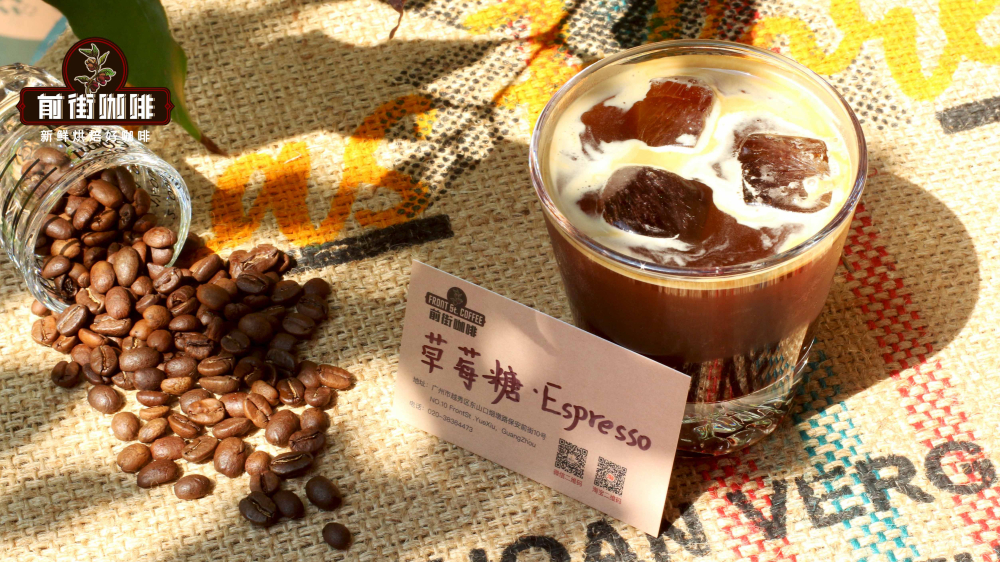
To brew a well-balanced americano with floral and fruity aromas and a refreshing mouthfeel, you can opt for an Italian-style blend that features prominent fruit notes and sweet-acid layers. Such beans can impart more complexity to the americano, rather than a flat bitterness. For example, a common blend combination that merges coffee beans from Costa Rica, Colombia, and Ethiopia often carries aromas of rose, citrus, grape, and dried blueberry, delivering a fresh, candy-like sweetness when brewed as an americano, significantly reducing the intrusion of bitterness.
When making hot americano, it’s recommended to preheat the cup with hot water first to help maintain the coffee’s temperature and minimize the impact of heat loss on flavor. Then pour in hot water, followed by the extracted espresso. In terms of coffee-to-water ratio, a general recommendation falls between 1:6 and 1:8. Based on actual testing,a 1:6 ratio (i.e., 40 grams of espresso liquid paired with 240 grams of hot water)provides a smoother mouthfeel and is the golden ratio adopted by many professional shops after repeated adjustments.
As for iced americano, the brewing process is largely the same, but attention must be paid to how temperature changes affect the overall flavor. It’s recommended to first place a sufficient amount of ice in the cup to pre-chill it, then pour in some cold water, and finally add the espresso. Due to the large amount of ice added, it’s suggested toadjust the coffee-to-water ratio to 1:7 (for example, 40 grams of espresso liquid mixed with 280 grams of ice-water mixture, consisting of about 180 grams of ice and 100 grams of water)to avoid over-dilution or over-extraction of the coffee.

The difference in taste between hot and iced americano is not just about the sensation brought by temperature—it’s also related to how sensitive our taste buds are at different temperatures. Hot drinks allow you to perceive the flavor transitions of coffee as it cools from high temperature, especially highlighting the layers of acidity and aroma. As the temperature drops, the tongue’s sensitivity to bitterness and sweetness decreases, while acidity becomes more pronounced. Additionally, quinic acid in coffee gradually degrades into quinic lactones over time and with temperature, which further accentuates the acidity as the coffee cools, thereby influencing the overall taste experience.
So why does iced americano often taste particularly bitter? First, this is directly related to the type of coffee beans used. If the espresso beans chosen have a rich, bold flavor profile with low acidity and high body, the resulting americano will naturally tend to exhibit more noticeable bitterness. If you prefer a more refreshing, fruit-forward, and sweet profile, you can opt for a blend that emphasizes bright acidity and fruity notes, which helps balance the overall taste and reduce the overwhelming sensation of bitterness.
Another major reason for americano tasting overly bitter is extraction errors during the brewing process. Common issues include grinding too fine, leading to over-extraction,
The above content is compiled by CoffeeHunters, a coffee news website.


