








Introduction:As one of the most popular brewing methods in the world, pour over coffee is not only suitable for everyday home use but also an ideal entry point for understanding coffee flavors in depth. This article will detail how to brew a high-quality pour over coffee with clear layers and distinct flavors at home—from basic equipment preparation, coffee bean characteristics, grind size and water ratio settings, to practical three-stage pouring techniques. It aims to help beginners establish correct concepts and offers advanced adjustment suggestions.
In recent years, pour over coffee has gained global popularity, not only because it is relatively easy to operate, but also because it clearly highlights the inherent flavor characteristics of coffee beans. This manual extraction method, which involves controlling water flow and time, actually originated from the innovative invention of German housewife Melitta Benz in the early 20th century. She used filter paper to separate coffee grounds, making the beverage cleaner and laying the foundation for modern pour over coffee.
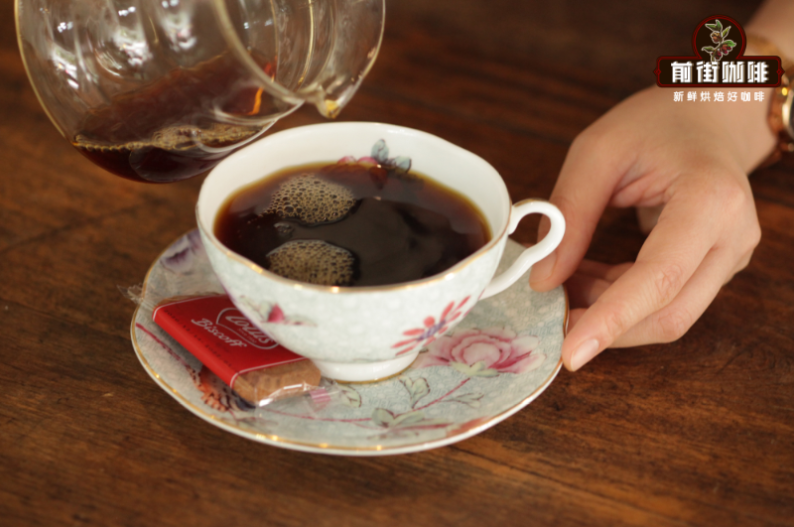
For those who are just getting started with pour over, there’s no need to worry too much about professional jargon or complex techniques. By mastering a few core elements—such as suitable coffee beans, the correct grind size, appropriate water temperature, and the right coffee-to-water ratio—you can consistently brew a decent black coffee. Beginners are advised to start with a simple setup and gradually get familiar with the entire process.
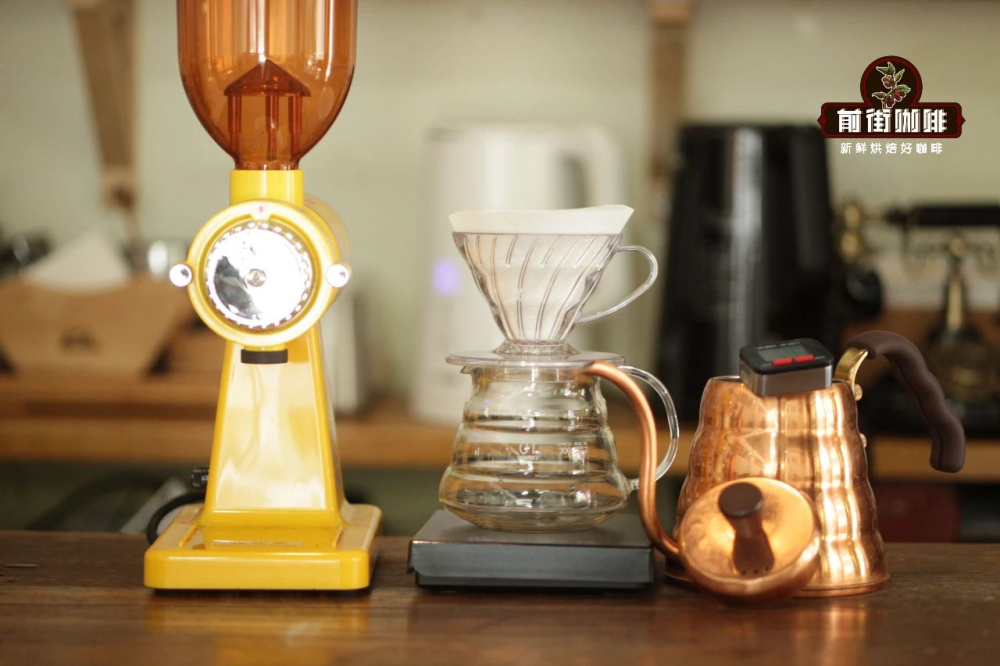
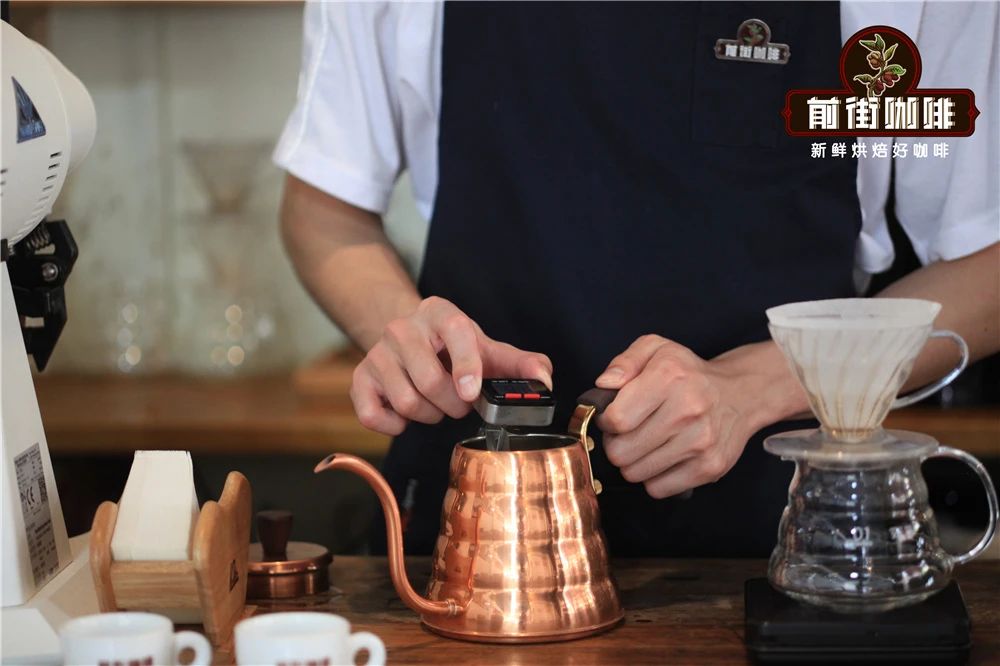
Before starting, you must prepare the basic brewing tools, including an electronic scale with a timer, a burr grinder suitable for pour over, a thermometer, a gooseneck kettle, a filter cone, and filter paper. These tools directly affect the stability of extraction and the final flavor expression. Among them, the stability of the gooseneck kettle’s pour is particularly important; it is recommended to choose one with a smooth spout design that allows for easy water flow control.
When preparing hot water, it is recommended to maintain the water temperature between 85°C and 95°C. For beginners, 90°C is an easy-to-handle standard temperature. If you find the brewed coffee is too bitter, try lowering the water temperature; if the taste is overly sour or astringent, you can moderately increase the temperature. Additionally, the coffee-to-water ratio is also a key factor influencing strength and flavor. A commonly recommended ratio is 1:15, meaning 15 grams of coffee grounds to 225 grams of hot water. This ratio achieves a balanced extraction and can be fine-tuned according to personal taste.
Regarding grind size, pour over coffee generally recommends using medium-coarse grounds, similar in texture to granulated white sugar. This helps control extraction time and flavor release. There are many types of grinders on the market, both hand-cranked and electric. What matters most is that the grinder can provide a stable and adjustable grind consistency. Choosing a grinder that precisely controls grind size will greatly improve brewing consistency.
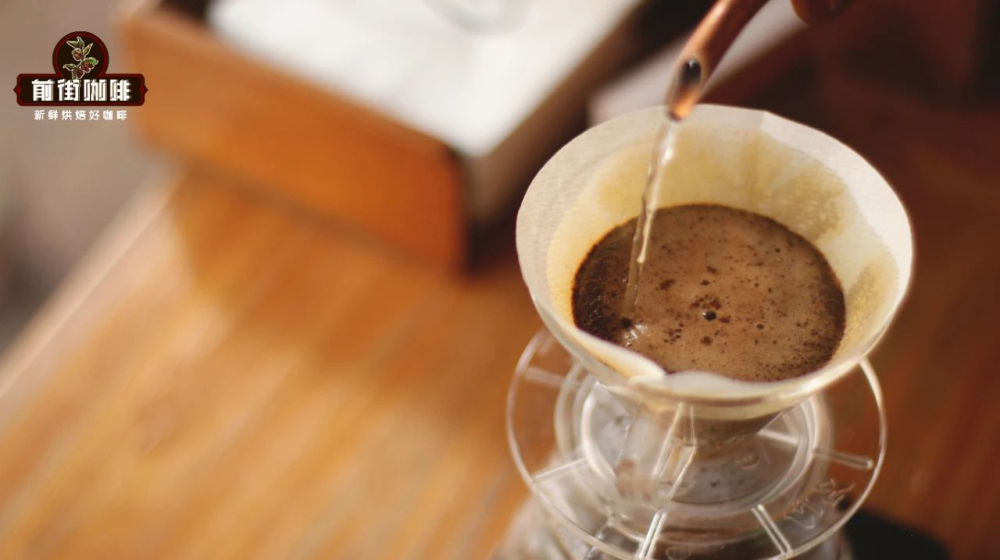
Next comes the most critical part of the pour over process—the three-stage pouring method. This technique divides the entire extraction process into blooming, the second pour, and the third pour. It helps evenly extract various flavor compounds in the coffee and brings out a richer layering. The total pouring time is recommended to be around two minutes, which effectively manages the extraction rhythm.
First is the blooming stage. This step involves pouring a small amount of hot water over the coffee grounds before the main pour to let the grounds expand and release gases. Typically, you use double the weight of the coffee in water, letting it sit for about 30 seconds. This period activates the coffee grounds and lays a solid foundation for subsequent extraction. When the coffee grounds surface changes from expanded to slightly contracted, it indicates that you can move on to the next step.
When moving on to the second pour, begin immediately after blooming. It is recommended to start from the center of the coffee grounds and pour in a steady, straight stream while circling outward. The water amount is generally around 95 grams, which helps uniformly wet the entire coffee bed. Maintain a vertical water stream during pouring and avoid directly hitting the edge of the filter paper, which could affect extraction evenness. By the end of this stage, the total water volume should reach approximately 125 grams, with the overall time being around 55 seconds.
The final third pour begins when the liquid level drops to about half. It is recommended to switch to a smaller stream and make smaller circles, pouring roughly 100 grams of water until the total coffee-to-water ratio reaches 225 grams. Special attention should be paid to controlling water stream strength at this stage to avoid disrupting the coffee bed structure with excessive flow, which may lead to over-extraction or uneven extraction. Once all the coffee has dripped through, it is recommended to gently swirl the coffee in the server to better integrate aromas and flavors, enhancing the drinking experience.
It is important to note that the above pouring parameters and steps are only for beginner reference. In actual practice, you can adjust based on personal preference and the specific characteristics of the coffee beans. One of the charms of pour over coffee lies in its flexibility to adapt to different conditions, helping you find the brewing method that best suits your taste. Through continuous practice and experimentation, every coffee enthusiast can discover their own perfect extraction formula.
The above content is compiled by CoffeeHunters, a coffee news website.


