








Introduction:Espresso is the soul and foundation of all coffee beverages, but the common issue of channeling troubles many baristas and enthusiasts. This uneven extraction caused by water concentrating through specific areas of the coffee puck leads to undesirable flavors such as burnt bitterness and astringency. This article delves into the causes and characteristic signs of channeling, and provides systematic solutions from practical aspects such as coffee bean selection, distribution, and tamping techniques, helping you consistently extract balanced and rich espresso.
Brewing a high-quality espresso is the foundation for creating all espresso-based drinks. This highly concentrated extraction method showcases the essence of coffee beans but can also amplify their flaws. In practice, many flavor defects often stem from one common issue—channeling. This phenomenon occurs not infrequently, and when it does, water penetrates rapidly along the path of least resistance in the puck, leading to over-extraction in some areas and under-extraction in others, ultimately resulting in noticeable burnt bitterness and astringency. This article will comprehensively explore how to avoid this problem—from bean variety selection, the definition and identification of channeling, to practical tips on distribution and tamping—to help you stably extract balanced espresso.
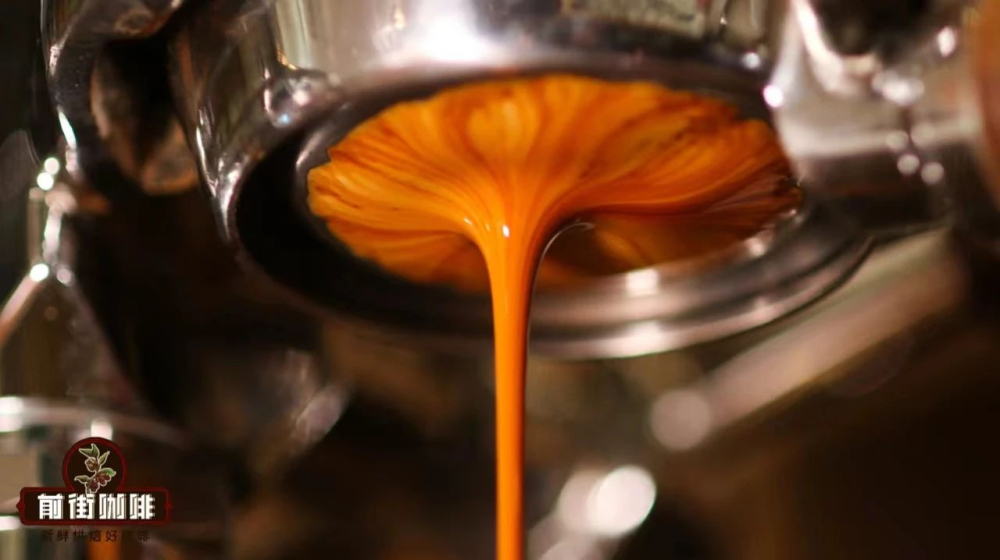
A well-extracted espresso is the cornerstone of all espresso beverages. It can fully showcase the potential of the coffee beans, but conversely, improper extraction will also make flaws glaringly obvious. Therefore, mastering the correct espresso extraction technique is an important task for every coffee professional and enthusiast. Many issues with abnormal flavors are actually closely related to "channeling." This phenomenon occurs quite frequently during espresso extraction, and once it appears, it directly impacts the overall performance of the coffee. Next, we’ll take an in-depth look at the nature of channeling and how to effectively prevent it in daily operations.
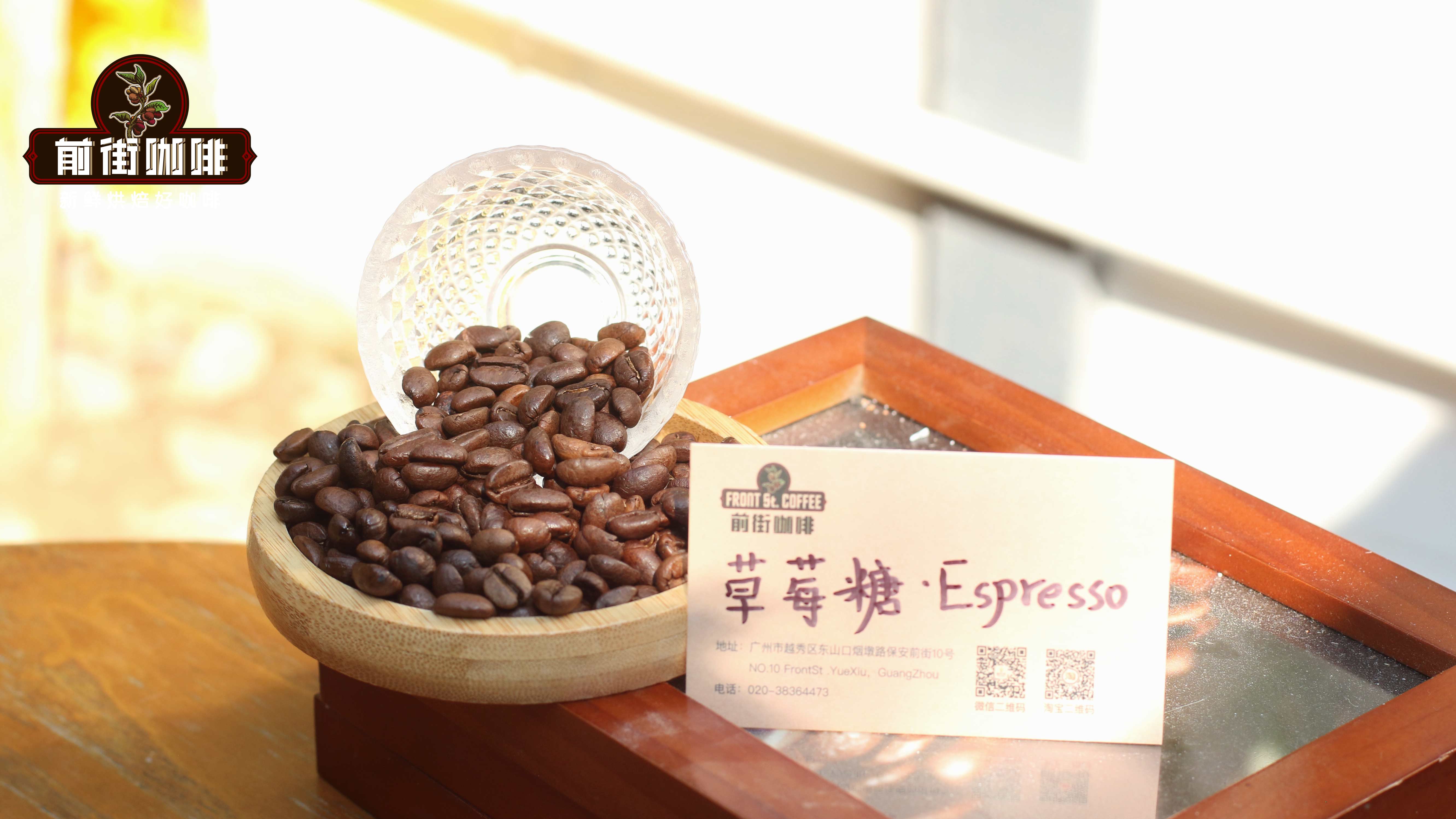
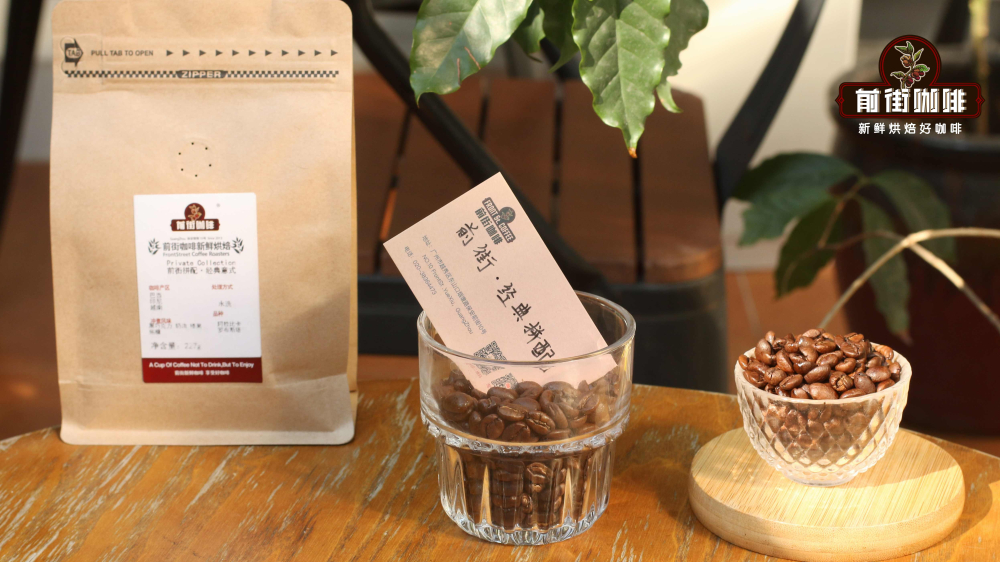
To consistently extract ideal espresso, first avoid two extremes: overly bitter dark roasted beans and overly acidic light roasted beans. For beginners, it’s recommended to choose medium-roasted beans, such as a blended blend that combines beans from multiple origins, which usually offers a more balanced profile. These beans not only have rich flavor layers but are also easier to control during extraction, helping to reduce the likelihood of channeling.
Channeling refers to the phenomenon during espresso extraction where water chooses the path of least resistance due to uneven puck density and concentrates through that path. Ideally, water should evenly penetrate the entire coffee bed so that each coffee particle can appropriately release its flavor compounds. However, due to the physical properties of water, it always tends to find the path with the least flow resistance. This is like watering plants—the water will flow preferentially into soil cracks rather than evenly soaking the entire area. Under the extreme conditions of espresso extraction—where approximately two-thirds of the soluble substances must be extracted from the puck in an extremely short time—the impact of channeling is particularly significant, easily causing localized over-extraction and overall flavor imbalance.
Although we cannot directly observe the water flow paths during extraction, the occurrence of channeling is usually accompanied by some clear signs. Even before tasting, we can judge whether channeling has occurred based on the following characteristics: First, dense holes appearing on the surface of the puck are traces left by water concentrating through certain areas, serving as direct evidence of the existence of "channels"; second, when using a bottomless portafilter, if unusual splashing is observed as the coffee flows out, it is often a warning sign of channeling. These observation points can help us detect and adjust extraction conditions in a timely manner before flavor defects emerge.
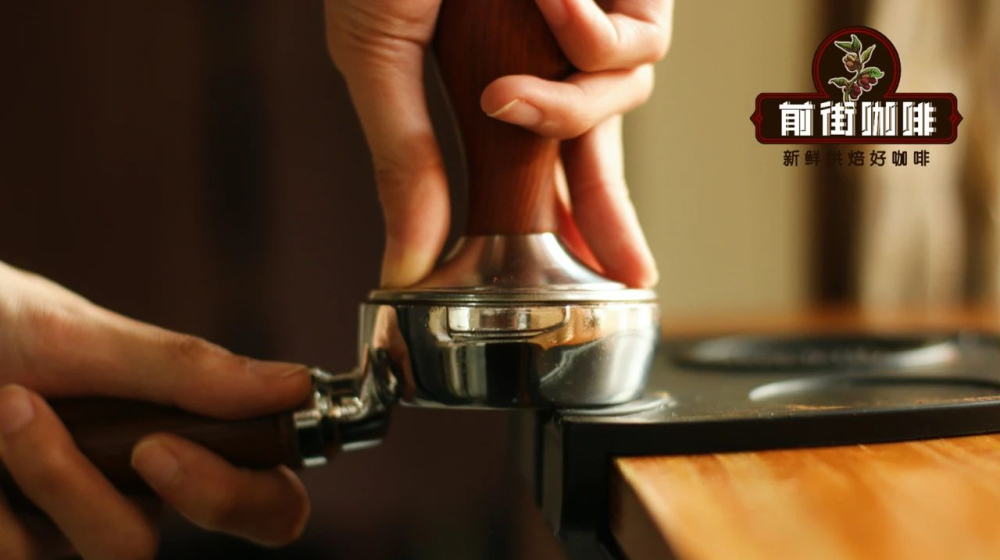
To effectively solve the issue of channeling, the key lies in optimizing the distribution and tamping process. When the measured amount of coffee grounds is poured into the portafilter basket, it is recommended to first let the coffee grounds settle evenly by gently tapping, then use a distribution tool to evenly spread the layer by rotating. This step can effectively reduce density differences within the puck and prevent the formation of preferred water flow paths. Subsequently, when tamping, it is advised to fix both sides of the tamper with the thumb and index finger while applying even pressure downward with the other fingers and the palm, keeping the arm vertical. By controlling these details, the probability of channeling occurring can be significantly reduced, thereby extracting espresso with a more balanced flavor and smoother mouthfeel.
The above content is compiled by CoffeeHunters, a coffee news website.


