







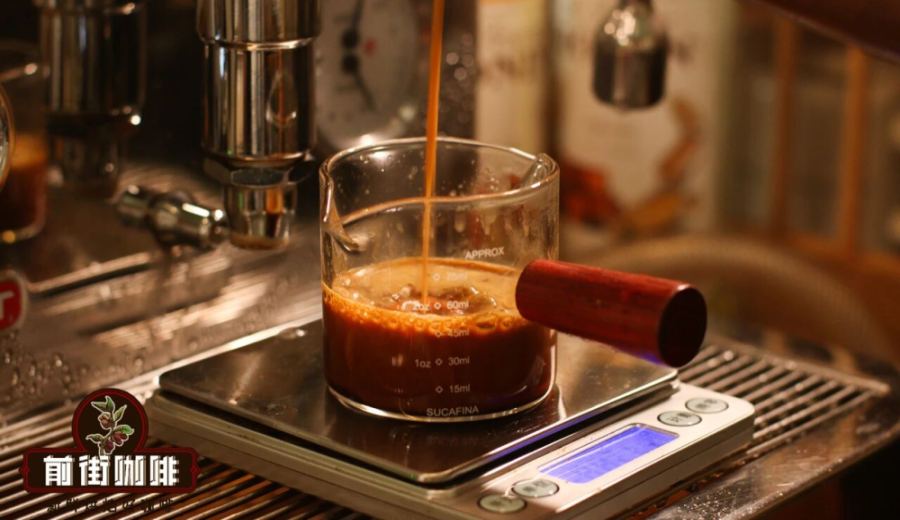
Introduction:To brew a rich, velvety espresso with no burnt bitterness at home, choosing the right blend is the first step to success. This article delves into why espresso blends dominate in extraction, and from selecting a roasting brand, aligning with personal flavor preferences, to recommending five different styles of espresso blends—including classic intense, floral-fruity, nutty, café-style, and high-value entry-level options—this guide will help you find the perfect blend for your home espresso machine.
Making a cup of espresso at home that’s rich in crema, balanced in flavor, and free from burnt bitterness hinges on picking the right blend. Compared to single-origin beans, blends combine beans from different regions to not only enhance overall flavor complexity but also ensure consistent taste year after year, making them especially suitable for classic styles like espresso, latte, or cappuccino.
Espresso extractions typically use blended recipes mainly because single-origin beans can often turn out thin and overly acidic under high-pressure brewing—even when milk is added, they may still deliver an unpleasant sharpness. Additionally, since coffee is an agricultural product, climate and harvest conditions vary each year, causing slight flavor differences in beans from a single origin. Blends, by combining beans from different regions and processing methods in specific ratios, effectively balance flavors, resulting in more consistent and stable extraction performance across batches.
To choose a suitable espresso blend, it’s recommended to start with three key considerations: selecting a reputable roasting brand, clarifying your own flavor preferences, and understanding the characteristics of different blend styles. Mastering these three elements can help you quickly find the blend that best suits your machine and drinking habits.
First, choosing a trustworthy roasting brand is crucial. With the overwhelming variety of coffee bean products on the market—and varying levels of quality—if you accidentally buy stale or untraceable beans, even the most skilled techniques won’t yield the desired flavor. Therefore, it’s advisable to choose brands with good reputations, stable roasting batches, and freshness guarantees to ensure you’re using beans at their optimal drinking window.
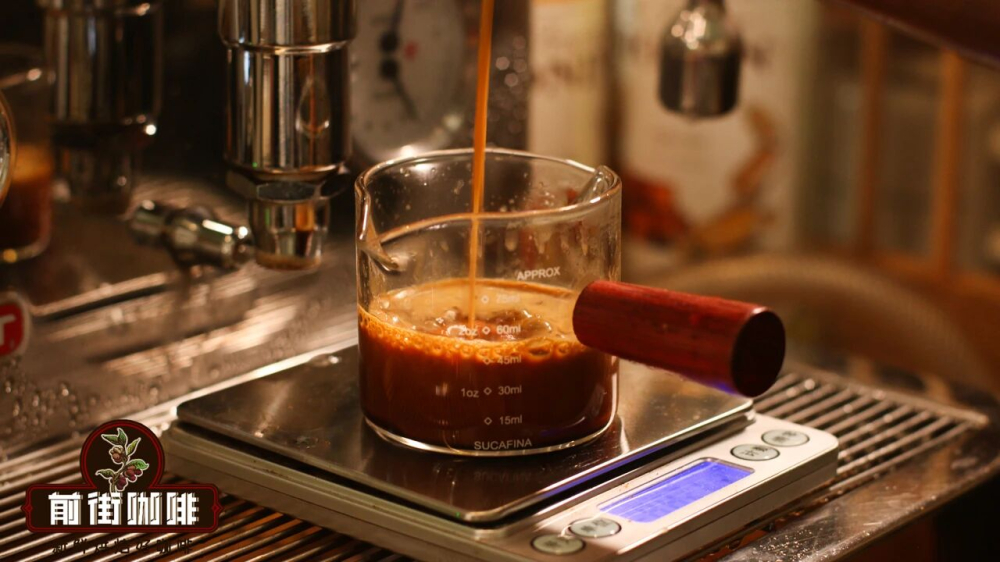
When selecting a suitable espresso blend, the second step is to clarify your flavor needs. If you prefer milk-based coffees like lattes or cappuccinos, opt for medium to dark roasts that bring out rich chocolate and caramel notes, which pair perfectly with milk. If you lean toward lighter black coffees like Americanos or orange C americanos, go for medium-roast blends with pronounced floral and fruity aromas. And if you want to practice latte art or enjoy a strong roasted aroma, dark roasts will be the better choice.
Next, we recommend five espresso blends in varying styles—from classic intense to high-value beginner options—to help you find the one that best matches your machine’s characteristics and your drinking preferences.
The first is a classic espresso blend known for its intense richness. Inspired by the traditional “Mocha Java” formula, this blend combines the characteristics of Indonesian Mandheling and Brazilian beans, with a small addition of Robusta to significantly enhance crema performance and body. Ideal for home espresso machines making concentrated shots, it also produces excellent latte art with distinct and long-lasting crema layers.
The second is a strawberry candy-flavored blend with floral and fruity aromas. Medium-light roasted, it blends honey-processed beans from Costa Rica, Ethiopian heirloom varieties, and Colombian beans to deliver fresh fruitiness and soft acidity while retaining a moderate level of sweetness. The resulting crema is delicate, making it suitable for making Americanos or lattes with a refreshing and non-cloying flavor—perfect for coffee lovers who enjoy fruity notes.
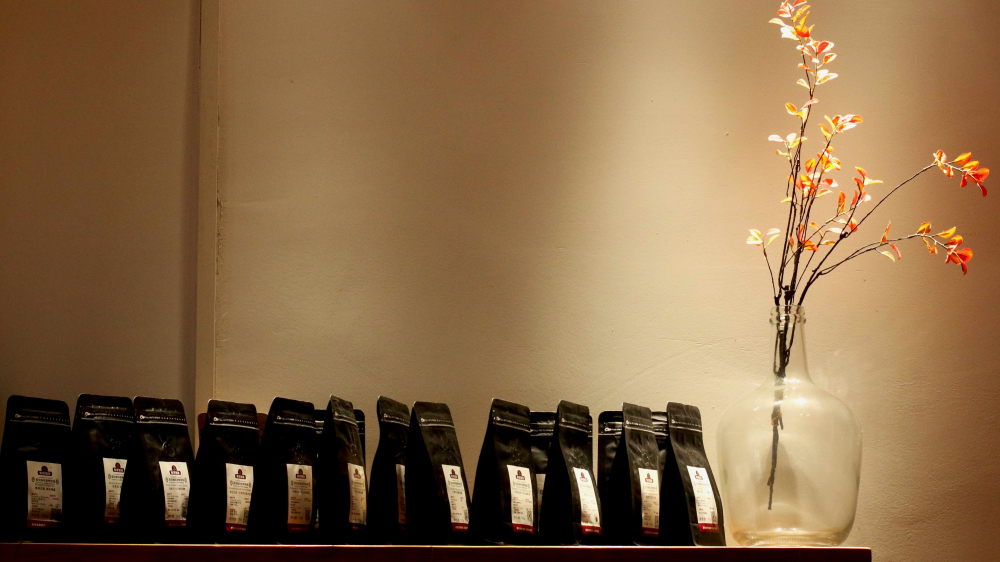
The third is a nut-forward blend combining beans from Brazil and Colombia. The Brazilian beans provide a rich base of nuts and chocolate, while the Colombian beans contribute soft caramel and cocoa notes. The overall profile is well-balanced, ideal for those who prefer less acidity. This blend is commonly used for making Americanos or lattes, offering a smooth and layered flavor.
The fourth is a commercial-grade blend suitable for recreating café flavors. Composed of Brazilian, Colombian, and Vietnamese beans, it’s medium-dark roasted to bring out intense roasty notes and a full-bodied taste, making it ideal for daily use in cafés. When brewed at home, whether as an Americano or latte, it delivers a silky and rich mouthfeel with great value, making it highly suitable for everyday drinking.
The last is a high-value, entry-level base blend designed specifically for beginners. With a mild flavor profile, it offers soft fruit acidity, caramel sweetness, and a nutty-chocolate finish, along with a smooth texture and moderate body. Suitable for budget-conscious home users wanting to explore the joy of espresso brewing, it’s also great for small cafés as a daily-use bean.
The above content is compiled by CoffeeHunters, a coffee news website.


