







Introduction:Hanging ear coffee combines the refinement of pour over with the convenience of instant coffee, but did you know it shouldn’t be soaked directly? Grind size also greatly affects extraction flavor. This article delves into the brewing principles of hanging ear coffee — from water temperature and coffee-to-water ratio to professional grind size classifications — teaching you how to avoid common mistakes and brew a nuanced cup of coffee with simple tools.
Thanks to its portability and quick brewing, hanging ear coffee has become the go-to choice for many busy coffee lovers. However, many people who enjoy this convenient coffee still have doubts about whether it can be soaked directly and what grind size to choose. This article will fully explain the correct way to use hanging ear coffee and explore in depth the key parameters that affect flavor, helping you master essential techniques. Whether at home or in the office, you can easily brew coffee close to pour over quality.
So-called hanging ear coffee is essentially ground coffee packed into a filter bag with two “ear-like” handles. With just hot water and a cup, you can enjoy a filtered coffee anytime, anywhere. Though the steps may seem simple, overlooking details can easily affect the final extraction results and flavor expression.
First, there’s a common misconception that needs clarification: hanging ear coffeeis not recommended to be soaked directlyin hot water. Unlike instant coffee or tea bags, the coffee grounds in a hanging ear pack need to be extracted through continuous pouring of water, rather than being steeped. Direct soaking can easily lead to over-extraction, making the coffee taste bitter and releasing impurities, severely compromising overall flavor.
In addition, thegrind size of hanging ear coffee is also extremely critical. If too coarse, water flows too quickly, resulting in under-extraction — the coffee becomes weak and flavorless. If too fine, it can easily clog, prolonging extraction time and leading to over-extraction of undesirable flavors. Therefore, choosing the right grind size is a crucial factor affecting the final taste.
For general home or office brewing, it is recommended to use acoffee-to-water ratio of 1:15 to 1:16, which means using 140 to 150 milliliters of hot water for every 10 grams of coffee grounds. As for water temperature,it is advised to stay around 90°C. This temperature range helps fully bring out the aroma and layered flavors of the coffee. If you don’t have a thermometer, you can turn off the heat after the water boils and let it sit for about 2–3 minutes, allowing the temperature to naturally drop to the appropriate range (around room temperature of 28°C).
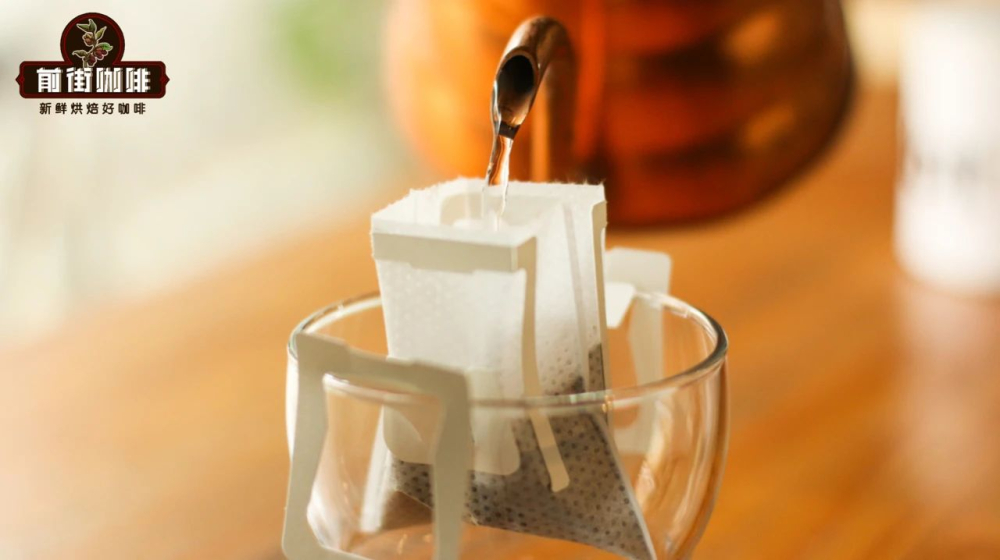
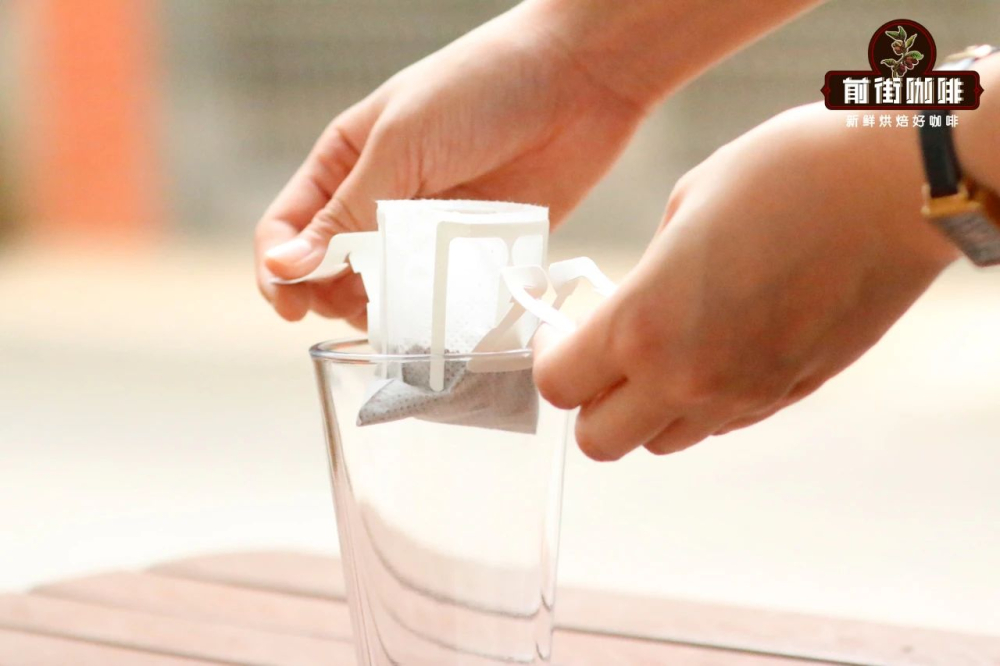
In practice, you can follow these steps: first, open the hanging ear pack and unfold the two “ears,” then hang it steadily on the edge of your cup. Gently shake to distribute the coffee grounds evenly, then use a small amount of hot water (about 20–30 milliliters) to quickly wet all the grounds. This step is called “bloom,” aimed at awakening the coffee grounds and releasing CO₂, and it should take about 30 seconds.
After blooming, you can begin the main pouring. It is recommended to use a thin stream of water and pour in a circular motion to ensure even saturation. Once the water level drops slightly, continue pouring until you reach the desired volume. For more precise control, you can also pre-fill with 150–160 milliliters of hot water and pour it all at once. Once the coffee liquid has completely dripped through, remove the hanging ear pack. The whole process takes about one minute — simple and efficient.
If you’d like to try making your own hanging ear coffee, it’s not difficult, but you need to pay attention to several key details. First is the cleanliness of the grinder — especially if you often grind beans from different regions or with different processing methods, residual oils and fine particles can affect the purity of the next batch’s flavor. Therefore, it’s recommended to thoroughly clean the grinder before each use to prevent any off-flavors or impurities from interfering.
Regarding grind size, this directly affects flow rate during extraction and flavor expression. If the grind is too fine, it can cause poor water flow and lead to over-extraction; if too coarse, it may result in under-extraction and a flat flavor. A certain brand adjusts the grind precisely based on the roast level when producing hanging ear packs: for example, forlight-roasted, fruity and acidic coffees(such as Yirgacheffe or sun-dried Huigui), the grind is adjusted to be similar tothe coarseness of fine sugar, to fully showcase their bright acidity and fruity notes; whereas fordark-roasted, bold and rich coffees(such as Brazil or Indonesian Mandheling), acoarser grind akin to coarse sugaris used to highlight the intense nutty and chocolatey tones.
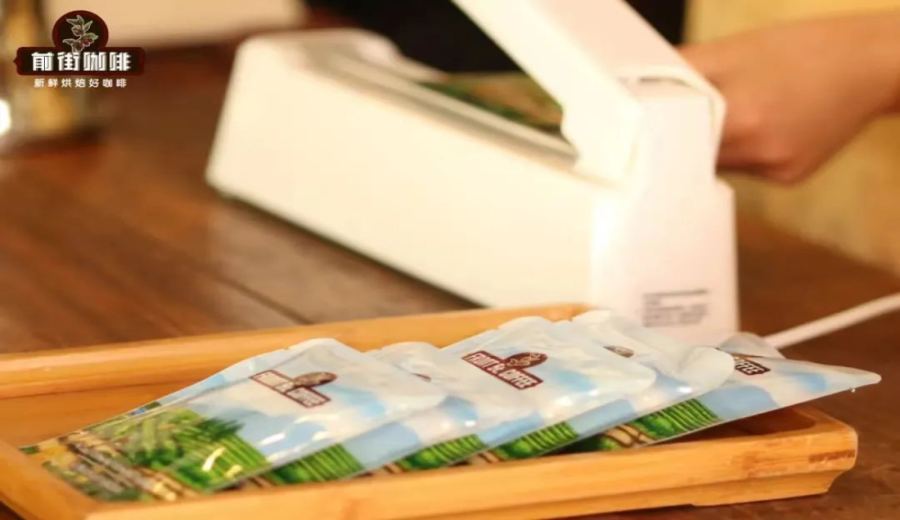
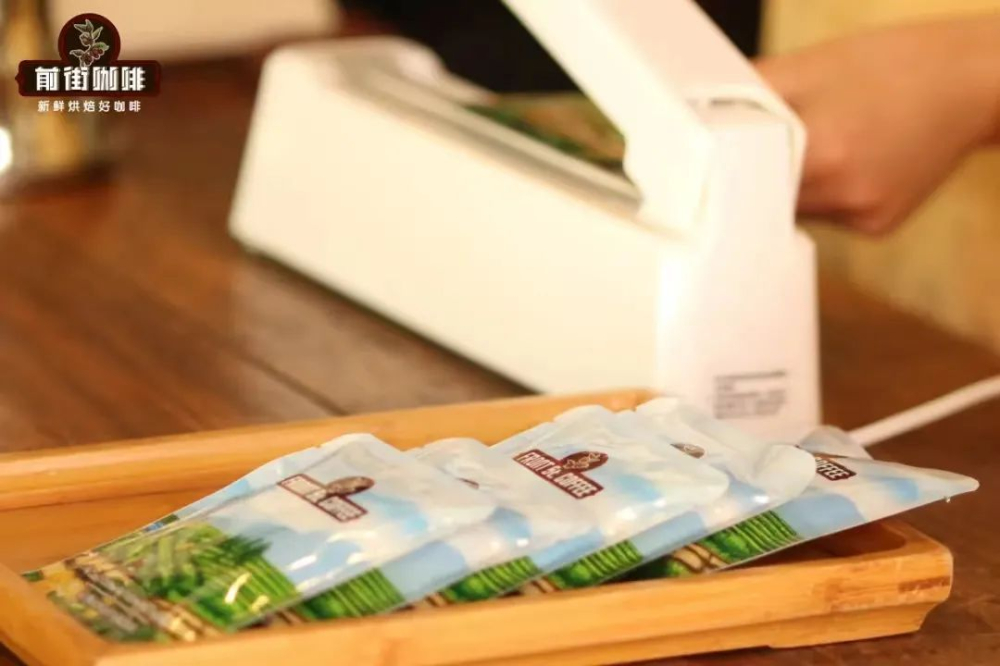
Additionally, to ensure the freshness and flavor preservation of the coffee grounds, a certain brand uses automated mechanical sealing in the packaging process and fills the package with nitrogen, effectively displacing oxygen and slowing down oxidation, thus extending the optimal shelf life of the coffee. Particularly since coffee grounds begin to lose aromatic molecules rapidly once ground, using freshly roasted beans within five days of roasting and employing a fresh-grind, freshly-packed approach ensures that every pack of hanging ear coffee retains the best possible flavor.
In summary, although hanging ear coffee is convenient, brewing it well still requires mastering the correct brewing method and grind details. From avoiding direct soaking, controlling proper water temperature and coffee-to-water ratio, to selecting the right grind size, every step affects the final coffee experience. By paying attention to these points, you can easily enjoy professional-level pour over flavor, whether at home or in the office.
The above content is compiled by CoffeeHunters, a coffee news website.


