







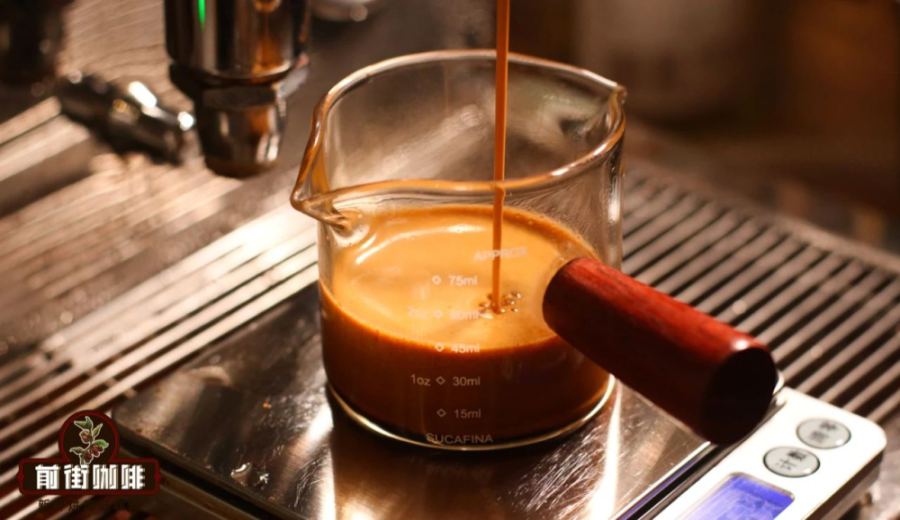
Introduction:When opening a coffee shop or starting your own roastery, selecting the right espresso blend is key to maintaining consistent flavor output. This article delves into how to choose a blend that balances cost-performance with expressive potential—from freshness and roasting craftsmanship to actual extraction parameters. It also provides a practical buying guide and analysis of two classic commercial blends, helping you master professional-grade coffee bean selection.
For coffee shop owners or home-roasting enthusiasts, espresso blends are not only the foundation of daily offerings but also the core element defining the flavor profile of beverages. Compared to single-origin beans that emphasize the characteristics of a specific region, blends achieve balance in flavor complexity, body, and consistency by scientifically combining beans from different origins—making them especially suitable for classic espresso drinks like Americano, latte, and cappuccino.
However, the market offers a wide variety of espresso blends, differing greatly in roast levels and flavor profiles, which can be overwhelming for first-time buyers.So, how do you evaluate whether a blend meets your shop’s needs? Freshness, roaster scale, bean variety ratio, and extraction performance are all key indicators that shouldn’t be overlooked.
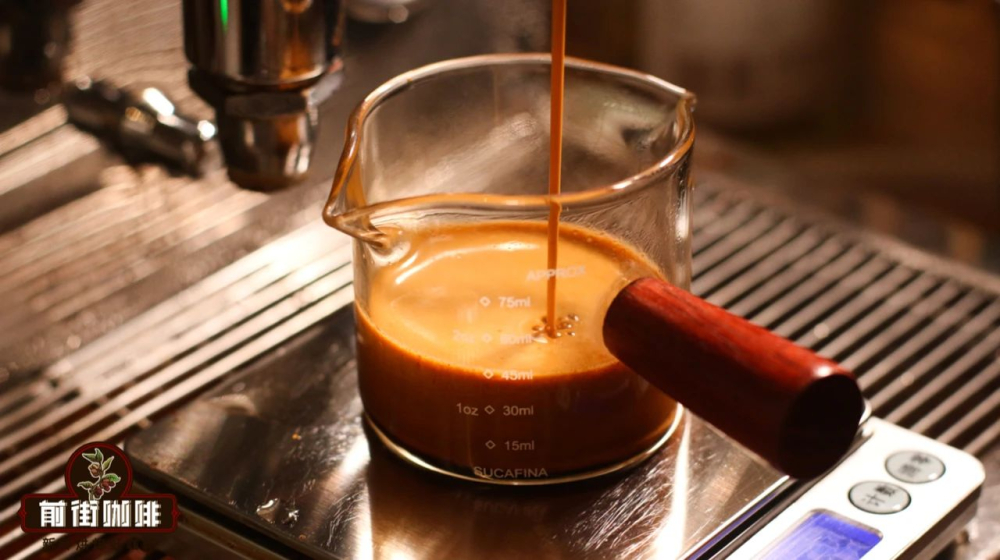
First, the freshness of coffee beans directly affects flavor release. Generally, the optimal tasting period for espresso blends is 5 to 14 days after roasting. Too early or too late can lead to aroma loss or flavor imbalance.It’s recommended to prioritize domestically roasted products—not only for shorter transit times but also to ensure the beans arrive with vibrant, fresh flavors.If considering imported brands, pay special attention to the roast date and shipping conditions to avoid flavor degradation due to long-distance transport.
Secondly, the stability of the roasting process is another important factor. Large self-roasting brands typically have professional roasting equipment and rigorous quality control procedures, ensuring consistent flavor across each batch of blends.These producers often offer a diverse range of blends, from commercial to specialty grades, catering to the needs of shops of varying sizes.When choosing, observe whether the brand provides detailed bean list information, including origin, roast date, and flavor descriptions—these details often reflect their level of expertise.
Extraction parameters also significantly impact the final flavor. The ideal extraction ratio for espresso is typically 1:2 to 1:2.5 (coffee to water), and grind size should be fine-tuned based on bean freshness and brewing equipment.It’s recommended to start with a medium grind when using a new batch of blend for the first time, then adjust gradually based on flow rate and crema performance until the desired richness and balance are achieved.
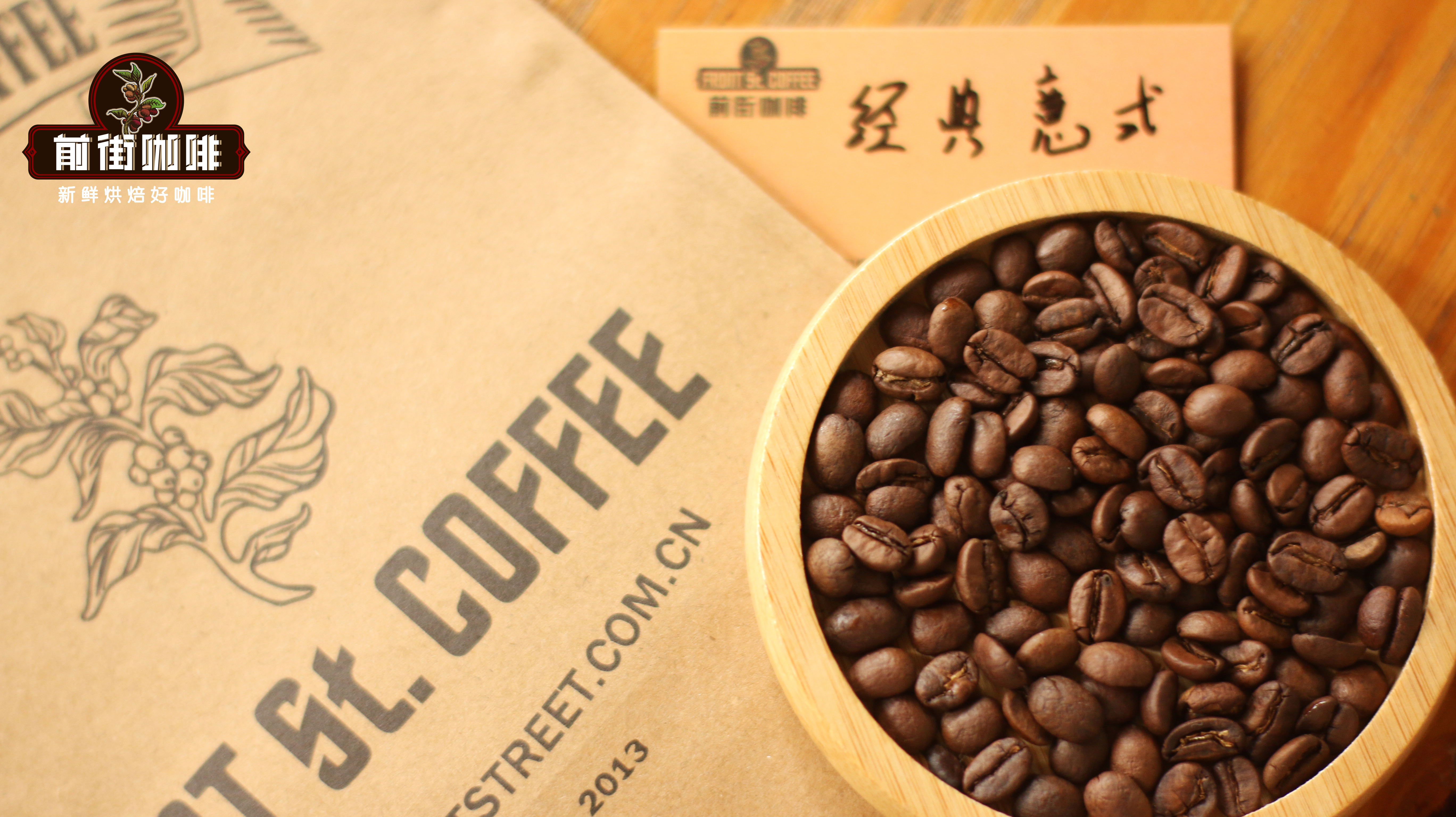
Among the many espresso blend combinations, the following two classic recipes are worth referencing: The first is a commercial-grade blend combining beans from Colombia, Brazil, and Vietnam, characterized by a pronounced caramel sweetness with layered flavors of nuts, cocoa, and dark chocolate. Its sweet-and-acid balance is harmonious, with a long-lasting finish. Beans from Colombia’s Huila region provide a bright acidity, while those from Brazil’s Cerrado add body and a balanced bitterness. The rich crema from Vietnamese coffee further enhances the overall texture, making it suitable for high-volume coffee shops’ daily use.
The other is a specialty-grade blend primarily featuring South American beans from Colombia and Brazil, showcasing a softer balance of bitterness and sweetness. The resulting Americano is smooth on the palate, with a chocolatey aftertaste. When used for lattes, it delivers distinct layers of nutty, cocoa-cookie, and caramel aromas—ideal for consumers seeking refined flavors.These blends are not only suitable for professional coffee shops but also meet home users’ expectations for high-quality espresso.
In summary, when selecting an espresso blend, it’s essential to comprehensively assess freshness, roasting stability, bean variety ratio, and actual extraction performance. By understanding the characteristics and suitable applications of each blend, you can not only enhance output consistency but also deliver a vivid and memorable coffee experience to customers.
The above content is compiled by CoffeeHunters, a coffee news website.


