







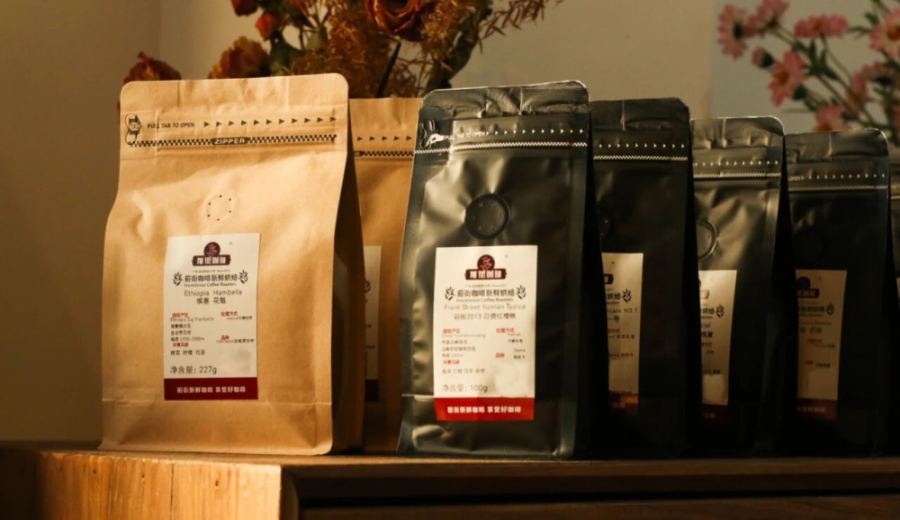
Introduction:Delve into the unique charm of Indonesian Sumatra Mandheling coffee, from the origins of the wet-hulling process to the flavor differences between Lintong Mandheling and PWN Golden Mandheling. Learn how this low-acid, full-bodied coffee with herbal and chocolatey notes, achieved through special processing methods and rigorous selection, has become a top choice for serious coffee enthusiasts worldwide. This article will explore the characteristics of different grades of Mandheling and the brewing methods they suit best.
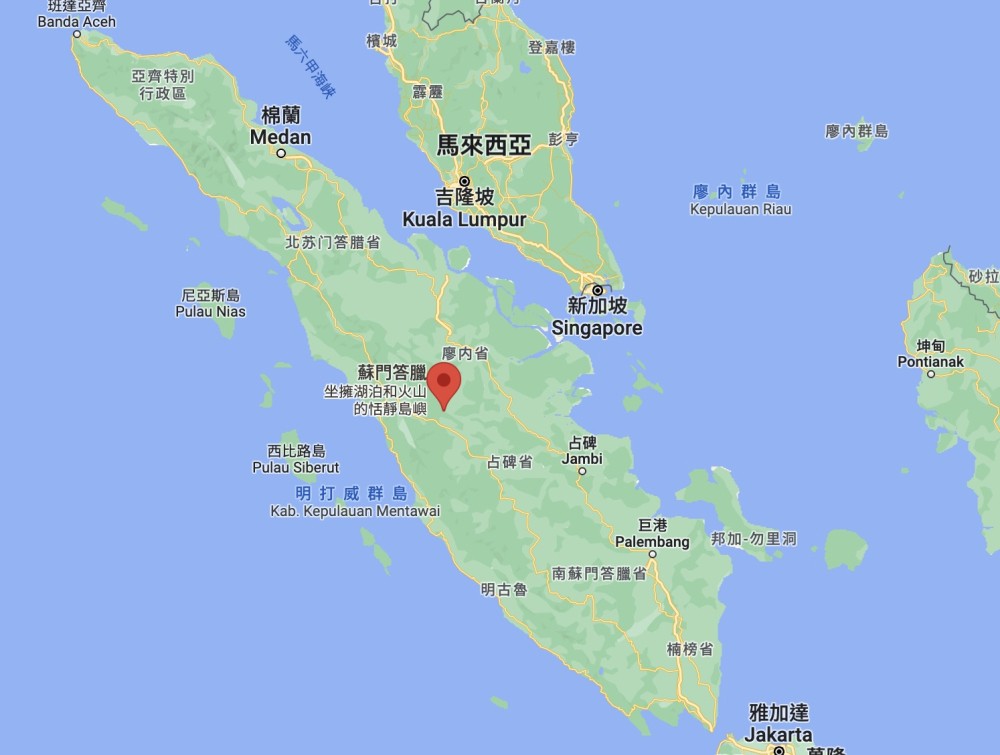
With its low acidity, rich and bold flavor, along with distinctive herbal and woody aromas, Mandheling coffee has long been a symbol of premium Indonesian coffee. Its main production regions are spread across three major islands: Sumatra, Java, and Sulawesi, with Sumatra yielding the largest volume and also serving as the primary source of classic Mandheling flavors.
Among Indonesia’s many producing regions, Mandheling from the Lintong area of Sumatra has always been renowned for its bold and heavy profile.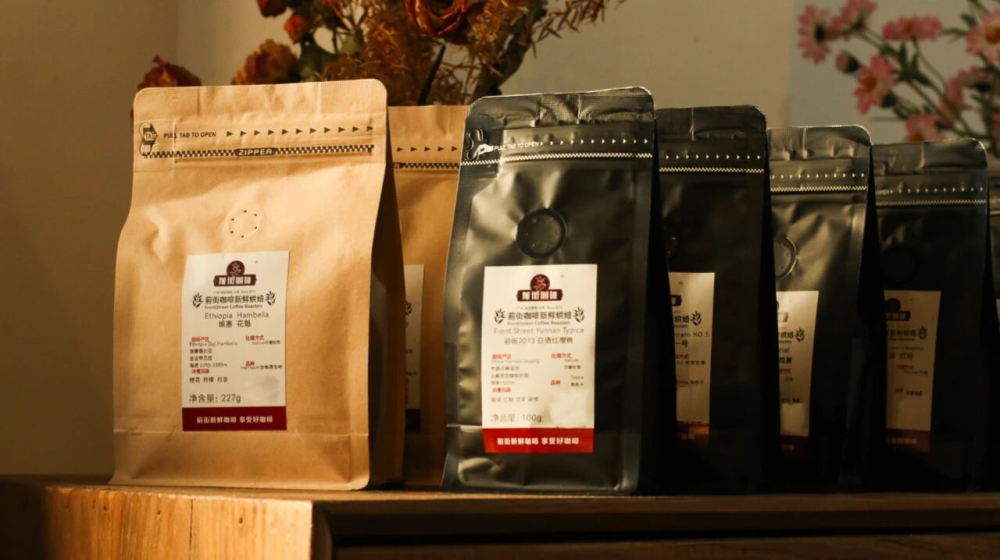 This coffee typically exudes complex aromas of spices, herbs, caramel, and dark chocolate, with extremely low acidity, a full body, and a long aftertaste—making it highly suitable for coffee drinkers who prefer dark roasts and intense flavors.
When discussing the uniqueness of Mandheling, one cannot overlook Indonesia’s distinctive “wet-hulling process.” The development of this technique is largely due to the humid and rainy climate of Sumatra.Frequent rainfall throughout the year, coupled with constant typhoon invasions, makes it difficult to maintain the continuous sunny weather required for sun-drying methods;Moreover, limited economic conditions in the past also made it hard to afford the equipment and water resources needed for washed processing. Against this backdrop, the wet-hulling method emerged and gradually became the hallmark processing style of Mandheling coffee.
Although some estates and processing facilities in Indonesia have now adopted washed processing techniques, wet-hulling remains a crucial key to shaping Mandheling’s unique flavor. In fact, many consumers directly associate Mandheling with this special processing method—the two are virtually inseparable.
Within Mandheling’s grading system, in addition to regional differences, the precision of harvesting and processing methods directly impacts the final quality. Take the highly acclaimed Golden Mandheling as an example—a top-grade bean variety produced in Sumatra, meticulously controlled in its picking and processing by a Japanese technical team, and subjected to four rounds of manual bean sorting to thoroughly eliminate defective beans.
This rigorous screening mechanism results in Golden Mandheling beans that are extremely uniform in appearance, with a healthy dark green color.After proper roasting, its flavor profile is brighter and cleaner compared to traditional Mandheling, with nearly all earthy or musty notes completely disappearing,replaced instead by prominent caramel sweetness and distinct herbal notes.
 As for the wet-hulling process itself, its most notable feature is the significant acceleration of processing speed—compared to traditional washed or sun-dried methods, wet-hulling can complete bean dehydration in a much shorter time. However, this efficiency also comes with a higher risk of defects, so most high-quality wet-hulled Mandheling undergoes additional screening processes such as DP (double picking) or even TP (triple picking) to ensure stable final product quality.
Generally speaking, coffee beans processed with the wet-hulling method are often described as having pronounced earthy tones, smokiness, and rich chocolatey characteristics. They have low acidity, a full and bold body, but some drinkers may also perceive a slightly dull flavor profile. In contrast, strictly selected premium wet-hulled Mandheling, such as PWN Golden Mandheling, showcases a distinctly different flavor profile—herbal freshness is more pronounced, caramel sweetness has layered complexity, and the cup offers a steady and elegant mouthfeel upon entry, with a finish that delivers lingering sweetness paired with wild spicy notes.
For coffee enthusiasts who enjoy brewing with pour over methods, it is recommended to try medium-light to medium-roasted Mandheling beans, using a medium grind size (about the coarseness of fine sugar granules) and water at 90–93°C, employing a multi-pour extraction technique to fully highlight its complex aromas and layered flavor nuances.
The above content is compiled by CoffeeHunters, a coffee news website.


