







Introduction:Freshly roasted coffee beans do not immediately reach their optimal flavor but require a period of resting, known as degassing, to allow internal carbon dioxide to fully release. This article delves into the degassing needs of coffee beans at different roast levels, their degassing characteristics, and how to extract a rich array of flavors during the peak flavor window through proper storage and brewing techniques. Whether you're a beginner or advanced pour over enthusiast, you'll gain practical tips from this guide.
Many coffee lovers, when purchasing coffee beans, always pay attention to the roast date, assuming that the fresher the beans, the better. However, coffee beans straight out of the roaster actually need a “resting period” to allow the internally accumulated carbon dioxide to gradually dissipate in order to reveal their fullest flavor profile. This article will comprehensively explain the science behind bean resting, differences in resting times based on roast levels, emergency brewing strategies when beans are not fully rested, and key methods to extend flavor preservation.
The term “bean resting” refers to the maturation process that coffee beans must undergo after roasting. When green coffee beans are transformed into roasted beans through high heat, the bean structure not only expands but also produces a large amount of carbon dioxide gas. If this gas is not properly released, it can interfere with the stability of coffee extraction during brewing. Especially during the blooming phase, if residual gases are not fully expelled, it can not only affect the release of subsequent flavor compounds but may also cause channeling in the later stages of extraction, leading to uneven extraction and ultimately compromising the overall quality of the coffee.
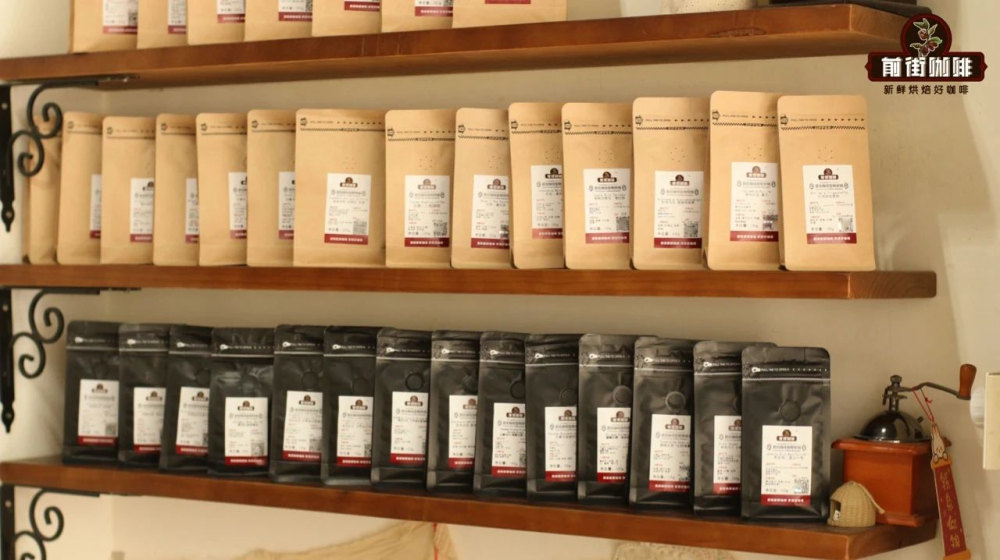
Depending on the roast level, the required resting time for coffee beans varies significantly. Darker roasts, due to longer heating times, accumulate more internal carbon dioxide and thus have a relatively slower degassing process. For commonly seen medium to light roasts, a resting period of about 4 to 7 days is recommended; whereas medium to dark roasts require about 7 to 10 days for the flavors to stabilize. Observing the one-way degassing valve on the coffee packaging, if you notice the bag is noticeably inflated, it is a sign that the beans are still actively releasing gas.
If you are eager to taste the beans without allowing sufficient resting time, you may encounter noticeable flavor defects during brewing. Under-rested coffee beans often carry an overly heavy smoky note, and after extraction, they tend to present a grassy, astringent mouthfeel with blurred and unclear flavor layers. To address this, you can adjust brewing parameters: first, extend the blooming time—for example, increasing the standard 30-second bloom to 40 seconds—to help release more carbon dioxide; second, let the ground coffee sit for 1 to 2 minutes before brewing to increase the surface area contact between the grounds and air, accelerating gas release. However, be aware that once ground, the volatility not only releases carbon dioxide but also accelerates the loss of flavor compounds, so it’s advisable to complete brewing as soon as possible.

The actual resting process does not require complex steps—just place unopened coffee beans in a cool, dry place and let them sit. Modern coffee packaging typically comes with a one-way degassing valve, which automatically regulates internal and external pressure as the beans release gas, preventing the bag from bursting due to expansion. It is recommended to wait until the designated resting period has ended before opening the bag, as the beans will likely have reached their peak flavor by then. Additionally, there’s no need to store coffee beans in the refrigerator to avoid quality impacts from humidity and odors; nor is it necessary to use special airtight containers—the original packaging, together with the degassing valve design, is already effective in maintaining freshness.
For pour over enthusiasts, mastering the timing of bean resting and pairing it with appropriate brewing techniques is crucial. Different roast levels not only affect the required resting time but also alter the duration of the peak flavor window. Light roast beans boast bright flavors but have a shorter resting period, while dark roast beans need more time to mature yet offer a relatively longer stable flavor period. Understanding these differences helps ensure that each brew fully showcases the inherent flavor potential of the coffee beans.
The above content is compiled by CoffeeHunters, a coffee news website.


