







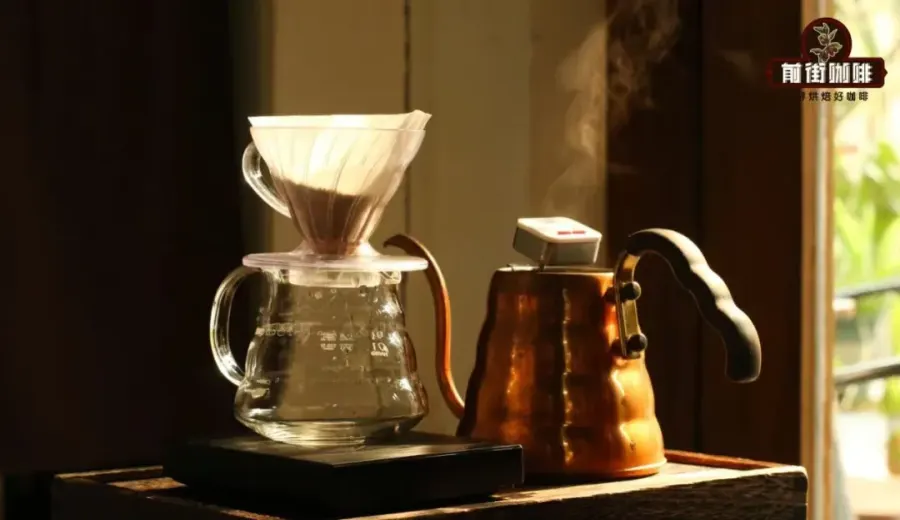
Introduction:Pour over coffee is more than just a simple brewing method—it is an art of extraction that emphasizes detail and sensory experience. This article will guide you through the key elements of pour over, from selecting coffee beans and preparing your equipment, to grinding consistency and the classic three-pour technique. Whether you’re a beginner or looking to refine your brewing skills, you’ll gain practical, professional guidance to brew a cup with distinct layers and balanced flavors.
Pour over coffee is a ritual that values focus and finesse—every step, from bean selection to pouring, directly influences the final flavor. This brewing method not only highlights the unique characteristics of the coffee beans but also allows you to enjoy a special coffee moment through a slow and mindful process. This article will delve into the fundamentals of pour over, including how to choose the right beans based on personal taste, essential brewing tools, the impact of grind size, and the beginner-friendly three-pour technique to help you develop your own pour over style.
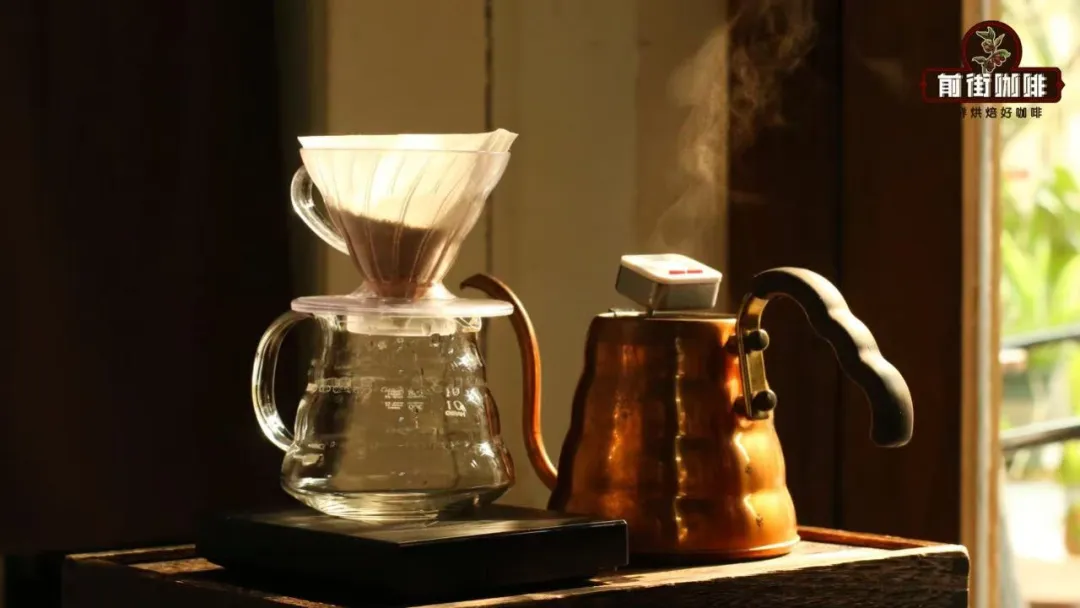
The essence of pour over lies in using a gentle stream of water to gradually extract aromatic compounds and flavor elements from the coffee grounds. This extraction method emphasizes precise control—from water temperature and flow rate to pouring technique—each element must be carefully managed. Unlike machine brewing, pour over relies more on the operator’s touch and experience, making it more adaptable to different flavor profiles of coffee beans. For beginners, mastering the basic principles and process is a crucial first step toward further exploring the world of coffee.
Choosing the right coffee beans is the foundation of a successful pour over. It is recommended to prioritize high-quality Arabica beans, which offer a rich spectrum of aromas and vary greatly in flavor depending on their origin. For example, some beans from Southeast Asia, carefully selected, have low acidity and a full body, making them ideal for those who prefer a less intense taste; while beans from high-altitude regions in Africa often feature pronounced floral, fruity notes and a tea-like quality, with bright yet smooth acidity—perfect for those who enjoy a refreshing profile.
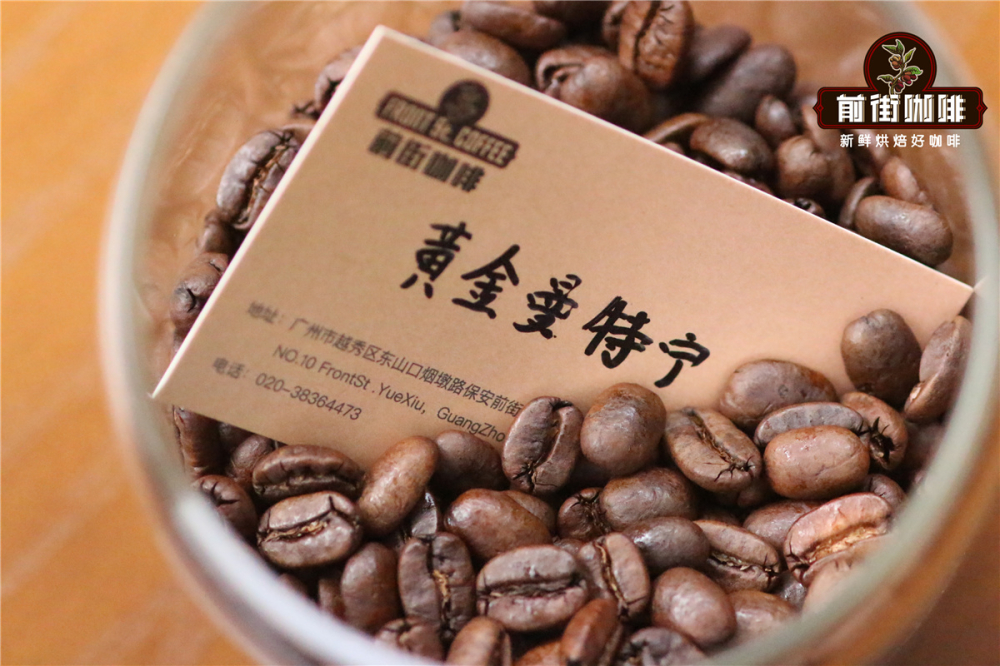
For beginners, it’s advisable to start with beans that offer balanced flavors and moderate acidity and bitterness. For instance, certain Arabica beans from South America exhibit moderate acidity with rich nutty tones, offering a smooth mouthfeel and making it easy to assess extraction. If you prefer fruit-forward coffee, consider medium to light roasted beans from African origins, which typically showcase bright notes of lemon, blueberry, or floral aromas, with a soft tea-like finish that adds enjoyment to your first pour over experience. At the same time, selecting freshly roasted beans is essential—opt for products roasted within five days to ensure peak flavor.
Before starting your pour over, prepare a set of basic tools: pour over kettle, filter cone, server, grinder, filter paper, digital scale, and thermometer. These tools not only affect ease of use but also directly impact the stability and consistency of extraction. Among them, the choice of grinder is particularly critical, as the grind size and uniformity of coffee grounds greatly influence flavor release and extraction efficiency. Grounds that are too coarse may result in under-extraction and flat flavors, while overly fine grounds can lead to over-extraction and bitter, off notes.

Adjusting grind size should be based on roast level and personal preference. Generally, medium to light roasted beans are recommended to be ground to a medium-fine consistency, roughly equivalent to 80% passing through a Chinese standard No. 20 sieve, similar in texture to fine sugar; medium to dark roasted beans can be ground slightly coarser, with about 70–75% passing rate, resembling coarse sugar. Such adjustments help balance extraction time and flavor expression, avoiding over or under extraction. Additionally, water temperature is another crucial factor, typically recommended between 90–94°C, with slight adjustments based on bean type and roast level.
For beginners, the three-pour technique is an ideal starting point. This method helps achieve even extraction of various components in the coffee grounds, enhances flavor complexity, and reduces the risk of over-extraction. Taking 15 grams of coffee grounds and a 1:15 coffee-to-water ratio as an example, the total water volume of about 225 milliliters can be divided into three pours: the first pour of 30 milliliters for blooming, lasting 30 seconds; the second pour of 95 milliliters to steadily raise the coffee bed; and the final pour of 100 milliliters to slowly finish the brew. Throughout the pouring process, maintain a stable water flow and even circular motion, avoiding direct impact on the center of the coffee bed to prevent channeling.

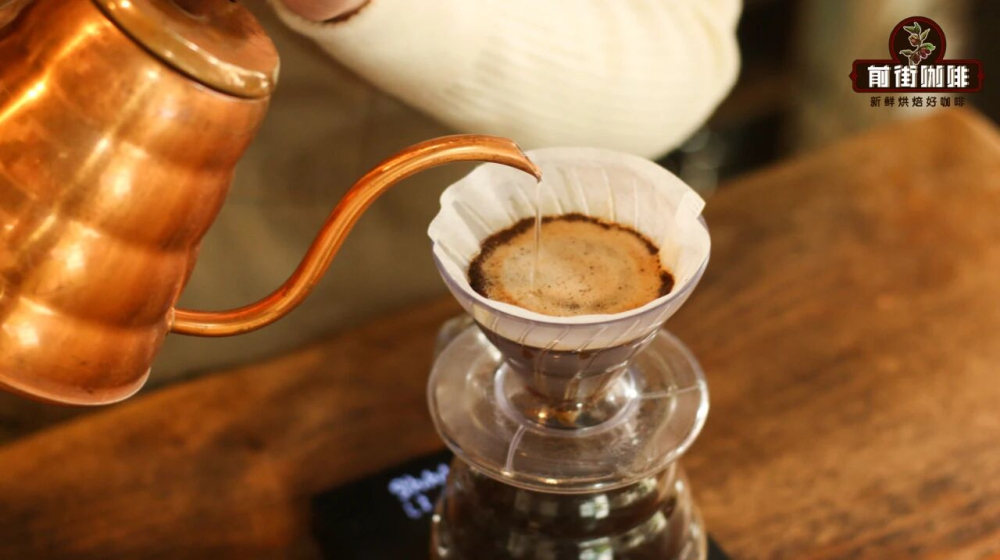
In practice, start by folding the filter paper and placing it in the filter cone, then pre-wet it with hot water to remove paper taste while also preheating the server and pour over tools. Add the ground coffee to the filter cone, gently tap to level the surface, and reset the digital scale to zero. During the first blooming stage, pour 30 milliliters of hot water in a small, centered stream to cover all the coffee grounds. This helps release CO₂ and lays a solid foundation for subsequent extraction. Start the timer, complete the bloom within 30 seconds, and then proceed to the second pour.
The second pour is about 95 milliliters, and it is recommended to use a slightly larger water flow, poured steadily and vertically, aiming to finish around the 55-second mark, bringing the total volume to 125 milliliters. Pay attention to even water distribution during this stage to avoid localized over-extraction. When the liquid level drops to about halfway through the coffee bed, begin the third pour, adding the final 100 milliliters. Use a smaller water flow and control the circular pouring range to avoid disrupting the structure of the coffee bed. The entire pouring process should take about two minutes. Finally, remove the filter cone, gently swirl the coffee in the server, and enjoy.
Please note that the parameters mentioned above are for reference only and can be fine-tuned based on personal taste and bean characteristics. One of the charms of pour over coffee lies in its high adaptability and experimental nature. Each adjustment to grind size, water temperature, or pouring method can bring a different flavor experience. Beginners are encouraged to try various parameter combinations, gradually developing an intuition for how coffee reacts, ultimately forming a personalized brewing style and framework.
The above content is compiled by CoffeeHunters, a coffee news website.


