







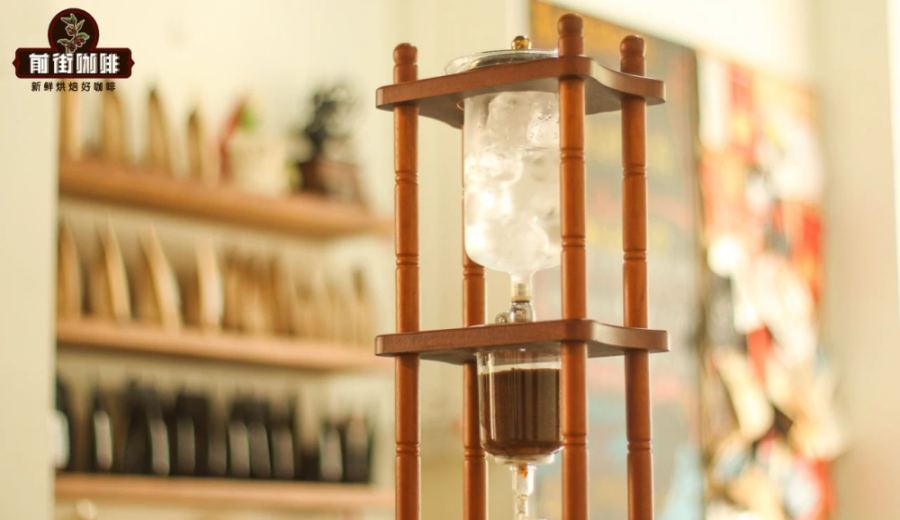
Introduction:Iced drip coffee is renowned for its rich, smooth texture and distinctive fermented wine-like flavor, but many people wonder upon their first taste why it isn’t acidic or astringent. In fact, iced drip is a type of cold brew coffee, extracted slowly over time with ice water, and it’s not at its best when consumed immediately after brewing. This article will delve into the extraction principles of iced drip, the coffee-to-water ratio and drip rate settings, as well as why low-temperature aging is essential to bring out its captivating wine-like and fruity notes, helping you master the essence of this coffee style.
Loved for its clean, rich, and smooth flavor profile along with its intense fermented wine aroma, iced drip coffee is often mistakenly thought to contain added alcohol by those trying it for the first time. In reality, it is a form of cold brew coffee, crafted by slowly extracting coffee flavors drop by drop using ice water. However, freshly made iced drip isn’t in its ideal drinking state—it needs to undergo low-temperature aging to fully develop its juicy body and enchanting wine-like qualities. This article will draw from practical brewing experience to detail the coffee-to-water ratio, drip rate control, aging duration, and storage recommendations for iced drip, helping you comprehensively understand its unique flavor and key brewing elements.
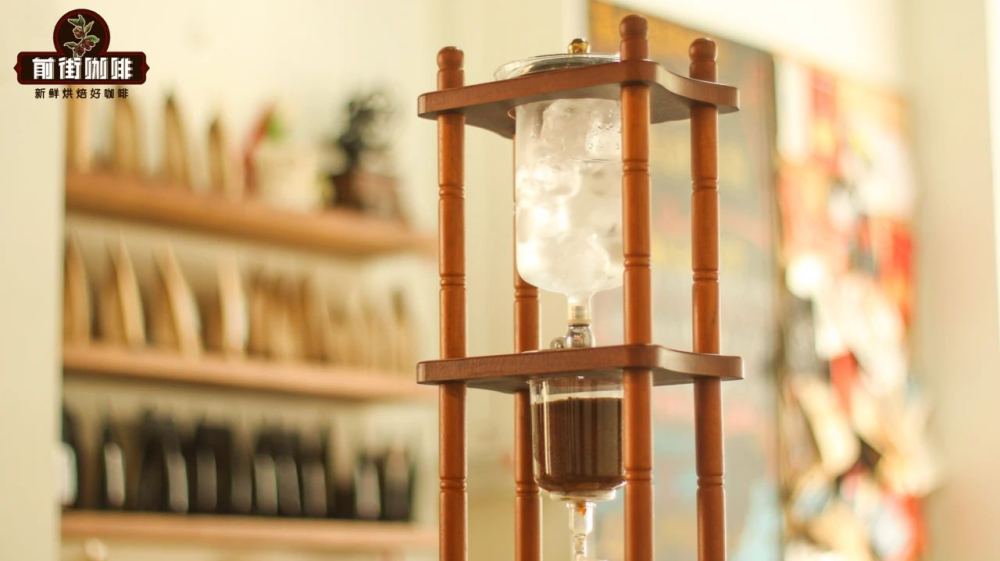
Many people, upon their first taste of iced drip coffee, are immediately drawn to its intense and lingering fermented wine aroma, even suspecting that alcohol has been added. It’s only after this strong first impression that they gradually notice its equally impressive mouthfeel—rich, smooth, and with a hint of fresh fruitiness. Quite a few, upon their first try at certain cafés, are surprised to ask, “Is alcohol added to this iced drip? Why is the wine aroma so strong?” The answer, of course, is no—iced drip coffee contains no alcohol whatsoever. This wine-like character is actually a unique flavor produced during the coffee’s low-temperature aging process.
The extraction method of iced drip coffee differs greatly from the logic behind typical hot-water brewed coffee. Most coffees use hot water to quickly extract aromatic compounds, but iced drip takes the opposite approach—it is a type of cold brew that uses cold ice water to slowly release the coffee’s flavors. Because ice water is less efficient at extraction, the entire process takes much longer. For example, common cold brew coffee usually requires soaking coffee grounds in cold water for about 8 hours, whereas iced drip takes even longer—as the name suggests, it relies on ice water dripping drop by drop to extract the coffee liquid.
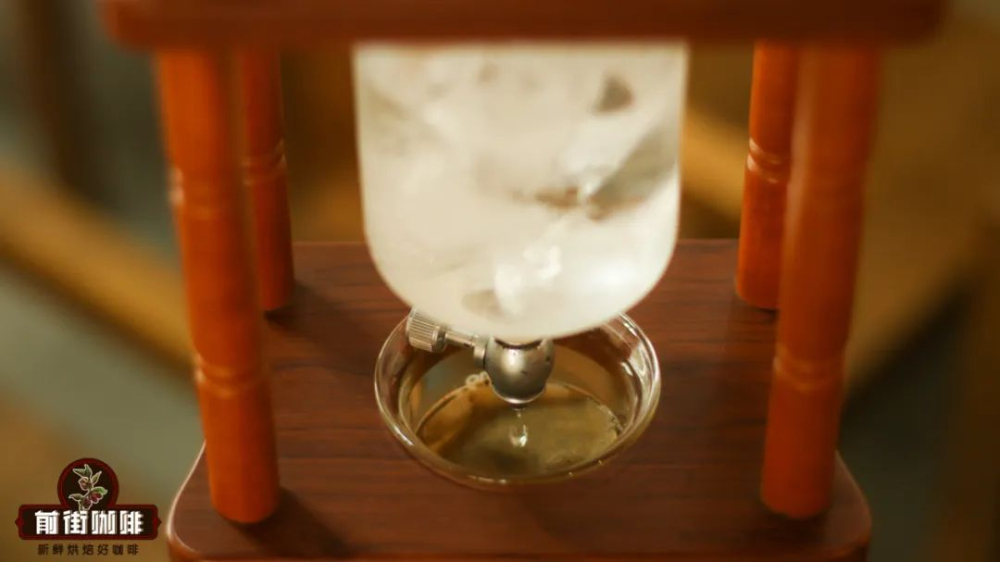
Taking practical operation as an example, when making iced drip, 60 grams of coffee grounds are typically used with a 1:10 coffee-to-water ratio—that is, 60 grams of coffee grounds are used to extract 600 milliliters of coffee liquid. This results in a relatively high concentration and more concentrated flavors. The dripping speed is controlled at around 7 drops per 10 seconds, and it takes approximately 5 to 6 hours to fully extract the full 600 milliliters of coffee liquid. It’s important to note that due to the continuous evaporation and freezing of the ice water, the water pressure changes over time, which in turn affects the drip rate. Therefore, throughout the process, you need to periodically check whether the drip rate is stable and adjust it as needed to ensure even extraction.
 Although the dripping process may seem to complete the brewing of iced drip coffee, the flavor of the coffee at this stage is not yet at its best. Many may find that freshly made iced drip tastes rather thin, or even slightly astringent, as if under-extracted. But once it’s refrigerated for a period of time and consumed the next day, the overall flavor will improve noticeably—becoming more wine-like, smoother, and richly layered like freshly squeezed juice. The key lies in “low-temperature aging.”
Low-temperature aging refers to placing food in a relatively cool environment and allowing it to undergo slow fermentation through the action of microorganisms. Under low temperatures, microbial activity slows down, so it takes a longer time to complete fermentation. Placing iced drip coffee in the refrigerator is intended to allow it to undergo this natural fermentation in a cool environment, thereby bringing out richer fruity aromas and wine-like notes.
When you take the iced drip out of the refrigerator the next day, it will have undergone a night of fermentation in the low-temperature environment, resulting in a noticeable transformation in flavor—becoming more full-bodied and smooth while emitting a rich wine and fruit aroma. Practical advice suggests that a typical aging time is about 8 hours, at which point the iced drip already has a clean, rich foundational flavor with well-balanced fruitiness and wine notes. Extending it to 12 hours allows the wine and fruit aromas to further integrate, forming a more complex and captivating fruit wine-like flavor. Therefore, it’s generally recommended to let the iced drip sit overnight to reach its optimal state.
However, while low-temperature aging can enhance the flavor of iced drip, it’s also important to pay attention to storage methods to prevent spoilage. Before placing it in the refrigerator for aging, it’s recommended to transfer the iced drip into a glass container with good sealing properties. This not only helps slow down the fermentation rate but also reduces the risk of bacterial contamination. Although low temperatures and a sealed environment can inhibit most microbial activity, frequent opening of the container may still lead to bacterial growth, affecting the quality of the coffee. Therefore, to ensure safety and the best flavor, it’s advised to consume the iced drip within five days of brewing, allowing you to enjoy its rich flavors while avoiding potential food safety issues.
The above content is compiled by CoffeeHunters, a coffee news website.


