







Introduction:Want to lose fat with black coffee but not sure where to start? This article delves into the differences between Americano and regular black coffee, exploring everything from their origins and brewing methods to the flavor profiles of different roast levels—helping you understand why espresso-based Americanos are more popular. We also provide practical calorie calculations and recommended optimal drinking temperatures. Whether you're aiming to reduce water retention or boost athletic performance, you’ll find both scientific backing and hands-on tips here.
When it comes to black coffee, many people’s first thought is a light-colored Americano brewed with dark roast beans. Since Starbucks brought this drink to the global market, many consumers have come to equate Americano with black coffee—but in reality, the two have very different definitions.
Black coffee generally refers to any pure coffee beverage without the addition of milk, sugar, or other flavorings, including various brewing methods such as cold brew, cold drip, and pour over. Americano, on the other hand, is usually understood as espresso diluted with hot water, a method that only became widely known after the popularity of chain brands like Starbucks.
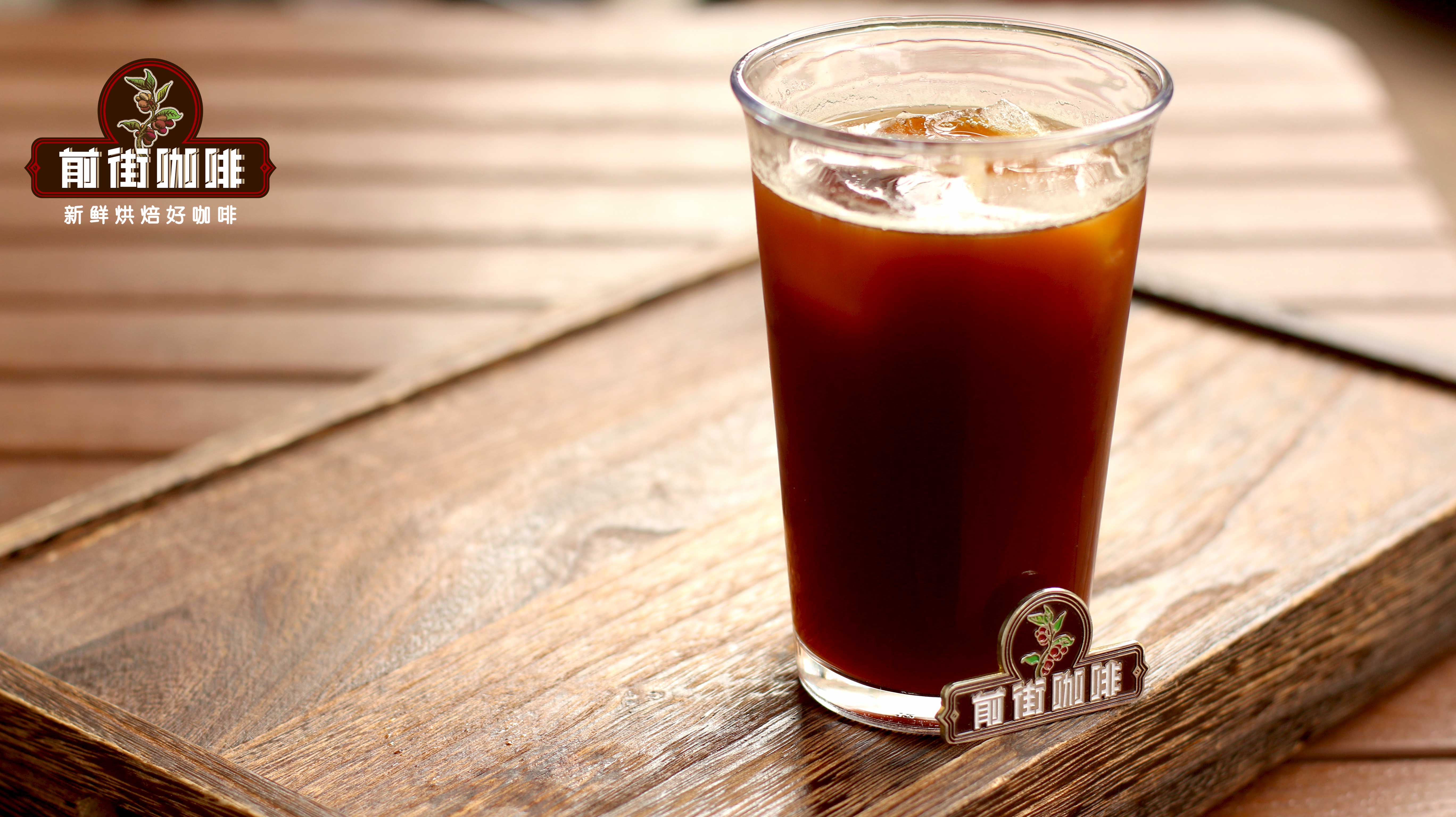
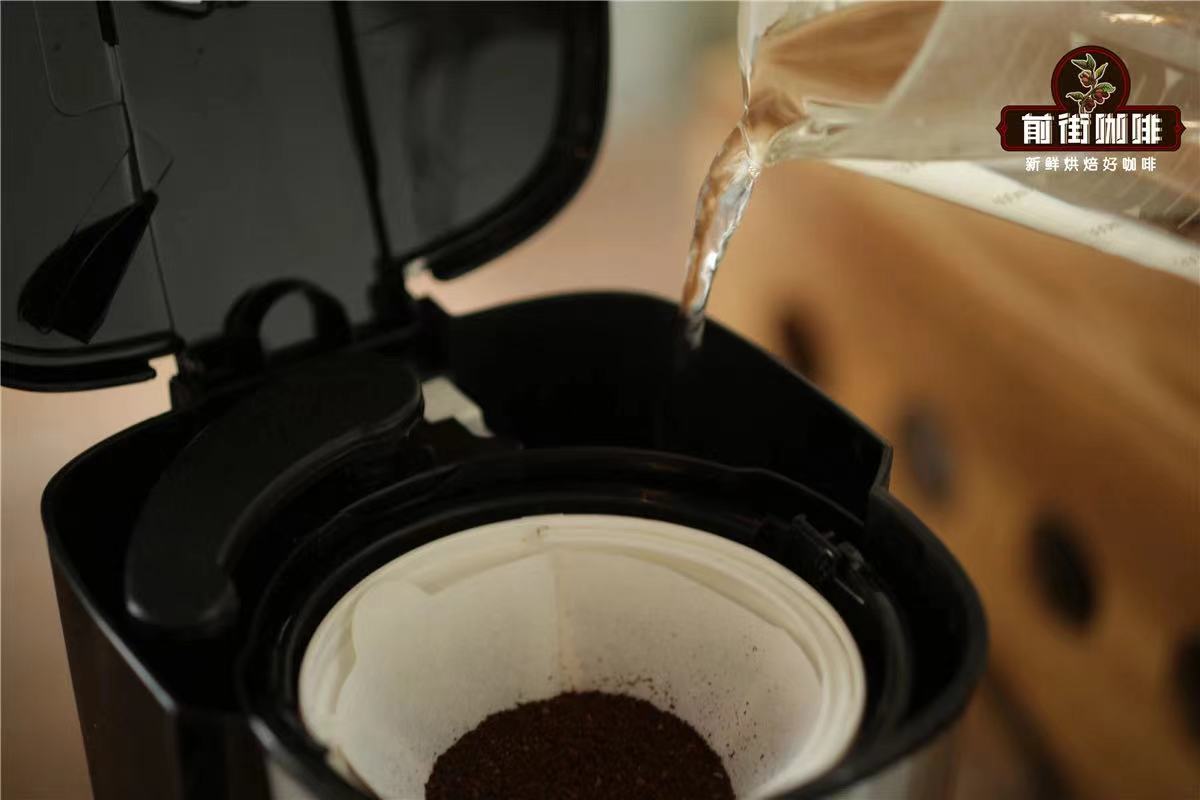
In fact, in the United States itself, the term "Americano" is more commonly used to describe a relatively mild-tasting black coffee. Preferences vary significantly by region and ethnic group: people on the East Coast generally accept higher concentrations, while Southern tastes are stronger than those in the North. Ethnically speaking, Southern European and Latino groups prefer intense flavors, whereas English-speaking and Nordic immigrants tend toward lighter-tasting coffee. It's worth noting that due to the fast-paced lifestyle in the U.S., many people are accustomed to drinking large amounts of electric drip coffee throughout the day, which—due to the low coffee-to-water ratio—often results in overly thin flavors.
So, what’s the appeal of an Americano based on espresso? Compared to the common brewing methods in the U.S., espresso-based Americano not only has a richer and more aromatic flavor, but also much higher preparation efficiency—quickly winning favor among office workers worldwide. With the rise of specialty coffee culture, more and more shops are focusing on selecting high-quality espresso beans, making the flavor profiles of these drinks increasingly rich and diverse.
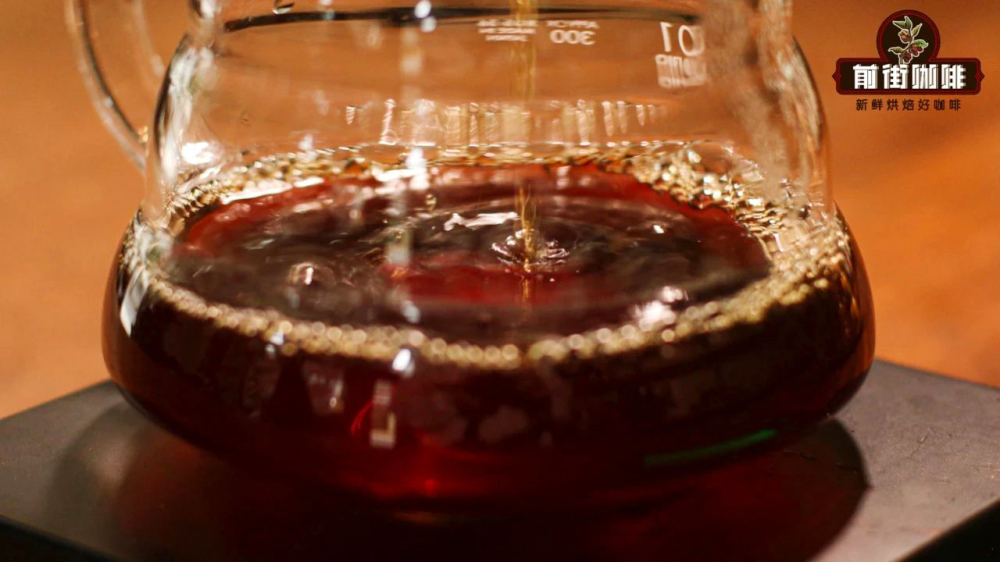
Take a well-known brand’s blend, for example—it combines Yirgacheffe and Honduran beans, using specific double espresso extraction parameters—20 grams of coffee grounds yield 40 grams of espresso, then mixed with hot or cold water at a 1:4.5 ratio. This formulation not only showcases a full-bodied wine-like character but also delivers soft berry acidity, with the finish revealing charming notes of hazelnut and dark chocolate.
The reason Americano is loved by so many drinkers goes beyond its just-right concentration and approachable taste—it also offers potential health benefits. Moderate consumption can aid digestion, relieve greasiness, and positively impact reducing body water retention. Especially in hot climates, iced Americano is an excellent choice for summer refreshment.
It’s worth noting that since iced Americano has extremely low calories, it can effectively boost the metabolic rate. Drinking it one hour before exercising can further promote fat burning, which is a key reason many fitness enthusiasts include it in their daily routine. However, it must be emphasized that these benefits apply only to pure, unadulterated Americano without any added syrups, condensed milk, or creamers. Once such additives are included, they contribute significant additional calories, and long-term consumption may negatively affect health.
As for the best drinking temperature, it should be adjusted according to the roast level of the coffee beans used. For dark roast beans (characterized by low acidity and high body), it is recommended to enjoy them at a temperature between 60 and 70 degrees Celsius; if using medium roast blends (with mild acidity, noticeable sweetness, and moderate body), the ideal range is 50 to 60 degrees Celsius; and for light roast single-origin beans (known for bright acidity and fresh flavors), the optimal drinking temperature is 40 to 55 degrees Celsius.
The above content is compiled by CoffeeHunters, a coffee news website.


