








Introduction:The sweetness in coffee is not accidental, but the result of precise control at every step—from cultivation, processing, roasting, to extraction. This article delves into four key aspects: from selecting high-sweetness varieties such as Geisha and Eugenioides, to how sun-drying and anaerobic fermentation enhance sweetness, to practical techniques like medium roasting and pulsed pouring—helping you uncover the sources of sweetness in your cup and master effective methods to elevate flavor.
Have you ever wondered if coffee can actually taste sweet? Most people’s first impression of coffee is bitterness or acidity, but when you can discern distinct sweetness amidst the acidity and bitterness, it often comes as a delightful surprise. In fact, this sweetness is no accident, but the outcome of careful regulation at every stage—from cultivation, processing, roasting, to brewing.
Variety selection is the foundation of sweetness. As specialty coffee enters the “fourth wave,” consumers are no longer solely focused on origin, but pay more attention to how variety influences flavor. For example, Geisha, which rose to fame in Panama in 2004, is renowned for its floral and citrus notes, with particularly outstanding sweetness. Additionally, Eugenioides, which has frequently appeared in recent competitions, as well as Ethiopia’s 74/75 numbered series, are varieties with exceptional sweetness performance. These varieties, having undergone long-term selection and breeding, have distinctive flavor profiles, among which sweetness is one of their core competitive advantages.
< >
Processing methods have a crucial impact on sweetness. The way coffee is processed not only affects its flavor, but also directly influences the intensity of its sweetness. Common washed processing only involves fermentation with the pulp in the initial stage, relying mainly on the coffee beans themselves afterward, resulting in relatively restrained sweetness; whereas natural processing allows the entire coffee fruit to ferment, usually yielding more pronounced sweetness.Innovative processes such as anaerobic fermentation, slow sun-drying, and enzyme additioncan further enhance sweetness by deepening the fermentation process. If you prefer the sweet nuances of honey processing, you might try the floral, black-tea-toned Huākuí (Red Bourbon), or the nutty-flavored Queen Estate.
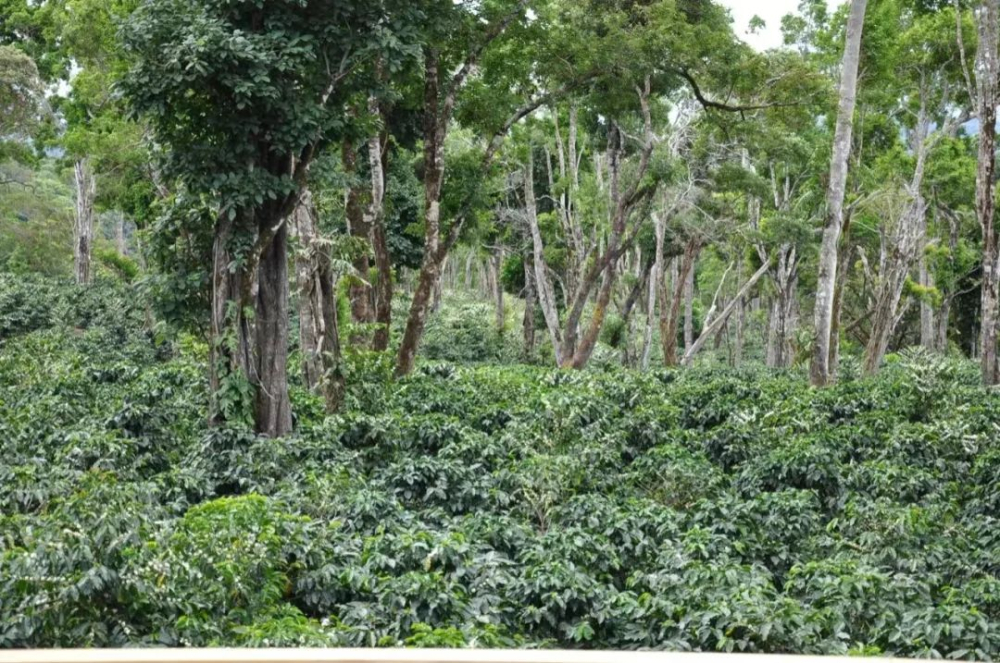
Another key detail ispicking only fully ripe red cherries. Only completely mature red coffee cherries can deliver the fullest sweetness and flavor. Unripe greenish-yellow fruits can introduce astringent off-notes, while overripe purple fruits may produce fermented or rotten aromas. A Dutch green bean merchant launched the “Red Cherry Project” in 2007, which encouraged farmers to carefully select only the reddest cherries by offering higher prices for fully ripe ones, ensuring coffee quality. Today, picking only red cherries has become a basic standard in specialty coffee—though no longer specially labeled, it remains an important prerequisite for stable sweetness.
< >
The degree of roasting determines how sweetness is expressed. Roasting is not just about drying the coffee beans, but also about releasing internal flavor compounds. Generally speaking,medium roasting (close to City to City+)best highlights sweetness. When flavor descriptions include terms like “cantaloupe, grape, caramel,” they typically fall within this range. If you prefer a deeper, richer sweetness, medium-dark roasting (such as Full City) often features characteristics like “cane sugar, maple syrup, chocolate.” Industry roasters suggest that choosing the roast level based on flavor wheel descriptions can effectively predict the type of sweetness you’ll experience.
Pour-over technique is the final key to unlocking sweetness. Even beans with high sweetness potential may have their sweetness hidden if brewed incorrectly. In practice, there are three key points to enhancing sweetness: First,appropriately increasing the water temperature (recommended 90–94°C)helps extract more sweet compounds; second,pulsed pouring (such as three- or four-pour methods)evenly extracts layers of sweetness and acidity, avoiding the overemphasis of a single flavor; finally,moderate stirring of the coffee groundscan boost sweetness release, but care should be taken to avoid over-agitation, which may bring out bitter or off flavors. Mastering these details will make the sweetness in your cup clearer and better balanced.
< >
The above content is compiled by CoffeeHunters, a coffee news website.


