








Introduction:In 2020, Jamaica’s Clifton Estate introduced an innovative sun-dried version of Blue Mountain coffee along with the first-ever planting of the Geisha variety, breaking the traditional single-flavor profile of Blue Mountain coffee. This article provides an in-depth analysis of the origin, processing method, roasting strategy, and actual cupping performance of this batch of Blue Mountain Geisha. It also compares the classic washed Blue Mountain with the new variety, helping you understand how different processing methods affect flavor, and offers practical pour-over parameters and extraction recommendations.
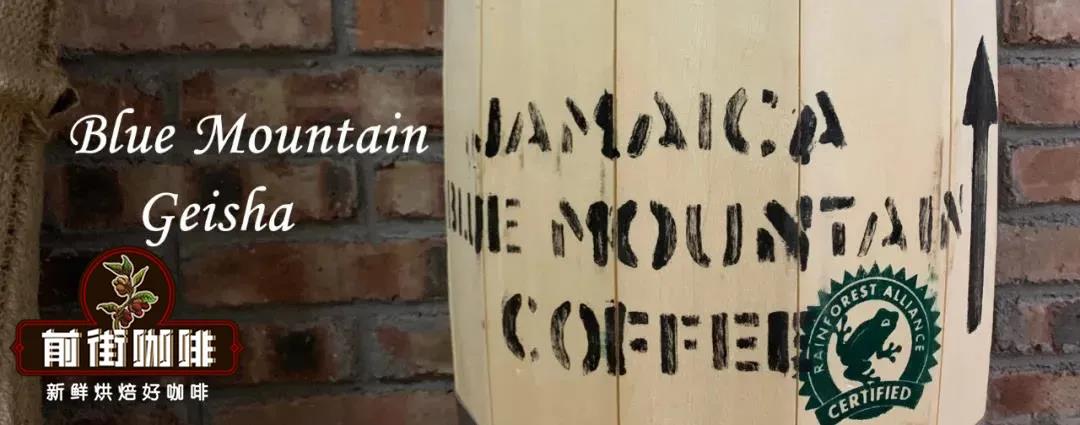
The year 2020 marked a pivotal moment for Jamaican Blue Mountain coffee. Clifton Mount Estate not only launched sun-dried Blue Mountain beans for the first time but also began cultivating the renowned Geisha variety from Panama. This limited-edition wooden barrel-packed Blue Mountain Geisha not only holds Rainforest Alliance certification but also represents a bold departure from tradition in the Blue Mountain region. The industry had the privilege of securing this batch, presenting a comprehensive overview of this unique Blue Mountain flavor—from regional background and varietal characteristics to processing techniques, cupping results, and pour-over brewing advice.
For many years, Jamaican Blue Mountain coffee has been celebrated for its stable, balanced, and full-bodied washed Typica variety. Grown at an average altitude of about 4,300 feet (approximately 1,310 meters), the beans benefit from afternoon cloud cover, moderate sunlight, and mineral-rich volcanic soil—qualities that contribute to Blue Mountain coffee’s signature delicate mouthfeel and low-acid balance. However, with the global specialty coffee market’s increasing demand for lighter roasts and higher flavor complexity, even the traditionally reserved Blue Mountain is beginning to evolve.
As early as 2019, Clifton Estate had already experimented on a small scale with sun-dried Blue Mountain processing, receiving positive feedback. As a result, in 2020, the production of sun-dried Blue Mountain was significantly expanded. Compared to traditional washed processing, sun-drying preserves more fruit sugars, often resulting in a richer sweetness and fruitier profile. In addition, in the same year, Clifton Estate made a bolder move by introducing the Geisha variety and planting it in the high-altitude regions of Blue Mountain. The first batch of Blue Mountain Geisha arrived in China by the end of that year, also exported in limited quantities with precious wooden barrel packaging. The barrels are labeled with Rainforest Alliance certification, highlighting their sustainable and eco-friendly farming philosophy.
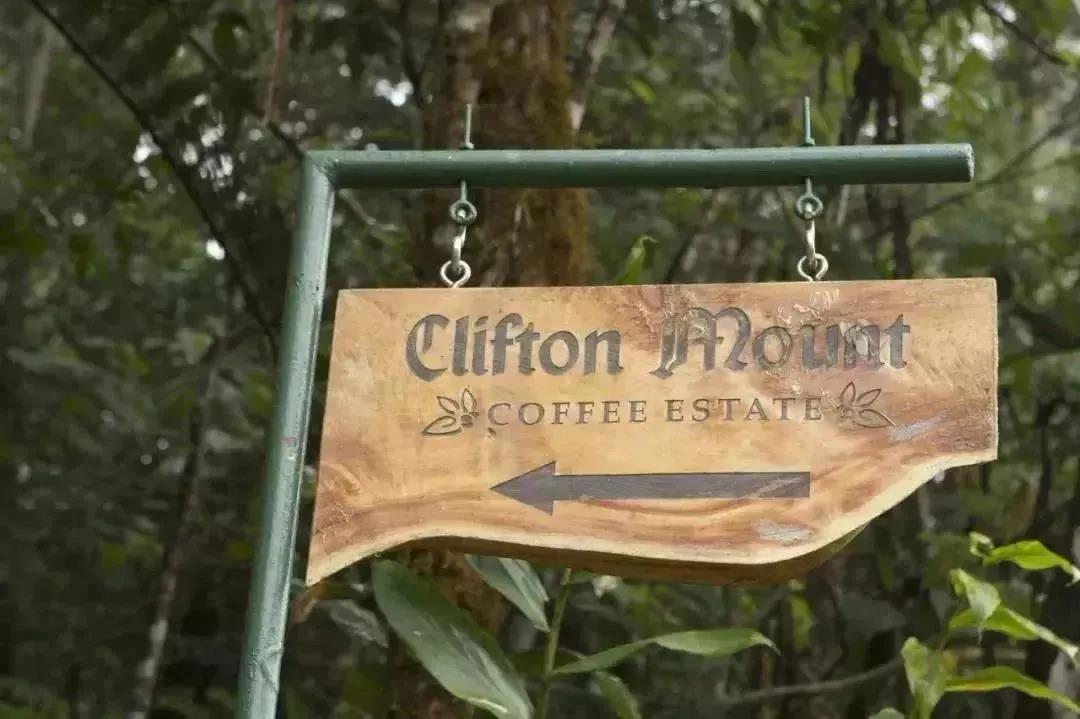
Speaking of Clifton Estate, it is currently the only coffee farm in the Blue Mountain region to have earned Rainforest Alliance certification. This certification not only represents environmentally friendly farming practices—such as using native tree shade—but also requires the farm to balance wildlife conservation and labor welfare during production. The estate’s coffee-growing history dates back to around 1750 in the mid-18th century. The high altitude and unique microclimate provide coffee cherries with a longer maturation period, aiding in the accumulation of flavor compounds.
The Geisha (Geisha) variety originated in Ethiopia’s Gesha Forest, where it was first discovered in 1931. It was subsequently introduced to Kenya, Uganda, Tanzania, and Costa Rica, and did not reach Panama until around 1960. This variety, known for its disease resistance but low yield, was primarily used for breeding research in its early years. It wasn’t until 2004, when rediscovered at Hacienda La Esmeralda, that it gained fame for its exceptional floral and citrus notes in competitions. The Blue Mountain Geisha from Clifton Estate is believed to have been introduced from Panama about four years ago. However, since the average altitude in the Blue Mountain region is only about 1,310 meters—lower than the common 1,500+ meters in Panama—its floral expression is less pronounced, requiring careful attention to detect a hint of subtle jasmine aroma.
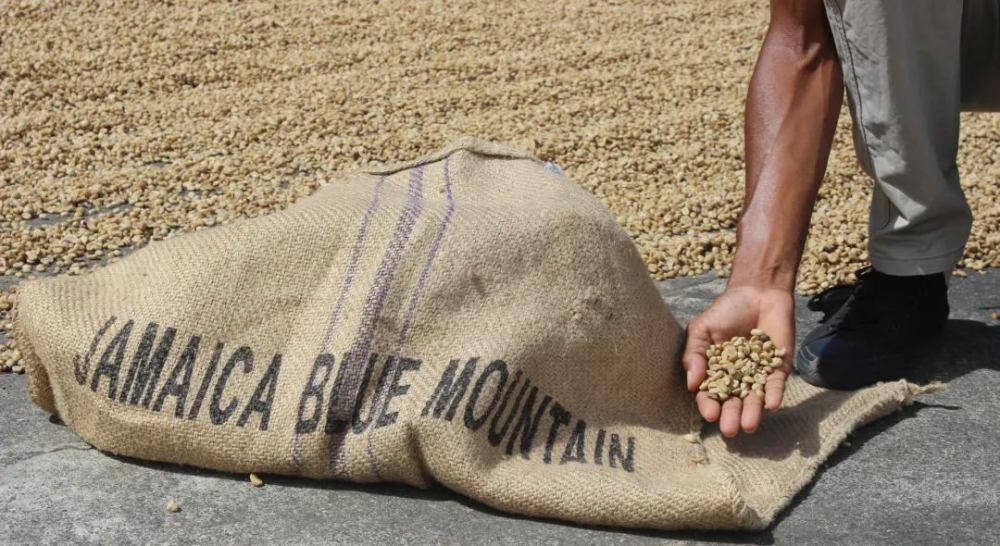
This batch of Blue Mountain Geisha is processed using Jamaica’s conventional washed method. The process includes removing the pulp and skin, followed by a 12 to 18-hour fermentation period. Then, friction between water and beans removes the remaining mucilage until the bean surface becomes smooth. The beans still retain their parchment layer and have a high moisture content of up to 50%. They then undergo a lengthy drying process in shaded conditions until the moisture level drops to 12% to 14%. After drying, the beans are rigorously sorted and stored in temperature- and humidity-controlled warehouses awaiting export. The entire processing procedure is meticulous and time-consuming to ensure the purity and stability of the final flavor.
In terms of roasting, roasters faced a challenge: how to strike a balance between the rich base of Blue Mountain and the bright floral-fruitiness of Geisha? Ultimately, they opted for a medium-light roast to highlight the potential floral and fruity notes of Geisha while retaining the soft undertone of Blue Mountain. The roasting curve is as follows: beans enter the drum at 180°C with an initial flame setting of 130 and a damper setting of 3; the turning point occurs around 1 minute and 32 seconds, with the drum temperature dropping to 97°C, at which point the flame setting is maintained; at 3 minutes, the damper is adjusted to 4, and after 4 minutes, the flame is increased to 140; when the drum temperature reaches 153.5°C, the beans turn yellow and the grassy aroma fades, entering the crucial dehydration phase; around 8 minutes and 36 seconds, the beans show wrinkles and dark spots, with the aroma shifting from baked bread to coffee, at which point the upcoming first crack should be closely monitored; the first crack begins at 9 minutes and 31 seconds, and roasting continues for 1 minute and 28 seconds after first crack, with the beans finally dropped at 192°C.
According to cupping records from the industry, this Blue Mountain Geisha was evaluated within 8 to 24 hours post-roast, using a 200 ml ceramic cupping bowl, with water at 94°C, a grind size passing 70%-75% through a 20-mesh sieve, and a brew ratio of 1:18.18 (11 grams of coffee to 200 ml of water). The total extraction time was controlled within 4 minutes, with concentration falling within the Golden Cup standard range of 1.15%-1.35%. Cupping results showed that the dry fragrance exhibited distinct caramel notes, while the wet aroma released soft floral scents. The flavor profile included a combination of citrus, berries, pomelo, honey, and caramel, presenting an overall refreshing taste with notable complexity.
For actual pour-over brewing recommendations, it is suggested to use 15 grams of coffee, a V60 #01 filter, a brew ratio of 1:15, slightly lower water temperature of 91°C, and a medium-fine grind (approximately 78% passing through a 20-mesh sieve). The steps are as follows: start with a 30-second bloom using 30 grams of water; after blooming, continue pouring 100 grams of water in a circular motion from the center outward, with slow pouring to ensure full extraction; when the water level drops to half, pour the final 95 grams, totaling 225 grams. Wait for the drip to finish, then remove the filter. The total extraction time is about 1 minute and 50 seconds. These parameters help highlight the floral characteristics of Geisha while preserving the rich sweetness and low acidity of Blue Mountain.
In summary, while this Blue Mountain Geisha may not be as bold as Panamanian Geisha, it still delivers a delicate layering and distinctive regional character. Compared to the stable and balanced classic washed Blue Mountain, the sun-dried version presents a more vibrant fruitiness and sweetness. Whether you are a fan of Blue Mountain or an enthusiast eager to explore emerging varieties, this Blue Mountain Geisha is well worth a try—and it showcases the endless possibilities of Jamaican Blue Mountain beyond tradition.
The above content is compiled by CoffeeHunters, a coffee news website.


