








Introduction:Flat White has different Chinese translations around the world, including "馥芮白", "澳瑞白", and "醇艺白". However, this coffee drink originating from Oceania is most distinctly characterized by its thinner milk foam, more restrained milk volume, and more intense flavor. This article delves into the origin debates of Flat White, its core differences from latte and cappuccino, and provides detailed explanations on milk foam thickness, milk ratio, and professional extraction parameters—helping you understand how to brew a well-balanced, high-quality Australian-style white coffee.
Though based on the same foundation of espresso and milk, Flat White often goes by different Chinese names in various regions and brands. For example, Starbucks calls it "馥芮白", Luckin Coffee dubs it "澳瑞白", while Costa Coffee refers to it as "醇艺白". Despite the varied terminology, this coffee from Oceania has a very distinctive profile: less milk, thinner foam, and an overall more concentrated and intense flavor. This article will break down how to make a good Flat White step by step—from its origin background, regional preparation styles, specific differences from other popular milk coffees like latte and cappuccino, to professional-grade milk foam thickness and extraction parameters.
Regarding the birthplace of Flat White, there have always been two claims: one camp believes it originated in Melbourne, Australia, while the other insists the drink actually comes from New Zealand. Regardless of whether it's Australia or New Zealand, Flat White is an extremely popular classic beverage in local cafés. However, to this day, there is no globally unified standard method for making it. That said, most professional baristas agree that the most notable characteristics of Flat White are: compared to regular milk coffee, it uses less milk, thinner foam, and showcases a more intense coffee flavor.
In practice, the Flat White available on the market can be roughly divided into two mainstream preparation methods. New Zealand baristas typically opt for a base of double ristretto (Double Ristretto) to emphasize the body and layering of the coffee, while the Australian version more commonly uses a single shot of espresso (Single Espresso), paired with relatively thicker milk foam to create a softer mouthfeel. Which method is chosen largely depends on the characteristics of the coffee beans used by the shop and the flavor profile they wish to highlight. For instance, if using a fruit-forward blended bean, many shops prefer using double ristretto to fully showcase the coffee’s bold personality.

When comparing Flat White with the common latte and cappuccino, the most obvious differences lie in the combination of milk foam thickness and milk ratio. The "Flat" in Flat White’s English name implies “flat”, meaning the final product’s surface must be very level, with no noticeable rise in the milk foam layer. Among the three popular milk coffees, cappuccino has the thickest foam layer, generally ranging between 1–2 centimeters; Flat White has the thinnest foam, at about only 0.3–0.5 centimeters; while latte typically forms a slight rise of about 0.5–0.7 centimeters in foam, but still must be slightly thicker than Flat White. Some shops, to allow customers to better perceive the coffee crema, may even choose not to froth the milk at all, pouring heated milk directly in—but such a method does not belong to the traditional standard process of Flat White.
To maintain what is referred to as the "flat" characteristic of Flat White, most professional baristas control the milk foam to an extremely thin thickness of around 0.3 centimeters, allowing the overall liquid surface to align with the rim of the cup. This is also one of the reasons why it is sometimes called "flat white coffee". Moreover, in terms of the milk-to-espresso ratio, Flat White, which pursues an intense flavor, usually uses less milk than a latte. For example, if prepared according to the standard milk ratio of a latte, the overall flavor may lean towards “coffee-flavored milk”, losing the concentrated expression that Flat White should have. Using a standard 180 ml ceramic cup as an example, professional shops typically use two ristrettos (totaling about 30 grams of coffee liquid), paired with 150 grams of hot milk, to achieve a rich yet balanced final cup.
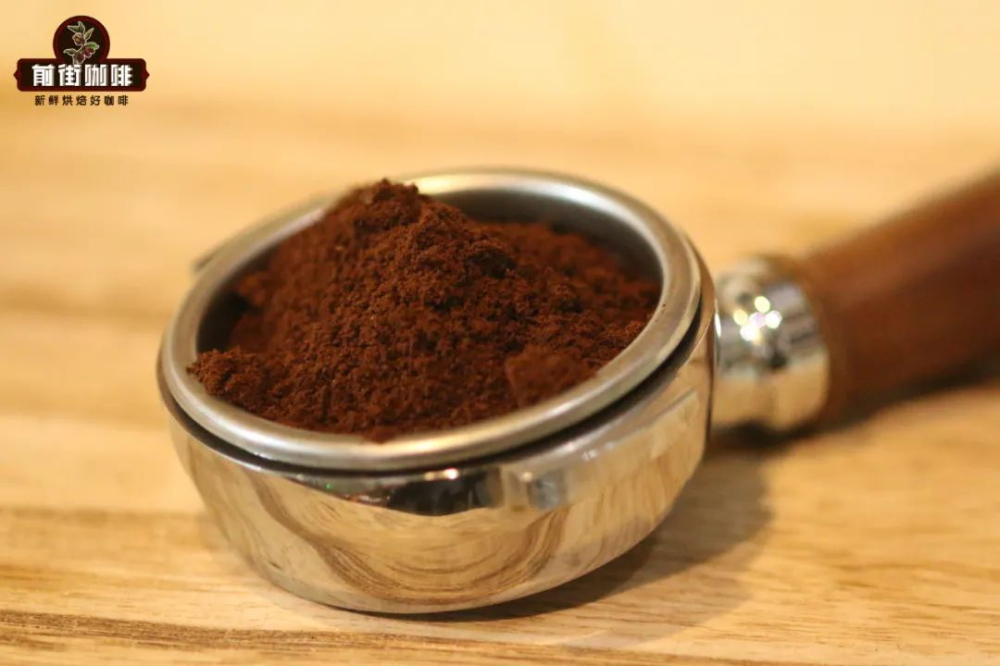
To brew a Flat White with outstanding flavor, the extraction process is crucial. Many professional cafés choose to use a double ristretto (Double Ristretto) as the base. For extraction, it is recommended to use 20 grams of coffee grounds, aiming to extract 30 grams of coffee liquid, with an extraction time controlled between 22–24 seconds. However, these parameters are not set in stone; adjustments may be needed based on the flavor characteristics of the coffee beans used on the day. For example, if the coffee beans have a brighter acidity, a slightly longer extraction time might be required to achieve a rounder mouthfeel.
After extraction, it is recommended to first pour the coffee liquid into a preheated cup, then prepare 150 milliliters of milk for frothing. Compared to latte, Flat White requires less air intake when frothing the milk, aiming for a thinner and denser milk foam layer. The ideal temperature range is 55–60 degrees Celsius, which usually provides the most comfortable drinking experience. Due to the extremely thin foam, after pouring into the coffee, the overall liquid surface is almost flush with the cup rim—this is also the main reason it is visually referred to as "flat white".
The final presentation of a Flat White, when made with blended beans that offer notes of whiskey-like aroma, vanilla, cream, and berry acidity, can showcase a complex flavor profile akin to chocolate milk or even liqueur-filled chocolate when combined with milk. Upon tasting, it is not only smooth and velvety, but the aftertaste is also long-lasting and layered, making it an excellent milk coffee choice for savoring.

The above content is compiled by CoffeeHunters, a coffee news website.


