







Introduction:In recent years, SOE (Single Origin Espresso) has gradually become a hot topic in the specialty coffee community, with many coffee enthusiasts curious about how it differs from traditional espresso blends and single-origin pour over brews. This article delves into the differences among the three in terms of flavor profiles, roasting methods, and extraction parameters, and provides practical brewing suggestions and flavor descriptions based on real examples to help you better understand how to brew consistently excellent coffee at home.
With the rise of the specialty coffee trend, SOE (Single Origin Espresso) has become a focal point for many coffee lovers. However, many still wonder how it differs from pour over single-origin coffee and traditional espresso blends. This article will comprehensively analyze the differences among the three—from definition and roasting, to flavor stability and actual extraction parameters—and offer practical brewing advice and flavor analysis using specific beans as examples, so you can brew your ideal cup at home.
 The rise of specialty coffee has brought SOE into the spotlight, but many cafés do not list it as a regular option because its flavor can be influenced by multiple factors such as harvest season, microclimate of the origin, and roast level, leading to variations in each cup. In contrast, blends and pour over single-origin coffees tend to offer better flavor consistency and stability, making them the daily go-to choice for many coffee enthusiasts.
What is single-origin coffee?
As the name suggests, single-origin coffee refers to coffee beans sourced from a single origin, such as Ethiopia’s Yirgacheffe or Sidamo Hambela, or beans from regions like Colombia or Brazil. These types of coffee often emphasize the unique flavor characteristics of their origin—for example, African beans are known for their bright acidity and fruity notes, Asian beans tend to showcase body and herbal tones, while Central and South American beans often feature flavors like nuts and chocolate. Single-origin coffee is typically brewed using the pour over method, which can more accurately highlight its regional terroir.

What is SOE? How is it different from single-origin coffee?
The full name of SOE is Single Origin Espresso, meaning “espresso beans from a single origin.” Although the name is similar to single-origin coffee, SOE is specifically roasted for use in espresso machines, aiming to deliver intense and concentrated flavors under high-pressure extraction. Compared to pour over single-origin coffee, SOE often exhibits more prominent acidity and fruity notes, but is also more prone to flavor fluctuations due to variable factors.
For example, beans with bright acidity like Yirgacheffe may have their acidity amplified when made into espresso, potentially causing discomfort for some drinkers. Therefore, although SOE offers intense flavors, it is also more sensitive and requires more precise control over roasting and extraction. This is why many cafés opt for more stable blends as the base for their espresso offerings.
Characteristics and advantages of espresso blends
Espresso blends are made by combining two or more coffee beans from different origins in specific proportions. Originally developed in Italy, their primary purpose is to balance the flavor profile during high-pressure espresso extraction while also considering cost and flavor consistency. By blending beans with different flavor profiles—such as those with prominent aromas and those with rich body—blends can create a more balanced and layered coffee experience.
Blends are commonly used to make milk-based drinks like lattes and cappuccinos, not only showcasing the coffee’s rich body but also achieving good harmony with milk. Additionally, the flavor of blends tends to be more consistent, making them suitable for daily consumption and a classic choice for many cafés.
Things to note when brewing SOE at home
Many people mistakenly assume that SOE is simply single-origin beans used in an espresso machine, often resulting in issues such as uneven extraction, overly sharp acidity, or unstable flow rate. In fact, not all single-origin beans are suitable for use as SOE—the key lies in the roast level and bean characteristics. SOE beans suitable for espresso typically need to have higher density and moderate sweetness to deliver balanced flavors under high pressure.
For instance, a certain brand’s natural-processed Hambela SOE is roasted specifically to meet the needs of espresso extraction, making it suitable for making espresso, Americano, or milk-based drinks. Choosing the right roast level and bean variety is the first step to successfully brewing SOE at home.
Actual extraction parameters and flavor profiles
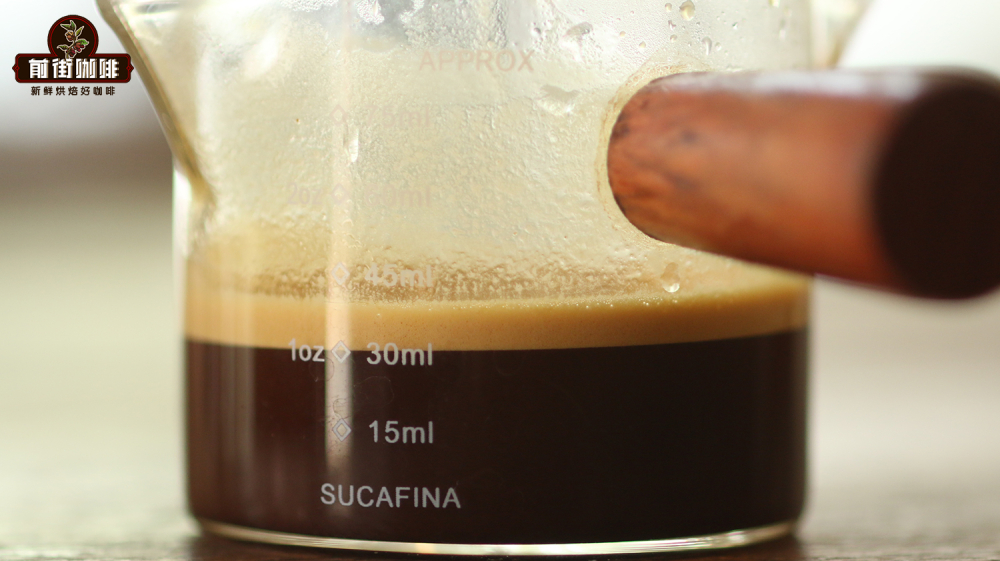
Below are the actual extraction parameters and flavor descriptions of two bean varieties for readers’ reference:
A certain brand’s natural-processed Hambela SOE coffee beans (suitable for espresso)
- Coffee dose: 20 grams
- Yield: 40 grams
- Extraction time: 27 seconds
Flavor description: Prominent citrus, berry, and fermentation aromas; thick mouthfeel; medium-high and bright acidity; medium bitterness; overall lively and layered.
A certain brand’s classic espresso blend coffee beans
- Coffee dose: 20 grams
- Yield: 40 grams
- Extraction time: 30 seconds
Flavor description: Smooth mouthfeel, rich crema, with aromas of dark chocolate, butter, toasted bread, and cookies; sweet and lingering aftertaste; suitable for making lattes or cappuccinos.
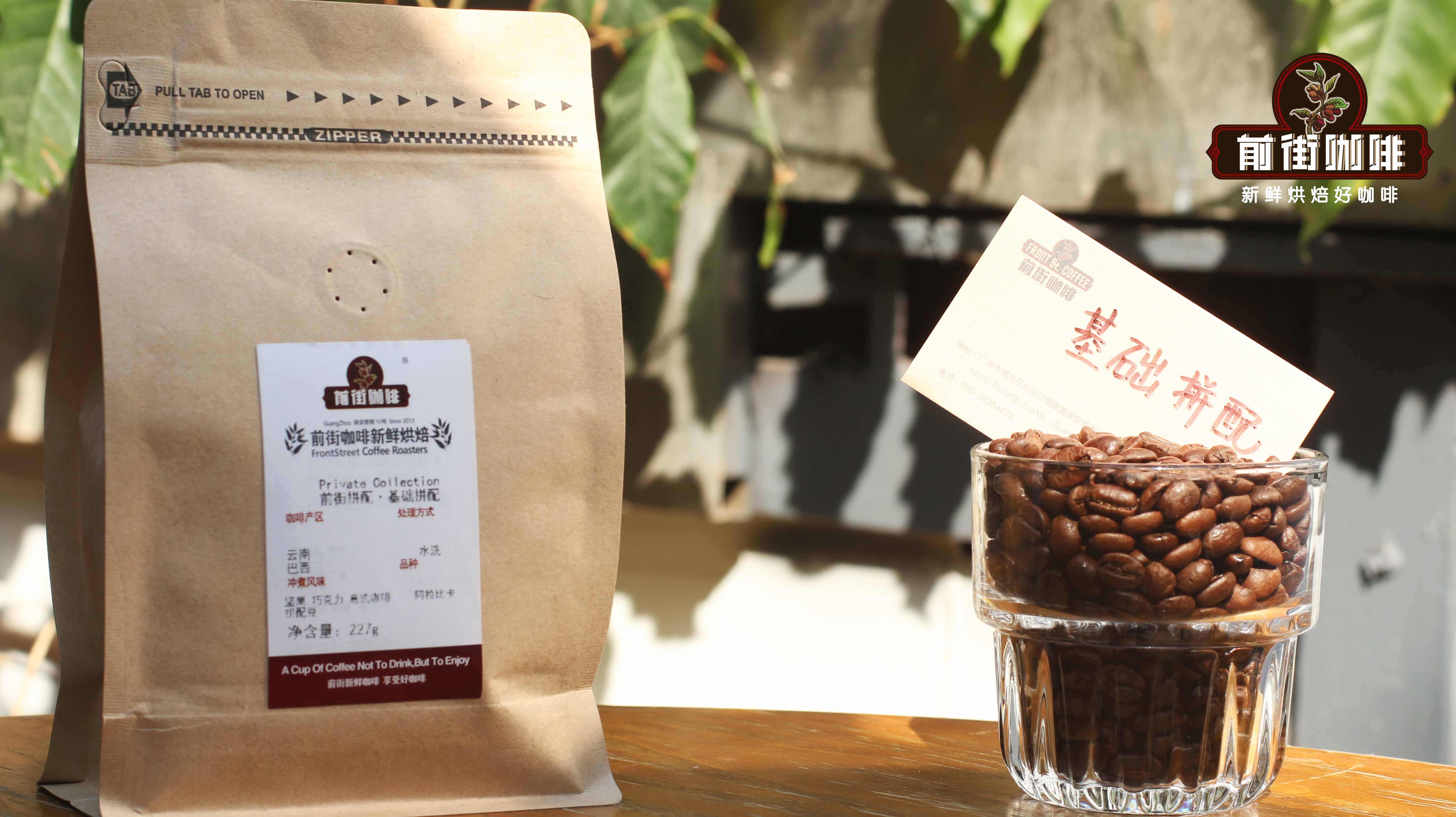
In summary, SOE, espresso blends, and pour over single-origin coffee each have their own unique features and suitable scenarios. SOE is ideal for coffee lovers who seek the flavors of a single origin and are open to some variation; espresso blends excel in stability and balance, making them the best match for milk-based drinks; while pour over single-origin coffee can fully express the terroir of the coffee, perfect for savoring slowly. Understanding their differences and extraction essentials will help guide your bean selection and brewing process, allowing you to enjoy a richer coffee experience.
The above content is compiled by CoffeeHunters, a coffee news website.


