








Introduction:Decaf coffee is an ideal choice for many coffee lovers who are sensitive to caffeine. This article delves into the historical background of decaf coffee, the principles behind mainstream decaffeination technologies—including chemical solvent methods, Swiss Water Process, mountain water process, and supercritical carbon dioxide extraction—and analyzes their impact on antioxidant compounds and nutritional elements. It also explores common reasons why decaf coffee may lack flavor and how choosing high-quality green beans can enhance overall quality.
The aroma and layered complexity of coffee are always fascinating, yet for some individuals, caffeine can cause discomfort such as insomnia or palpitations, making people both love and fear coffee. The emergence of decaf coffee perfectly meets the needs of this group of consumers who wish to enjoy coffee flavors while reducing the burden on their bodies. This article will start with the historical background of decaf coffee, provide a detailed analysis of various common decaffeination processes—including chemical solvent extraction, Swiss Water Process, mountain water process, and supercritical carbon dioxide extraction—and discuss the performance of decaf coffee in terms of antioxidants and nutritional components to help readers make more informed choices.
First, we need to understand that although coffee is beneficial, it should not be consumed excessively. Moderate caffeine intake can help boost alertness and relieve fatigue, but excessive consumption can easily lead to physical discomfort. For this reason, decaf coffee has become an ideal alternative for many who prefer black coffee but are sensitive to caffeine. By removing most of the caffeine while preserving as much of the original flavor as possible, decaf coffee has gradually gained more attention in the market and has given rise to a variety of product options.
When it comes to the origins of decaf coffee, one cannot overlook an interesting historical anecdote. In the 19th century, the famous German literary figure Johann Wolfgang von Goethe, due to his long-term habit of drinking large amounts of coffee, found himself unable to sleep at night. Suspecting caffeine was the culprit, he sought the help of his chemist friend Friedlieb Ferdinand Runge. In 1898, Runge successfully isolated caffeine from coffee beans, solving the mystery of Goethe’s insomnia. Since then, the scientific community has invested significant effort into researching how to effectively remove caffeine without compromising other beneficial components of coffee. In 1903, businessman Ludwig Roselius first brought decaf coffee to the market, and subsequent related technologies have been continuously improved, leading to the development of several mature processes today.
However, producing decaf coffee comes with challenges. The decaffeination process must be carried out at the green bean stage, and during roasting, aromatic compounds are prone to loss, thus requiring relatively high technical standards and quality raw materials. So, how exactly are decaf coffee beans “decaffeinated”? The following sections will introduce several mainstream decaffeination technologies.
I. Chemical Solvent Extraction Method (Traditional Method)
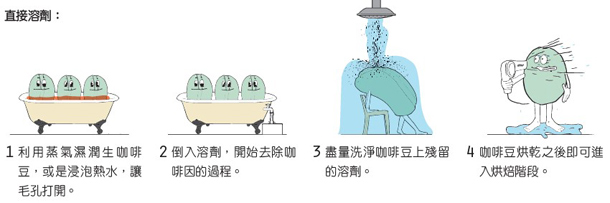
This is the most traditional method of decaffeination and can be divided into direct and indirect methods. The direct method uses solvents such as dichloromethane or ethyl acetate. First, steam is used to open the pores of the green beans, then the solvent is introduced to bind with the caffeine, which is subsequently rinsed away, and finally, the remaining solvent is removed through reheating. Although dichloromethane was once suspected of being potentially carcinogenic, according to FDA regulations, its residual limit is set at 0.001%, and actual values are usually far below this, making its safety relatively manageable. If ethyl acetate is used, it is often extracted from sugarcane, and this method is also referred to as the sugarcane decaf method, commonly seen in regions like Colombia. However, ethyl acetate is flammable, so extra care is needed during operation.
The indirect method does not allow the green beans to come into direct contact with the solvent, but this approach is currently less commonly used in commercial production.
II. Swiss Water Process
Introduced in the 1980s and commercialized thereafter, this method is characterized by the complete absence of chemical solvents. The process involves soaking green beans in hot water to extract some caffeine and flavor compounds, then using activated carbon to filter out the caffeine, and finally returning the filtered liquid to the beans to further adsorb residual caffeine. This method achieves a caffeine removal rate of99.9%, and the filtrate can be reused, although some flavor may still be lost during the filtration process.
III. Mountain Water Process
Similar to the Swiss Water Process, but utilizes special glacial water for treatment. According to Descamex, they use a special filtration device to separate caffeine from water-soluble solids, while also preserving some flavor compounds and allowing for the reuse of the processing solution.
IV. Supercritical Carbon Dioxide Extraction Method
This method utilizes carbon dioxide under high-pressure conditions (exceeding 100 atmospheres), which is highly selective for caffeine, precisely extracting caffeine without affecting flavor components such as carbohydrates and proteins. The processed carbon dioxide can also be recycled, posing minimal burden on the human body, though the cost is relatively higher. Studies also show that this method can extract more caffeine than direct solvent methods.
Beyond the decaffeination process, the nutritional value of decaf coffee is also worth noting. Although caffeine is one of the primary sources of antioxidants in Western diets, decaf coffee still retains a considerable proportion of antioxidants, such as hydroxycinnamic acids and polyphenols, which help combat free radicals and may reduce the risk of chronic diseases like heart disease, cancer, and diabetes. Additionally, a cup of decaf coffee can provide2.4% of the recommended daily intake of magnesium, 4.8% of potassium, and 2.5% of niacin (vitamin B3). Drinking 2 to 3 cups per day can accumulate significant nutritional benefits.
However, many consumers report that decaf coffee “doesn’t taste good,” which is often related to the choice of raw materials. Many decaf coffee products, in order to reduce costs, use lower-grade commercial beans, often Robusta varieties, which already have relatively bland flavors even before decaffeination. In fact, as long as high-quality Arabica beans are selected, even after decaffeination, they can still deliver a satisfying flavor profile.
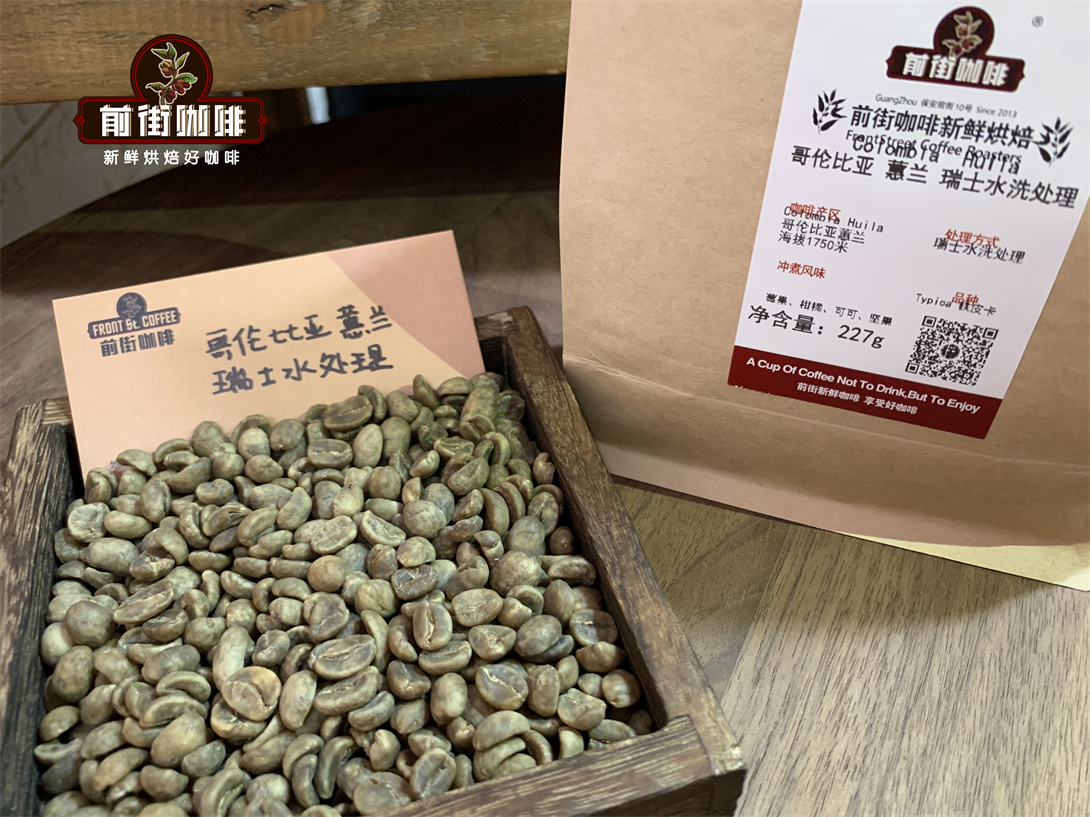
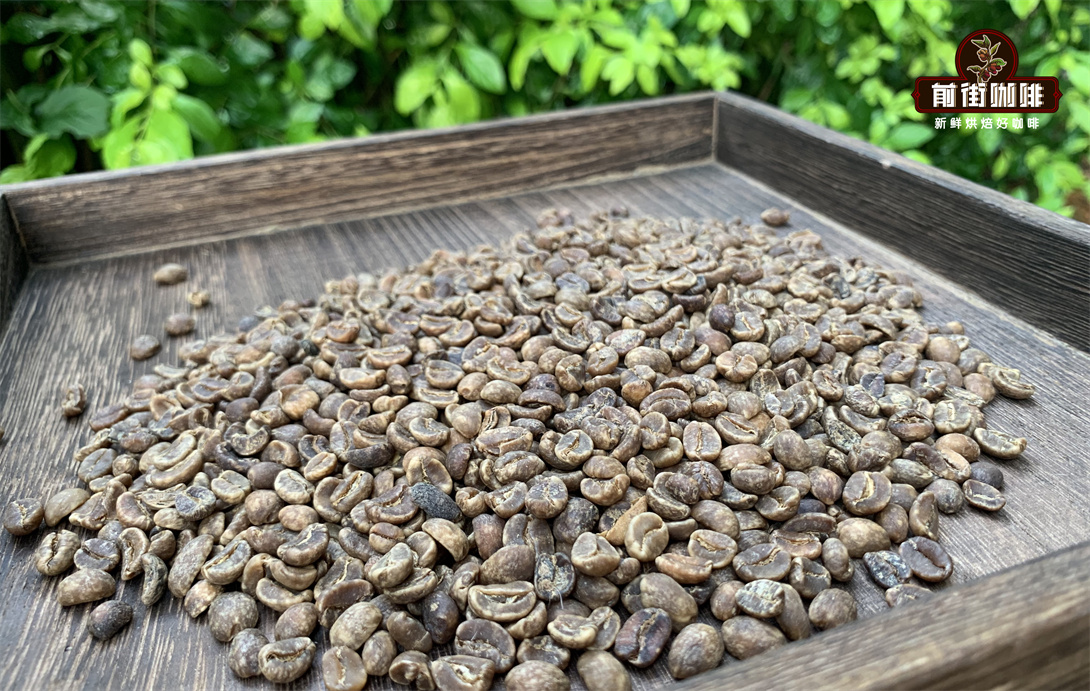
As a practical example, a decaf coffee bean from the Huila region of Colombia, processed using the Swiss Water Process, achieves a caffeine removal rate of99.9%, striking a good balance between flavor and health. The decaffeinated green beans usually appear dark green in color, and the roasted beans often develop a slightly oily surface a few days after roasting. This is related to changes in the fiber structure of the beans during the decaffeination process, particularly noticeable during medium to dark roasts, where oil release becomes more prominent.
The above content is compiled by CoffeeHunters, a coffee news website.


