







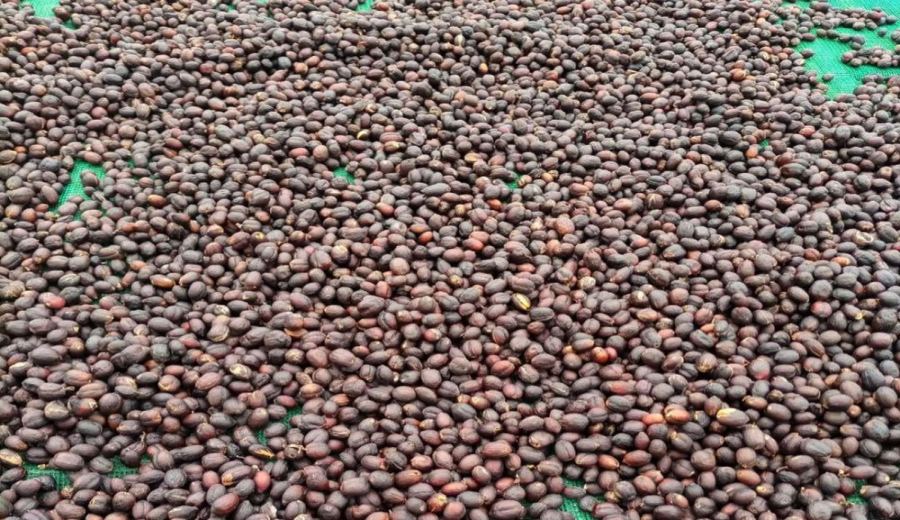
Introduction:Want to understand the unique charm of Ethiopian Geisha coffee beans? This article delves into the brewing characteristics of a certain coffee brand’s Ethiopian Gerena Estate Geisha, from the floral and fruity aromas brought out by high-altitude sun-drying and its soft caramel flavors, to its suitability for various brewing methods such as pour over, cold brew, and smart dripper. It also compares the flavor differences with Panama’s Finca Esmeralda. Whether you’re a beginner or an advanced coffee enthusiast, you’ll find professional brewing advice and flavor evaluations here.
Ethiopia is known as the birthplace of coffee and the origin of the famous Geisha variety. However, unlike countries in the Americas such as Panama, Ethiopia’s coffee industry is predominantly made up of smallholder farmers, with a wide variety of beans, many of which are exported under the name “heirloom.” This makes identifying genuine Geisha more challenging. This article will focus on the Geisha coffee beans produced by a certain coffee brand’s Ethiopian Gerena Estate, taking you deep into the captivating floral and fruity aromas nurtured by high-altitude sun-drying, along with its soft caramel sweetness. It also explores its diverse applications beyond pour over, including cold brew, smart dripper, and even the potential of single-origin Geisha (SOE) extraction.
If you want to explore the original profile of Ethiopian Geisha, a certain coffee brand’s Ethiopian Gerena Estate Geisha is a highly worthwhile bean to try. Blessed by both high-altitude growing conditions and careful sun-drying processing, this coffee showcases a layered aroma, especially rich in floral and fruity notes, paired with just the right touch of caramel sweetness, making the overall flavor both refreshing and full-bodied. In addition to traditional pour over, it is also suitable for cold brew, smart dripper, and other filtration brewing methods, and can even take center stage as a single-origin Geisha (SOE), showcasing a purer personality.
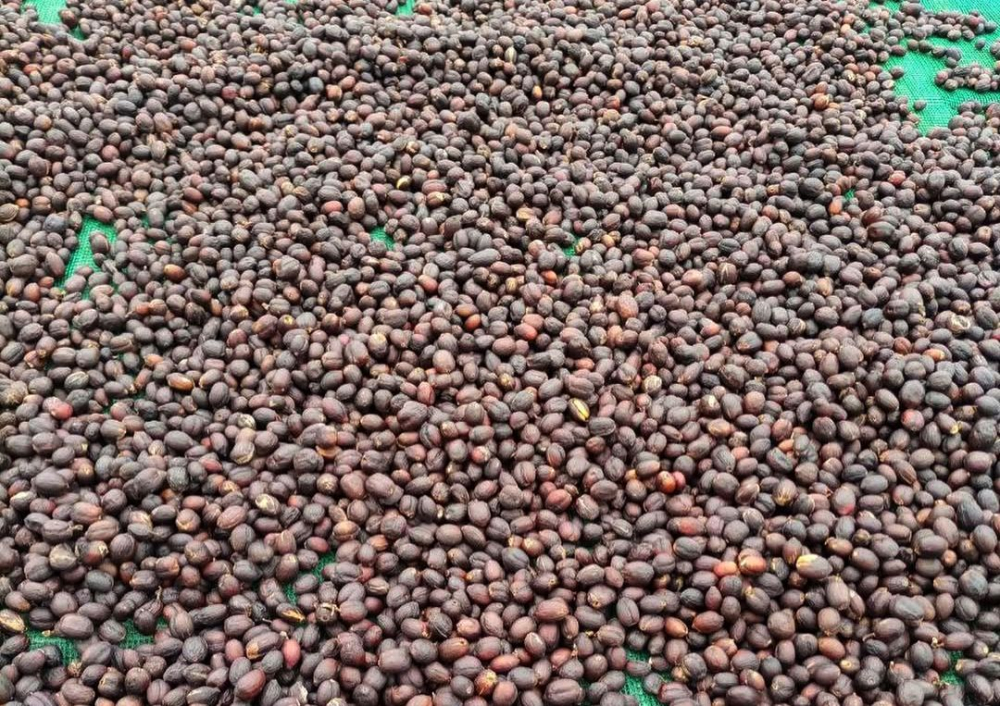
When talking about Geisha, one cannot ignore the Geisha Village Estate. This project, initiated by Adam and Rachel in 2008, took three years of searching before finding the most suitable environment for coffee cultivation at altitudes between 1900 and 2100 meters above sea level. The area boasts a tropical rainforest climate, fertile forest soil, and is surrounded by ancient native forests, forming an almost perfect ecosystem. With the assistance of Mr. William, the promoter of the Geisha variety and hailed as the “Godfather of Geisha,” the coffee produced by Geisha Village has not only repeatedly stood out in international competitions but also established its status in the specialty coffee world.
Unlike most Ethiopian coffee farms operated by smallholders, the Geisha Village Estate is actually a large-scale farm covering more than 400 hectares, equipped with its own washed processing plant and professional laboratory. It is located in the southwestern part of Ethiopia, near the Sudanese border. The estate has intentionally divided its planting areas into eight blocks, focusing on cultivating three different Geisha varieties, with genetic sources coming from a native coffee forest just 20 kilometers away from the estate—also the birthplace of Panama’s Geisha variety. This ensures a very high level of purity in both genetics and flavor.
To ensure product quality, Geisha Village has implemented a rigorous grading system. Based on cupping performance and yield among other metrics, the coffee is divided into five grades: Auction Grade, Gold Label, Red Label, Green Label, and Chaka Lot. Among these, the Red Label batch of Geisha Village introduced by a certain coffee brand, although slightly less intense and layered in flavor compared to the top-tier Gold Label, still maintains clear and traceable origin information, showcasing the typical aromatic characteristics of Geisha Village. It’s an excellent choice for coffee lovers seeking value for money.
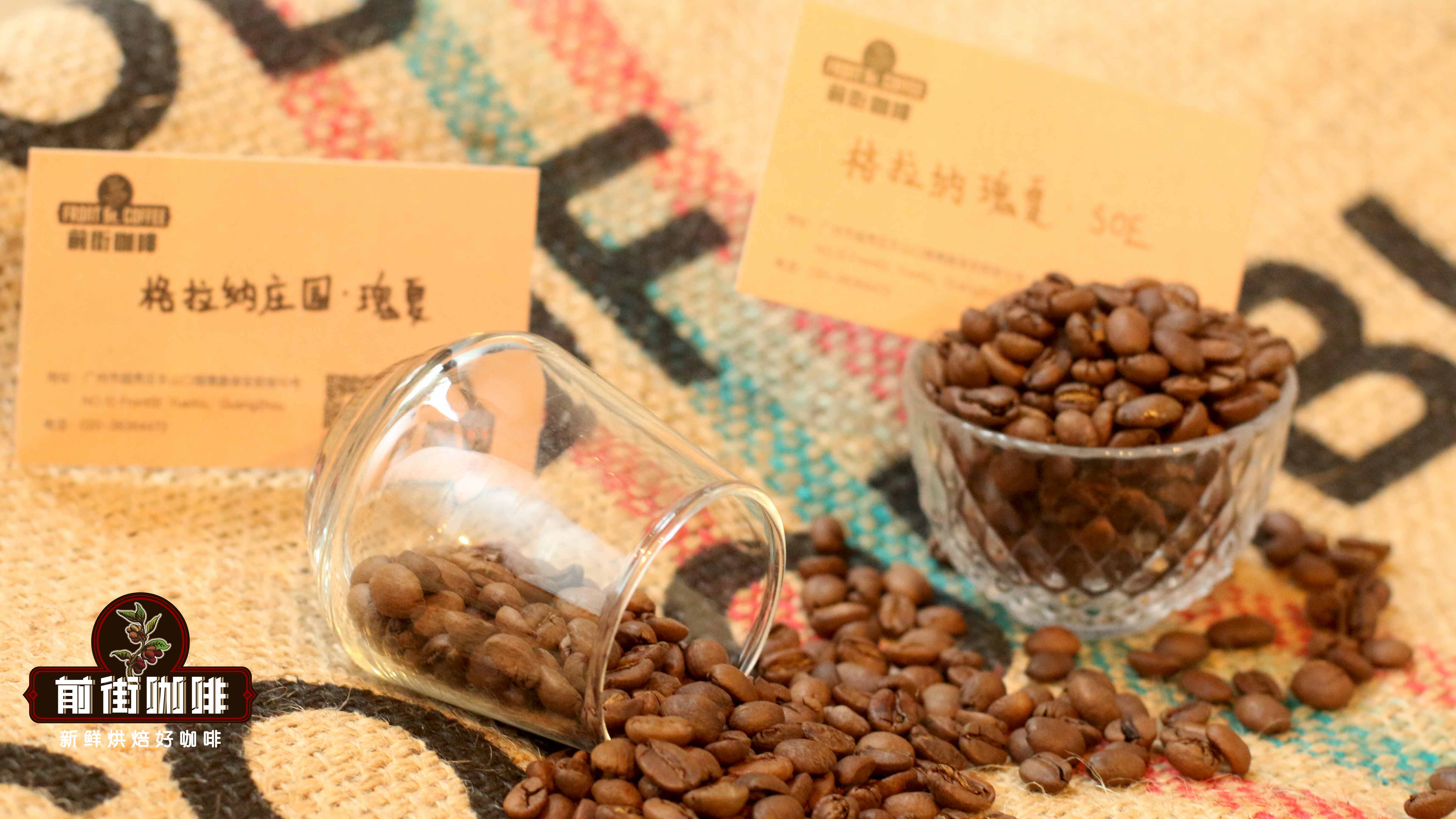
Comparing the coffee from a certain coffee brand’s Geisha Village Estate with another renowned producing region—Panama’s Finca Esmeralda—it’s clear that there are distinct flavor differences. Panama’s Finca Esmeralda washed Geisha typically presents elegant floral notes, tea-like qualities, and almond tones with nutty undertones; whereas its sun-dried version focuses mainly on intense fruit aromas, occasionally accompanied by subtle floral notes, and as the temperature drops, it more easily releases aromas reminiscent of ginger lily and citrus. In contrast, a certain coffee brand’s Geisha Village Gold Label is characterized by yellow stone fruits (such as yellow peaches) as the primary flavor base, with pronounced and rich sweetness. Some outstanding batches can even exhibit a strong sweet profile similar to toffee.
Given the characteristics of Geisha coffee beans, it is recommended to use a light roast to fully showcase their delicate aromas and acidity. Light roasting not only helps preserve the unique floral and fruity profiles of Geisha but also allows the beans’ individual traits to stand out more prominently. On the contrary, over-roasting can easily mask its intricate floral notes and bright fruit acidity, affecting the overall balance of flavors. Of course, the actual degree of roasting still depends on the condition of the beans, seasonal variations, and the roaster’s interpretation style, but using light roast as the base and making fine adjustments is usually the best starting point for unlocking the potential of Geisha.
In summary, Ethiopian Geisha coffee beans, especially high-quality options from Gerena Estate or Geisha Village, demonstrate exceptional diversity and drinking value in terms of aroma expression, flavor layers, and suitable brewing methods. Whether you prefer the precise control of pour over or want to try the refreshing variation of cold brew, you can find your own unique coffee experience in this Geisha from the birthplace of coffee.
The above content is compiled by CoffeeHunters, a coffee news website.


