







Introduction:Pour over coffee may seem simple, but it involves numerous variables, and even slight missteps can affect the final flavor. This article delves into the six core elements that influence pour over extraction: water temperature, coffee-to-water ratio, grind size, pouring technique, time, and water quality. It helps readers understand the practical role of each parameter, identify key factors affecting flavor, and make precise adjustments during extraction to enhance coffee quality.
Many friends who enjoy pour over coffee often encounter a common frustration in practice: they follow the brewing steps exactly, yet the resulting flavors vary greatly each time—sometimes aromatic and captivating, other times dull or even noticeably bitter and astringent. In fact, pour over coffee is influenced by many variables, including water temperature, coffee-to-water ratio, grind coarseness, pouring method, extraction time, and even water quality, all of which can lead to significant differences in the final cup. This article will thoroughly analyze these six key factors to help readers more scientifically understand their impact on coffee flavor and quickly pinpoint issues when problems arise, enabling appropriate adjustments.
 Even after reading pour over tutorials, many readers still have questions about certain steps, especially the interplay and effects of various parameters. One reader once asked: Among so many variables, which one truly determines whether the coffee flavor turns out good or bad? They found that even when carefully following the recommended steps each time, the final coffee taste was often hard to control, and they even began to suspect that some important details might have been overlooked. Taking this opportunity, we will break down these parameters one by one to help you clarify which factors are most critical and learn how to adjust based on different situations.
One of the most fascinating aspects of pour over coffee is its variability. Slight adjustments to any variable can lead to vastly different flavor profiles. Some claims may sound mystical—for example, "you must cut off the tail, otherwise it will turn bitter" or "the coffee grounds must puff up during blooming." But when we delve into the scientific principles behind them, these practices actually have their logic. Extraction is essentially about, under controlled conditions of water temperature, grind size, and time, using water to draw out the desirable substances from the coffee grounds while avoiding the negative flavors caused by over-extraction. Therefore, to brew a balanced and layered cup of coffee, you need to master the following six elements: water temperature, coffee-to-water ratio, grind size, pouring technique, time, and water quality. The first four are particularly important; time is usually influenced by the first three, and water quality can be referred to in other specialized resources. This article will focus on analyzing the first four key parameters.
 Water Temperature: The Regulator of Extraction
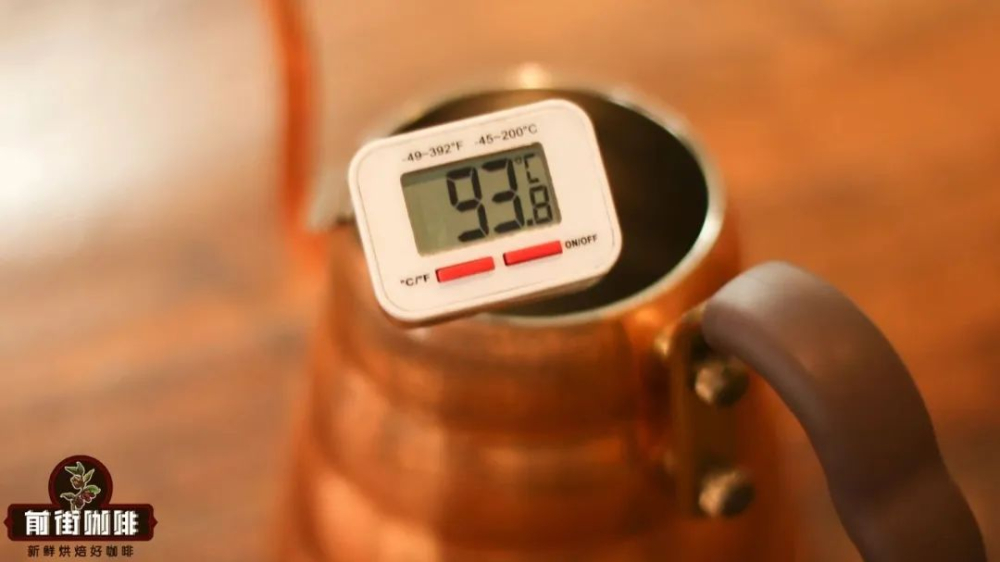
Many people believe that water temperature is the most crucial factor in pour over coffee, but it’s more like a “regulating tool.” The level of water temperature affects the rate at which soluble substances are released from the coffee—higher temperatures lead to faster extraction but also risk releasing too many bitter compounds. Generally speaking,86–93°C is the suitable water temperature range for most coffee beans. For medium to light roasts, which are more resilient to extraction, you can choose 91–93°C; whereas for dark roasts, which are easier to extract, it is recommended to use 86–89°C. If your coffee tastes unbalanced with acidity and bitterness,90°C is a safe choice that rarely goes wrong.
However, many coffee enthusiasts mistakenly believe that minor differences in water temperature have a huge impact—for example, lowering it by 1°C or 2°C can significantly improve flavor. In reality, unless the temperature clearly deviates from the recommended range, differences like between 91°C and 93°C often have minimal effect on flavor. One reader reported that brewing a certain coffee bean at 91°C resulted in poor flavor; after adjusting the temperature lower with no improvement, they eventually discovered the issue was an overly fine grind. Therefore, if you notice unusual extraction results, consider checking other parameters before fixating solely on water temperature.
 Coffee-to-Water Ratio: Balancing Concentration and Extraction Rate
The coffee-to-water ratio refers to the proportion of coffee grounds to hot water, with the common standard being 1:15—that is, 15 grams of coffee grounds to 250 grams of water. This ratio strikes a balance between concentration and extraction rate, suiting the taste preferences of most coffee drinkers. If you find the coffee flavor too intense, you can adjust to 1:16 or 1:17 by increasing the water amount to achieve a lighter mouthfeel and extend the aftertaste. However, if the coffee's concentration is already moderate but the aroma is lacking, it’s not advisable to easily adjust the ratio, as this could risk under-extraction or over-extraction. Grind Size: A Key Factor Influencing Extraction Efficiency
Grind size is arguably one of the most challenging yet crucial variables in pour over coffee. No matter the brewing method, the coarseness and uniformity of the grind directly affect how efficiently water interacts with the coffee grounds. The ideal grind should be of moderate coarseness with uniform particle size to ensure even extraction. If the grind is too fine, coffee grounds tend to clump, slowing water flow, prolonging extraction time, and potentially extracting excessive bitter compounds. Conversely, if the grind is too coarse, it may lead to under-extraction and a flat flavor. Beginners are advised not only to adjust their grinder settings but also to pay attention to the grinder’s own output quality to avoid producing too many fine particles that can negatively affect taste.
How can you tell if the grind size is appropriate? Observe the extraction time and flavor profile. If the brew time is shorter than 1 minute 40 seconds and the coffee tastes sour or astringent with little complexity, the grind may be too coarse. If the time exceeds 2 minutes 20 seconds and the coffee has noticeable bitterness and heaviness, the grind may be too fine. Using these clues, you can gradually adjust to the optimal state.
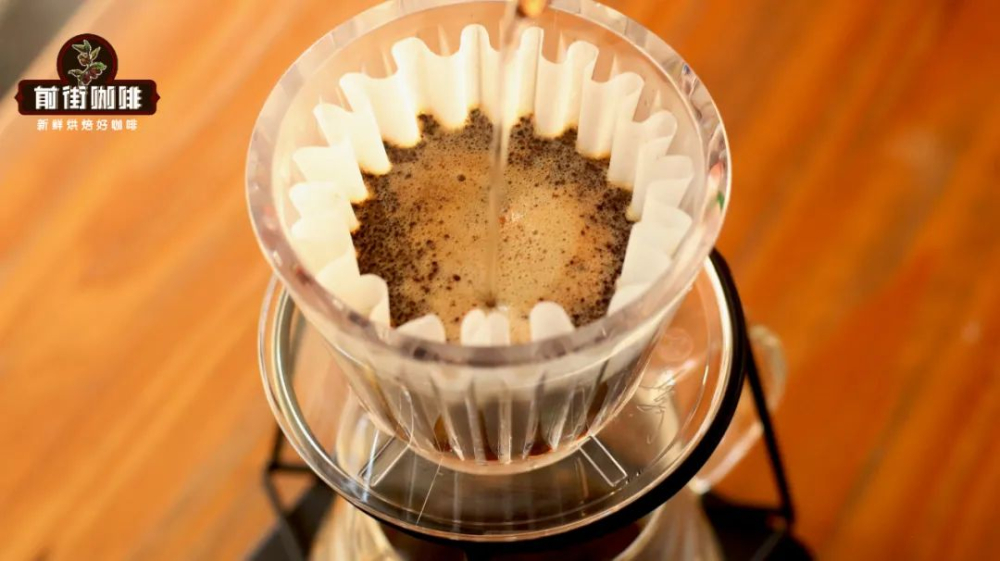
Pouring Technique: The Art of Dynamic BalanceOnce water temperature, coffee-to-water ratio, and grind size are properly set, the pouring technique becomes the most flexible yet hardest to master factor influencing coffee flavor. The flow rate of water, the path of the pour, and the distribution of water volume all affect the uniformity of coffee extraction. Common pouring methods include single-pour (一刀流), three-pour, four-six pours, and even the more challenging vortex-style pours. Regardless of the method used,uniform extraction—ensuring each coffee particle is equally exposed to hot water—is the key to success.
For beginners, it’s recommended to start with the stable three-pour method to master water flow control and circular pouring techniques, which can be applied to most coffee beans. However, if you find that your usual method leads to brew times that are too short or too long, adjustments can be made flexibly. For example, if the pouring speed is too fast, causing insufficient total contact time, you can split the remaining water volume and pour it using a smaller stream to extend the contact duration and improve extraction completeness. Observing the shape of the coffee bed (or “coffee puck”) after brewing is also an important clue to determine whether the pour was uniform.
In summary, the charm of pour over coffee lies in its high degree of adjustability and variability. Mastering the four core parameters—water temperature, coffee-to-water ratio, grind size, and pouring technique—allows you to find your own optimal brewing approach amid the variations, and enjoy the unique flavor experience brought by each brew.
The above content is compiled by CoffeeHunters, a coffee news website.


