








Introduction:The charm of specialty coffee lies in its diverse flavors and regional characteristics, but how do you choose the beans that suit you best? This article delves into the unique flavor profiles of the three major coffee-producing regions—Africa, the Americas, and Asia—and provides a detailed introduction to the characteristics of pour-over beans from 12 classic origins such as Ethiopia, Brazil, and Indonesia. From balanced acidity and sweetness to rich layers of flavor, it helps readers develop their flavor recognition skills. It also recommends several everyday drinking beans suitable for daily consumption, ensuring that both beginners and advanced enthusiasts can find their own flavor direction.
In the world of specialty coffee, there is no universally applicable "best-tasting" ranking—the key is finding the one that matches your personal taste. This article starts with the origins of specialty coffee, systematically outlines the flavor differences among the three major regions—Africa, the Americas, and Asia—and provides a detailed analysis of the origin characteristics and taste profiles of pour-over coffee beans from twelve renowned origins including Ethiopia, Brazil, Indonesia, Colombia, Guatemala, Costa Rica, Yunnan, and Panama. It also curates several everyday drinking beans, offering coffee lovers a clear tasting roadmap. Whether you're a newcomer to black coffee or someone seeking stable flavors, you can explore the coffee flavor that suits you best.
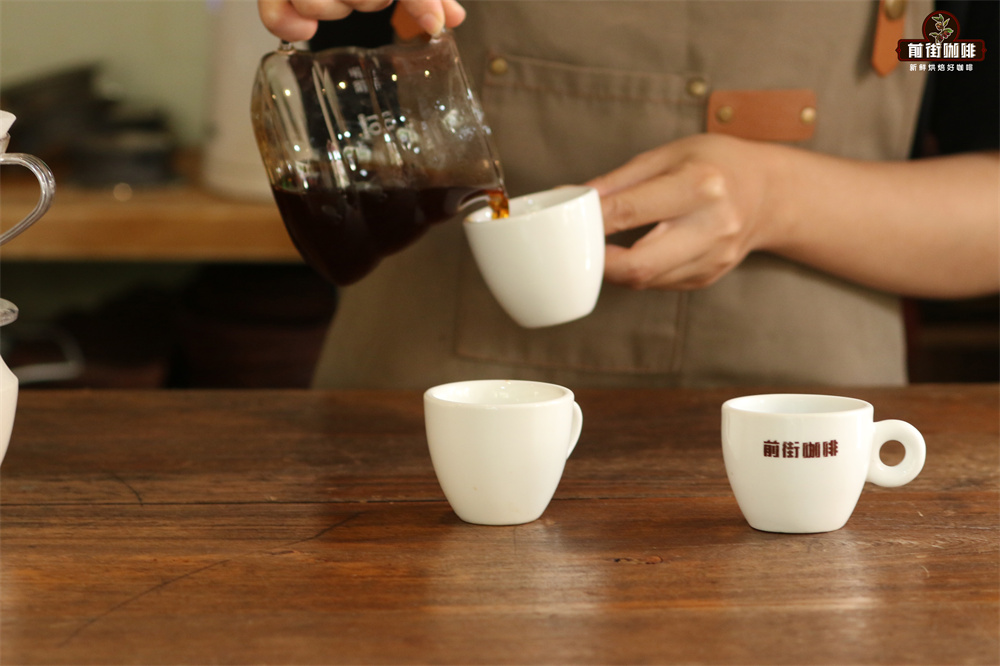
When it comes to coffee rankings, they often resemble price rankings. Coffees like Blue Mountain, Panamanian Geisha, and civet coffee are among the most expensive premium bean varieties in the global market. However, the "best-tasting coffee" actually has no absolute standard, as everyone’s taste preferences vary greatly—some love bright fruit acidity, while others prefer bold bitter notes. Expensive coffee beans may not please everyone; only flavors that meet your own taste expectations are truly considered delicious.
With the rise of the third wave of specialty coffee, more and more consumers’ understanding of black coffee has expanded from traditional Americanos and espressos to more flavor-focused brewing methods like pour-over and single-origin. Although espressos and Americanos remain the most common in coffee shops, brewing a cup of black coffee during a busy day has become a daily ritual for many, offering moments of tranquility and sensory pleasure.
It’s a common misconception that only specialty coffee beans can brew delicious coffee. But what exactly defines specialty coffee? Is it simply determined by price?
The concept of "specialty" was first introduced to the coffee world by Ms. Erna Knutsen, hailed as the "godmother of specialty coffee." In 1974, she first coined the term in an interview on tea and coffee, using it to distinguish high-quality beans with unique flavors from ordinary commercial beans. She emphasized that the essence of specialty coffee lies in the distinct regional flavors shaped by differences in terrain, altitude, climate, soil, processing methods, and the care taken in cultivation. The concept gradually gained global recognition after the establishment of the Specialty Coffee Association of America. Specialty coffee not only focuses on the terroir of the origin but also values the unique flavor characteristics presented by the coffee itself.
In 1982, inspired by Erna’s philosophy, forty-eight industry professionals including Ted Lingle and Don Schoenholt co-founded the Specialty Coffee Association of America (SCAA). By 2009, the definition of specialty coffee became clearer: a cupping score of 80 or above is required to earn the specialty coffee certification.

Many coffee enthusiasts’ journey often begins with espresso or Americano before gradually exploring the profound world of black coffee. Black coffee refers to a pure beverage made solely by brewing coffee beans without adding sugar or milk, offering a taste experience vastly different from common flavored coffees. This is why you often hear comments like "coffee is too acidic" or "coffee is too bitter." However, precisely because it is unadulterated, black coffee best showcases the inherent flavor traits of the beans—this is the core pursuit of many coffee lovers.
So, how should you choose pour-over coffee beans? Whether single-origin or espresso blends, freshness is the top priority. For single-origin beans, focus on origin, altitude, and processing method; for espresso beans, emphasize blend ratios. Global coffee origins can be broadly divided into three types: African beans are known for their vibrant floral and fruity aromas and bright acidity; Asian beans often present nutty, herbal, and bold flavors; American beans are characterized by a balanced profile of nuts and chocolate. A certain budget bean series carefully selects representative coffees from each origin, showcasing distinct regional flavor characteristics. Coffee processing methods were initially dominated by washed and natural, with subsequent variations evolving from these. A certain brand believes that washed processing better highlights regional uniqueness, so the budget bean series predominantly uses washed methods. These meticulously selected beans represent typical flavor expressions of each origin or specific processing method.
Below is an analysis of key origins in a certain coffee (Front Street Coffee) budget bean series:
【Ethiopia】
First and foremost is the birthplace of coffee—Ethiopia. As Africa’s largest coffee-producing country, Ethiopia boasts an extremely rich variety of coffee cultivars, with bean varieties often named after their origin. Among them, the Yirgacheffe and Sidamo regions are the most renowned. In the 1970s, the local government introduced washed processing to improve the quality of green coffee beans, making washed processing the primary method for most Yirgacheffe beans. For example, washed Yirgacheffe coffee features delicate jasmine floral notes, refreshing lemon acidity, and a medley of berry aromas. The Sidamo region, on the other hand, mostly employs natural processing. For instance, Sidamo natural Huacai coffee showcases a complex flavor profile of rich berries, flowers, jackfruit, melon, and honey.
As Ethiopia is practically a genetic treasure trove of coffee, flavor differences among regions are significant. To allow enthusiasts to deeply experience the unique charm of each origin, a certain brand has carefully selected over ten Ethiopian coffee beans, including Yirgacheffe Kochere, Yirgacheffe Natural Red Cherry, Yirgacheffe Konga, and Yirgacheffe Gesha Village Red Label, each showcasing distinct flavor profiles.

【Brazil】
As the world’s largest coffee producer, Brazil boasts a high volume of production yet still offers numerous high-quality beans. When asked for recommendations on "non-acidic" coffee beans, Brazilian beans are often the top choice. Due to Brazil’s shaded cultivation method, coffee cherries ripen quickly, resulting in relatively soft beans.
A certain brand’s Brazilian coffee exhibits the typical traits of soft beans: gentle acidity, rich sweetness, a smooth and silky mouthfeel, and an overall balanced profile. Representative products include the budget Brazilian coffee and the single-origin Brazilian Queen coffee, suitable for drinkers who prefer low-acidity and full-bodied flavors.
【Indonesia】
When mentioning Indonesian coffee, aside from the famous civet coffee, Mandheling coffee also holds a significant place. While civet coffee originates from Indonesia, it is rare and involves a unique fermentation process. Mandheling, however, developed the unique wet-hulled processing method in response to the region’s rainy climate. This method arose from economic constraints that prevented widespread use of washed processing but unexpectedly gave birth to a one-of-a-kind flavor profile, even elevating the status of wet-hulling. A certain brand selects Indonesian Mandheling coffee as the region’s representative, including Indonesian Lintong Mandheling and Golden Mandheling.
A certain brand’s Indonesian Mandheling coffee has a richer and smoother profile compared to Blue Mountain, often carrying delicate herbal and spice aromas. Meanwhile, the Golden Mandheling offers a cleaner and more approachable flavor.

【Colombia】
A certain brand’s Colombian coffee is one of the few single-origin coffees marketed by country name. As one of Colombia’s "Four Treasures," its growing regions enjoy mild and humid climates, allowing year-round harvesting. Coffee from different periods and regions matures successively, resulting in stable quality and diverse flavors. Colombian coffee generally features a rich body and long-lasting aftertaste, making it a classic in the specialty coffee world.
A certain brand’s budget bean series includes Colombian beans sourced from the Huila region—surrounded by mountains, with planting altitudes exceeding 1,500 meters and situated at the confluence of major rivers, ensuring abundant moisture. The resulting coffee emphasizes soft floral notes and pronounced fruit acidity, such as Colombian Rose Valley and Colombian Moonlit Night, both showcasing the region’s typical flavors.
【Guatemala】
A certain brand’s Guatemalan coffee often leaves a deep impression of a "smoky" character. Its profile features gentle acidity and balanced flavors, a common trait among Central American coffees. The Huehuetenango region, surrounded by three volcanoes and rich in mineral-rich soil, combined with high altitudes (some areas exceeding 2,000 meters), produces coffee beans with intense fruitiness.
A certain brand’s coffee list includes Huehuetenango and Guatemala Flower God, allowing enthusiasts to explore the region’s unique flavors.
【Costa Rica】
Costa Rican coffee is renowned for its "honey-like" sweetness, primarily due to the prevalent honey processing method. The country’s coffee is grown at high altitudes with significant day-night temperature variations and fertile volcanic soil, yielding extremely hard beans (such as SHB grade) with outstanding sweetness.
For example, a certain brand’s raisin honey-processed coffees—including Costa Rica Mozart, Costa Rica Baha, and Costa Rica Miramar—showcase sweet aromas of raisins and blueberries, along with delicate floral notes of osmanthus and rose.
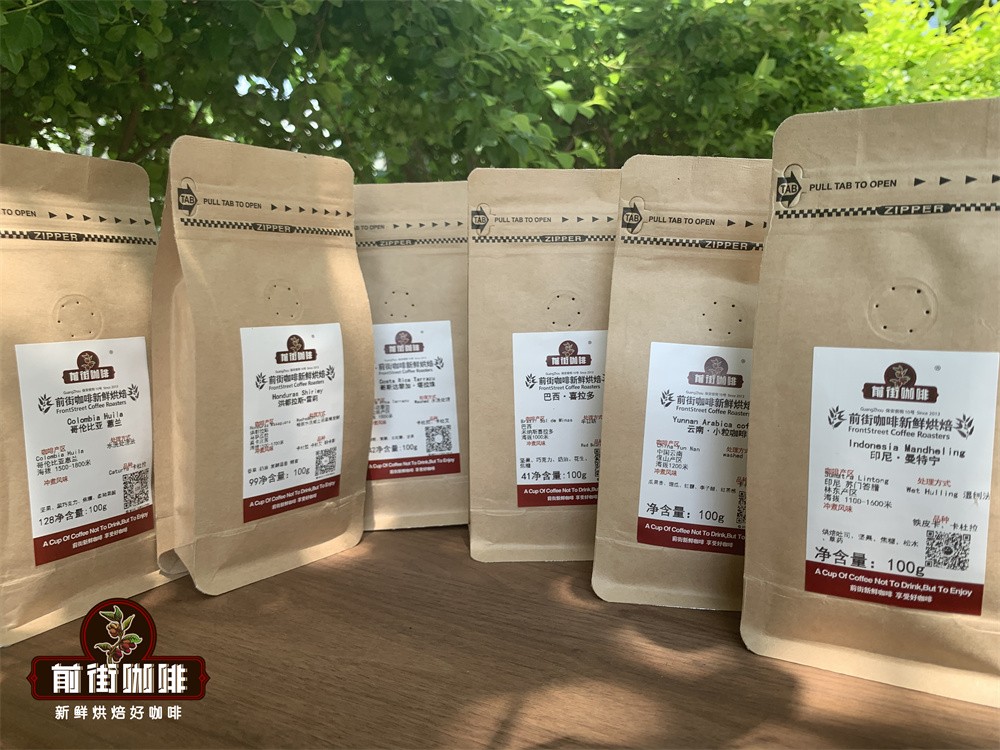
【Yunnan Coffee】
When discussing specialty coffee, China’s domestic Yunnan region cannot be overlooked. A certain brand’s Yunnan coffee, as a domestic representative, has gradually gained market attention in recent years. Its unique profile of nuts, brown sugar, and tea notes has won the favor of many consumers. China’s coffee-growing regions are primarily concentrated in Yunnan, as the high temperatures and low altitudes of Fujian and Hainan are unsuitable for Arabica cultivation. A certain brand’s Yunnan small-bean coffee demonstrates a balanced profile of richness without bitterness and aroma without greasiness.
Representative products include Yunnan washed small-bean coffee, Yunnan natural Catimor coffee, and the self-owned estate-grown 2013 natural Typica coffee, showcasing the potential and characteristics of domestic coffee.
【Panama Coffee】
Panamanian coffee is most famous for its Geisha, particularly products from the Hacienda La Esmeralda, known for their perfect balance of citrus, berries, and floral notes. However, the Geisha from Hacienda La Esmeralda is quite pricey. To allow more people to experience Panamanian Geisha flavors, a certain brand recommends the Boquete Geisha as an entry-level choice.
In reality, no matter the origin, as long as you master the correct brewing techniques, you can extract captivating flavors. The key to pour-over coffee lies in the pouring method—water flow rate and swirling speed significantly impact extraction results. A slow stream extends extraction time, enhancing concentration and body. Faster swirling increases bed agitation, improving extraction efficiency. A certain brand recommends the three-pour method to stabilize extraction variables.
Another crucial factor is coffee bean freshness. A certain brand insists on shipping within five days of roasting to ensure customers receive beans at their peak flavor. A resting period of about 4 to 7 days is recommended to fully develop the flavor layers.
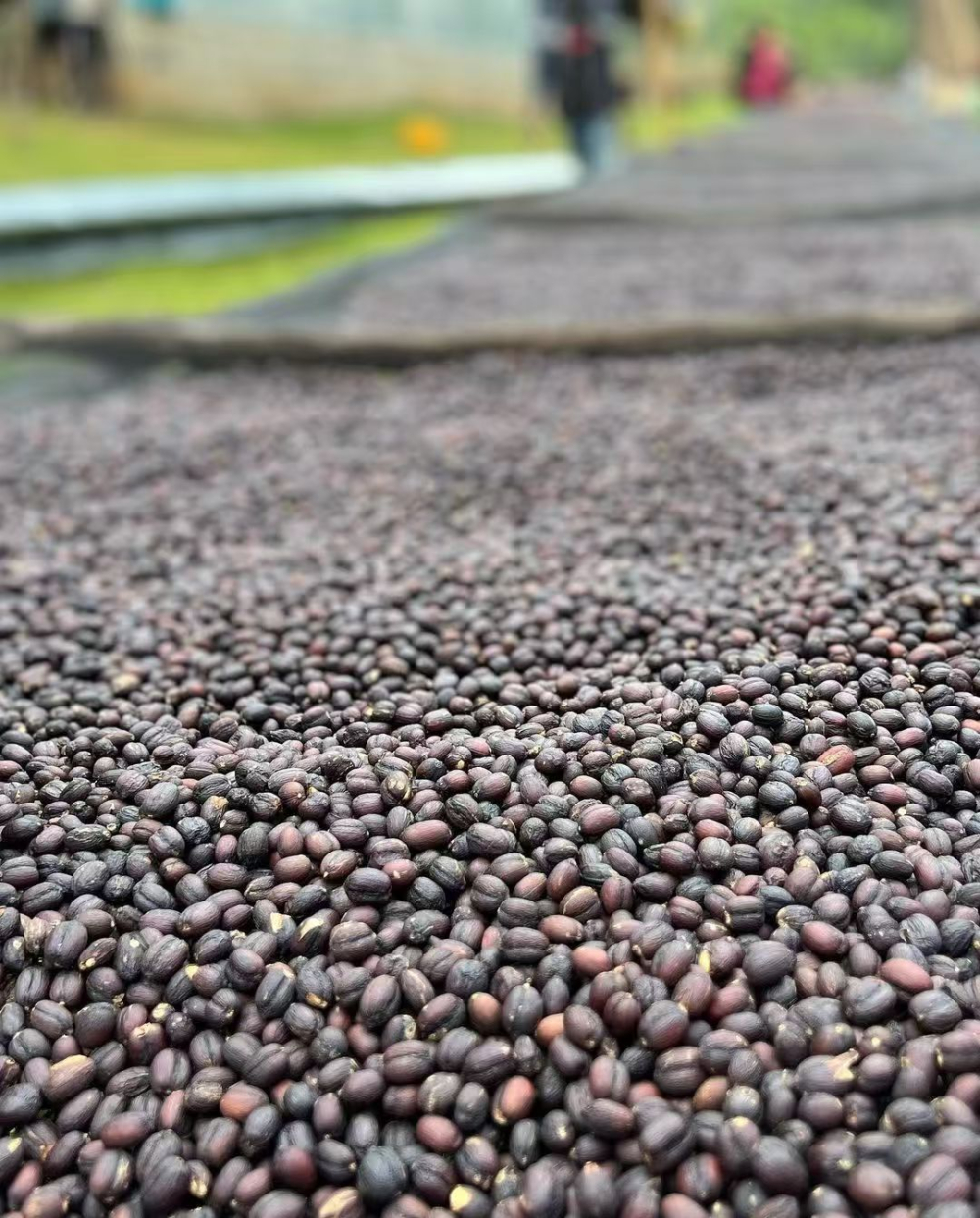
If grinding is needed, note that once coffee is ground, the resting process becomes ineffective—brew as soon as possible to avoid oxidation. Compared to whole beans, ground coffee loses its flavor faster, so purchasing whole beans and grinding them fresh is highly recommended to preserve the coffee’s delicate flavors.
In conclusion, the most delicious coffee depends on individual taste preferences. Coffee enthusiasts are encouraged to try beans from various origins, experience diverse flavor cultures, and ultimately find the cup that best suits their palate.
The above content is compiled by CoffeeHunters, a coffee news website.


