








Introduction:Dive deep into the world’s ten most iconic specialty coffee origins — from the highlands of Ethiopia to the volcanic soils of Hawaii — each land nurtures its own unique coffee flavors. This article not only introduces the historical background and growing environment of each origin, but also analyzes their flavor profiles and suitable brewing methods in detail, helping coffee enthusiasts find their favorite beans and improve their tasting skills.
In the world of coffee, rankings abound, but if we judge by uniqueness of flavor and specialty-grade quality, the world’s top ten coffee-producing countries are undoubtedly the most worthwhile to explore. From Africa, the birthplace of coffee, to rising stars in Central America, to classic regions in Asia and volcanic islands in the Pacific, these places not only have long-standing planting histories, but also produce distinctly flavored beans due to their unique geography and climate conditions. This article will take you on a journey through these ten representative origins, delving into their cultivation backgrounds, terroir characteristics, and flavor directions, allowing you to better appreciate the stories behind every sip when tasting coffee.
No. 1: Ethiopia — The Cradle of Coffee
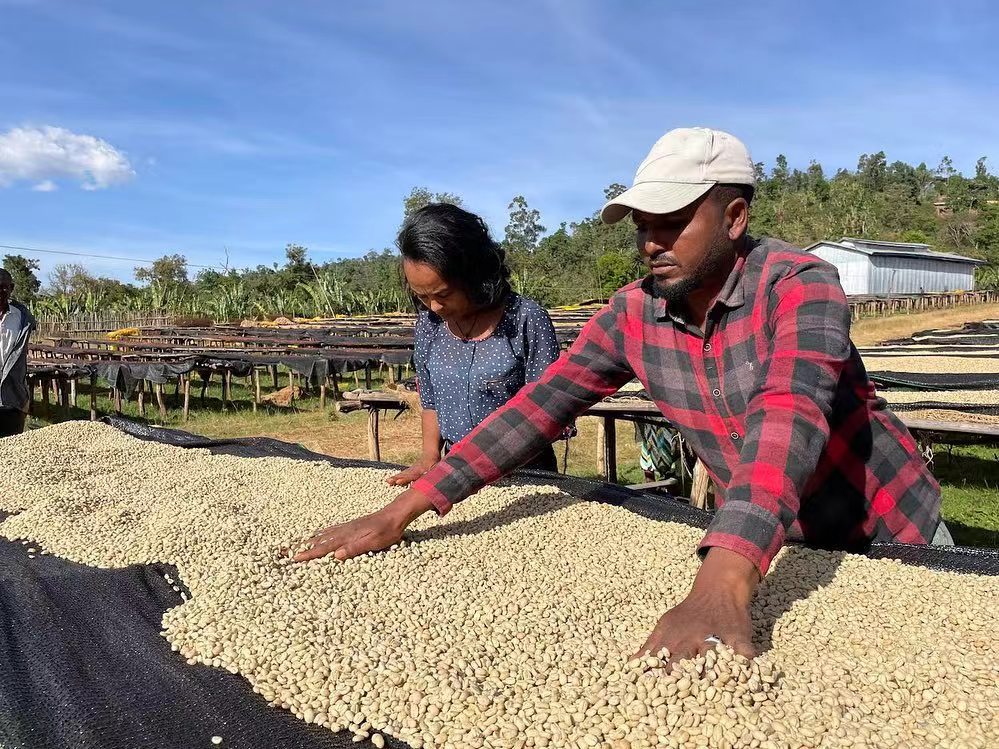
With an annual production of about 396,000 tons, Ethiopia is recognized as the birthplace of Arabica coffee. The region still maintains the tradition of harvesting wild coffee fruits, and coffee farms in high-altitude areas (typically over 1,500 meters) have, over thousands of years, adapted and evolved into unique terroirs. The coffee here is called “coffee of the wilderness,” preserving the most original flavor characteristics and faithfully reflecting the soil and climate of the origin. It is worth noting that Ethiopian coffees are mostly heirloom varieties, which are vastly different from the commonly introduced cultivars in Central and South America. Among the nine major producing regions, Sidamo and Yirgacheffe stand out especially. Originally a sub-region under Sidamo, Yirgacheffe was independently designated due to its highly distinctive flavor profile, with its intense fruitiness and bright acidity making it a star product in the international market.
No. 2: Kenya — A Classic with Striking Acidity
With an annual production of about 45,000 tons, Kenyan coffee may have started later, but it has created unforgettable flavors thanks to its unique variety selection and high-altitude growing environments. The cultivation management system established during the British colonial period, combined with the cool mountain climate that extends the ripening time of coffee cherries, often results in Kenyan coffee having striking acidity and rich fruity notes, such as blackcurrant and grapefruit. Among them, the SL28 variety, a direct descendant of Bourbon, is considered representative of Kenyan coffee flavors. Many coffee enthusiasts describe Kenyan coffee as having a rugged yet mature charm.
No. 3: Colombia — A Treasure Trove of Diverse Flavors
With an annual production as high as 660,000 tons, Colombian coffee is known for its diverse styles. Most coffee farmers here are small-scale independent operators who handle everything from planting and harvesting to post-processing themselves, giving rise to many single-origin beans with unique flavors. Overall, Colombian coffee is refreshing, with pronounced fruitiness and stable quality. Whether you prefer bright acidity or rich body, you can find a suitable option in Colombia.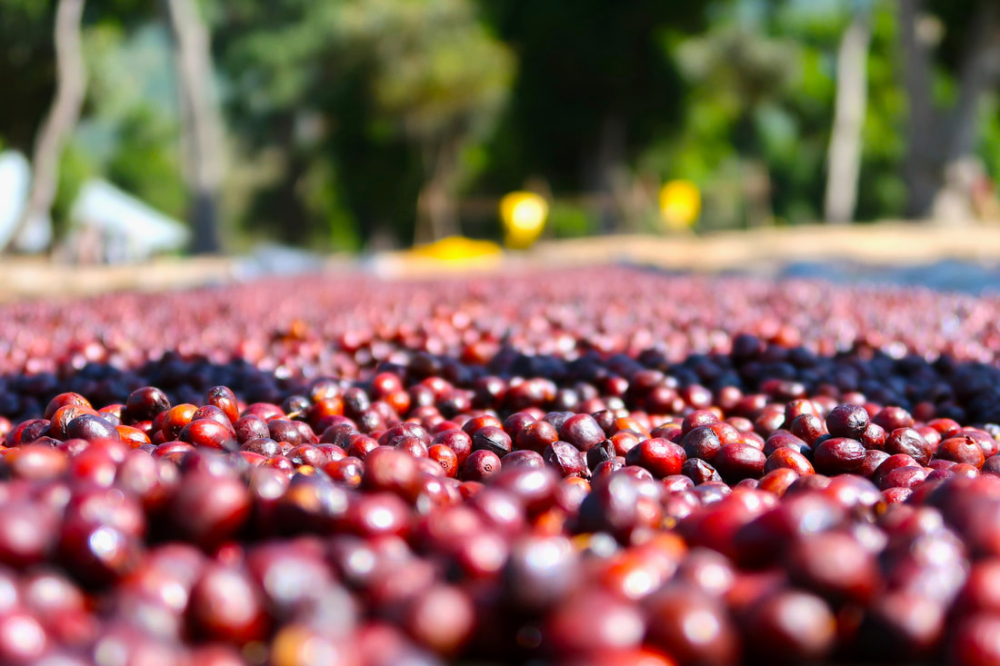
No. 4: Guatemala — Flavor Heritage of Maya Culture
With an annual production of about 186,000 tons, this small Central American country has recently made a name for itself in the specialty coffee scene. Its coffee is mostly grown in shaded volcanic soils, resulting in balanced, sweet, and aromatic flavors, with delicate profiles often reminiscent of the ancient Maya civilization. Guatemalan coffee is not only great as a single origin, but also a common component in blends.
No. 5: Costa Rica — A Model of Washed Processing
With an annual production of about 84,000 tons, Costa Rica primarily produces Arabica coffee, with washed processing being the mainstream method, though honey processing has also gained attention in recent years. Its coffee features bright flavors, soft acidity, high sweetness, and overall stable quality. The Costa Rican Coffee Institute manages the national coffee industry uniformly and operates dedicated research institutions committed to improving coffee quality.
No. 6: Honduras — A Hidden Gem of Central America
With an annual production of 252,000 tons, Honduras is often overlooked but is one of the important coffee-exporting countries in Central America. Its coffee styles vary due to differences in terrain, with some regions producing coffee with distinct fruitiness and rich body, suitable for drinkers who enjoy complex layers.
No. 7: Indonesia — A Deep Dive into Asian Flavors
With an annual production of about 702,000 tons, Indonesian coffee is best known for Sumatra’s Mandheling and Java coffee. These coffees often feature low acidity and a full body, and are processed using the unique wet-hulling method, imparting special herbal and earthy aromas. Although Indonesia also produces large quantities of commercial-grade coffee, its specialty coffee still receives high praise in the international market.
No. 8: Rwanda — A Rapidly Rising Newcomer
With an annual production of just about 14,760 tons, Rwanda may have started late, but it has developed rapidly in recent years and has become a rising star in Africa’s specialty coffee scene. Its coffee features clear flavors, bright acidity, and unique fruit and floral notes, showcasing high potential in quality.
No. 9: Panama — Birthplace of Geisha
With an annual production of only about 6,000 tons, Panama has gained fame thanks to the Geisha (or Gesha) variety. Originally from Ethiopia, this variety blossoms in Panama’s high-altitude environment with unique floral and citrus notes, earning repeated accolades in international competitions. Though Panama’s specialty coffee production is limited, it is a dream bean for many coffee enthusiasts.
No. 10: Hawaii — America’s Coffee Paradise
As the only coffee-producing region in the United States, Hawaii’s Kona coffee is known for its mild acidity and rich body. The volcanic soil and suitable altitude conditions here create unique flavor characteristics, making it an excellent choice for experiencing American coffee culture.
The above content is compiled by CoffeeHunters, a coffee news website.


