








Introduction:Mocha is a classic beverage that perfectly combines chocolate with espresso-based milk coffee, but when making it at home, people often encounter issues like insufficient chocolate flavor or excessive sweetness. This article delves into the differences between making iced mocha and hot mocha—from the ratio of chocolate sauce to unsweetened cocoa powder, the impact of ice cubes on flavor, to the preparation of the espresso base and milk foam handling—providing complete steps and practical tips to help you brew a rich and smooth chocolate coffee.
Mocha is a beloved coffee drink that artfully blends intense chocolate flavor with espresso-based milk coffee. However, many people face challenges when making it at home, such as the chocolate flavor not being prominent enough or the drink being overly sweet. This article will thoroughly analyze the methods for making both iced and hot mochas, from selecting ingredients for the chocolate base and recommended ratios, to the operational differences between cold and hot versions, guiding you to master the secrets of crafting a balanced and delicious mocha.
In recent years, more and more coffee enthusiasts have tried to recreate restaurant-style mochas at home, but the results often fall short of expectations. Some end up with a chocolate flavor that’s too weak, while others are overly sweet to the point of being cloying. In fact, the issue often lies in the use of chocolate sauce. Commonly available chocolate sauces on the market are loaded with sugar to reduce bitterness, which makes it difficult to balance richness and sweetness when adjusting flavors.
So-called mocha is essentially a traditional espresso-based milk coffee with added chocolate elements, aiming to replicate the unique chocolate notes found in Yemeni Mocha coffee. To achieve this, most recipes use chocolate sauce because it’s quick and convenient, requiring no prior melting. However, it’s precisely this convenience that can become one of the main reasons for unsuccessful attempts.
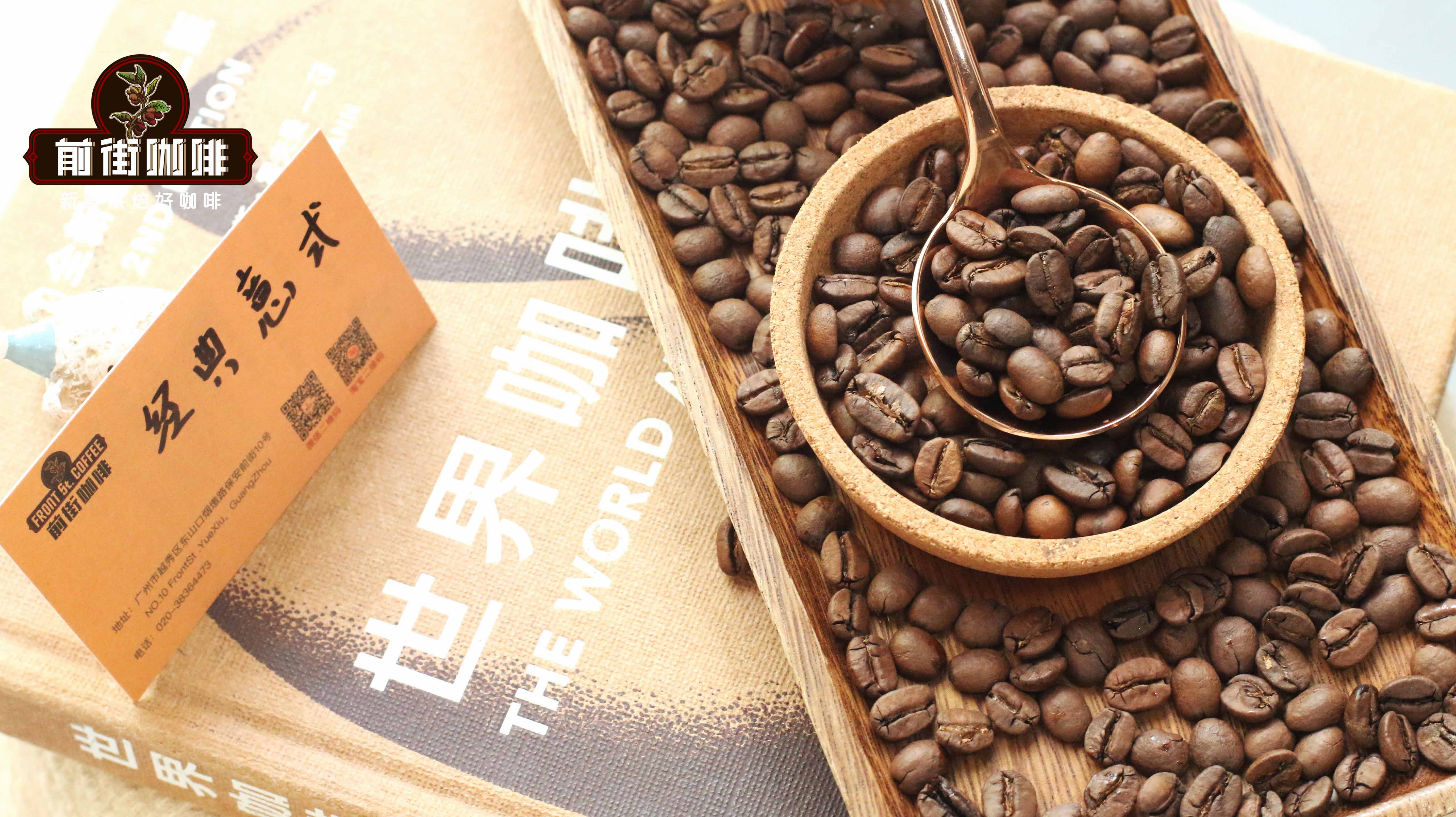
Besides chocolate sauce, freshly roasted coffee beans are also an important source for bringing out chocolate flavors. It’s recommended to choose dark roasted blends that naturally yield rich chocolate and caramel aromas, helping to enhance the overall flavor profile. Using such beans can yield good results whether you’re making Americano or latte.
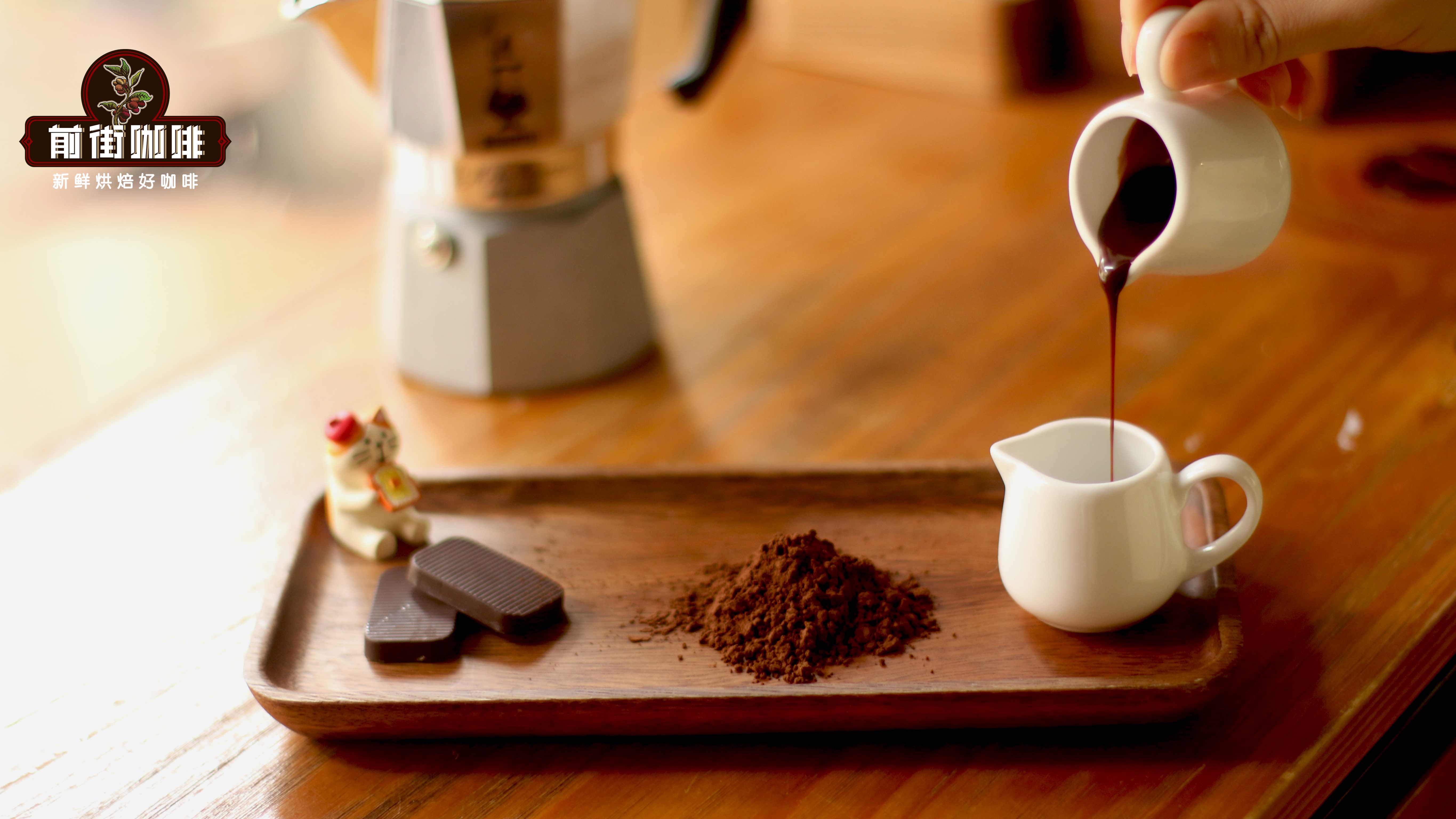
So, how can you make a mocha that’s rich in chocolate flavor with just the right level of sweetness? The key lies in precisely controlling the amount of chocolate base used and appropriately adjusting the sources of sweetness. This article recommends combining chocolate sauce with unsweetened cocoa powder—the former provides a smooth chocolate mouthfeel, while the latter enhances flavor intensity without adding extra sweetness.

Next, let’s first look at how to make an iced mocha. The addition of ice cubes not only takes up some of the space that could be filled with milk, but as the ice melts, it also dilutes the overall concentration of the drink, resulting in a thinner taste. Therefore, when preparing the chocolate base, it’s recommended to increase the amount of chocolate sauce from the usual 15 ml to 20 ml, and unsweetened cocoa powder from 5 g to 8 g, to ensure the flavor is rich enough to counteract the chilling and dilution effects.
In terms of specific steps, start by placing about 90 g of ice cubes in a cup, then pour in 160 ml of milk, and finally drizzle the prepared chocolate coffee base on top. Stir gently to combine and enjoy. If you want to add more texture, consider topping it with whipped cream or a milk cap to make the iced mocha even more flavorful and diverse.
As for hot mocha, the preparation process is slightly different. Preparation includes a coffee cup, a mixing cup or bowl, a filter, and the required ingredients: one shot of espresso, milk, chocolate sauce, and cocoa powder. First, prepare the chocolate espresso base by adding 15 ml of chocolate sauce and 5 g of unsweetened cocoa powder into a mixing cup. This ratio has been tested to achieve a good balance between sweetness and intensity. If you prefer a sweeter taste, you can increase the chocolate sauce to 20 ml.

Next, use the heat from freshly extracted espresso to thoroughly mix the chocolate sauce and cocoa powder. The recommended espresso extraction parameters here are 19.8 g of coffee grounds yielding 38 ml of liquid, over approximately 28 seconds. After mixing, it’s advised to use a filter to strain out any undissolved cocoa powder particles to ensure a smooth drinking experience.
To add aroma, you can optionally sift a small amount of cocoa powder on the surface of the base. Then proceed to froth the milk by heating it to about 65°C and creating fine microfoam, with the ideal temperature range being 60–68°C. The recommended ratio of milk to chocolate is 1:4, meaning 50 ml of base mixed with 200 ml of milk.
Finally, slowly pour the frothed milk into the chocolate base, maintaining flow for latte art. Since the base is quite thick, its initial fluidity is low—you may moderately increase the amount of milk to improve integration. In this way, a visually appealing and richly flavored hot mocha is complete, with each sip delivering the perfect balance of chocolate and coffee.
The above content is compiled by CoffeeHunters, a coffee news website.


