







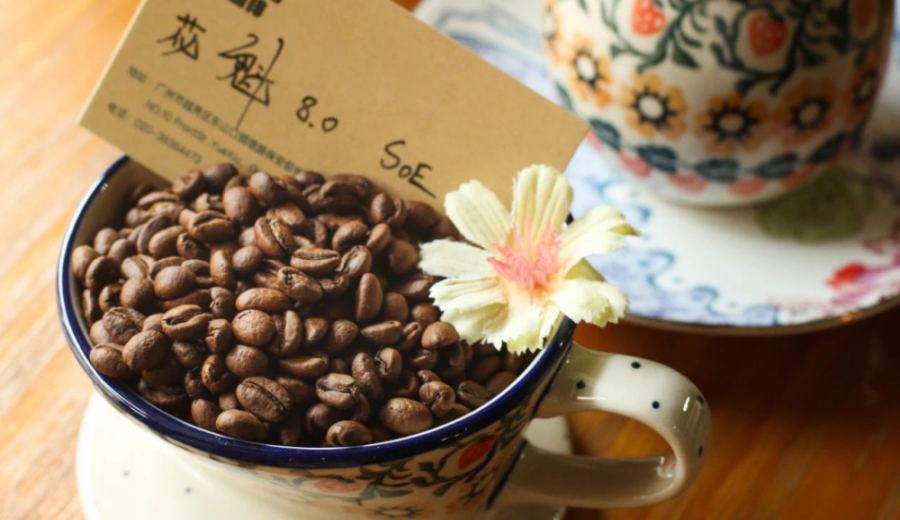
Introduction:SOE (Single Origin Espresso) has become a focal point of interest for specialty coffee enthusiasts in recent years, but how does it differ from traditional blended espresso? Are all single-origin beans suitable for making SOE? This article delves into the core concept of SOE, the types of coffee beans that work best, key points in roasting and grinding, as well as practical extraction parameters and flavor profiles to help you fully master the brewing techniques of SOE.
In recent years, the specialty coffee community’s attention to SOE (Single Origin Espresso) has been steadily increasing, with many coffee lovers asking for related information. However, SOE is not simply about using pour-over single-origin beans directly for espresso extraction; it involves unique bean selection, roasting, and brewing logic. So what exactly is true SOE? How does it fundamentally differ from common blended espresso? Which coffee beans are suitable for making SOE? This article will start from the basic concepts, explore the production essentials of SOE in depth, and share actual extraction parameters and flavor profiles to help you fully understand the secrets of SOE.
What is SOE? The Definition and Characteristics of Single Origin Espresso
SOE, short for Single Origin Espresso, refers to espresso made using coffee beans from a single origin. Unlike traditional blends, SOE emphasizes a single source of flavor and regional characteristics, thus showcasing more distinct terroir features. For example, coffee from Yirgacheffe may exhibit pronounced citrus and floral notes, while Honduran Sherry cask-processed beans might exude rich wine-like aromas and chocolate flavors. However, because only beans from a single origin are used, any noticeable flavor defects in the batch can be easily amplified during espresso extraction, which demands higher precision in roasting and grinding.
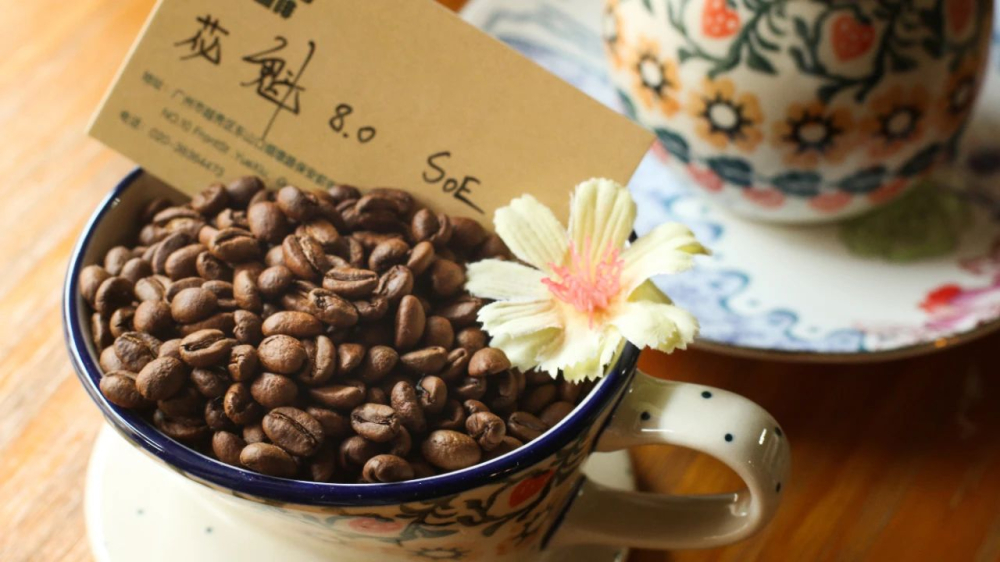
SOE Is Not Just Single-Origin Beans Used for Espresso
Although at first glance, using pour-over single-origin beans for espresso might seem like SOE, there are significant differences in practice. Blends typically aim for balanced and stable flavors by combining various beans, whereas SOE highlights the unique character of a single origin. Therefore, the coffee beans chosen for SOE should possess highly distinctive flavor characteristics, and their roast profiles must be adjusted specifically for espresso extraction. Roasts that are too light or too dark can both negatively affect the final flavor—overly light roasts may result in excessive acidity, while overly dark roasts may obscure regional characteristics.
Which Coffee Beans Are Suitable for Making SOE?
Coffee beans suitable for making SOE usually have a distinct flavor profile and good acidity-sweetness balance. For example, Yirgacheffe Natural Red Cherry, produced at the Aletaland Estate at altitudes of 1700–2200 meters and processed with full red fruit natural drying, offers rich fruit sweetness and floral notes, making it ideal for coffee lovers who prefer a fresh flavor profile. Recommended extraction parameters: use the Feima 900N grinder set to #1.7, 20g dose, extract 40ml in about 27 seconds. Flavor profile includes citrus, berries, and fermentation aromas, with bright acidity and a syrupy mouthfeel.
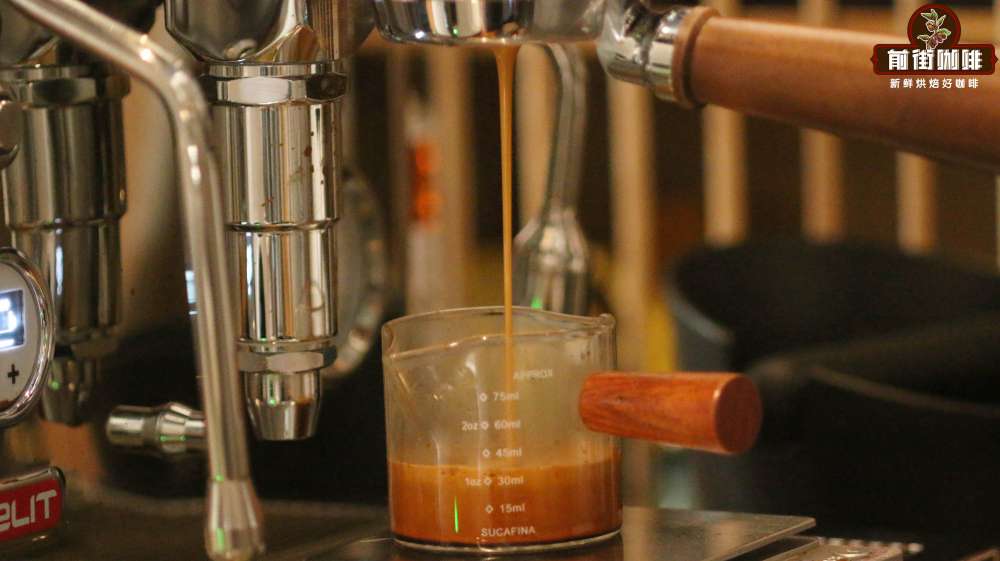
Another recommended bean variety is Honduran Sherry Cask, grown at elevations of 1500–1700 meters at the Mocha Estate. It undergoes meticulous washed processing and Sherry cask fermentation, resulting in a rich flavor with pronounced whiskey-like wine aromas and dark chocolate notes. Recommended grind setting: #1.8, 20g dose, extract 40ml in about 29 seconds. Flavor description: intense wine aroma, soft fruit acidity, smooth texture, and a creamy body.
Precautions for Making SOE
Many coffee enthusiasts encounter issues such as unstable extraction or unsatisfactory flavors when trying to make SOE at home. These problems are often related to the roast level of the beans being unsuitable for espresso. Choosing beans suitable for SOE not only improves the quality of the espresso itself but also enhances the performance of milk-based drinks like Americanos or lattes. Additionally, the pressure of home espresso machines should ideally reach at least 9 bar to ensure stable extraction.
SOE Extraction Parameters and Practical Tips
Taking Ethiopian Natural Konga as an example, it is recommended to use 20g of coffee grounds to extract 40g of coffee liquid, with a 1:2 coffee-to-water ratio, and extraction time controlled between 26–33 seconds. Grind settings can refer to the Galileo 2.0 scale. The combination of dose and extraction time greatly affects flavor. Too short an extraction may lead to a thin taste, while exceeding 35 seconds can result in burnt or bitter notes.
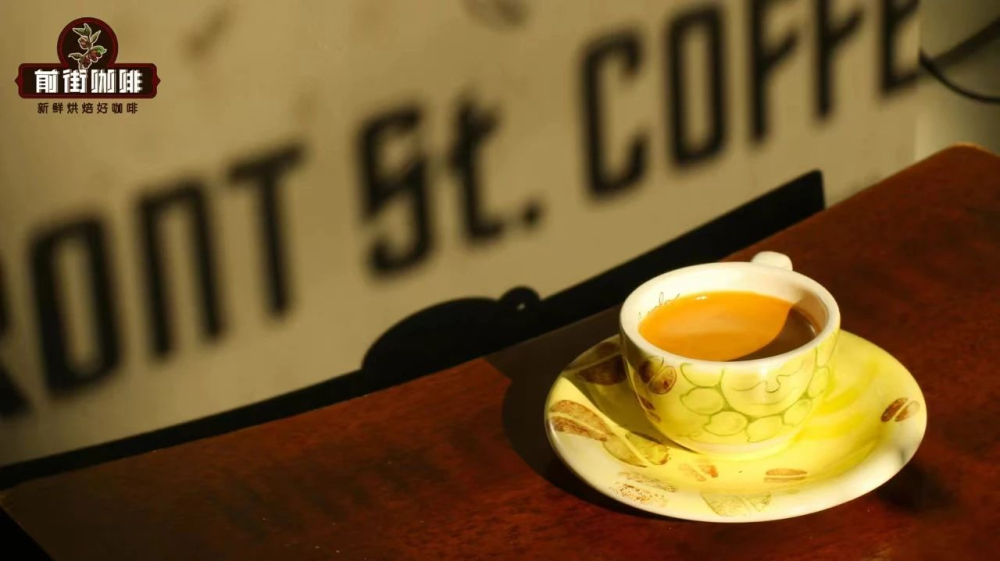
In practice, it is recommended to first dry the portafilter basket, grind the coffee, distribute the grounds evenly, tamp firmly, then pre-wet before starting the actual extraction. When the coffee liquid reaches 40g and the time is between 28–33 seconds, you can produce a SOE espresso with distinct flavors. This espresso can be customized to personal preference by adding cold or hot water to make a SOE Americano; for a latte, a 1:6 coffee-to-milk ratio is suggested, with milk temperature controlled between 50–65°C to achieve a silky and rich mouthfeel.
In summary, the charm of SOE espresso lies in its ability to showcase the unique flavors of a single origin, but it also places higher demands on bean selection, roasting, and extraction. By understanding the characteristics of different bean varieties and the appropriate extraction parameters, you can enjoy a distinctly flavorful SOE espresso either at home or in a café.
The above content is compiled by CoffeeHunters, a coffee news website.


