








Introduction:Although both ice drip and cold brew coffee belong to low-temperature extraction methods, they differ significantly in brewing principles, equipment design, and flavor profiles. This article delves into the core distinctions between the two, covering extraction methods, equipment structure, coffee bean selection, specific step parameters, as well as professionally recommended coffee-to-water ratios and shelf life, helping you find the most suitable low-temperature coffee brewing method based on your taste preferences.
Ice drip coffee and cold brew coffee are often mistaken for the same beverage, but they actually vary considerably in extraction techniques, time control, and final flavor. Starting from basic principles, this article will provide a detailed comparison of the characteristics of these two low-temperature extraction methods, and guide you in choosing the most appropriate brewing method based on coffee bean traits and personal taste, while also mastering key preservation tips.
Ice drip coffee is essentially made by slowly dripping an ice-water mixture through a bed of coffee grounds, achieving an extremely delicate extraction. Typically, an ice drip coffee maker consists of three main parts: the top chamber holds the ice-water mixture—some models feature an adjustable valve to control drip rate, while others rely on a natural, steady flow; the middle chamber is filled with selected coffee grounds; and the bottom chamber collects the final brewed coffee. This extraction method emphasizes slow and meticulous work, usually taking several hours or even more than ten hours to complete.

The equipment needed to prepare ice drip coffee includes: an ice drip brewer, room-temperature purified water, ice cubes, specialized round filter paper, coffee beans (it’s recommended to try beans with distinct flavors such as Strawberry Candy, Geisha, or Flor de Cana), a grinder, and a sealed container for storing the final brew. The recommended coffee-to-water-to-ice ratio is 1:6:6, meaning 50 grams of coffee beans with 300 grams of water and 300 grams of ice. This ratio effectively highlights the coffee’s subtle layers without overly diluting it.
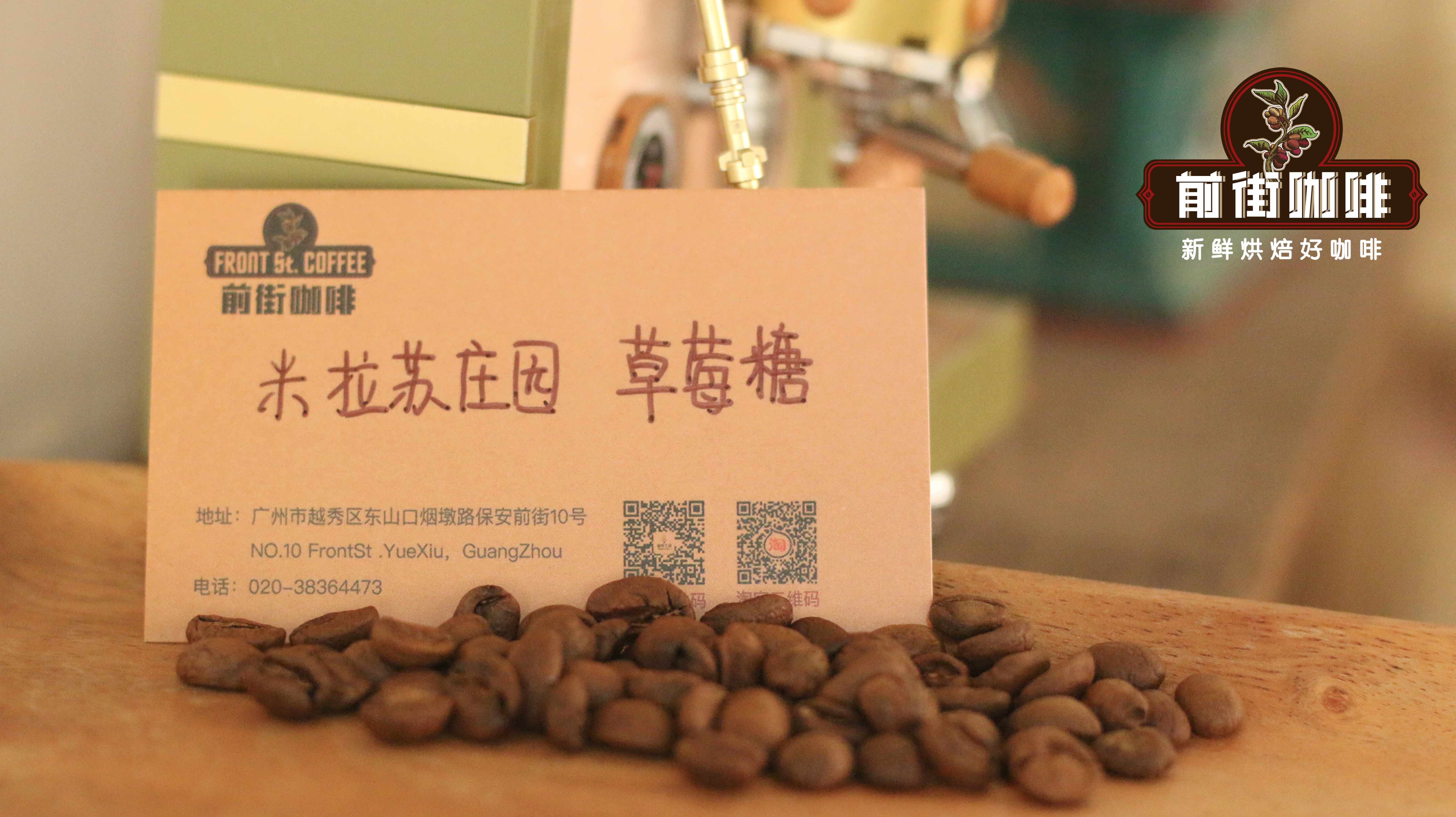
When selecting coffee beans, if you prefer a bright, floral aroma, you might prioritize beans like Geisha, Flor de Cana, or Strawberry Candy; if you favor rich fruitiness and fermentation notes, you could try beans with unique processing methods such as Mozart, Sidamo, or 90+ Estate Eleta. These beans often present a more three-dimensional flavor profile when brewed via ice drip.
The first step in making ice drip coffee is grinding the beans into a medium-fine powder. For example, with Strawberry Candy beans, it’s recommended to use a high-precision grinder like the EK43s and set the grind size to around level 9, similar to that used for ice pour over. This coarseness ensures a stable water flow through the grounds without causing clogging or over-extraction due to excessive fineness.
Next, place a layer of specialized round filter paper at the bottom of the coffee grounds in the middle chamber of the ice drip brewer, and lightly moisten it with a small amount of room-temperature water. This helps ensure even distribution of the coffee grounds and initial water filtration. Then, add the ground coffee to the middle chamber, spread it out gently, and cover it with another piece of filter paper. Evenly moisten the entire coffee layer with room-temperature water. This step is crucial—it ensures all the coffee grounds are saturated, helps shorten the overall dripping time, and makes subsequent extraction smoother and more uniform.
Before starting the actual dripping, it’s advised to adjust the drip rate to approximately 7 drops per 10 seconds. This rhythm allows sufficient contact time between water and coffee grounds, extracting a richer and more balanced flavor. The entire dripping process may take several hours, so it’s recommended to occasionally monitor the drip rate to avoid instability caused by factors such as changes in ice melt rate.
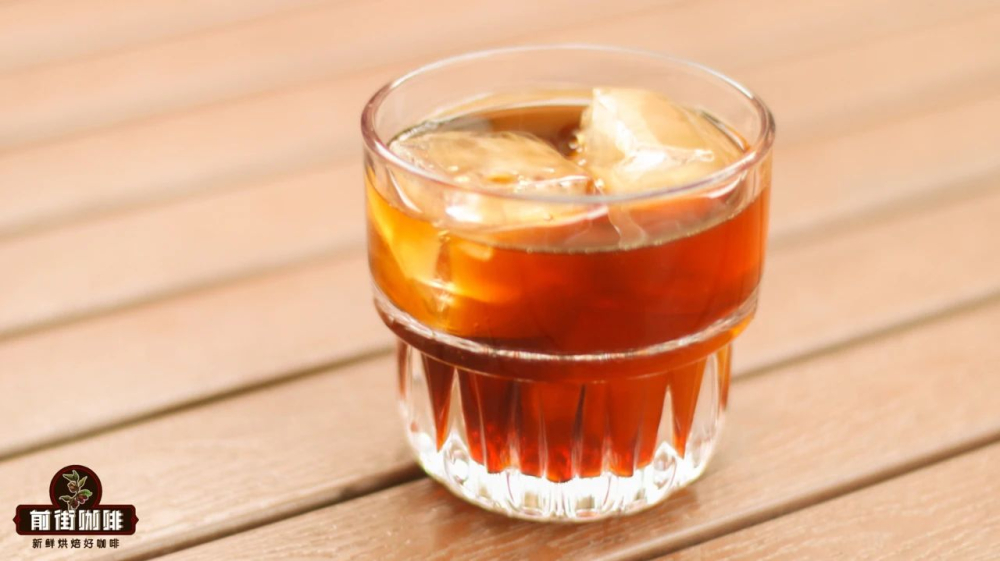
Once the ice drip extraction is complete, it’s recommended to transfer the coffee liquid into a clean, well-sealed container and refrigerate it for at least 8 hours. This period allows the various flavor compounds in the coffee to further meld and develop, somewhat akin to a light “aging” process, resulting in a smoother mouthfeel and more layered aroma. At this stage, the coffee typically exhibits a refreshing, clean, and distinctly layered character, with almost no off-flavors, making it highly suitable for drinkers who appreciate subtle flavors.
In contrast, cold brew coffee involves placing cold water and coffee grounds together in a container, allowing them to steep for a period before filtering. This method effectively reduces acidity, enhances overall body, and amplifies certain specific aromatic characteristics. The equipment required for cold brew is relatively simple—just a lidded glass or plastic container and a tool for filtering out coffee grounds later—making it very suitable for home or office brewing.
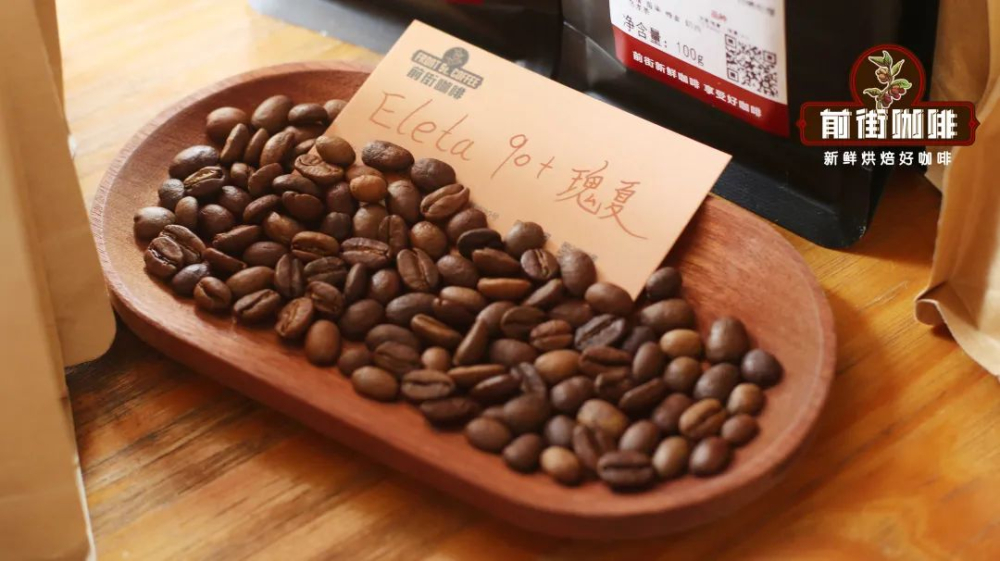
The cold brew extraction environment can be at room temperature or low temperature. If choosing room-temperature extraction, it’s recommended to limit the time to within 8 hours, as prolonged soaking may lead to undesirable woody or off flavors; if using refrigerator-based low-temperature extraction, it’s suggested to extend the time to 12–24 hours. This yields a more balanced and full-bodied taste while avoiding the risk of releasing off flavors. Additionally, for low-temperature extraction, it’s advisable to grind the coffee slightly coarser to help control extraction rate and flavor expression.
When it comes to coffee bean selection, cold brew also offers diverse flavor possibilities. For instance, those who enjoy fresh fruity aromas might choose Flor de Cana beans, which have a flavor reminiscent of grapefruit tea—refreshingly sweet; those who prefer wine-like and fermented notes might try Honduran coffee beans processed in sherry casks, which deliver intense whiskey and vanilla aromas along with honey-like sweetness; if you’re fond of bright acidity with a juice-like character, sun-dried Geisha beans are a great option, showcasing prominent berry and passion fruit acidity with a lingering hint of black tea.
Finally, regarding shelf life, it’s recommended to seal and refrigerate ice drip coffee for no more than 3 days after brewing, as prolonged storage can lead to gradual flavor loss and a dull taste. As for cold brew, it can be refrigerated for about 5 days after filtering. Although low temperatures help maintain flavor stability, it’s still important to avoid bacterial growth, so it’s best not to keep it for too long to ensure both drinking safety and optimal flavor.
The above content is compiled by CoffeeHunters, a coffee news website.


