







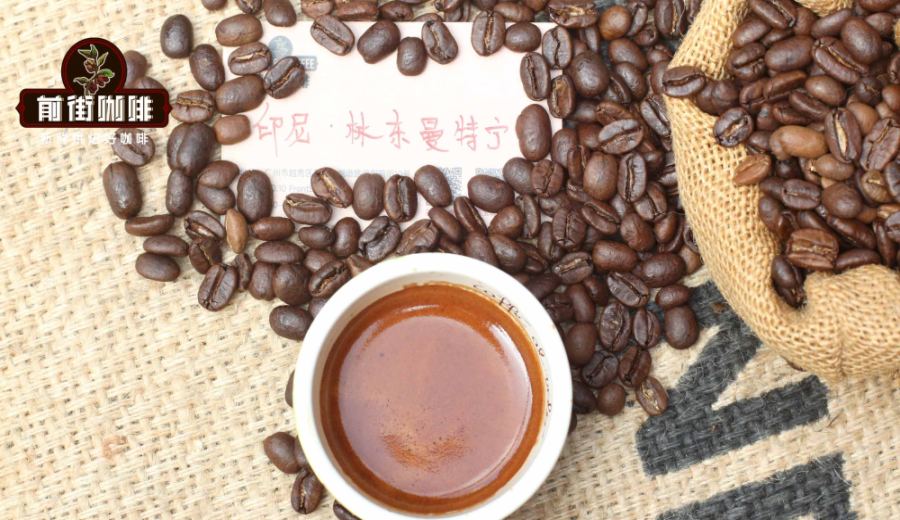
Introduction:Mandheling coffee is renowned for its rich and deep flavor profile, but it often sparks discussions due to issues with defective beans. Indonesian company PWN has implemented a rigorous selection process to upgrade Mandheling from the Gayo Highlands of Aceh to G1 grade, and introduced "Golden Mandheling" with a purer flavor. This article delves into its variety characteristics, regional background, and offers professional pour over brewing recommendations—from water temperature and grind size to pulse pouring techniques—to help you brew a Golden Mandheling with distinct layers and a pronounced aftertaste at home.
Mandheling coffee has carved out a niche in the Asian market with its unique full-bodied texture, but its relatively high proportion of defective beans has also made it a focal point of industry discussion. Indonesian green bean trader PWN, through precise mechanical screening and multiple rounds of manual hand-picking, has selected Mandheling coffee beans from the Gayo Highlands of Aceh, Sumatra, as G1 grade, and launched the well-known brand "Golden Mandheling," significantly enhancing flavor purity and consistency. This coffee is typically medium to dark roasted, showcasing prominent notes of nuts, caramel, and chocolate, making it a favorite among many coffee enthusiasts.
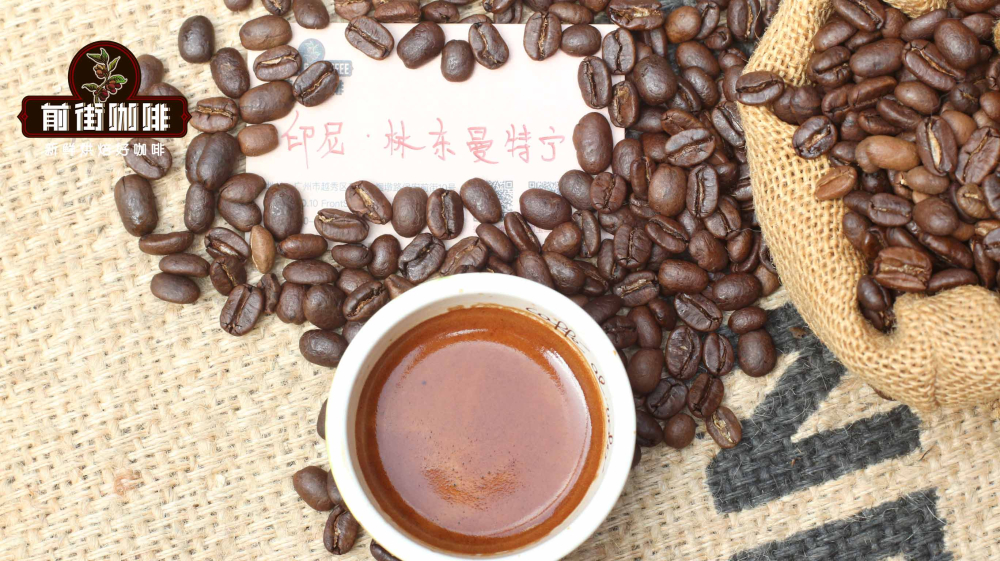
Mandheling green beans are relatively large and hard in size, and combined with Indonesia’s unique wet-hulling processing method, even slight mishandling during processing can easily lead to defects. If quality control is not stringent enough, the differences in quality between batches can be quite significant. Coupled with the impact of roast levels, Mandheling has long been a subject of debate among single-origin coffees. Nevertheless, its deep, steady flavor and rich aroma have still won over a wide consumer base, especially in Asia, where many people’s first encounter with coffee was captivated by this full-bodied and robust taste.
When tasting Mandheling, the tongue can perceive its smooth texture. Although the acidity is not high, it is not entirely absent—the subtle acidity complements the rich aroma, creating a mild yet vibrant drinking experience. This unique flavor combination has secured Mandheling an irreplaceable position in the hearts of coffee lovers.
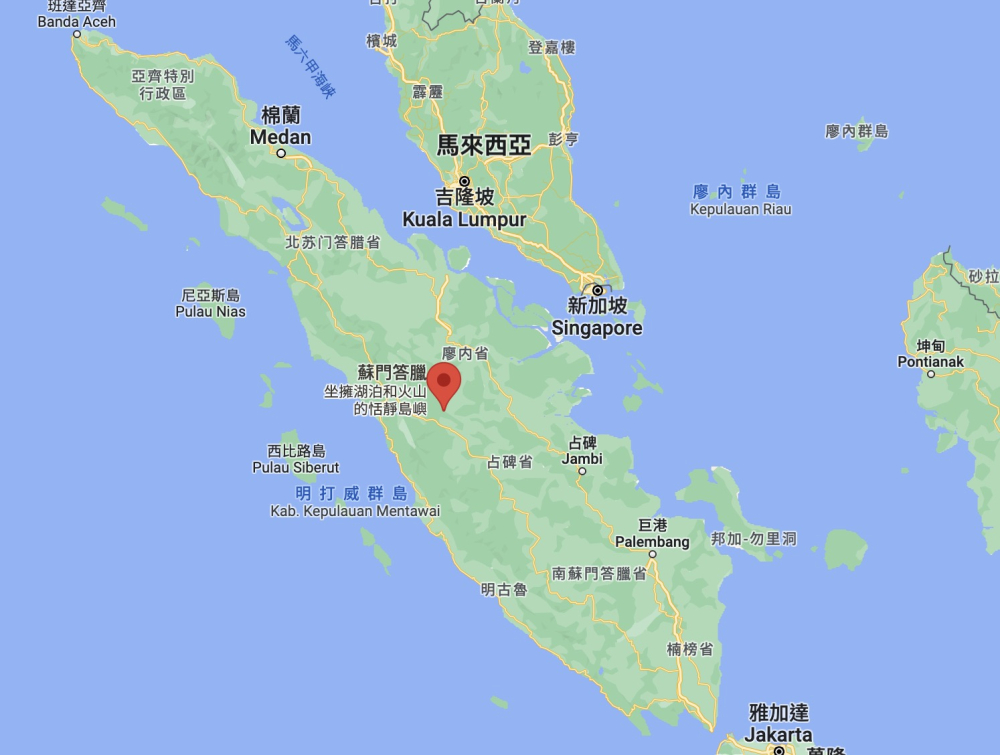
Speaking of Mandheling’s widespread fame, one cannot overlook the Japanese market’s preference for bold coffee. To address the issue of Mandheling’s higher proportion of defective beans, Japanese importers once invested considerable manpower in hand-selection. An Indonesian green bean trader saw a business opportunity and subsequently established PWN Pwani Coffee Trading Company, dedicated to improving the quality of Mandheling. After purchasing Mandheling coffee beans from the Gayo Highlands of Aceh, Sumatra, PWN conducts a series of strict screening procedures, including one machine screening and three rounds of manual hand-picking, ensuring that every batch of beans meets Indonesia’s highest G1 grade standard.
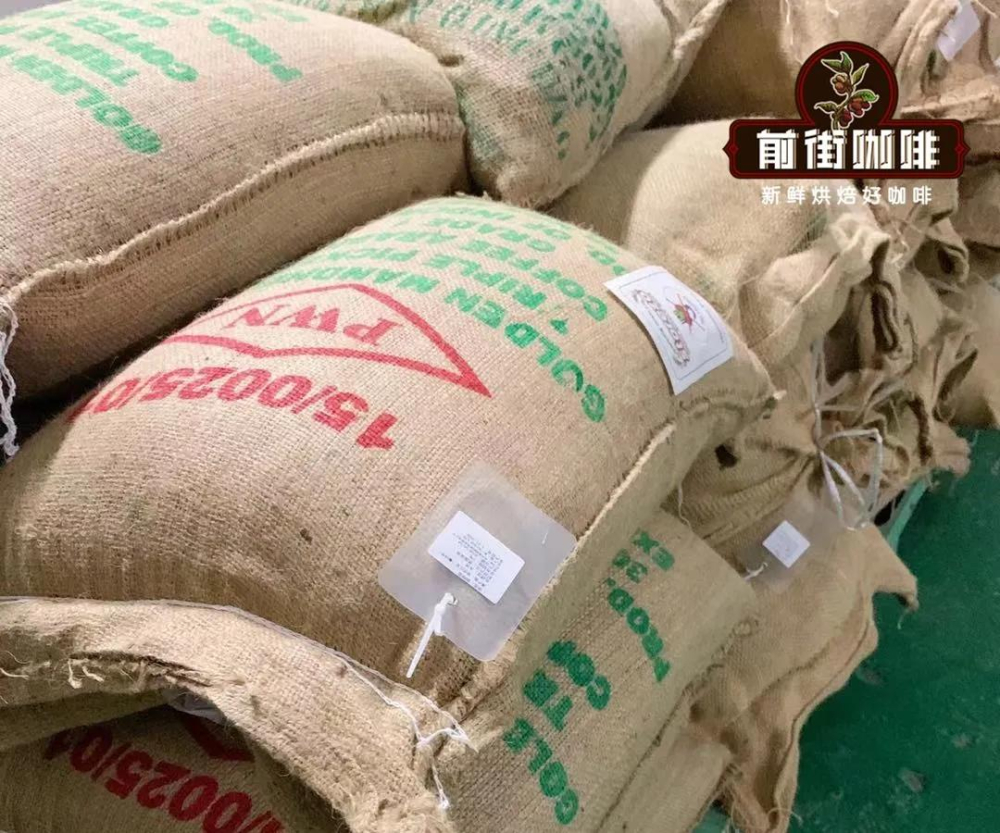
The primary task of machine screening is to limit the bean size to 18 mesh and above, followed by multiple rounds of manual selection focusing on removing irregularly shaped or visibly defective beans. Such rigorous quality control significantly reduces the defect rate and markedly improves the overall quality of Mandheling. To distinguish these meticulously selected beans from regular Mandheling on the market, PWN named them "Golden Mandheling" and registered it as a trademark. Customers purchasing these beans not only receive a certification issued by PWN but can also see PWN’s exclusive logo on the export sacks.
Golden Mandheling produced by PWN differs from ordinary Mandheling not only due to its multi-layered screening process, but also because PWN selects only Ateng variety beans grown by smallholder farmers under shade trees at altitudes between 1,110 and 1,600 meters in the Gayo Highlands of Aceh. Ateng is actually another name for Catimor, a hybrid descendant of the Bourbon variety of Arabica—specifically a cross between Caturra and Timor—with approximately one-quarter Robusta lineage. As such, it boasts strong disease resistance while retaining the rich flavor characteristics of Arabica coffee.
For this reason, PWN Golden Mandheling usually exhibits a cleaner flavor profile. It not only retains the herbal and spicy notes characteristic of Mandheling, but also delivers a rich dark chocolate flavor, along with a clearer and more lingering aftertaste. To fully unlock the potential of Golden Mandheling, using freshly roasted beans is crucial. It is generally recommended to start brewing within 5 days after roasting to ensure optimal flavor expression.
To highlight the bold characteristics of Golden Mandheling, shops typically opt for a medium to dark roast level. This roasting approach allows the beans to expand in volume and become more porous, enhancing their water absorption capacity after grinding and accelerating the release of various flavor compounds. To avoid over-extraction and excessive bitterness, it is recommended to use a medium grind size and slightly lower the water temperature when brewing, thereby controlling the release of bitter-tasting compounds at the source.
For PWN Golden Mandheling, the recommended brewing parameters are as follows: water temperature controlled at87~88°C, using15 grams of coffee grounds, with a brew ratio set to1:15, and a medium grind size (approximately 70% passing rate through a Chinese standard No. 20 sieve). The specific brewing steps are as follows: first, pour30 grams of water(about twice the weight of the coffee grounds) for blooming, for about 30 seconds, allowing the coffee grounds to fully expand; then, pour water in small streams in circular motions from the inside out. When the total water poured reaches125 grams, pause pouring and let the coffee drip down to half the height of the filter cone; next, continue pouring with the same fine stream until the total water volume reaches225 grams, and finally wait for all the coffee to finish dripping before removing the filter cone, with the entire process taking approximately2 minutes. After brewing, gently swirl the coffee to enjoy.
Through this brewing method, PWN Golden Mandheling can showcase a rich layering, with a full-bodied yet clean texture, pronounced notes of nuts and caramel, along with an enticing chocolate aroma. The finish is long and well-balanced, making it highly suitable for coffee lovers who enjoy dark roast profiles but also seek a delicate mouthfeel.
The above content is compiled by CoffeeHunters, a coffee news website.


