







Introduction:Robusta and Arabica are the two most predominant coffee species in the world, each differing significantly in flavor, adaptability, and usage. This article delves deeply into their botanical characteristics, chemical composition, regional distribution, processing methods, cupping profiles, and even their practical applications in espresso blends—helping readers understand their fundamental differences and exploring whether Robusta, under the right conditions, can break free from stereotypes to become an option for high-quality coffee.
In the world of coffee, Robusta and Arabica are the two varieties most often compared. Arabica, with its delicate and diverse flavors, has long dominated the specialty coffee market; whereas Robusta, due to its high caffeine content and strong disease resistance, is widely grown in low-altitude regions. Though often regarded as having a harsh flavor, it holds irreplaceable advantages in certain applications. This article will explore their differences comprehensively—from botanical traits and chemical components, to regional distinctions, processing techniques, cupping performance, and their roles in espresso blends—and examine whether Robusta is truly as "inferior" as it’s stereotypically perceived.
Basic Characteristics and Growing Environment of Robusta
Robusta originates from West Africa and thrives in lower altitudes (typically below 800 meters) and warmer climates. Compared to Arabica, Robusta grows faster, has stronger disease resistance, and is more tolerant to pests, diseases, and adverse climatic conditions, resulting in relatively lower cultivation costs. Its caffeine content is nearly double that of Arabica, at about 2.7%, a trait that serves as part of its natural pest defense mechanism. As a result, Robusta beans generally come at a more affordable price and are mostly used in commercial coffee or blended coffee beans.
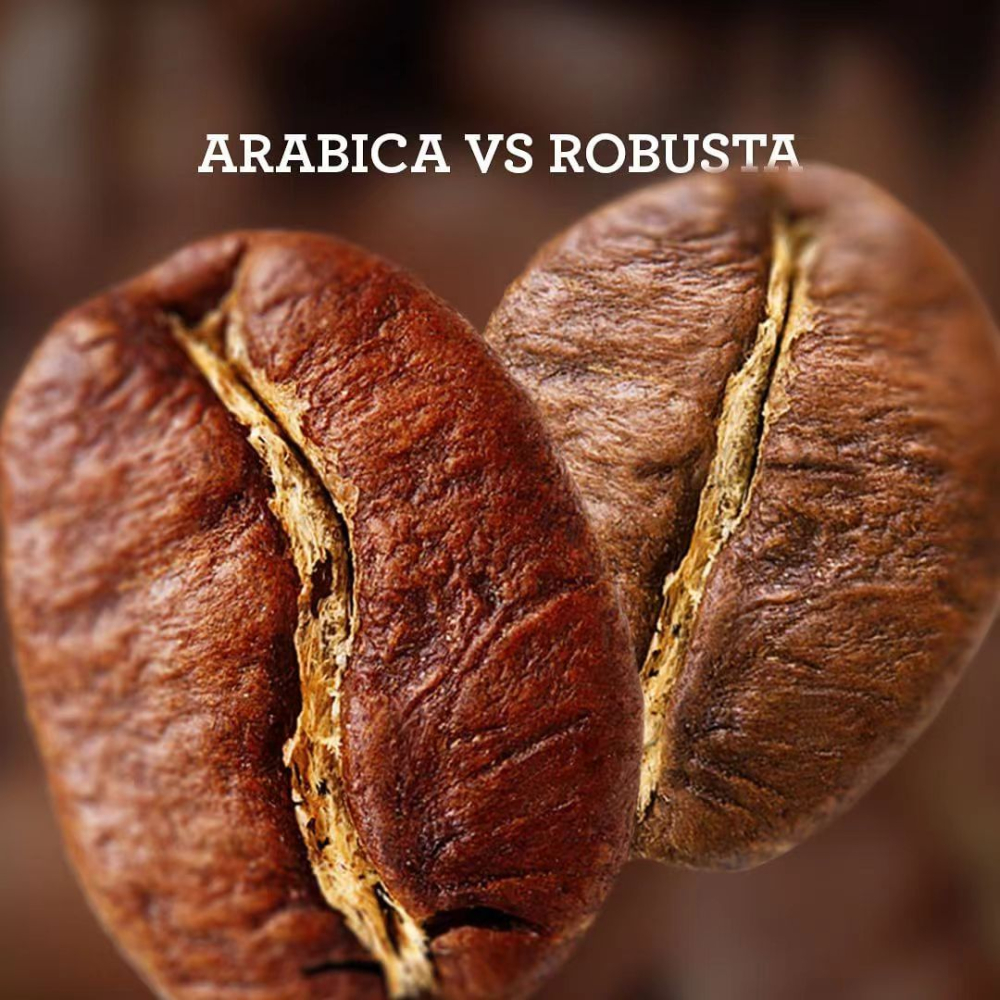
In appearance, Robusta has a “one fruit, one bean” structure—meaning each fruit contains only a single coffee bean. The beans are smaller, rounder in shape, have a straight “1”-shaped centerline, and the raw beans are usually yellowish-brown in color. These features differ from the flat, twin-bean structure of Arabica and also serve as one of the initial visual ways to distinguish the two.
Analysis of Flavor and Chemical Composition Differences
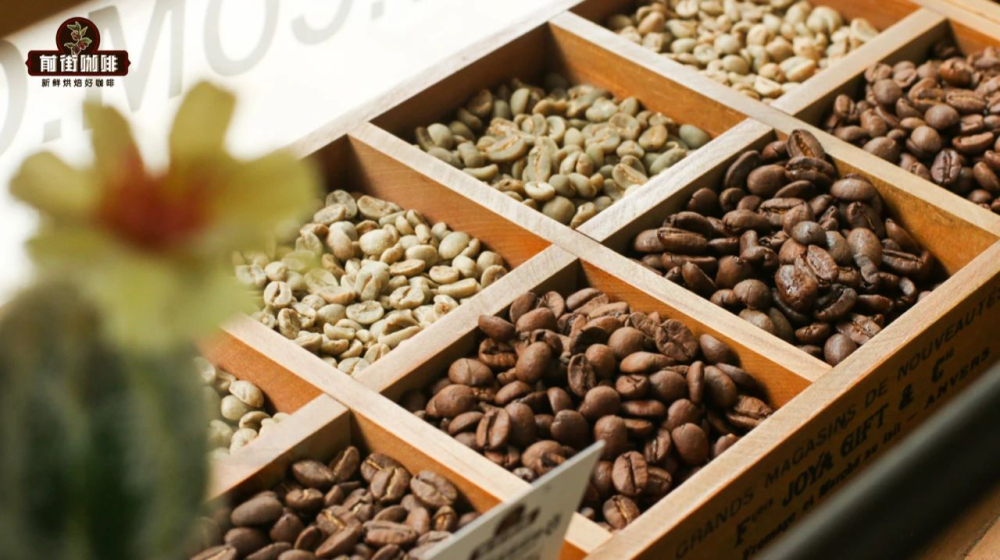
In terms of flavor, Arabica is generally considered to possess richer aromas and greater complexity, which is directly related to its chemical makeup. Arabica has about 60% higher total lipid content than Robusta, and these oils are crucial for aroma release and body/mouthfeel. Additionally, Arabica has lower levels of chlorogenic acids and caffeine, along with a more balanced amino acid profile, enabling it to more easily develop positive flavors such as fruity, floral, caramel, or nutty notes during development.
In contrast, Robusta, due to its high caffeine and chlorogenic acid content, tends to exhibit stronger bitterness and astringency, and is often described as having a “rubbery” or “woody” taste. These traits have long made it less favored in the specialty coffee market, where it’s typically used in instant coffee or low-cost blends. However, with adequate attention to cultivation and post-harvest processing, Robusta can also display clean acidity, brightness, and rich complexity.
Influence of Regional Distribution and Processing Methods
Approximately 40% of global coffee production comes from Robusta, with major producing regions including Vietnam, Indonesia, India, and parts of Africa—areas characterized by hot climates and low altitudes, which are highly suitable for Robusta growth. In comparison, Arabica is mostly cultivated in high-altitude regions such as Latin America, Ethiopia, and Kenya, where diurnal temperature variations and soil conditions help accumulate flavor compounds.
Processing methods are also a critical factor influencing final flavor. Robusta often suffers from low cupping scores due to mixed harvesting of unripe beans and less meticulous processing. In reality, by strictly selecting ripe fruits and employing appropriate drying and fermentation techniques, Robusta can also deliver surprising cleanliness and flavor detail—especially under natural (sun-dried) processing, where it may sometimes showcase unique tropical fruit or nutty tones.
Role in Espresso Blends and Roasting Strategies
In the world of espresso, blending is a common practice aimed at combining characteristics from different origins and varieties to achieve a balanced extraction with stable flavor. A typical commercial blend ratio might include 90% Arabica and 10% Robusta—this proportion maintains the coffee’s basic aroma while enhancing crema thickness and overall body through the addition of Robusta.
Regarding roasting, espresso is generally preferred to be medium-dark to dark roasted to reduce acidity, enhance the balance of bitterness and sweetness, and intensify aroma richness. Since Robusta naturally has lower acidity and higher caffeine content, it is often used to add bitterness support and improve crema texture in blends. Industry experience shows that adding a moderate proportion of Robusta to a blend can enhance the crema quality and mouthfeel of espresso, while also bringing out layers of caramel, nut, and dark chocolate flavors.
Extraction Parameters and Flavor Performance Examples
Taking a common commercial blend as an example, its composition might consist of 30% Colombian, 60% Brazilian, and 10% Robusta, with a brew ratio of 1:2, yielding around 40 grams of total extracted liquid using 20 grams of coffee grounds, and an extraction time controlled between 28–32 seconds. Under these parameters, the blend often presents caramel sweetness, nutty tones, cocoa and dark chocolate flavors, with a balanced acidity and sweetness, and a mildly sweet-bitter aftertaste. The overall performance is stable and well-suited for making milk-based coffees such as lattes and cappuccinos.
During actual extraction, it is recommended to pay attention to grind size, water temperature, and pressure settings to ensure full release of flavor compounds, while avoiding over-extraction or under-extraction. For blends containing Robusta, extending the development time moderately can help soften harshness and improve overall flavor harmony.
Re-evaluating the Potential of Robusta
For a long time, Robusta has been labeled as “low quality,” but this is largely due to its processing methods and market positioning. In fact, if equal attention is given to cultivation, harvesting, post-processing, and roasting, Robusta can deliver quality performance that is no less than that of average Arabica. In recent years, international organizations such as CQI have promoted the “Premium Robusta Standard,” aiming to establish a quality evaluation system and encourage market recognition of high-quality Robusta.
To improve the cupping performance of Robusta, the primary task is to optimize production and processing procedures—for example, by strictly selecting ripe fruits, controlling drying moisture, avoiding contamination, and using suitable fermentation and drying techniques. Through these adjustments, even Robusta can exhibit clean, bright, and layered flavor characteristics under pressure brewing.
In summary, Robusta and Arabica each have their own applicable scenarios and advantages. Robusta should not merely be synonymous with a “cheap substitute,” but rather a coffee variety with potential and worthy of re-evaluation. As long as all links in the supply chain are willing to invest more attention and technology, this often overlooked coffee bean may also become a highlight in the cup.
The above content is compiled by CoffeeHunters, a coffee news website.


