







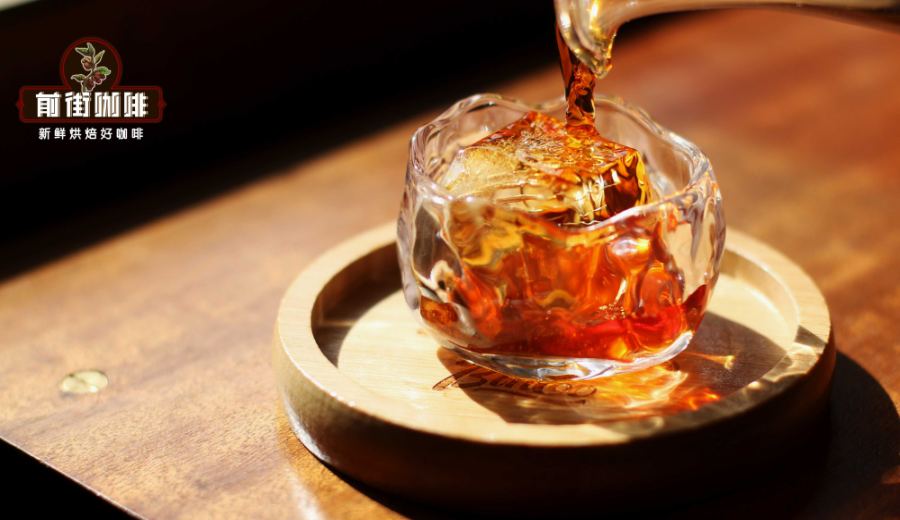
Introduction:Cold drip coffee is beloved by many coffee enthusiasts for its unique cold extraction method and rich flavor, but many mistakenly believe its caffeine content must be low. This article delves into the brewing principles of cold drip coffee, its actual caffeine content, and provides a complete guide to making it at home along with storage tips, helping you understand when it’s best to enjoy and how to effectively control the extraction.
Cold drip coffee is a method where coffee is slowly extracted through cold water dripping over an extended period. It’s widely appreciated for its smooth flavor and low bitterness. However, many assume that because it uses cold water, its caffeine content must be much lower than that of hot-brewed coffee—is this assumption correct? Moreover, can cold drip coffee be consumed immediately after brewing? Starting from the historical background and extraction principles of cold drip coffee, this article will deeply analyze the truth behind its caffeine content, and step-by-step guide you through how to make it yourself, as well as the optimal time to drink it.
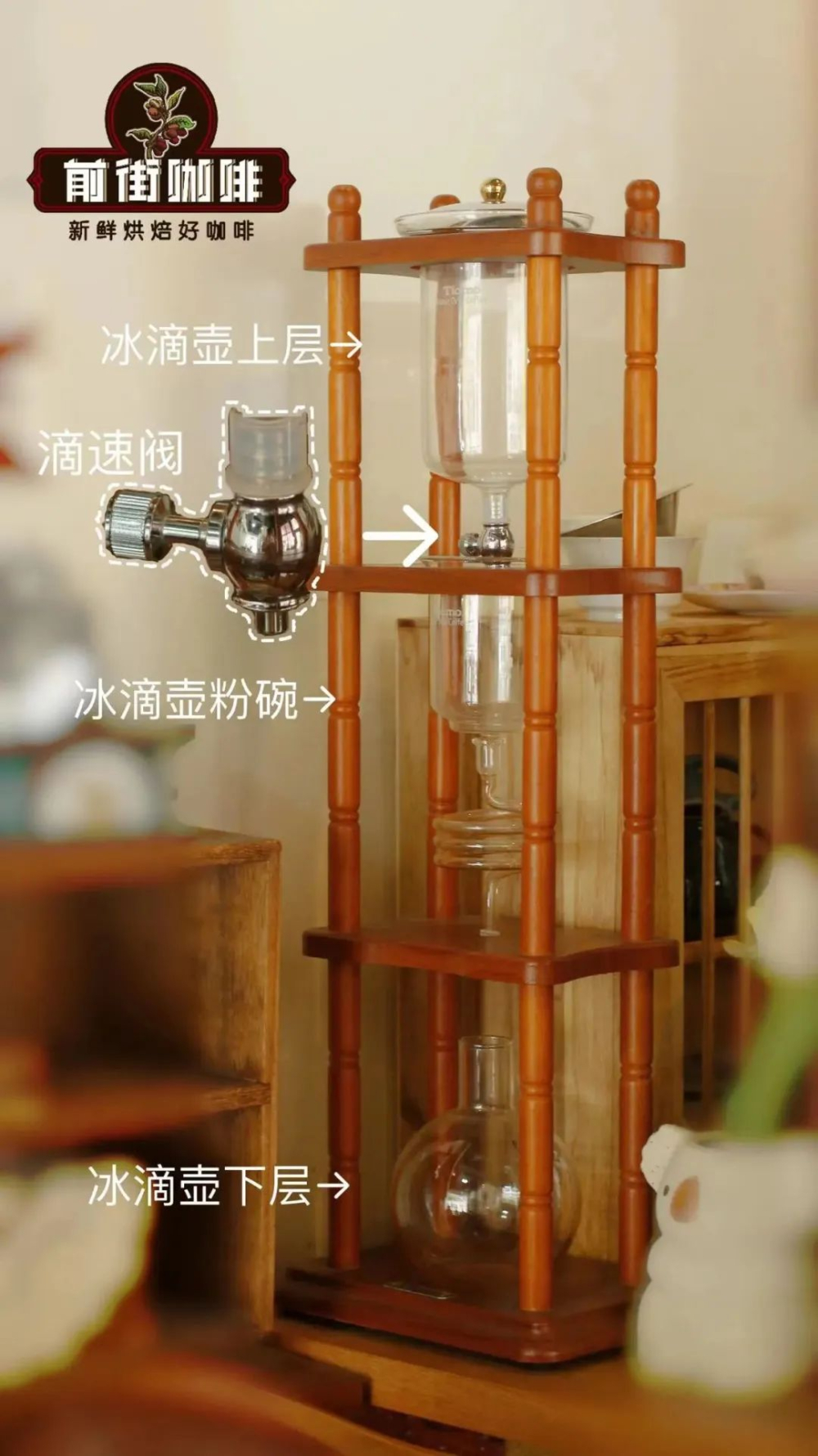
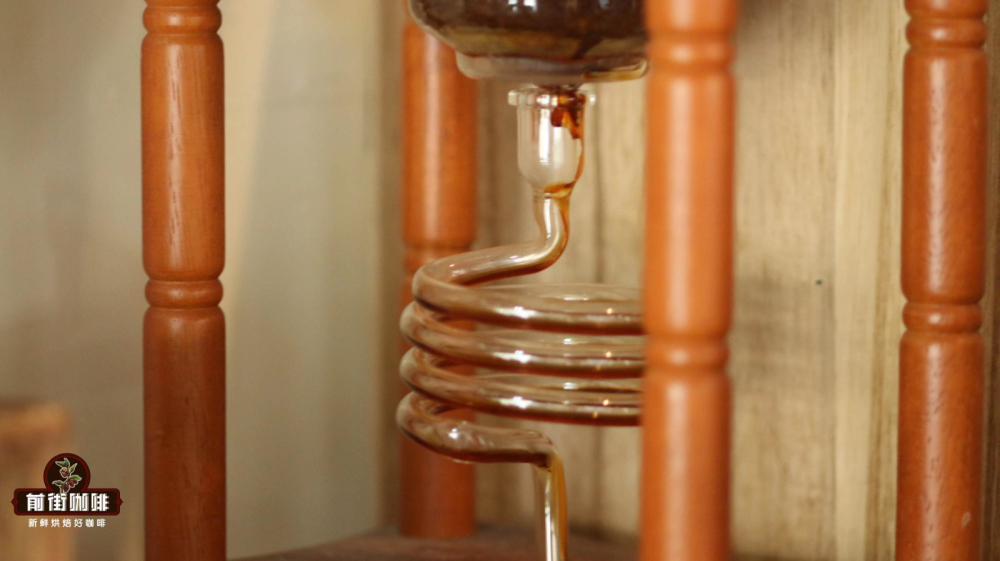
The prototype of cold drip coffee can be traced back to Europe, where it was introduced to Asia by Dutch merchants, hence it is also often called Dutch Coffee. Its most distinctive feature is the use of ice water or room temperature water, which slowly seeps through coffee grounds via gravity and time to extract the flavors. Traditional cold drip setups generally consist of three parts: the top vessel holds the ice water, the middle vessel contains the coffee grounds, and the bottom vessel collects the brewed coffee. This extraction method usually takes 6 to 8 hours, sometimes even longer, making it a brewing technique that requires considerable patience.
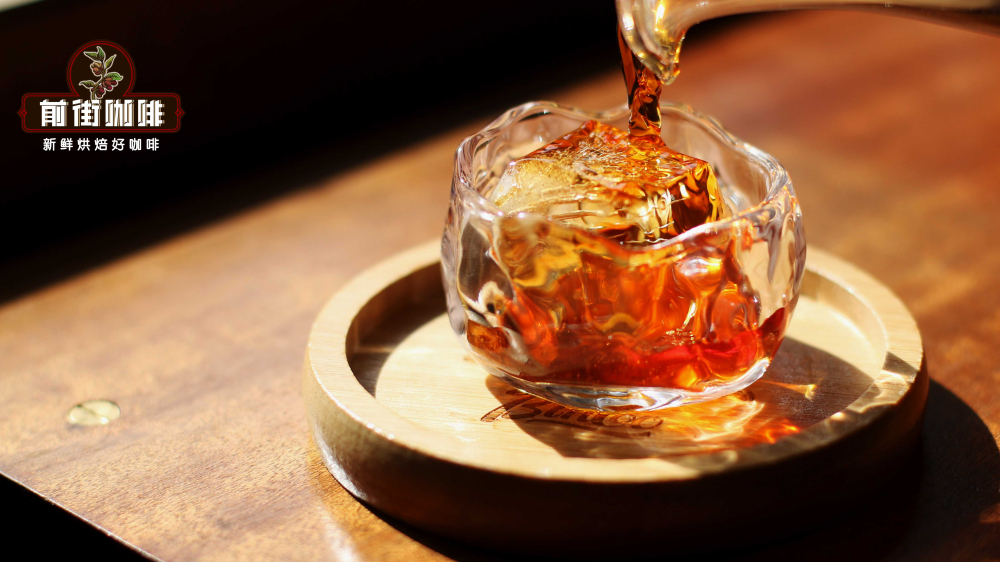
At low temperatures, substances in coffee that tend to cause bitterness and astringency are less likely to be released, so cold drip coffee often presents a low-acid, rich, and layered flavor profile. Especially during the extraction process, as the coffee grounds are in prolonged contact with cold water, they gradually release complex aromatic compounds. Sometimes, if left to ferment in the refrigerator for a period, it can even develop delicate aftertastes reminiscent of wine. This time-aged flavor is difficult to replicate with quick hot-water extraction.
However, it’s actually not recommended to drink cold drip coffee immediately after brewing. Because although many flavor compounds have been dissolved under prolonged cold extraction, they haven’t yet fully released or integrated. It’s suggested to transfer the brewed coffee liquid into a sealed container and let it sit in the refrigerator for 12 to 24 hours. This helps allow internal carbon dioxide to gradually release, making the flavor rounder and more balanced, while also improving the overall mouthfeel. It’s worth noting that even though the flavor may enhance over time in the fridge, it’s still advisable to consume it within 5 daysto avoid quality and health issues caused by bacterial growth or oxidation.
So, is the caffeine content in cold drip coffee really high? Many people mistakenly think using cold water significantly reduces caffeine levels. In reality,cold water does slow down the dissolution rate and total amount of caffeine, but due to the cumulative effect of prolonged extraction, the final released caffeine is still not negligible. Generally speaking, while caffeine dissolves most actively at temperatures above 80°C, it can still slowly release at lower temperatures, just at a slower pace. Therefore, the caffeine concentration in cold drip coffee may be slightly lower than that of hot-brewed coffee, but the overall level still depends on multiple factors, including coffee bean variety, grind size, drip rate, and total extraction time.
For example,Robusta coffee beans generally contain more caffeine than Arabica beans, so using the former for cold drip extraction will naturally result in higher caffeine content. Additionally, drip interval settings, coffee-to-water ratio, and whether a pre-wetting step is used can all affect the final extraction yield. Therefore, for those sensitive to caffeine who wish to reduce intake, cold drip coffee may not be the best option—consider using low-caffeine processed coffee beans instead.
Below is a practical basic homemade cold drip coffee process for reference:
1. Use a 1:10 coffee-to-water ratio, for example, 60 grams of coffee grounds to 600 milliliters of water.
2. Place a round filter paper at the bottom of the coffee grounds container, slightly dampen it to adhere to the walls, then add coffee grounds with a granularity similar to sugar, gently shake to level or apply slight pressure with a tamper to flatten the surface.
3. Place another layer of filter paper on top of the coffee grounds, which helps distribute water evenly and prevents the coffee bed from sinking due to prolonged dripping.
4. It’s recommended to first perform a brief pre-wetting with ice water (similar to the bloom step in pour over), helping the coffee grounds fully expand and improving overall extraction consistency.
5. Use ice water or a mixture of ice and water, adjusting the drip rate to about 7 drops per 10 seconds, fine-tuned according to personal taste.
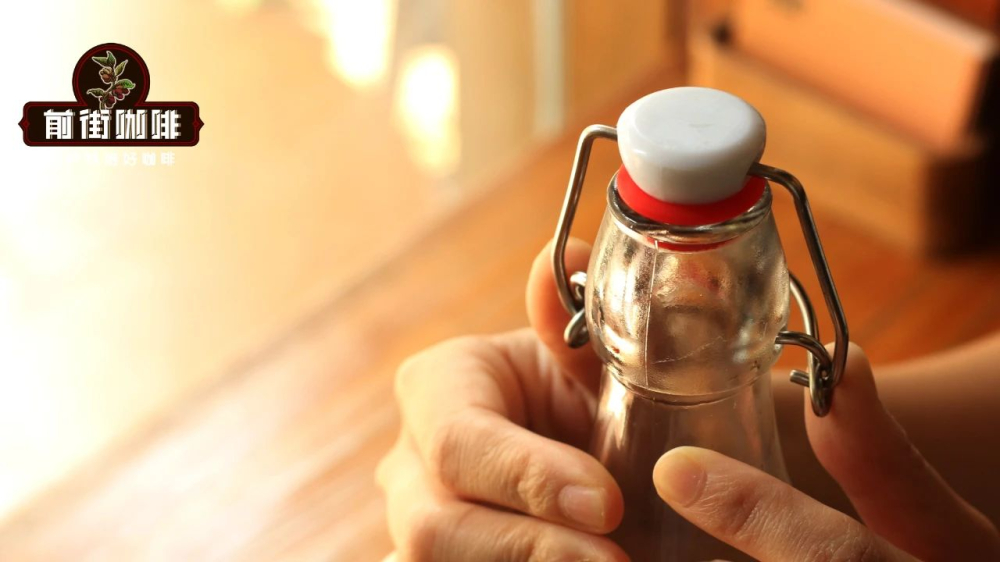
6. After extraction, pour the coffee liquid into a sealed glass bottle, and it’s recommended to refrigerate it overnight to allow the flavors to further integrate, resulting in a smoother mouthfeel.
Overall, cold drip coffee is a highly patient and detail-oriented brewing method. It not only showcases the layered characteristics of the coffee itself but also highlights unique flavor traits through cold extraction. Whether you’re looking for a less stimulating coffee experience or are simply curious about the cold brew process, cold drip coffee is worth trying. As long as you get the coffee-to-water ratio, drip rate, and resting time right, you too can enjoy this time-refined coffee flavor at home.
Finally, a reminder: although the flavor of cold drip coffee improves with refrigeration time, it’s best to consume it sooner—not only for optimal flavor but also to avoid potential quality risks. If you enjoy exploring different brewing methods, consider adding cold drip to your coffee experimentation list, and experience the flavor narrative woven together by time and water.
The above content is compiled by CoffeeHunters, a coffee news website.


