







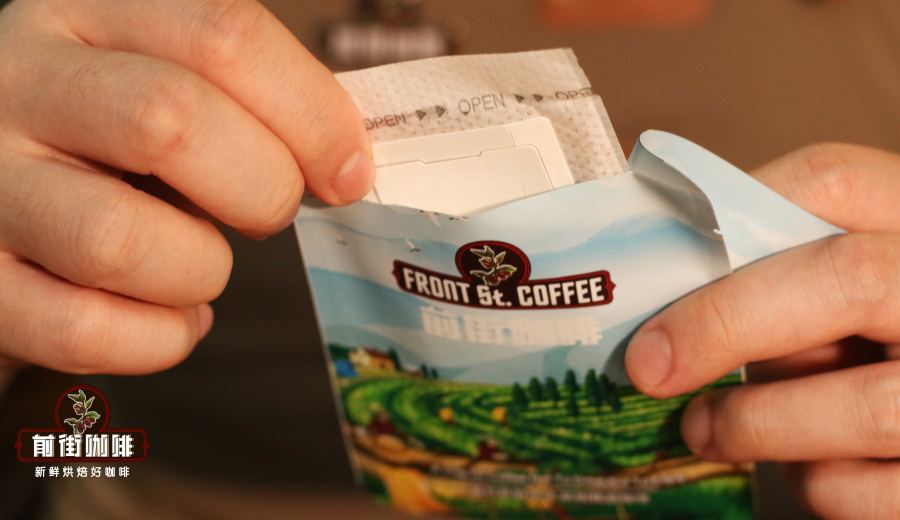
Introduction:Drip bags combine the convenience of instant coffee with the nuanced flavors of pour over brewing. Since their inception in Japan in the 1990s, they have gradually become a mainstream choice in the East Asian market. This article delves into the development background and global trends of drip bags, and features five representative single-origin beans—ranging from fruity to rich profiles. It also provides expert grind recommendations and detailed brewing steps to help you easily master the art of brewing premium drip bag coffee.
Drip bags are a brewing method that combines convenience with quality. Their design concept can be traced back to 1990, when Yamasan Industry Co., Ltd. in Japan first introduced the tea bag concept to the coffee industry and successfully applied for a patent. Since then, drip bags have rapidly gained popularity in East Asia due to their ability to deliver the delicate flavors of pour over coffee without the need for complex equipment. Compared to traditional instant coffee, drip bags preserve more of the original flavors of coffee, making them ideal for modern lifestyles that value quality but are pressed for time.
Currently, the global drip bag coffee market is still dominated by Japan, which accounted for over 90% of the approximately 1.4 billion drip bags sold worldwide in 2011—even Starbucks once launched its own exclusive drip bag product. Although their overall market share is not as high as that of instant coffee, their growth rate is astonishing. Particularly in the Chinese market, as consumers place greater emphasis on food safety and coffee quality, drip bag coffee has seen an annual growth rate of over 30% since 2017, demonstrating strong market potential.
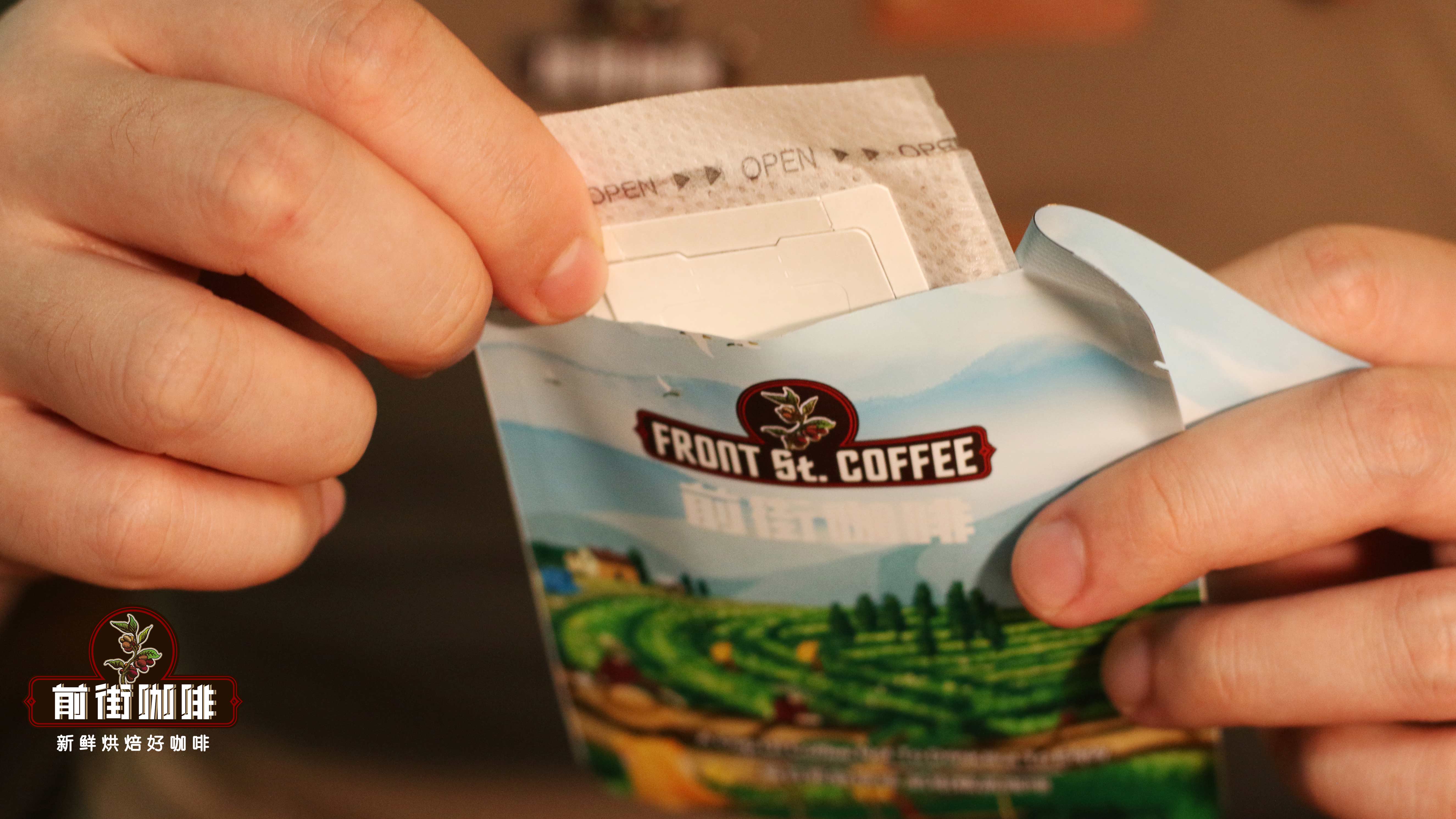
Drip bags are referred to in English as instant drip coffee bags. Their greatest advantage lies in combining the convenience of instant coffee with the layered flavors of pour over coffee. With just hot water and a cup, you can enjoy a coffee experience close to professional pour over brewing at home or in the office. This article will start with market trends and introduce five drip bag coffee beans with distinct flavor profiles, including fruity, floral, fermented, wine-like, and bold tastes, while also detailing the key aspects of drip bag production and optimal brewing parameters.
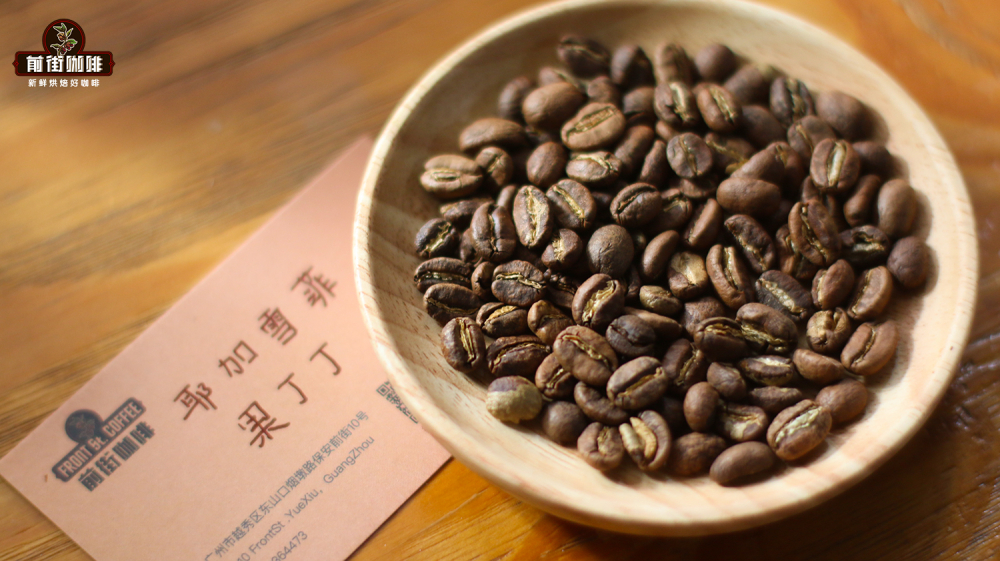
[Fruity Profile] First up is the washed “Gu Ding Ding” from Yirgacheffe, Ethiopia. Grown at altitudes of 1,900–2,300 meters using heirloom varieties, this bean undergoes washed processing to deliver a clean and bright acidity, with prominent citrus notes, jasmine floral tones, and a honey finish.Great for beginners, it allows you to experience the most authentic fruity characteristics of coffee.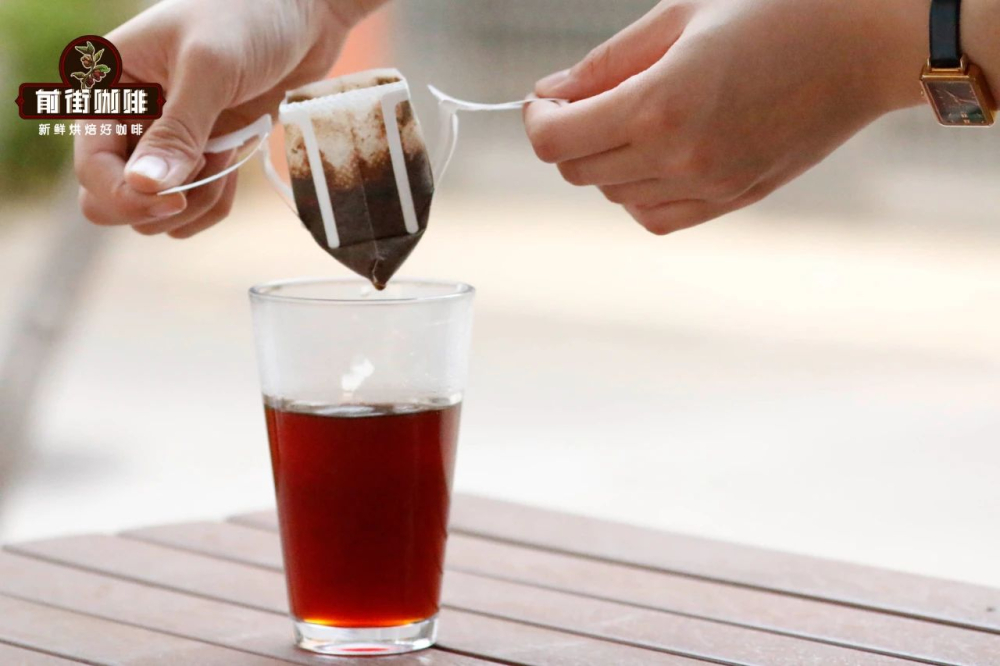 During cupping, you can feel a solid body, with berry and cream notes emerging as the temperature changes, and a lasting citrusy acidity in the aftertaste.
[Floral Profile] is represented by Panama’s “Geisha Flower Butterfly,” a blend containing 70% Geisha lineage, combined with Caturra and Catuai varieties, grown at an altitude of 1,600 meters in a volcanic region. The unique microclimate creates rich floral and black tea notes, with distinct layers of berry and citrus flavors, and a soft nutty finish.The washed processing methodensures balanced acidity, low bitterness, and a smooth mouthfeel, making it a highly cost-effective choice.
[Fermented Profile] We recommend Costa Rica’s “Strawberry Sugar Geisha Blend,” which uses the raisin honey processing method to retain complete fruit mucilage and employs zero-water treatment. This special technique gives the coffee a pronounced fermented sweetness, and the drying process requires precise control of flipping frequency to avoid over-extraction.After brewing, you can enjoy intense dried fruit aromas, paired with jasmine floral notes and an almond aftertaste, with the sweetness particularly standout.
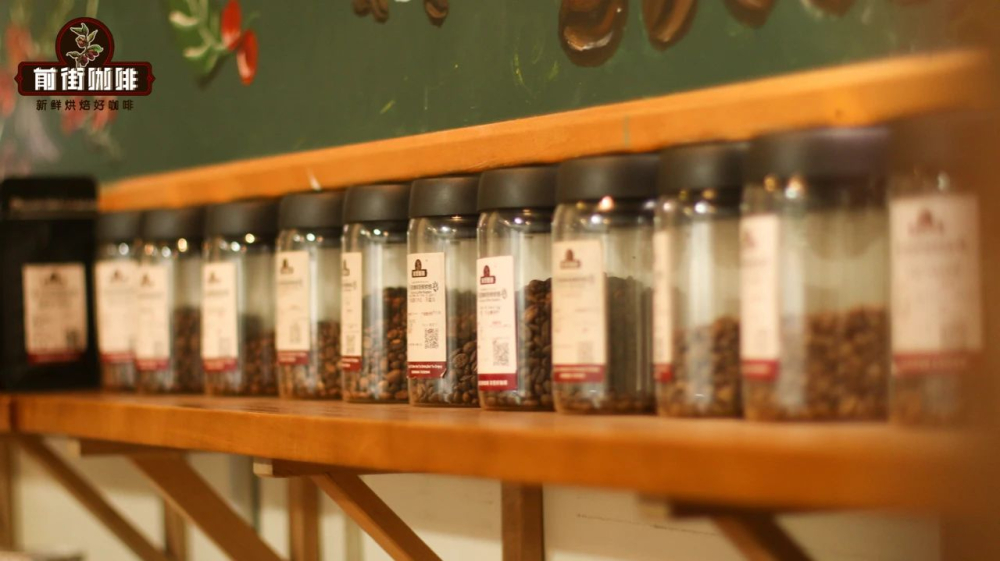
[Bold Profile] The top pick is Brazil’s “Queen Estate Yellow Bourbon,” a sun-dried coffee from the Mogiana region at altitudes of 1,400–1,950 meters. Brazilian coffee is known for its low acidity and bold body, and the Yellow Bourbon variety brings additional chocolate and nutty aromas.The semi-washed processing methodadds moderate acidity and tropical fruit notes, resulting in a well-balanced flavor with a long-lasting aftertaste.
Regarding the key points of drip bag production, first ensure the grinder is clean to avoid flavor contamination between different beans. The grind size should be between superfine sugar and sea salt; too fine may lead to slow flow and over-extraction, while too coarse may result in under-extraction. It is professionally recommended to use a medium grind setting and check the uniformity of the coffee grounds before brewing.
Packaging is equally crucial. Modern drip bags often use nitrogen flushing and aluminum foil sealing to effectively extend freshness. Consumers should pay attention to the expiration date and it is recommended to consume the coffee soon after opening to enjoy the best flavor.
Standard brewing recommendation: Use 10 grams of coffee grounds, with a coffee-to-water ratio of 1:15–1:16 (approximately 140–150ml), and water temperature controlled at around 90°C (let the water sit for 2–3 minutes after boiling).The first step is a 30-second bloom,followed by pouring water in a circular motion until full, repeating until the target volume is reached. The entire process takes about 1 minute, with attention to maintaining a steady flow and even pouring.
Mastering these points allows you to enjoy a professional-grade drip bag coffee experience anytime, anywhere—whether at home, in the office, or while traveling—you can easily brew a premium cup of coffee with a complete flavor profile.
The above content is compiled by CoffeeHunters, a coffee news website.


