








Introduction:Espresso is the soul base of many classic coffee beverages, but in addition to the commonly known Espresso, there are three other classic types of concentrated coffee: Ristretto, Normale, and Lungo. Each has its own unique extraction ratio and flavor profile. This article takes an in-depth look at the definitions, differences, extraction parameters of these three types of espresso, as well as how to adjust grind size and time to bring out different layers of coffee flavor, helping you better understand the essence of Italian coffee culture.
Italian coffee has had a profound influence on global coffee culture. Whether it’s the classic Americano, Latte, or Cappuccino, or creative specialty drinks, they almost all rely on the key foundation of espresso. In Italian, "espresso" means "fast," not only because it is brewed quickly, but also because of its intense, concentrated, and layered characteristics that leave a lasting impression.

Espresso refers to the process of forcing hot water through finely ground coffee beans under high pressure to extract a small yet highly concentrated amount of coffee liquid. This coffee is topped with a golden layer of fine crema, which is not only a visual highlight but also an important indicator of quality. Although Espresso may not always be the star on many café menus, it is essentially the soul of all milk-based coffees and creative beverages.
Looking back at history, as early as 1884, the Italian Angelo Moriondo invented the first espresso machine, which already used steam and pressure to improve extraction efficiency, resulting in a more intense coffee flavor. By 1948, Achille Gaggia made further innovations by using a lever machine to generate high pressure, creating the familiar crema layer we know today and officially defining the standard image of espresso.
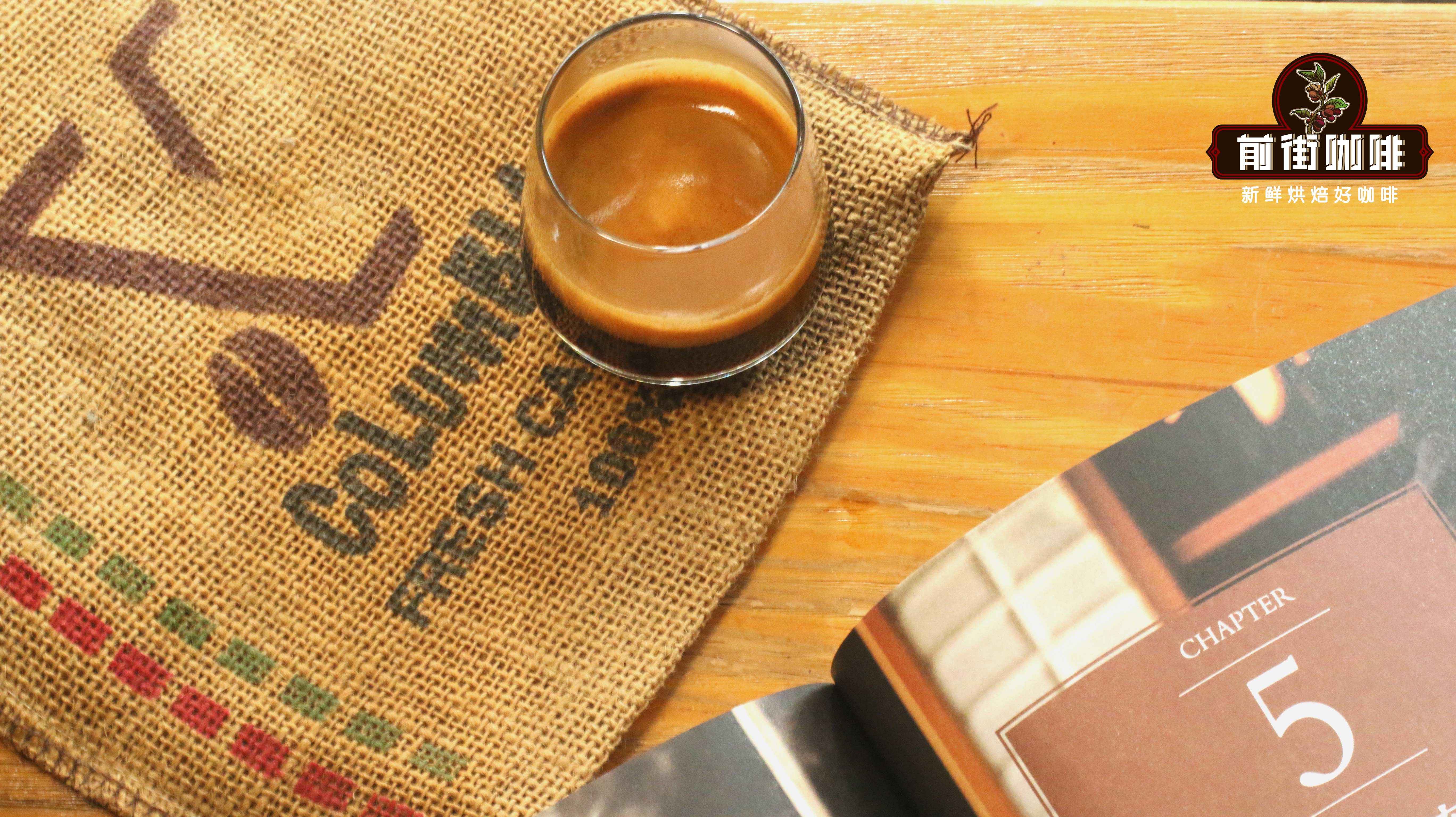
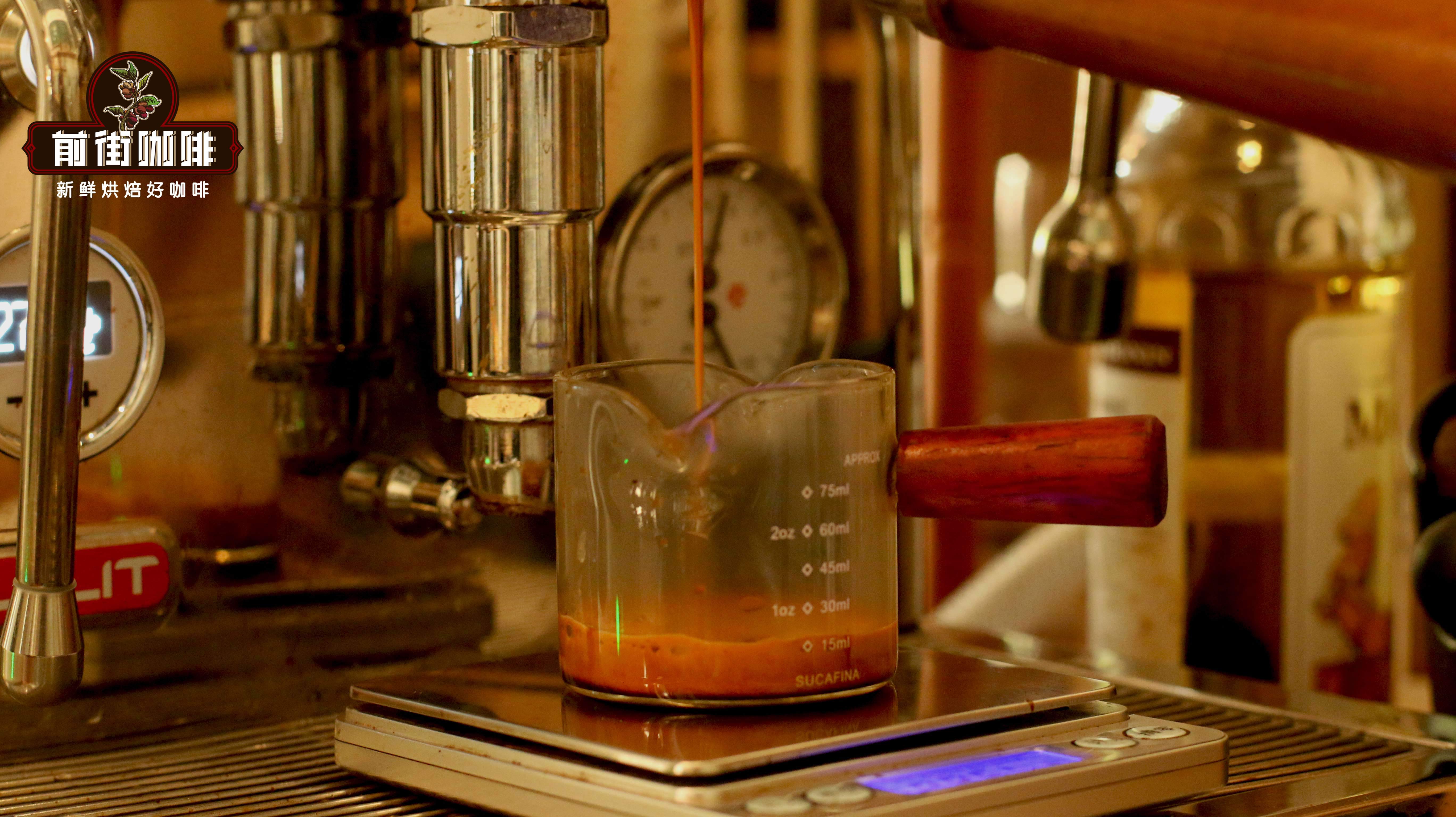
A standard Espresso typically uses about 7–10 grams of coffee grounds to extract 30–40 grams of coffee liquid, with the time controlled between 25–30 seconds. The coffee-to-water ratio is approximately 1:2 to 1:3, which is the most common standard for "Normale (normal espresso)." This extraction method balances concentration and flavor, making it suitable for direct drinking or as the base for other coffee beverages.
However, the world of espresso is not limited to just one style. Depending on extraction time, water volume, and coffee-to-water ratio, it can be further divided into three main types: Ristretto (short shot), Normale (standard), and Lungo (long shot), each with its unique taste and suitable scenarios.
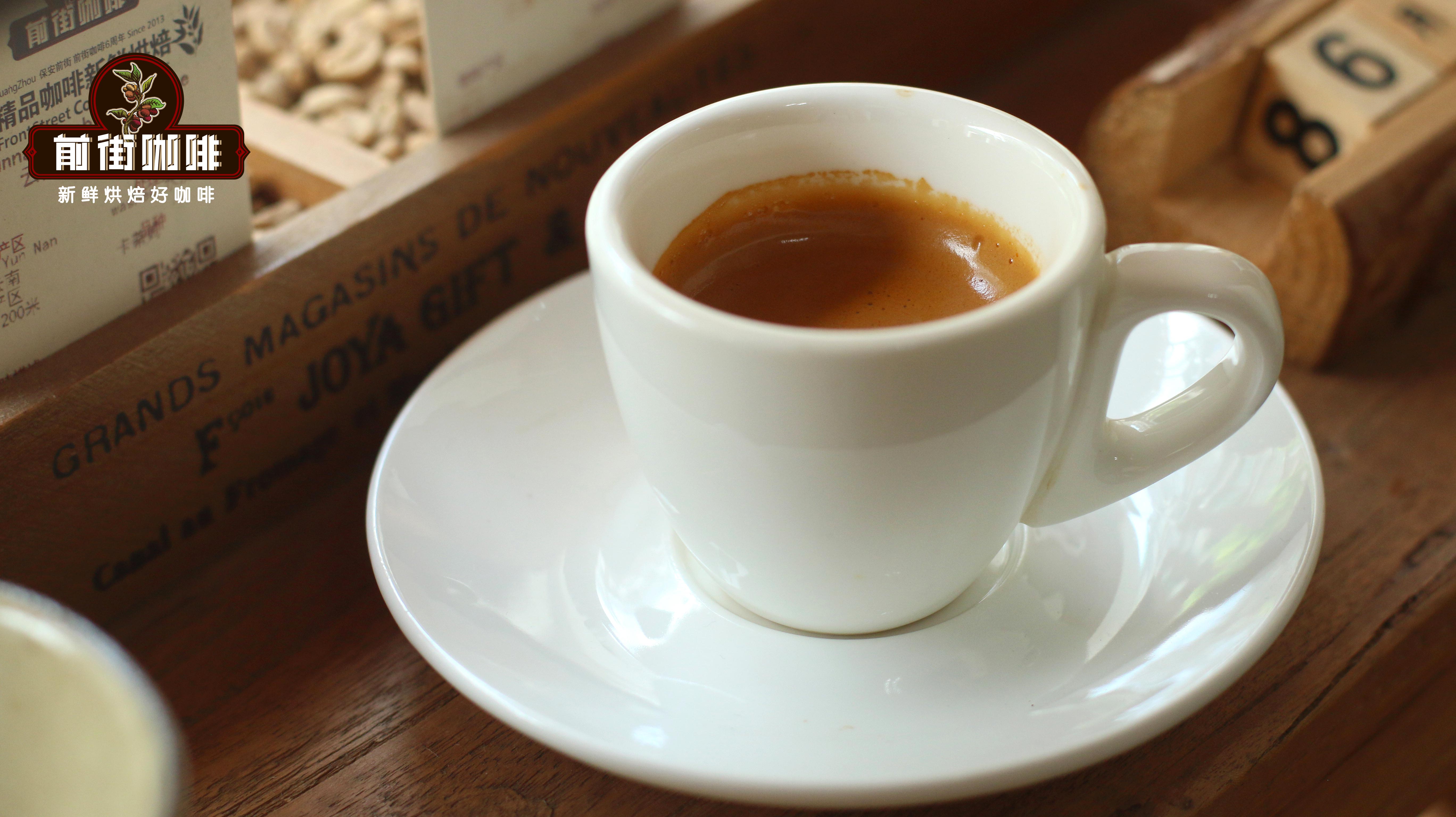
Ristretto, meaning "restricted" in Italian, is a type of espresso that extracts only the initial part of the shot, resulting in a smaller yield. A common practice is to use the same amount of coffee grounds (e.g., 20 grams), but only extract about 20–28 grams of coffee liquid, roughly 70% of a standard Espresso, resulting in higher concentration and more intense flavors.
For example, if 20 grams of coffee yields 40 grams of liquid (a 1:2 ratio) as a Normale, then a Ristretto might only yield 28 grams (a 1:1.4 ratio), with a relatively shorter extraction time. Some shops also adjust the grind size to slow down the water flow, further enhancing the intensity of the espresso's flavors. This extraction method is often used to make milk-based coffees like Flat White, which emphasize the flavors of the initial extraction.

Normale, what we commonly refer to as espresso, is the standard form of espresso most cafés serve by default. According to the Golden Cup extraction theory, its extraction yield usually falls between 18%–22%, with concentration ranging from 8%–12%. This extraction method balances acidity, sweetness, bitterness, and aroma, making it suitable for direct enjoyment or as the foundation for Lattes, Cappuccinos, and other milk-based coffees.
Compared to the intense concentration of Ristretto, Normale offers a more well-rounded taste, showcasing the diverse flavor layers of the coffee bean—from nuts and chocolate to subtle berries and wine-like notes—all of which may appear in its flavor profile.

Lungo, meaning "long" in Italian, is a form of espresso that uses the same amount of coffee grounds but extends the extraction time and increases the water volume. Typically, the coffee-to-water ratio is 1:3 or higher, with some recipes even reaching 1:5 (e.g., 20 grams of coffee yielding 100 grams of liquid). As a result, the coffee flavor is lighter, with acidity and bitterness being relatively softer, making it suitable for those who prefer a refreshing taste or lower-concentration coffee.
However, due to the extended extraction time, improper control can easily lead to over-extraction and unwanted off-flavors. Therefore, careful adjustment of grind coarseness and water temperature is needed during actual operation to maintain flavor balance.
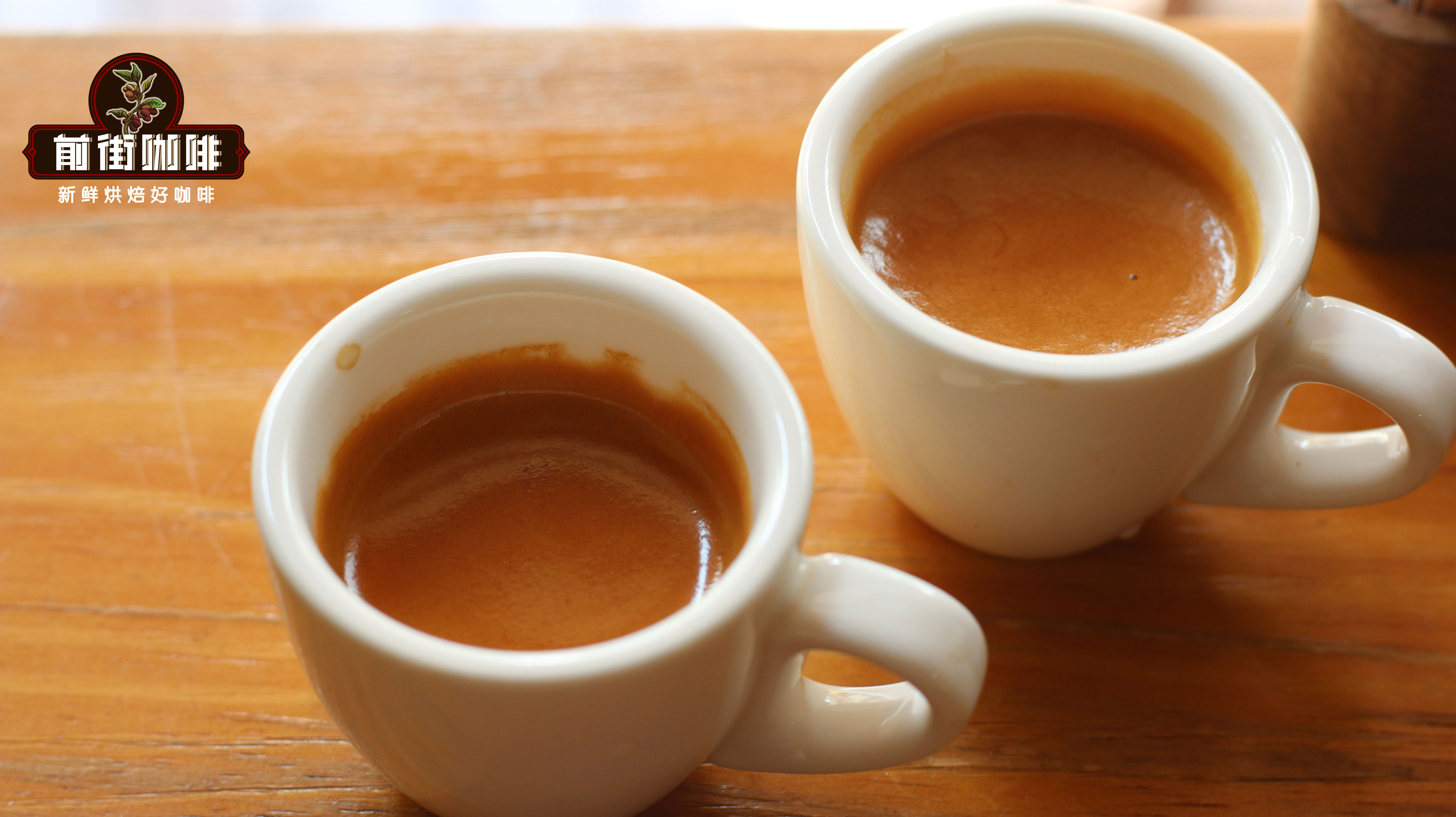
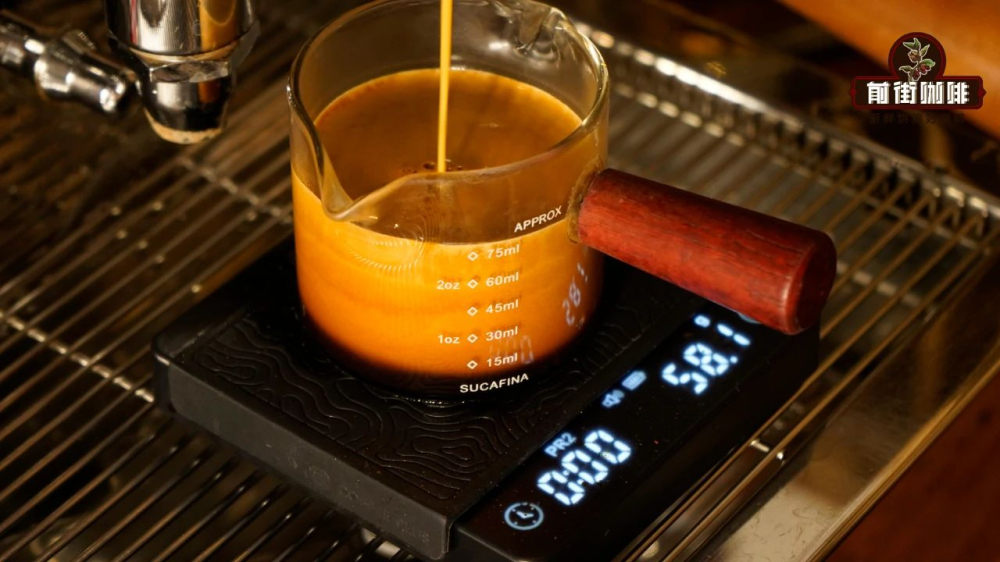
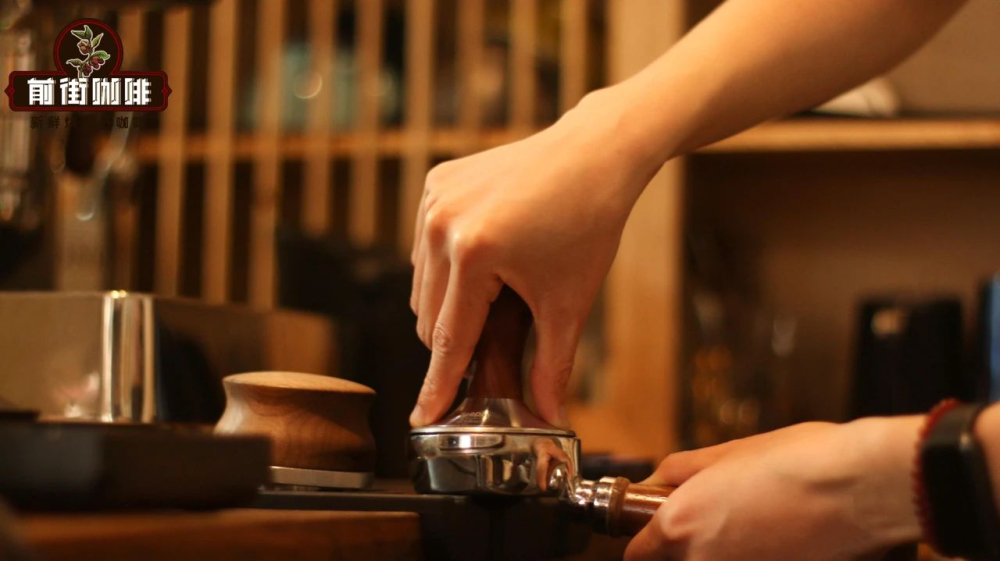
If you want to personally experience the differences among these three types of espresso, it is recommended to start by controlling the coffee dosage and extraction time. Using a common double-shot portafilter as an example, use 18–20 grams of coffee grounds, and first extract a standard Normale with a 1:2 coffee-to-water ratio (about 40 grams of liquid), keeping the time within 25–30 seconds. Observe the thickness of the crema and the flavor expression.
Next, try adjusting the extraction time or water volume to make both Ristretto and Lungo, comparing the differences among the three in terms of concentration, acid-sweet balance, aroma intensity, and aftertaste, to further understand the diversity and refinement of espresso.
The above content is compiled by CoffeeHunters, a coffee news website.


