







Introduction:To brew a balanced shot of espresso, mastering the correct extraction parameters is key. This article delves into the core elements such as coffee dose, brew ratio, and extraction time, guiding you through the golden range for espresso extraction and detailing the full operational process from dosing to cleaning. Whether you're a beginner or a barista looking to refine your skills, you’ll find practical brewing guidance here.
In the world of coffee, extraction parameters have a far more significant impact on the final flavor of espresso than they do on pour over. This highly concentrated brewing method demands extreme precision—minor deviations in dose, water temperature, or time can lead to noticeable differences in flavor. Understanding and precisely controlling these parameters is the foundation for crafting an ideal espresso.
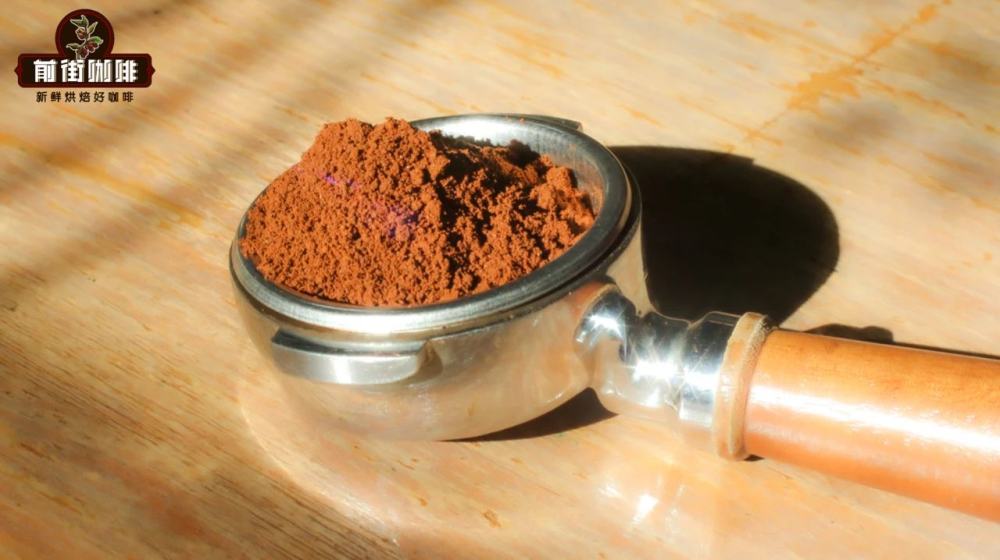
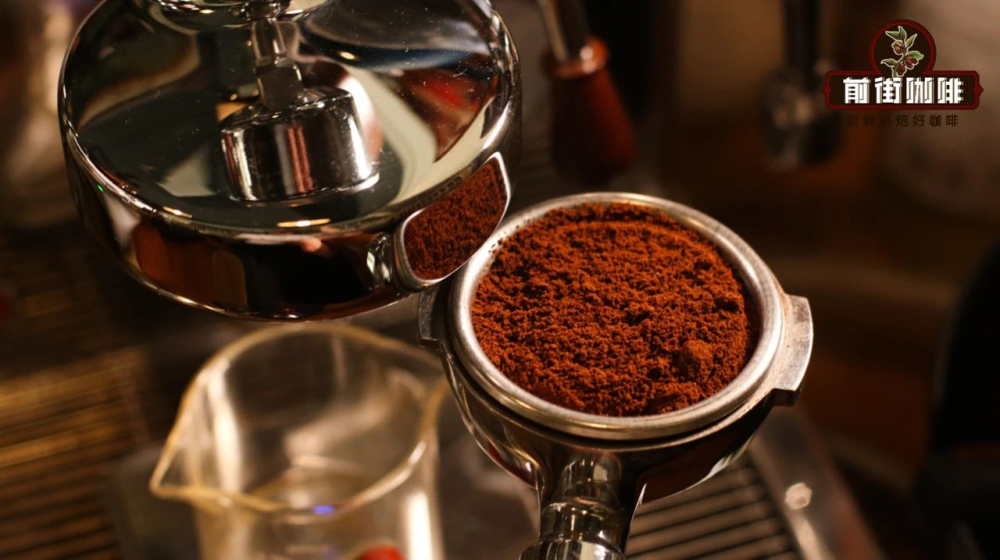
First, let’s focus oncoffee doseselection. The amount of coffee is primarily determined by the basket’s design capacity. Common double baskets typically hold between 16 to 22 grams. Though specifications vary slightly by machine brand, it’s generally recommended to keep the actual dose within 1 gram of the basket’s rated capacity. For example, if using an 18g basket, a dose between 17 to 19 grams is appropriate. It’s important to note that too little or too much coffee can affect puck density—insufficient coffee results in a loose puck structure, causing water to pass through too quickly and leading to under-extraction; conversely, too much coffee makes the puck overly dense, not only slowing flow rate but in severe cases preventing any coffee from being extracted at all.
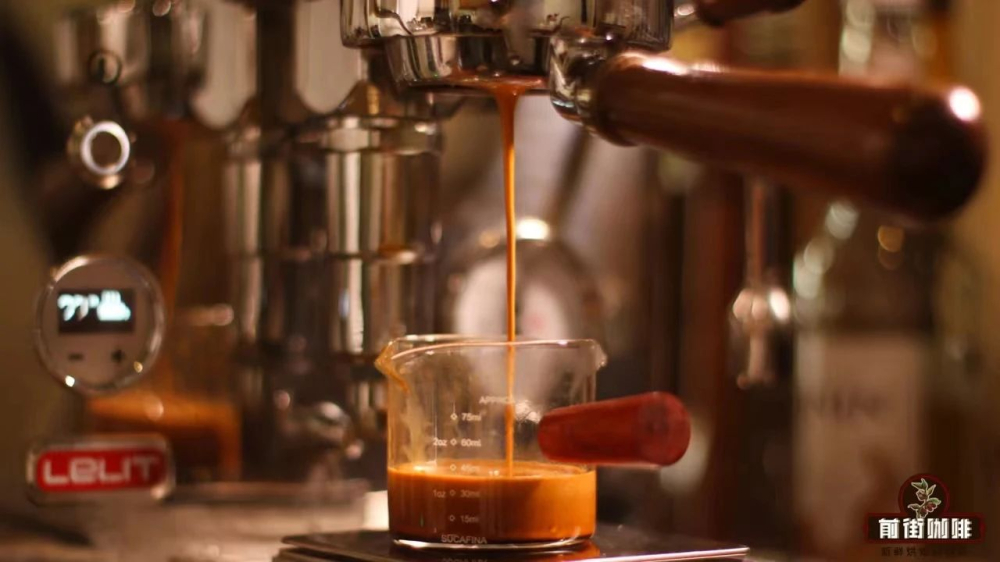
Regardingbrew ratio, this is a key metric influencing the intensity of espresso. The traditional single shot standard is 7–8 grams of coffee yielding 25–30 milliliters of espresso, but this volume-based method can be unreliable due to the unpredictability of crema thickness (affected by roast level and freshness), potentially leading to inconsistent results. Nowadays, the coffee weight-to-espresso weight ratio is more commonly used, typically ranging from 1:1.5 to 1:2.5, with 1:2 (e.g., 20g coffee yielding 40g espresso) being the most widely adopted benchmark. A ratio set too low may result in overly intense and noticeably bitter coffee; a ratio set too high can lead to thin flavor, or even under-extracted sourness.
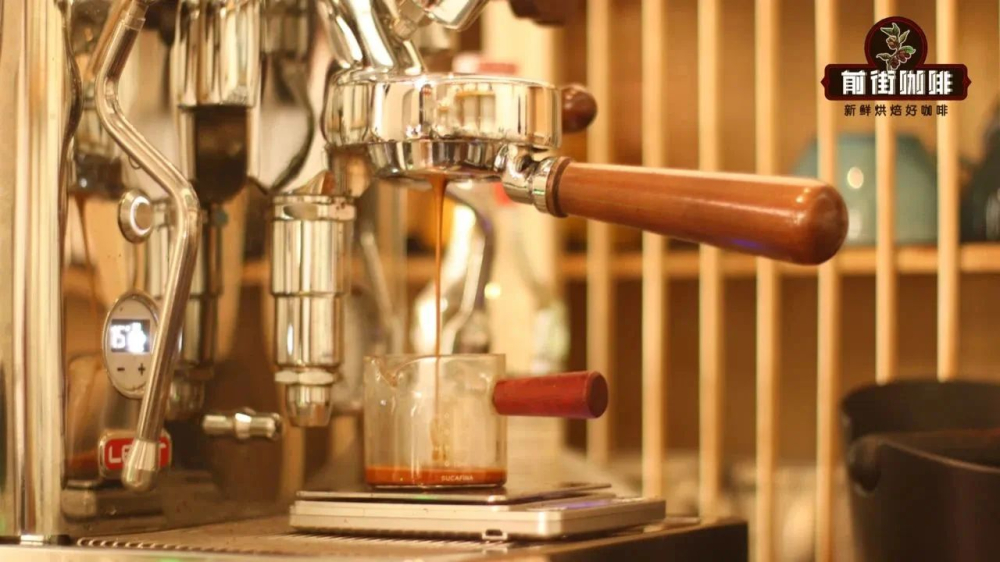
Extraction timecontrol is equally critical. Generally, the full process from starting the extraction to finishing should take between 20 to 30 seconds. This parameter is influenced by both grind size and brew ratio—higher ratios require more water, thus extending time; finer grinds create a denser puck, increasing resistance and also lengthening extraction time, though overly fine grinds can easily lead to over-extraction.
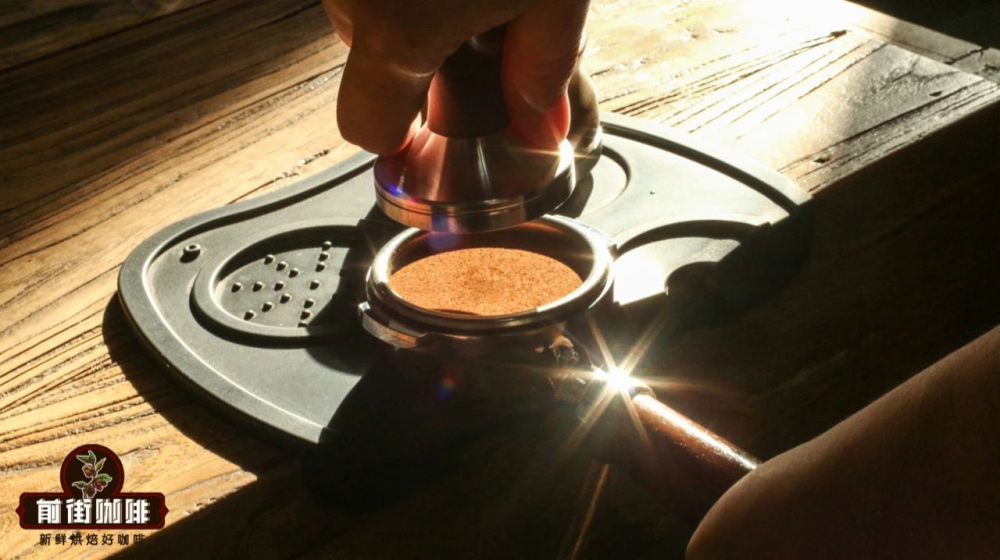
Flow rateserves as an intuitive indicator of extraction status. Ideally, the first drop of espresso should appear about 5 seconds after starting the extraction, with a steady and consistent flow thereafter. If no drips appear after 10 seconds (excluding pre-infusion), possible causes include a puck that’s too fine or tamped too tightly; conversely, if the flow is too fast or splattering occurs, it’s usually due to a grind that’s too coarse or channeling issues.
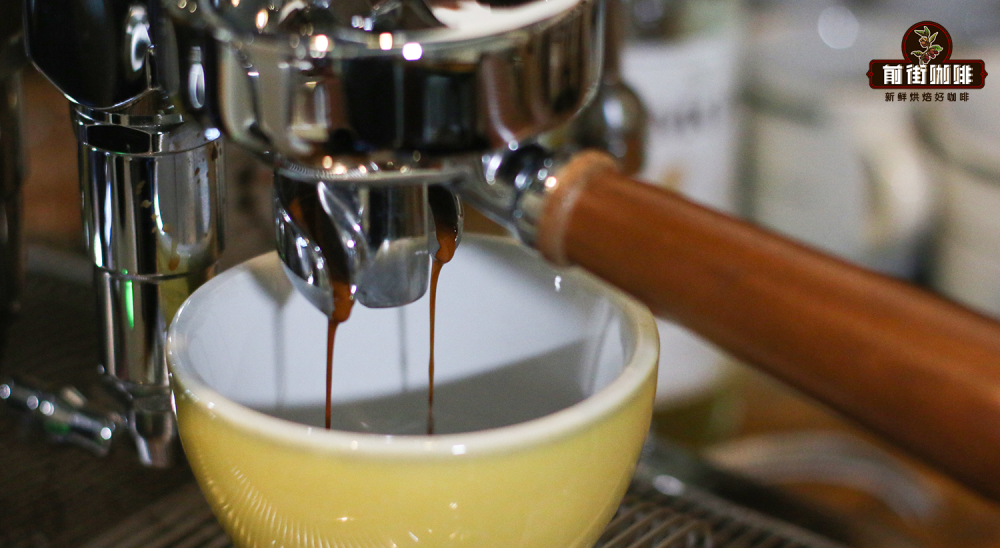
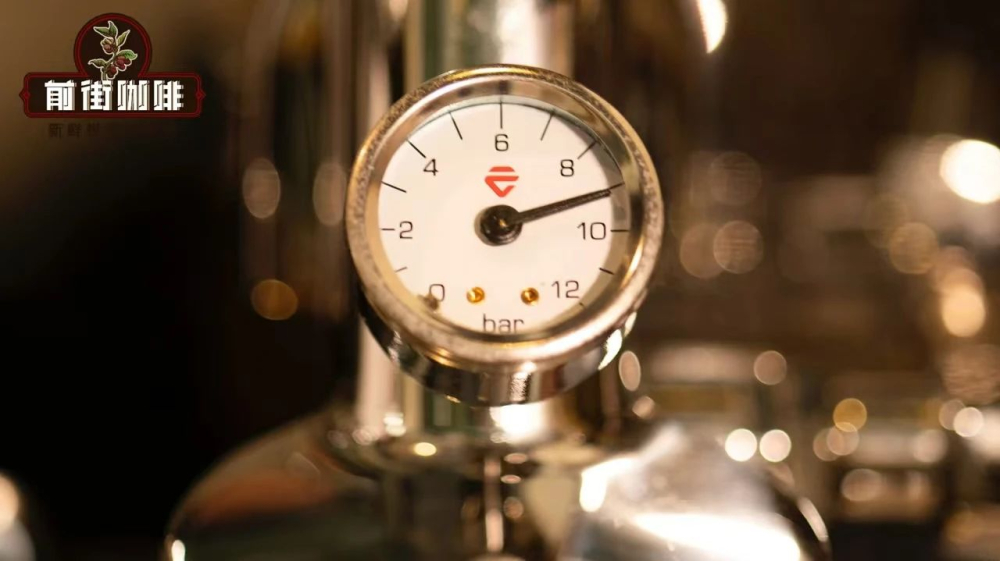
In terms of equipment parameters,extraction pressureis typically maintained around 9 bar, which is the standard setting for most semi-automatic espresso machines. While some advanced models offer variable pressure profiling, the core principle remains ensuring stable pressure to maintain extraction efficiency. Additionally,extraction water temperatureshould be controlled within the range of 90 to 94 degrees Celsius—too high can lead to over-extraction, resulting in unpleasant bitter flavors; too low may cause under-extraction, leaving behind sharp acidity.
During actual espresso preparation, every step fromdosingonward involves subtle details. First, be mindful of residual coffee grounds in the grinder’s chute: whether using a doser or doserless model, the space between the burrs and the exit often accumulates leftover grounds from previous grinds. If left too long, these residual grounds lose their volatile flavor compounds. It’s recommended to clear them with a tool or by briefly grinding before dosing. For example, the residual coffee grounds in a Feima 900N grinder can weigh up to 2 grams—accounting for over one-tenth of a double shot dose (20g), an impact that should not be underestimated.
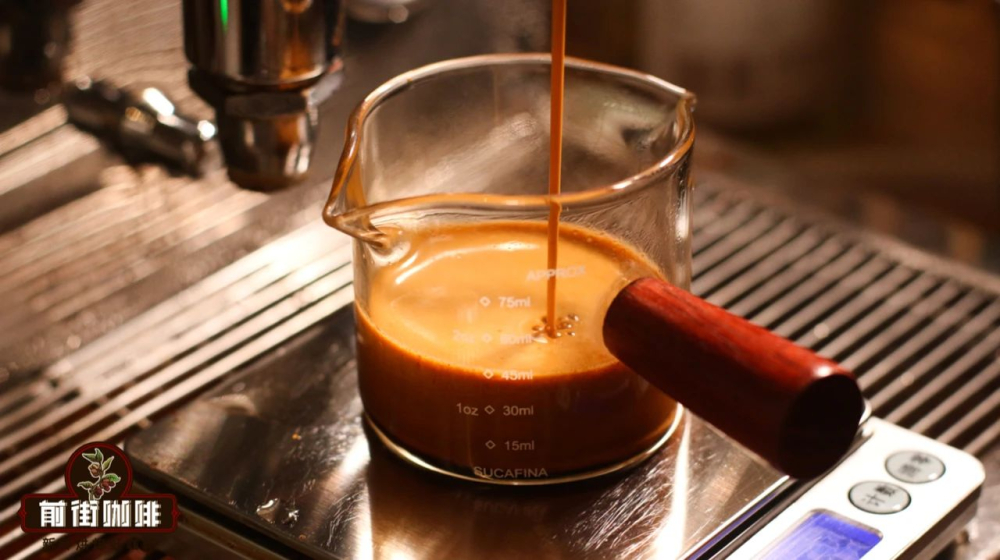
Next is the accuracy of weighing. When using a non-dosing grinder, it’s advisable to pair it with a high-sensitivity electronic scale, keeping each shot’s dose error within ±0.1 grams. Even with a dosing grinder, potential sources of dose variation include speed fluctuations (affected by voltage), changes in bean hopper pressure (due to varying bean levels), and differences in bean size/density (resulting from blend composition shifts).
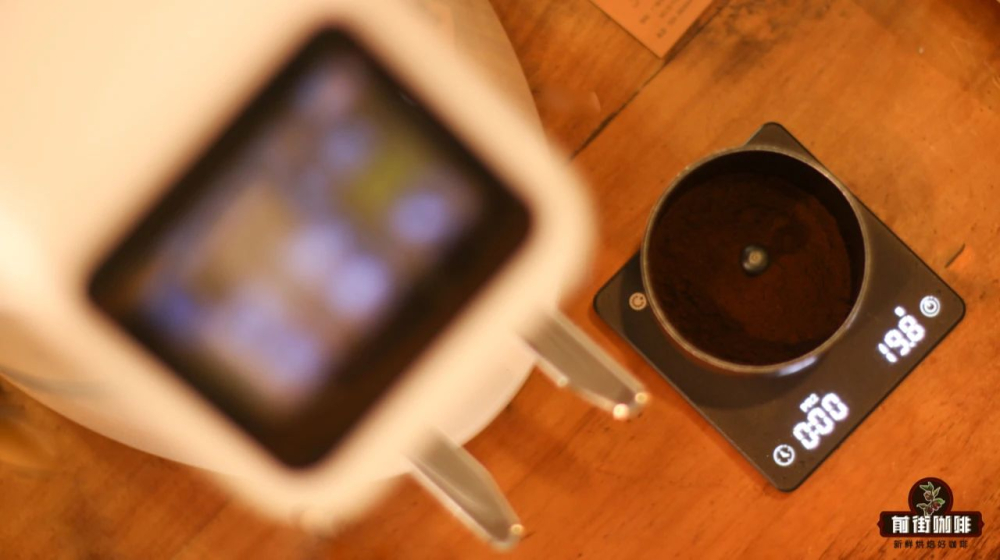
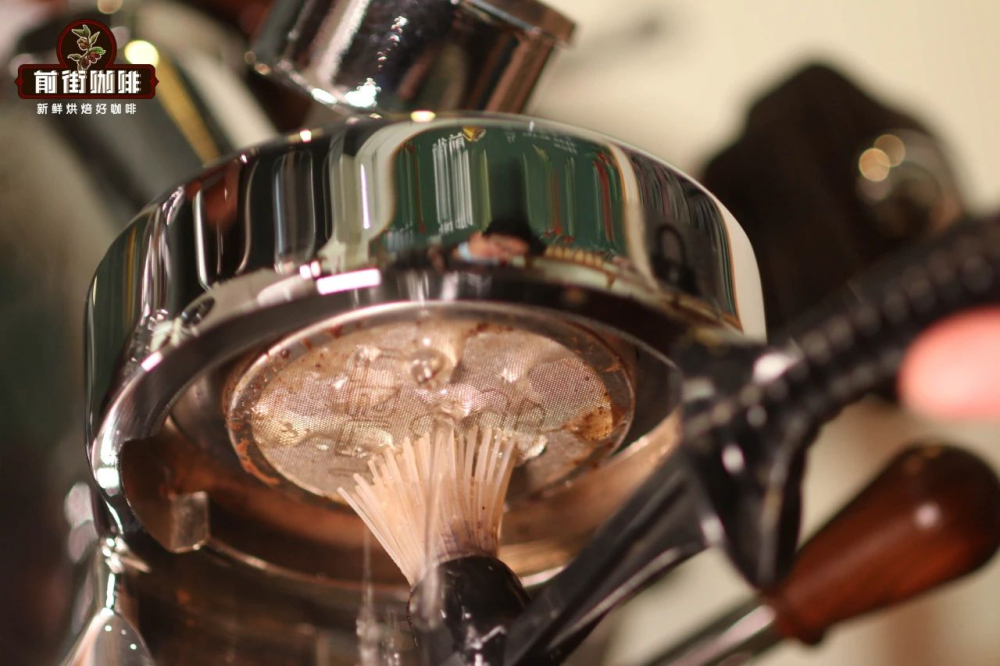
The overall workflow should be smooth and uninterrupted—from grinding, dosing, distributing, tamping, to locking in the portafilter and starting extraction. Planning your movement in advance helps avoid interruptions. Moreover, daily cleaning habits are crucial—after each shot, always promptly clean residual grounds from the portafilter and group head. These tiny particles, if left to accumulate until the next shot, can directly interfere with the formation of a fresh puck. At the same time, tools that come into direct contact with coffee grounds, such as distributors and tampers, should be kept dry and regularly rinsed thoroughly to ensure consistency in every brew.
The above content is compiled by CoffeeHunters, a coffee news website.


