








Introduction:Espresso is the foundation of many coffee beverages. Understanding its definition and types is an important step in delving deeper into the world of coffee. This article details the standard extraction parameters of Espresso and analyzes the characteristics and differences among three common types—Ristretto, Normale, and Lungo—to help you grasp the flavor profiles and brewing essentials of each type of espresso. Whether you’re a coffee beginner or a seasoned enthusiast, you’ll find practical knowledge here.
When it comes to espresso, many people immediately think of that small cup of dark, strong, and slightly bitter black coffee. It’s not only the base for many classic coffee drinks but also, due to its intense flavor, a challenge for coffee lovers. For baristas, mastering the extraction technique of Espresso is one of the most crucial aspects of daily work. So what exactly is true Espresso? What do Ristretto, Normale, and Lungo each represent? We’ll explain them one by one next.
The Definition and Extraction Essentials of Espresso
Espresso is a type of coffee made by quickly extracting finely ground coffee powder under high temperature and high pressure in an extremely short time. To produce a cup of espresso that meets the standard, several basic conditions must be met: precise coffee dosage, fine grind size, appropriate extraction water temperature and pressure, as well as a relatively short extraction time. The interplay of these elements results in an espresso that is flavorful, rich in crema, and balanced in taste.

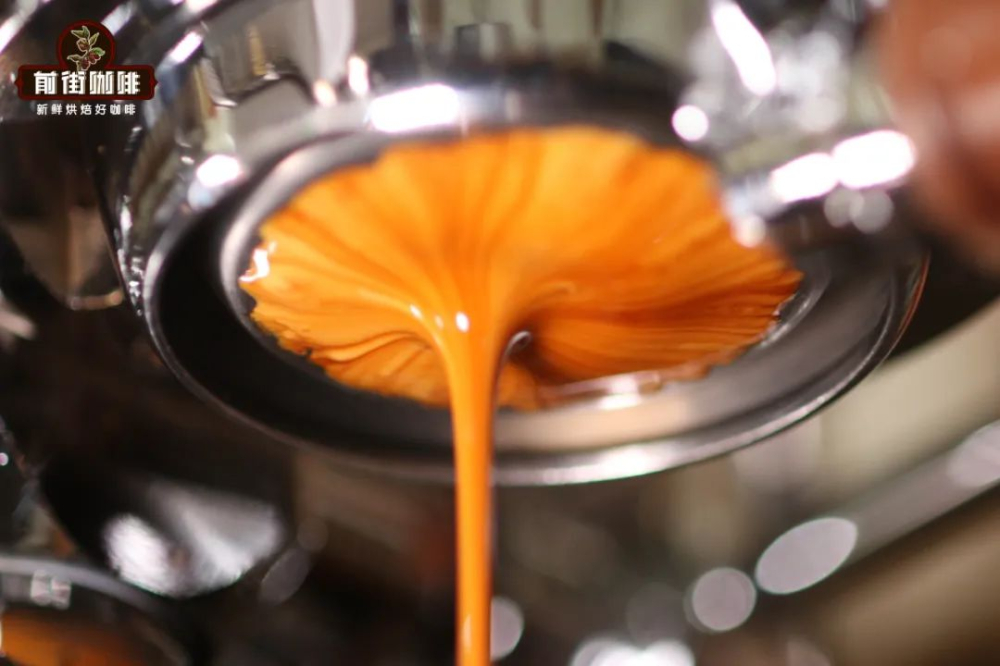
Unlike traditional drip or pour over methods, the most distinctive feature of Espresso is the golden, silky-smooth foam on its surface—crema. This crema is a collection of tiny bubbles formed when gases released from freshly roasted coffee beans are emulsified by oils under the combined action of high pressure and hot water. It not only affects the appearance but also greatly enhances the aroma of the espresso, serving as an important indicator of the coffee’s freshness.
The Three Main Types of Espresso: Ristretto, Normale, and Lungo
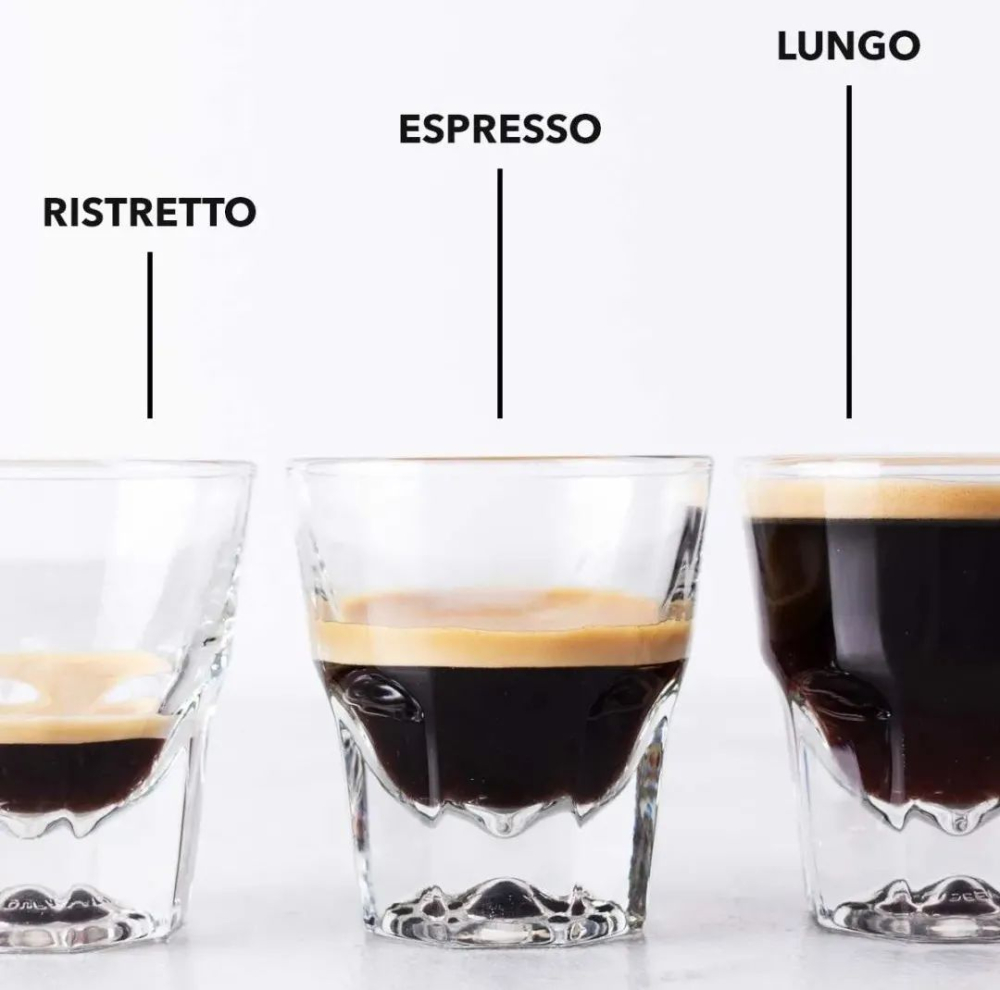
According to the Golden Cup extraction theory, about 30% of the soluble substances in coffee can be extracted by water, but only about two-thirds of those have desirable flavors. Therefore, controlling the extraction yield and concentration becomes key to influencing the taste of the coffee. Based on Espresso, the three common types include: Ristretto (short shot), Normale (standard), and Lungo (long shot). They all present distinctly different flavor experiences by adjusting the extraction parameters.

Ristretto: A More Intense and Concentrated Short Shot
Ristretto means “restricted” in Italian and typically refers to an espresso that extracts only the first, most essential part. Compared to a regular espresso, Ristretto uses the same amount of coffee grounds but reduces the water volume, resulting in a higher concentration and a more intense, layered flavor. For example, if a standard espresso uses 20 grams of coffee grounds to extract 40 grams of liquid, a Ristretto might extract only around 28 grams, with a shorter extraction time as well. This method preserves more purity in sweetness and acidity and is often used as the base for drinks like Flat White.

Normale: The Classic and Balanced Standard Espresso
Normale is the most common and classic type of espresso. What most people commonly refer to as “a shot of espresso” is this standard extraction method. According to the Golden Cup theory, the extraction yield of Normale usually falls between 18% and 22%, with a concentration range of about 8% to 12%. This ratio balances the three basic tastes—acid, sweet, and bitter—and serves as the foundation for many coffee beverages. It’s also ideal for experiencing the original characteristics of single-origin or blended beans.
Lungo: A Milder Option with Extended Extraction
Lungo means “long” and refers to an espresso made with the same amount of coffee grounds but with extended extraction time and water volume. By increasing the water volume (often reaching a brew ratio of 1:5 or even higher), Lungo has an overall lower concentration and a smoother, softer taste, making it suitable for those who prefer a lighter coffee flavor. For instance, using 20 grams of coffee grounds, extending the time to around 42 seconds, and extracting 100 grams of coffee liquid is a common Lungo practice. However, overly extending the extraction time may also bring out unwanted flavors, so parameter adjustments should be made carefully.
Key Points to Note When Extracting Espresso
To consistently extract high-quality espresso, in addition to mastering the coffee-to-water ratio and time, several other variables need attention. First,the quality of crema is closely related to freshness,so it’s recommended to use freshly roasted coffee beans within 5 to 10 days of roasting to ensure sufficient carbon dioxide content for forming a rich crema. Additionally, factors such as grind size, water temperature, tamp pressure, and machine pressure will all directly affect the final flavor. If the coffee flavor feels too thin, you can try adjusting to a finer grind, increasing the water temperature, or adding more coffee; conversely, if the bitterness is too strong, you can adjust in the opposite direction to find your personal balance point.
Whether it’s the intense concentration of Ristretto, the classic balance of Normale, or the mild smoothness of Lungo, each of these three espresso types has its own unique charm. Gaining a deeper understanding of their differences not only helps you better appreciate the diversity of espresso but also lays a solid foundation for exploring compound coffees like lattes and cappuccinos later on.


The above content is compiled by CoffeeHunters, a coffee news website.


