







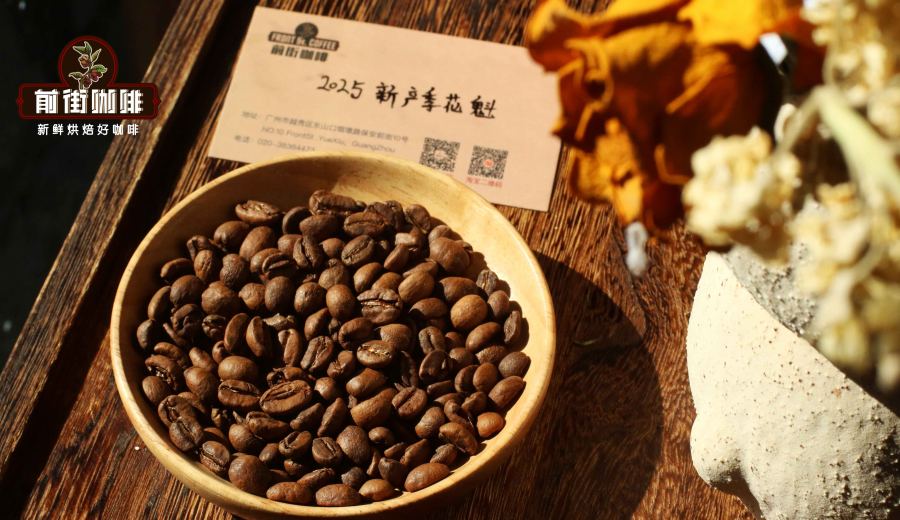
Introduction:The Huakui coffee beans originate from the Guji zone in Ethiopia’s Sidamo region, widely praised for their intense berry flavors and creamy-smooth mouthfeel. This article delves into the naming origins of Huakui, the unique terroir of the Guji region, analyzes the logic behind the X.0 series, and provides expert pour over brewing recommendations along with flavor profiles from the 2025 new harvest to help you master the brewing essentials of this popular coffee bean.
The name "Huakui" often evokes the imagery of the "king of flowers." These sun-dried beans from Ethiopia’s Sidamo Guji region have won the hearts of many coffee enthusiasts with their rich berry aroma and silky, creamy texture. From standing out at the 2017 TOH (Taste of Harvest) East Africa Green Coffee Cupping Competition to defeating multiple Geisha coffees in Chinese brewing competitions, Huakui has transformed from an unknown bean to a celebrated name. This article will detail Huakui’s origin, the natural conditions of the Guji region, the reasoning behind the X.0 series naming, and share practical pour over tips along with flavor characteristics of the 2025 new harvest.
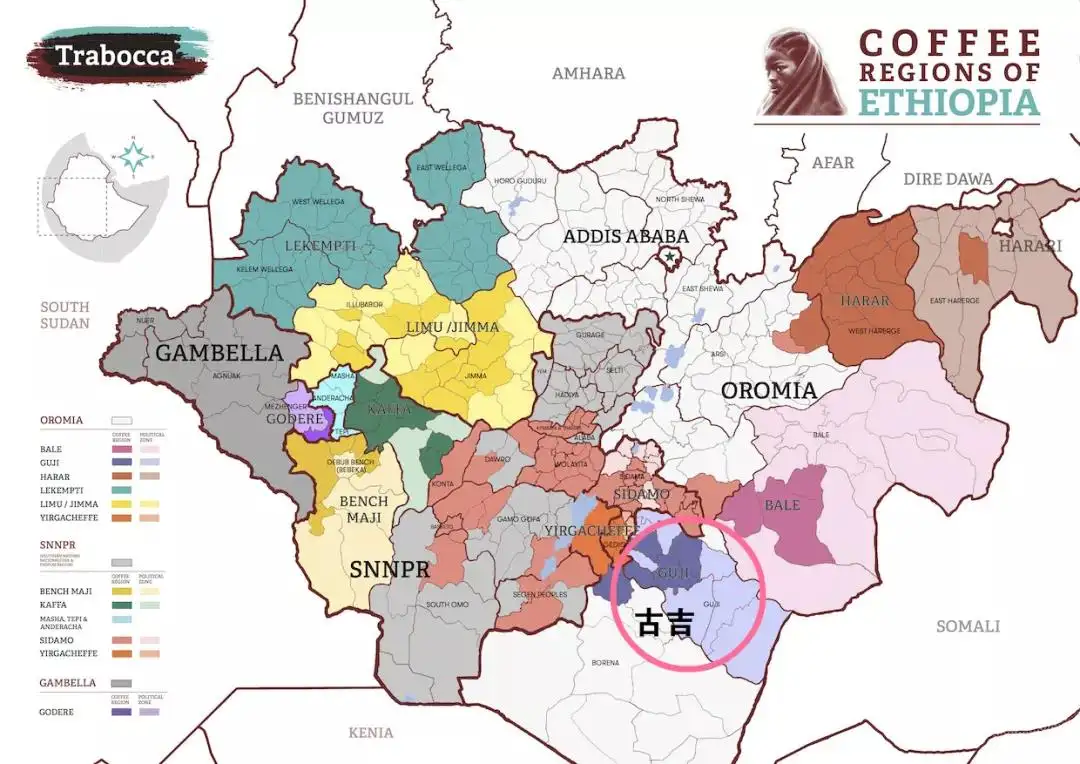
Huakui coffee beans come from Ethiopia’s Sidamo Guji region. Interestingly, Guji was originally part of Sidamo until 2010, when due to its outstanding coffee flavors, the Ethiopian Commodity Exchange (ECX) designated it as a separate region. Located near Yirgacheffe, Guji features diverse terrain and fertile black soil, with some areas having soil layers up to two meters thick—ideal for the root development of coffee plants. The average altitude of the region exceeds 1,800 meters, and the significant day-night temperature variation creates an optimal environment for high-quality coffee cultivation. Coffee farming here relies almost entirely on natural fertilizers such as fallen leaves, plant residues, and organic matter in the soil, allowing the coffee trees to grow naturally and healthily.
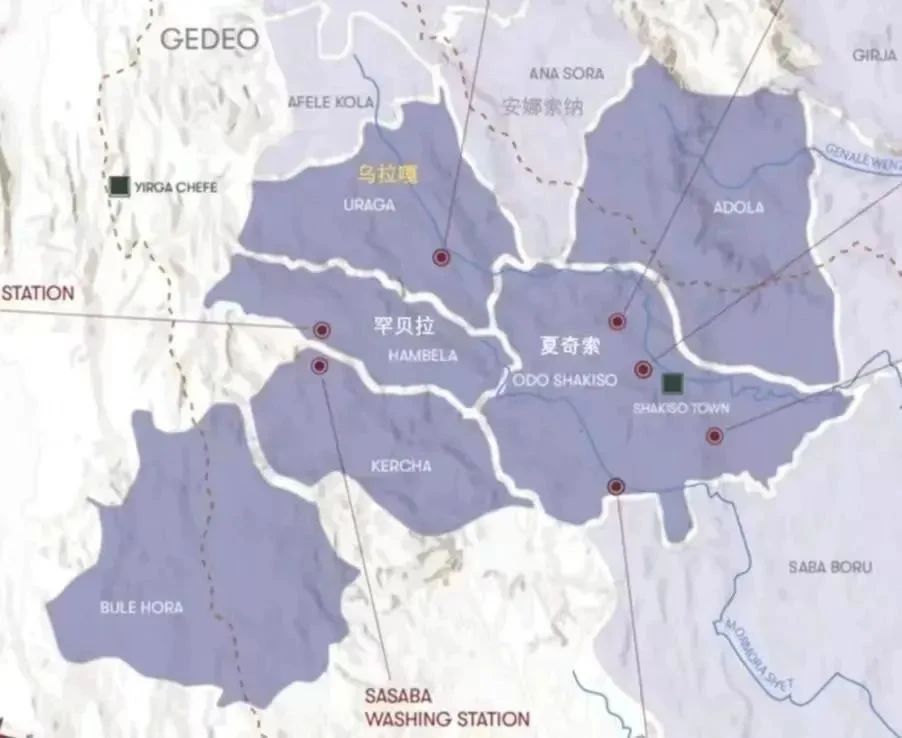
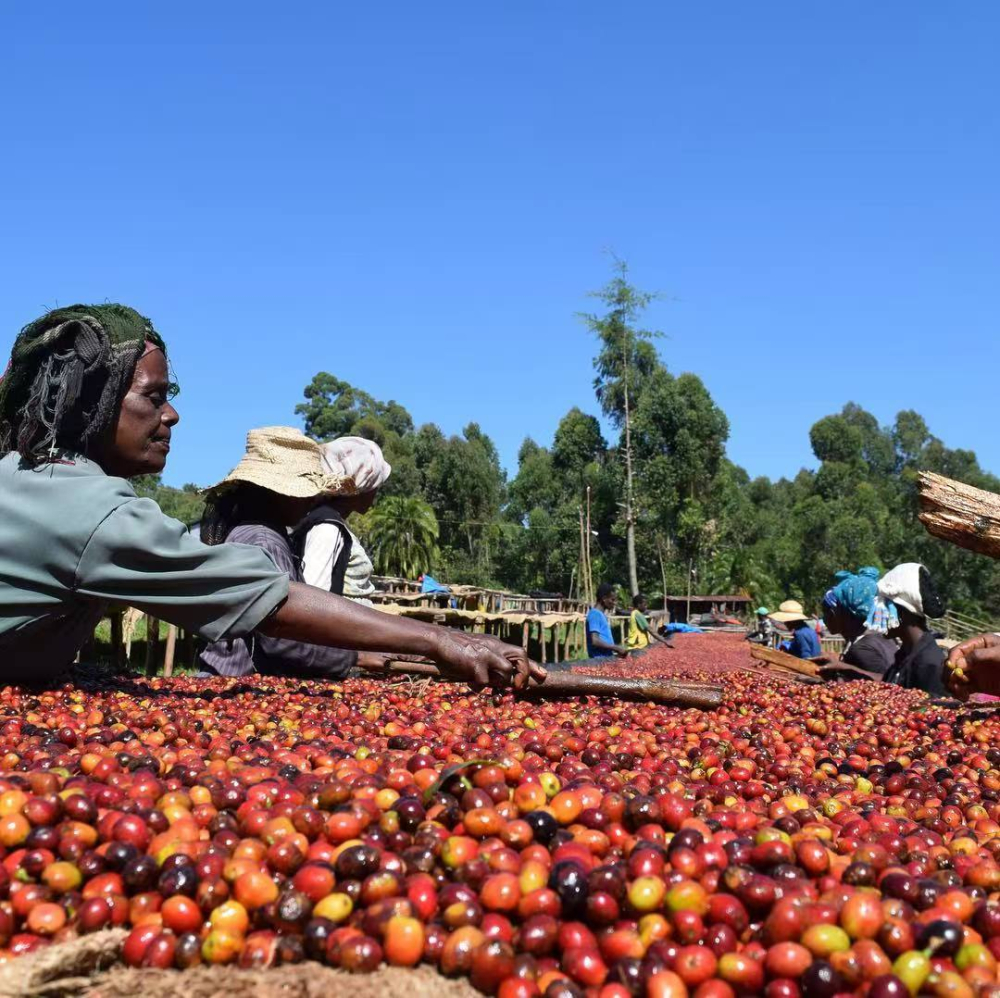
Although we still commonly see Sidamo and Guji listed together, this is mainly due to Ethiopia’s administrative divisions. The country’s administrative regions are divided into four levels: Region, Zone, woreda, and kebele, and coffee names usually follow this hierarchy. For example, Huakui is located southeast of Yirgacheffe in the Sidamo region, administratively belonging to Oromia Region → Guji Zone → Shakisso woreda → Hambella. The local soil is reddish-brown, with abundant rainfall and large day-night temperature differences, resulting in coffee with refined flavors and bright acidity. During the harvest season, farmers handpick only fully ripe red cherries and deliver them to processing facilities equipped with professional machinery. Sun-drying only begins when the sugar content of the red cherries reaches above 21, measured scientifically. Through precise measurement and careful management, traditional methods are preserved while improving the stability and sweetness of the coffee.
Huakui’s rise to fame stems from its outstanding performance at the 2017 TOH East Africa Green Coffee Cupping Competition. At that time, DW Company submitted sun-dried beans from the Buku processing station, which won the championship for their intense berry notes, smooth texture, and high sweetness. In the same year, these beans were introduced to the Chinese market and given the poetic name "Huakui," symbolizing their exceptional quality. Even more notably, during the 2017 China Brewing Championship, runner-up Li Jianfei used this Huakui coffee to defeat several then-popular Geisha coffees, drawing widespread attention to this Ethiopian sun-dried bean.
Subsequently, DW Company established multiple processing stations in Dimtu, the core area of Hambella, including Buku Abel, Buku Saysay, Haro Soresa, and Tirtiro Goye, with an annual production of about 1,100 tons. However, it’s important to note that only the sun-dried beans from the Buku Abel processing station can be called "Huakui." A well-known coffee brand has sourced its Huakui beans exclusively from this specific station over the years.
As for why there is a Huakui X.0 series? Strictly speaking, only the champion batch from 2017 can be called "Huakui." However, due to changes in natural conditions such as climate and soil, the flavor of the coffee varies each year. To differentiate, starting in 2018, DW Company began numbering the sun-dried Huakui beans from the Buku station as the X.0 series—for example, 2018 was Huakui 2.0, and by 2024 it became Huakui 8.0. Additionally, the coffee variety used in Huakui is Ethiopia’s native Heirloom. As the birthplace of Arabica coffee, Ethiopia is home to thousands of native varieties, which is also a key reason for the diversity in its coffee flavors.
In Ethiopia, coffee cultivation is mainly divided into three models: smallholder farming, semi-forest farming, and forest farming. Semi-forest coffee trees are often wild varieties, managed to some extent by farmers who also grow other cash crops. Due to the wide variety and complexity of these cultivars, large-scale genetic testing and classification are difficult, so the local government collectively refers to them as Heirloom to preserve their uniqueness. Observations show that these native varieties typically have smaller beans with irregular shapes, generally around 14–15 mesh size, and often exhibit elegant floral and fruity notes during cupping, making them highly favored by coffee lovers.
When you receive Huakui 5.0 green beans, you may notice a unique fermented coffee flower aroma, distinctly different from the grassy scent of regular green beans. Moreover, Huakui green beans are usually uneven in size, often pointed at both ends, with a moisture content of around 11% and relatively high bean density and hardness. Therefore, it is recommended to extend the initial drying phase during brewing and appropriately increase the temperature before first crack to preserve more floral and small-molecule aromatic compounds and minimize flavor loss.
If you wish to brew Huakui coffee beans at home, here are expert recommendations: use a V60 #01 filter, control the water temperature at 90–91°C, use about 15 grams of coffee, with a 1:15 coffee-to-water ratio, and grind to a medium-fine consistency (80% through a 20-mesh sieve according to the Chinese standard). For brewing, you can adopt a three-stage extraction method: start with a 30-second bloom using 30 grams of water, then pour in a slow circular motion until you reach 125 grams for the first pour. When the water level drops and is about to expose the coffee bed, continue pouring to 225 grams, then stop and wait until the water level drops again close to exposing the bed before removing the filter. The entire extraction process takes approximately 2 minutes.
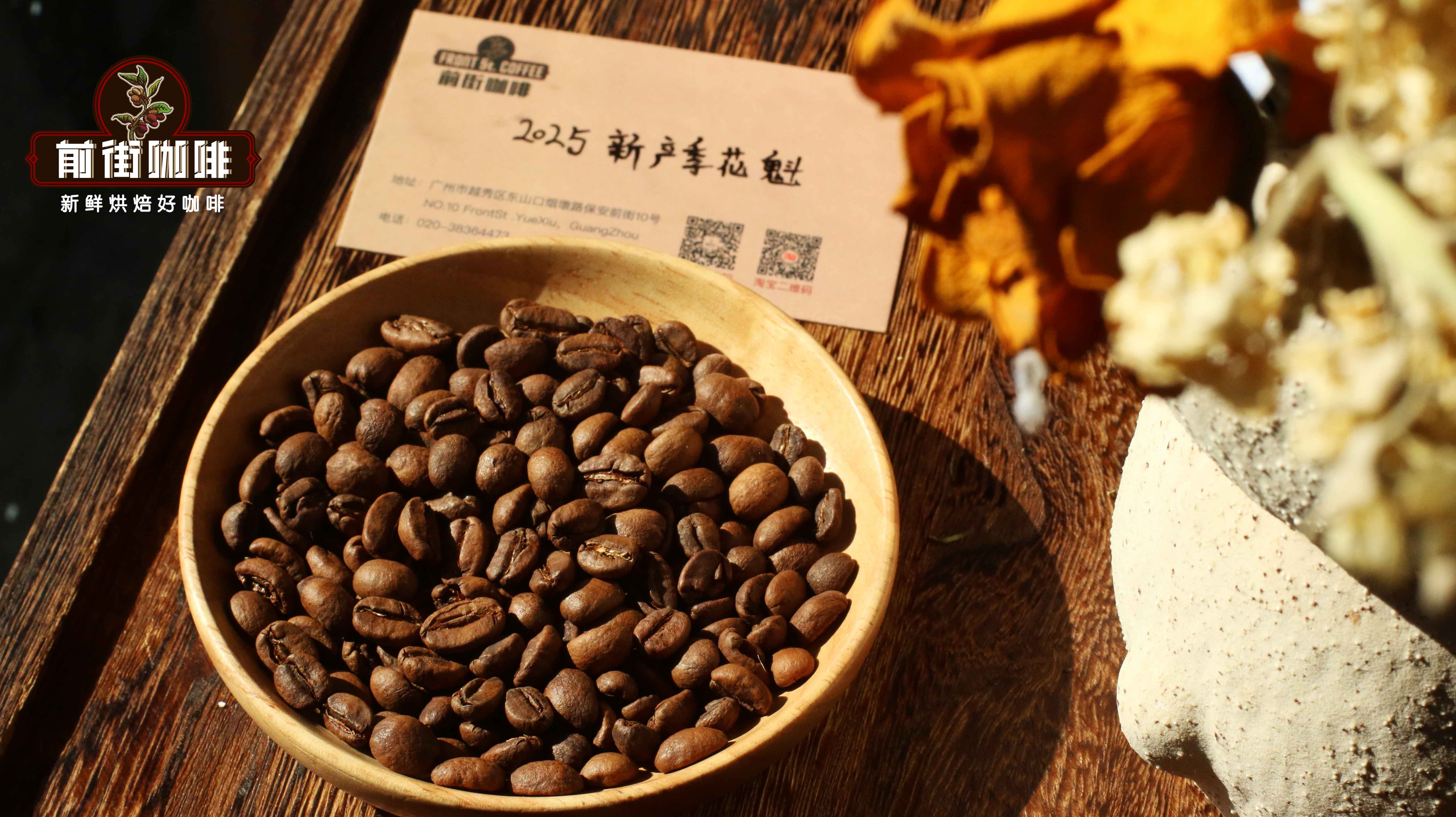
The 2025 new harvest Huakui coffee beans showcase a flavor profile of floral notes, berries, citrus, plum-like acidity and sweetness, paired with mango juice-like fruitiness and honey-like sweetness, with an aftertaste reminiscent of sweet black tea. It is a sun-dried coffee bean with rich, layered, and balanced flavors.
The above content is compiled by CoffeeHunters, a coffee news website.


