







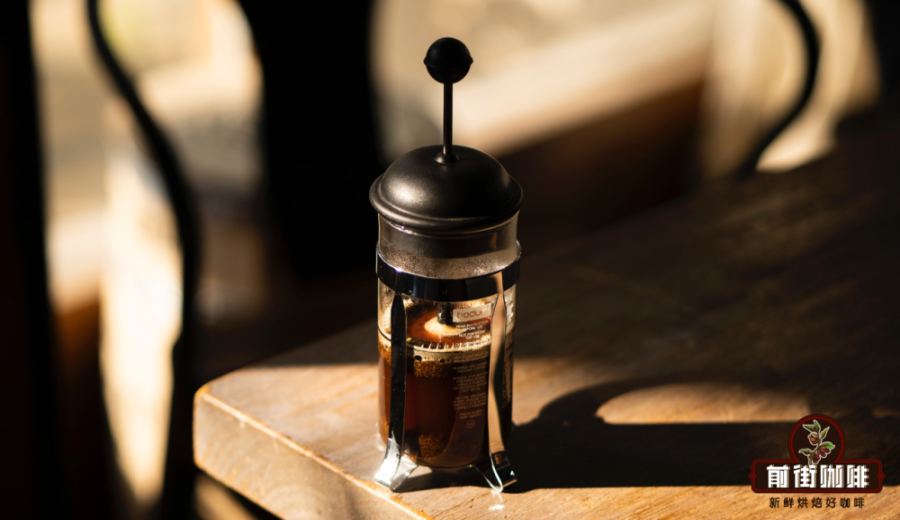
Introduction:No need for complicated equipment to explore the profound world of coffee either. The French press, one of the simplest brewing tools, is beloved for its stable extraction and rich flavor. This article delves into the historical background of the French press, practical usage examples from Starbucks, and takes the classic Huakui coffee beans as an example, guiding you through key parameters such as a 1:15 coffee-to-water ratio and medium grind size. Step by step, learn to brew a balanced, fruit-forward coffee while avoiding over-extraction and bitterness.
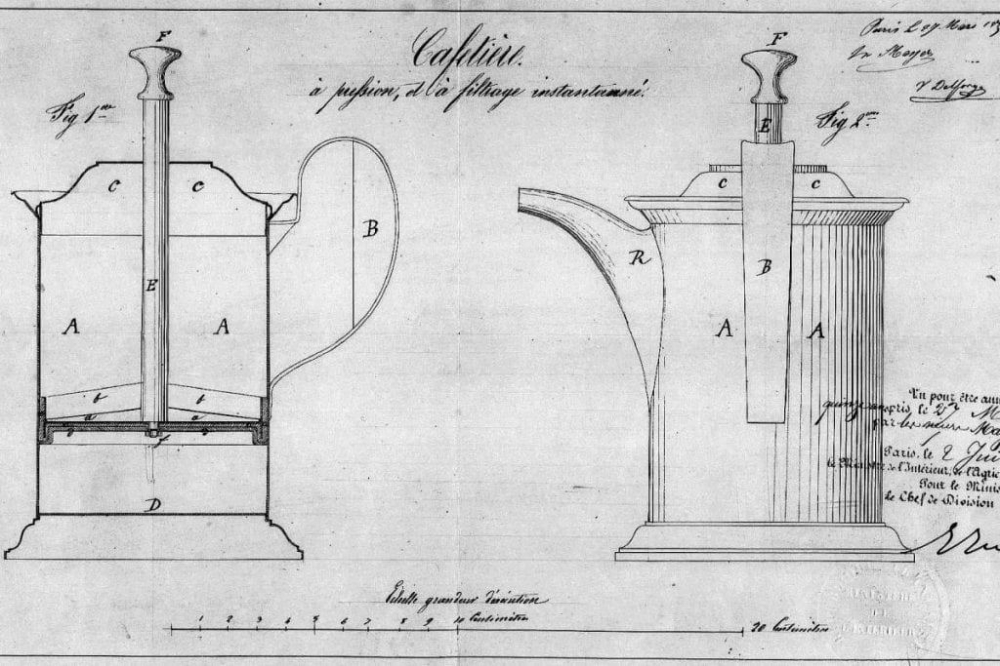
Want to enjoy a high-quality, hassle-free cup of coffee at home without needing a pour over kettle, filter, or temperature controller? The French press (French Press) is your go-to entry-level choice. This brewing device, originating in the mid-19th century, remains a favorite among coffee lovers worldwide thanks to its simple structure and consistent performance. This article not only reviews the evolution of the French press but also focuses on practical usage at Starbucks, using a well-known brand’s Huakui coffee beans as an example. We’ll break down key elements like coffee-to-water ratio, water temperature, and grind size, teaching you how to brew a coffee with layered flavors and a long-lasting finish.
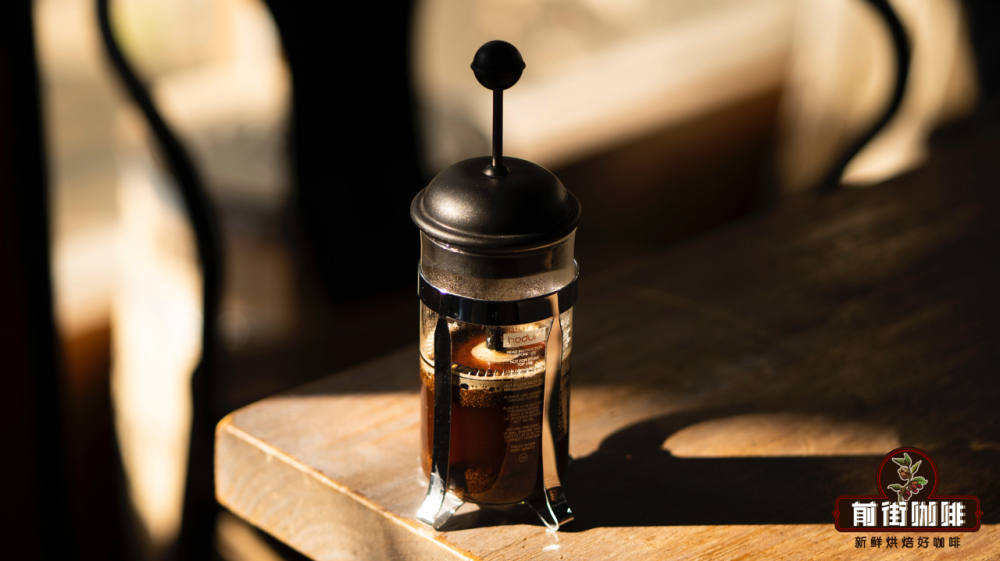
The French press is intuitive to use and provides stable extraction, making it perfect for those who want convenience without compromising quality. Compared to pour over, where water pouring technique can affect extraction consistency, the French press relies on immersion and pressing. As long as you master the basic parameters, you can consistently enjoy delicious coffee. Especially when you’re too busy for slow brewing but don’t want to settle for instant or machine-made coffee, the French press is your ideal option.
When talking about the French press, it’s important to understand how it differs from other brewing methods. Early French presses were actually mostly used for tea, and only later evolved into coffee brewing tools. Its design centers around a metal filter and plunger mechanism that effectively keeps coffee grounds at the bottom, resulting in clearer coffee liquid. However, to truly unlock the potential of the French press, the coffee-to-water ratio, water temperature, and grind coarseness must be just right to avoid astringency or thin flavors.
Below, we’ll take the classic Huakui coffee beans as an example and walk you through the full French press brewing process. The Huakui coffee beans come from the Buku Abel processing station in the Hambela zone of Ethiopia’s Guji region, known for its natural (sun-dried) processing method. In 2017, these beans won the sun-dried category championship in the Ethiopian section of the TOH competition with their intense strawberry cream flavors, leaving an unforgettable unique aroma. They have since shone in multiple international competitions, becoming a classic in the hearts of many coffee enthusiasts.
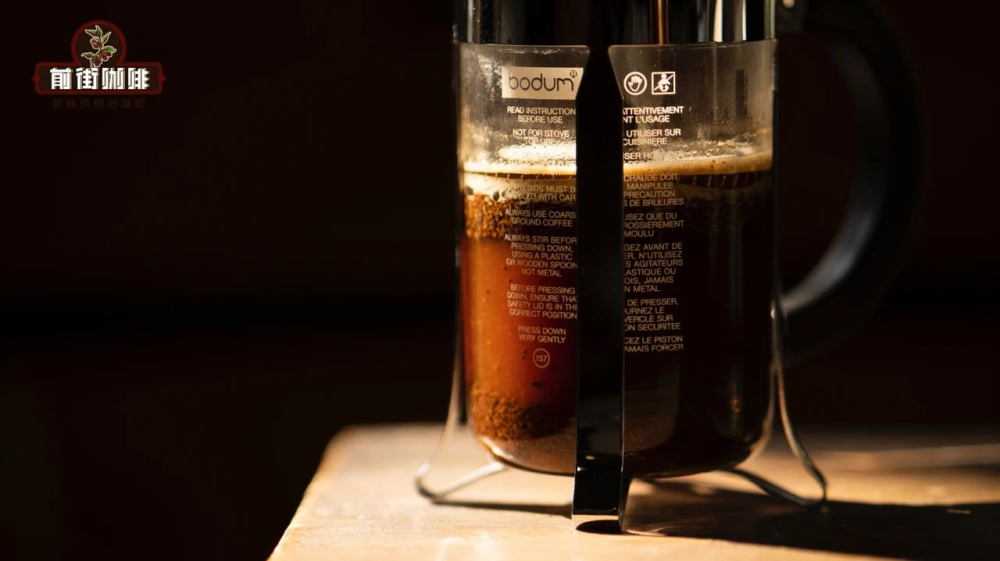
When brewing Huakui, it is recommended to use a French press with the following parameters: water temperature around 90°C, 15 grams of coffee powder, and a coffee-to-water ratio set at 1:15, which equals a total of 225 grams of water. The grind size should be controlled at 70% passing through a standard Chinese No. 20 sieve, representing a medium-coarse grind. First, preheat the French press with hot water to help maintain temperature stability during extraction. After preheating, discard the water. Next, add 15 grams of Huakui coffee powder into the press and steadily pour in 225 grams of 90°C hot water, ensuring all coffee grounds are evenly saturated.
Immediately after, pull the plunger to the top position, cover the press with the lid, and let it steep for about 4 minutes. This duration allows the coffee’s flavor compounds to fully release without over-extracting and causing bitterness. Once the steeping time is up, slowly and evenly press the plunger down to about one-quarter of the way down the press, maintaining steady pressure to avoid disturbing the settled coffee grounds. Finally, pour the filtered coffee into your cup and enjoy this cup of coffee with a rich profile and prominent fruity notes.
The resulting Huakui brewed this way delivers an intense burst of complex berry aromas upon the first sip, paired with a smooth, creamy mouthfeel. The overall profile is bold and layered. The immersion characteristic of the French press makes the coffee flavors more concentrated, making it ideal for those who prefer a fuller-bodied cup.
It’s worth noting that Huakui is a medium-light roast, and its flavor compounds are released at a relatively slower pace. Therefore, it’s recommended to use a slightly higher water temperature (around 90°C) to help accelerate aroma release. If you usually brew with a pour over filter using a common three-stage pouring method and a finer grind—around 80% passing through a standard Chinese No. 20 sieve—you can quickly extract rich flavors. But with the French press, due to the prolonged immersion, grinding too fine can easily lead to over-extraction, resulting in noticeable bitterness or astringency. Therefore, we recommend adjusting the grind size to 70% passing through a No. 20 sieve, i.e., slightly coarser, allowing the coffee grounds to have moderate contact surface area with hot water. This balances extraction efficiency and flavor purity.
In summary, the French press is not just a convenient brewing tool, but also a practical choice that can fully showcase the original flavors of coffee beans. By mastering the three core parameters—a 1:15 coffee-to-water ratio, 90°C water temperature, and a 70% No. 20 sieve grind—and following the correct steps, you too can easily brew a Huakui coffee at home with a rich, near-professional profile. Enjoy every sip of its nuanced and layered taste.
The above content is compiled by CoffeeHunters, a coffee news website.


