








Introduction:Sumatra Mandheling is globally renowned for its distinctive flavor profile, with Aceh’s Tiger Mandheling being the most iconic representation. This article explores the regional geography, delves into the origins of the Tiger Mandheling name, highlights key varietal characteristics, and explains how the wet-hulled processing method contributes to its bold woody and spicy aromas. It also provides practical roasting recommendations, cupping flavor profiles, and pour over brewing parameters to help you better appreciate the essence of this classic Indonesian coffee.
Sumatra Mandheling coffee has long been considered a flagship of Indonesian coffee, and Tiger Mandheling from the Aceh region stands out with its stringent 19-screen selection and rich woody aroma, earning favor among coffee enthusiasts. The coffee is grown in Aceh, the northernmost tip of Sumatra—a region once marked by turmoil but now experiencing stable development. Lake Tawar and Lake Toba nurture many high-quality coffees, and the area’s exceptional altitude and climate have led to increasing recognition for its Mandheling on the global market.

The name “Tiger Mandheling” not only references the Sumatran tiger, a symbol of strength and steadiness, but also reflects the high-quality selection standards of the beans. These beans are meticulously screened through a 19-mesh sieve, with each one handpicked at least three times to ensure consistent ripeness and size. This rigorous selection process—precise and discerning like a tiger—results in a cup that showcases a calm, intense flavor with a lingering aftertaste.
The Tiger Mandheling from Aceh uses two classic Arabica varieties: Typica and Catuaí. Typica offers high-quality potential, with its oval-shaped beans and bronze-tipped leaves delivering clean and elegant flavors, though it generally yields less and is more susceptible to disease. Catuaí, a Bourbon mutation, has higher productivity and better disease resistance, with slightly curved, slender beans that bring bright sweetness and fruity notes. The combination of these two varieties gives the coffee both depth and vibrancy.
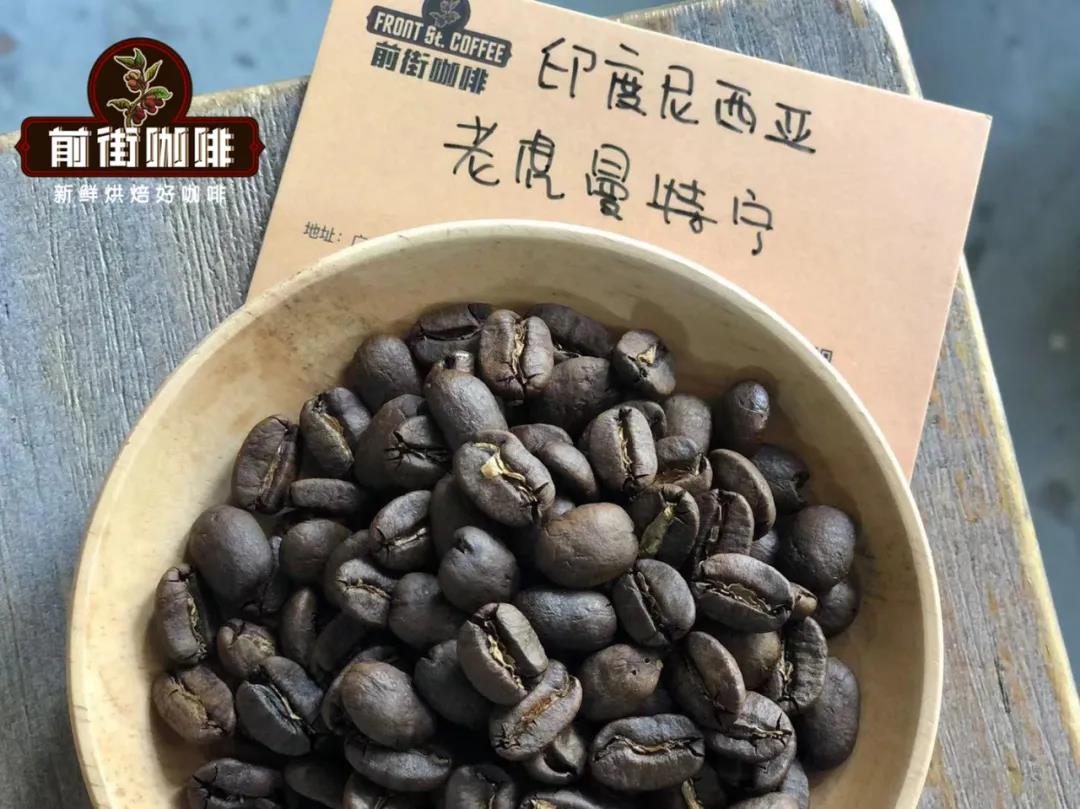
The most distinctive feature of Tiger Mandheling is its steady woody profile with subtle agarwood-like notes, differing from the common herbal and earthy aromas often found in other Mandhelings. Its flavor profile also includes layers of pine, nuts, and dark chocolate. Upon tasting, its sweetness is pronounced, with a long-lasting finish that transports you deep into the forests of Sumatra.
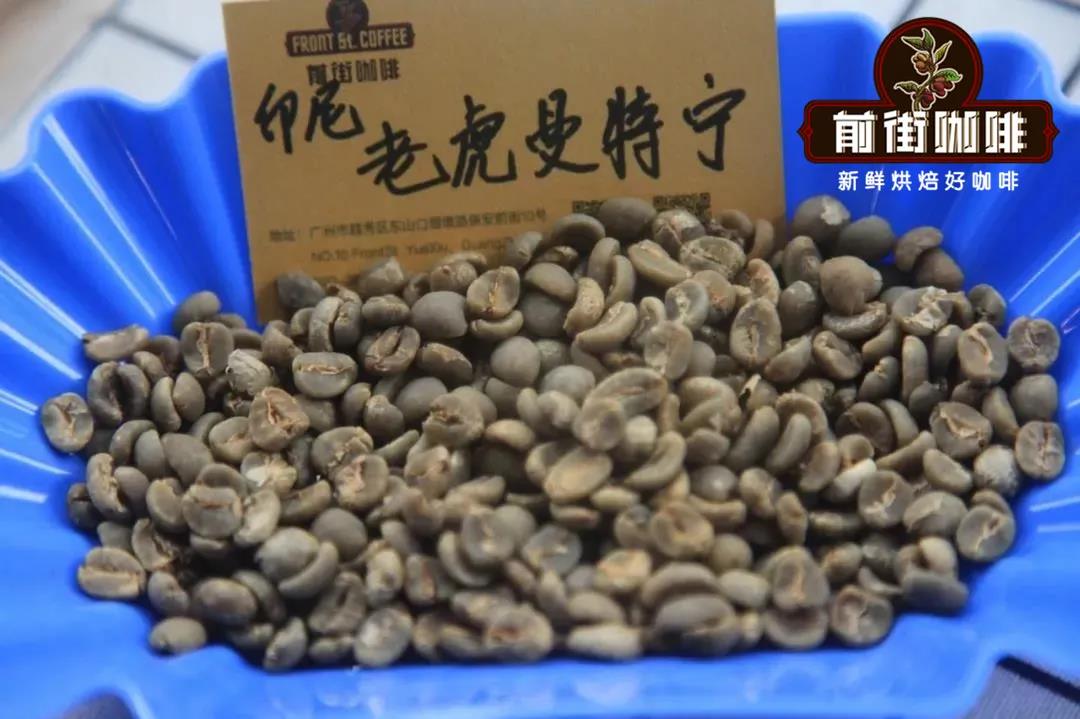
This coffee is processed using Indonesia’s unique wet-hulling method, an ingenious solution developed in Sumatra to cope with the region’s high humidity. Traditional washed processing is time-consuming and weather-dependent, whereas wet hulling involves quickly removing the outer mucilage and parchment while the beans are still at a high moisture content, then hulling them. This drastically reduces the overall drying time to just 2–4 days. During this process, the beans often develop pressure cracks on their surface, and their color tends to be darker with a unique horseshoe-like appearance.
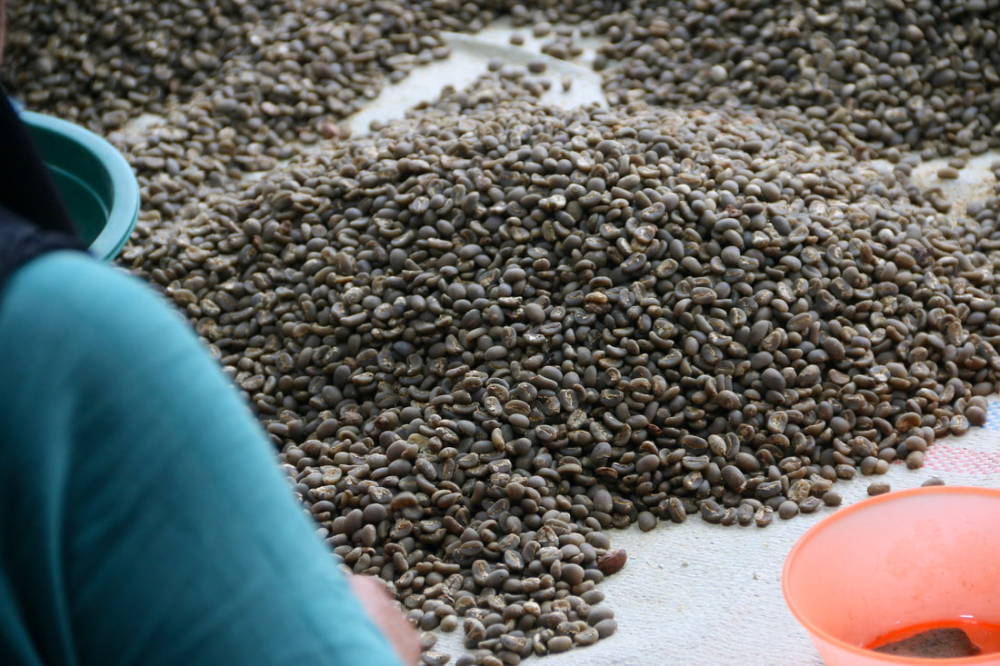
Wet hulling creates the signature “regional character” of Mandheling, including intense herbal, spicy, and woody aromas. The acidity is significantly lower, resulting in a fuller body and richer mouthfeel. Since the beans remain moist during drying, microbial activity increases, contributing to greater complexity—a key reason why Sumatra Mandheling tastes distinct from coffees of other regions.
To make this classic flavor more accessible, 100g packs of Lintong Mandheling beans are also available on the market, ideal for everyday pour over enjoyment. These beans are also wet-hulled, offering the classic Mandheling aroma and taste, making them a great entry point for exploring Sumatran coffee.
For roasting, Tiger Mandheling is recommended to be roasted to a medium-dark level. This helps reduce excessive acidity while enhancing body and flavor complexity. The ideal roast curve is: an entry temperature of around 200°C, with initial flame adjustments followed by controlled drying and first crack phases, finally dropping the beans at around 203°C to achieve the best balance and aroma expression.
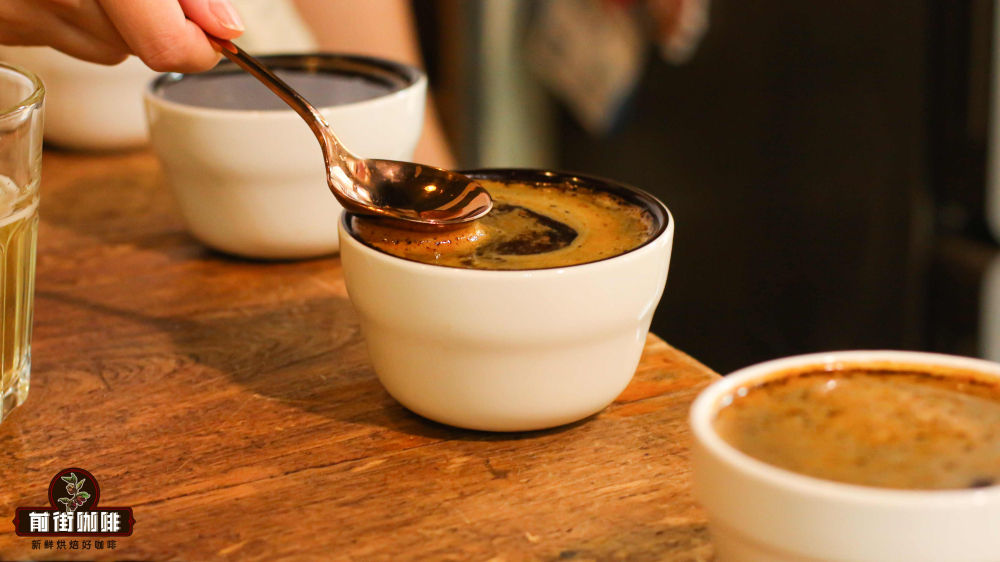
In cupping, this coffee often presents herbal and piney dry aromas, while the wet aroma carries sweet notes of traditional Chinese herbs and caramel. The flavor profile reveals a blend of nuts, cream, and dark chocolate, with noticeable sweetness and a clean aftertaste—representing a deeply roasted coffee that still maintains delicate nuances.
For pour over enthusiasts, the Kono filter is recommended for extraction. Its design slows the water flow and increases contact time between coffee and water, further enhancing the rich mouthfeel. Recommended parameters are: 15g coffee, 88°C water, medium-coarse grind (approximately 73% passing through a 0.85mm sieve), and a 1:15 coffee-to-water ratio. Start with a 30-second bloom using 30g of water, then pour in stages up to 225g total. The total brew time should be around 2 minutes and 5 seconds to fully highlight Tiger Mandheling’s aroma and layers.
In summary, Tiger Mandheling from Sumatra is not only one of Indonesia’s representative coffees, but also a classic beloved by many enthusiasts due to its strict selection standards, unique processing method, and rich aromatic layers. Whether you’re a beginner exploring Southeast Asian coffee or an advanced drinker seeking bold flavors, this coffee is well worth trying.

The above content is compiled by CoffeeHunters, a coffee news website.


