







Introduction:Mandheling and Blue Mountain coffee are both among the world’s top-tier specialty coffees, but their flavor profiles and target audiences differ significantly. This article delves into the causes of Mandheling’s bitterness, the meticulous selection process behind PWN Golden Mandheling, and provides a comprehensive comparison with Jamaican Blue Mountain—from origin, altitude, processing method to flavor profile—to help you choose the beans that best suit your taste preferences.
In the world of specialty coffee, Mandheling and Blue Mountain are often compared. The former hails from Sumatra, Indonesia, and is known for its bold and steady character; the latter is a classic representative of the Caribbean region, celebrated for its balanced elegance. This article will explore everything from historical background, green bean selection, and processing methods to actual flavor performance, helping you understand where Mandheling’s bitterness comes from, why PWN Golden Mandheling stands out among many Mandhelings, and offering a detailed comparison with Blue Mountain coffee.
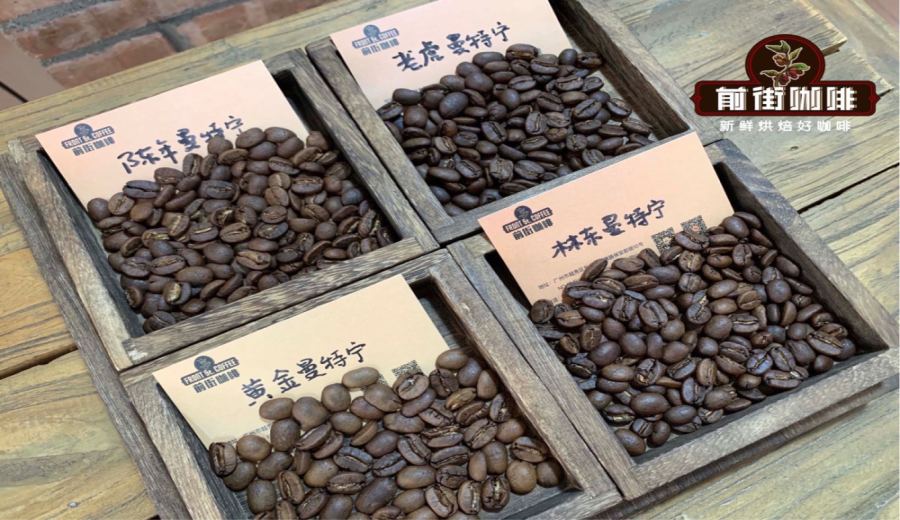
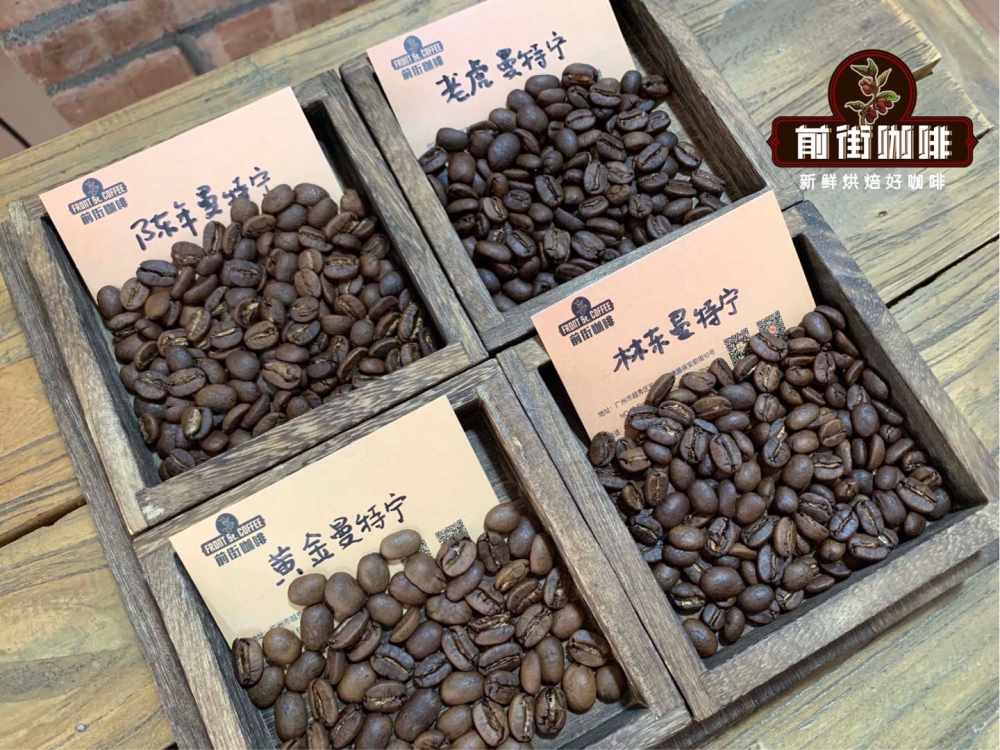
Let’s first take a look at PWN Golden Mandheling, one of the most representative coffee beans from the Sumatra region of Indonesia. What makes it unique is its rigorous green bean selection process, which involves one mechanical sort and three hand-pickings, significantly reducing the defect rate. It’s said that during the selection process, some beans were named “Golden Mandheling” because they exhibited a slight sheen on the surface. It’s important to note that “Golden Mandheling” is actually a trademark registered by Indonesia’s Pawani Coffee Company, and most Golden Mandheling on the market refers to the PWN-produced version. Consumers should pay extra attention to origin and brand information when making a purchase.
Indonesia’s coffee cultivation history dates back to 1696, when the first successful introduction was made, and expanded to major islands such as Sumatra by 1699. However, large-scale coffee exports didn’t begin until the early 19th century. In 1840, Indonesia’s coffee exports first exceeded 12 million pounds, reaching a peak of about 21 million pounds in 1860. Unfortunately, the subsequent outbreak of coffee leaf rust led to the death of many Arabica coffee trees, and Robusta, which is more resistant to disease, eventually replaced much of the Arabica planting area. As Indonesia’s second-largest island, Sumatra’s volcanic terrain and fertile volcanic soil provide unique growing conditions, also shaping the bold, earthy, and soil-rich aromatic character of the Mandheling series of coffees.
As for the origin of the name “Mandheling,” it actually stems from a linguistic misunderstanding. During World War II, a Japanese officer in Sumatra asked about the origin of the coffee, and the shopkeeper mistakenly thought he was asking about an ethnic group, replying “Mandailing.” The officer later couldn’t forget it and requested to import this coffee, but misheard the pronunciation as “Mandheling.” This trader was later the founder of the PWN company, and this anecdote adds a touch of historical interest to Mandheling.
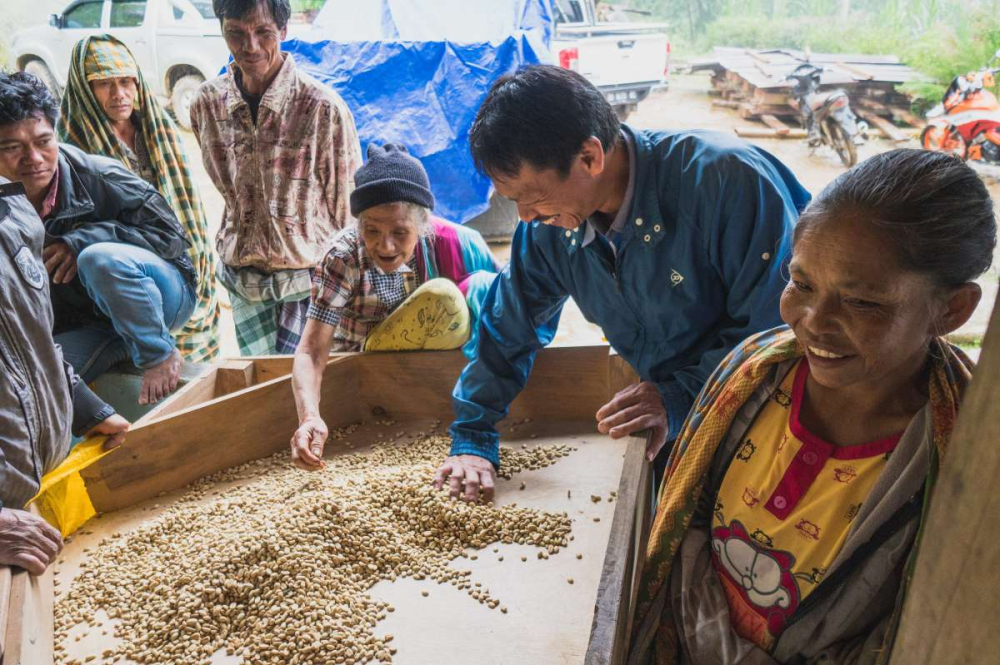
Returning to PWN Golden Mandheling itself, its production area is located in Sumatra, at an altitude between 1,100 and 1,600 meters, and it uses the locally common wet-hulled method (Giling Basah) for processing. While this method gives the coffee a rich, bold body along with unique herbal and earthy notes, it can also increase the defect rate of green beans. To create a higher-quality Golden Mandheling, PWN has particularly strengthened its screening process, resulting in a flavor profile that, in addition to the common roasted bread, nuts, pine, and caramel notes, also retains special layers of aroma.
Now let’s look at the other main character—Jamaican Blue Mountain coffee. Produced in the Blue Mountains of eastern Jamaica in the Caribbean, this region not only boasts the highest peak in the entire Caribbean (2,256 meters), but also, due to its location on a fault line, benefits from volcanic activity that brings fertile, mineral-rich soil. The high altitude and year-round cool, foggy climate allow coffee cherries to ripen slowly under moderate day-night temperature differences, accumulating richer flavor compounds, ultimately delivering a balanced, full-bodied, and sweet taste.
The Jamaican government exercises extremely strict quality control over Blue Mountain coffee. As early as 1948, the Coffee Industry Board (CIB) was established to oversee and manage production. According to the Coffee Industry Regulation Act, only Typica variety coffee grown between 910 and 1,700 meters in altitude within four specific regions—Saint Andrew, Saint Thomas, Portland, and Saint Mary—can be called Jamaican Blue Mountain coffee. It’s worth mentioning that these four regions account for only one-third of the total Blue Mountain planting area, with the rest mostly classified as Blue Mountain High Mountain or Blue Mountain Prime grades, and less than 15% of the annual yield qualifies for the official Blue Mountain label.
In terms of green bean grading, Blue Mountain coffee is categorized into NO.1 to NO.3 and Peaberry (PB), with NO.1 being the highest grade, requiring bean size between 17 and 18 screens and a defect rate below 3%. The Jamaican Blue Mountain No.1 sold by this brand belongs to this grade, sourced from the Clifton Estate at an altitude of 1,310 meters, processed using the washed method, and showcasing exceptional balance and delicate acidity and sweetness.
Returning to the original question: Which is better for you, Mandheling or Blue Mountain? Mandheling generally has a pronounced bitterness, especially in dark roasts, but its sweet aftertaste and rich mid-to-late-stage aromas, such as spices, pine, and caramel, also make it a favorite among dark roast enthusiasts. In contrast, Blue Mountain coffee excels in balanced flavors, with well-harmonized acidity, sweetness, and bitterness, without emphasizing any single flavor trait, making it more suitable for those who prefer light to medium roasts and seek a smooth, rounded cup.
In summary, if you prefer a bold, deep coffee with earthy and woody notes, Mandheling—especially PWN Golden Mandheling—is definitely worth trying; if you lean toward delicate, balanced, and layered flavors, Jamaican Blue Mountain coffee is the classic choice. Both have their unique merits, and the key lies in your personal taste preference.
The above content is compiled by CoffeeHunters, a coffee news website.


