







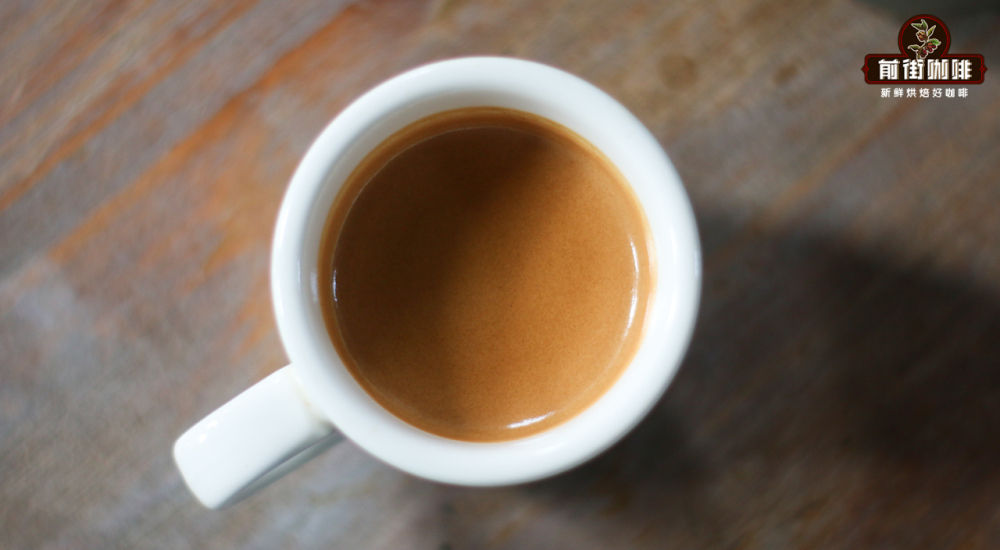
Introduction:Espresso is the soul base of many classic coffee beverages, but making a shot with rich crema and balanced flavors at home using an espresso machine requires mastering a series of key techniques. This article will explain in detail the brewing principles, core influencing factors, and practical extraction parameters for espresso — from grind size, water temperature, pressure, to dose and extraction time — helping coffee beginners adjust step by step to create their own perfect shot.
The Unique Extraction Principle of Espresso
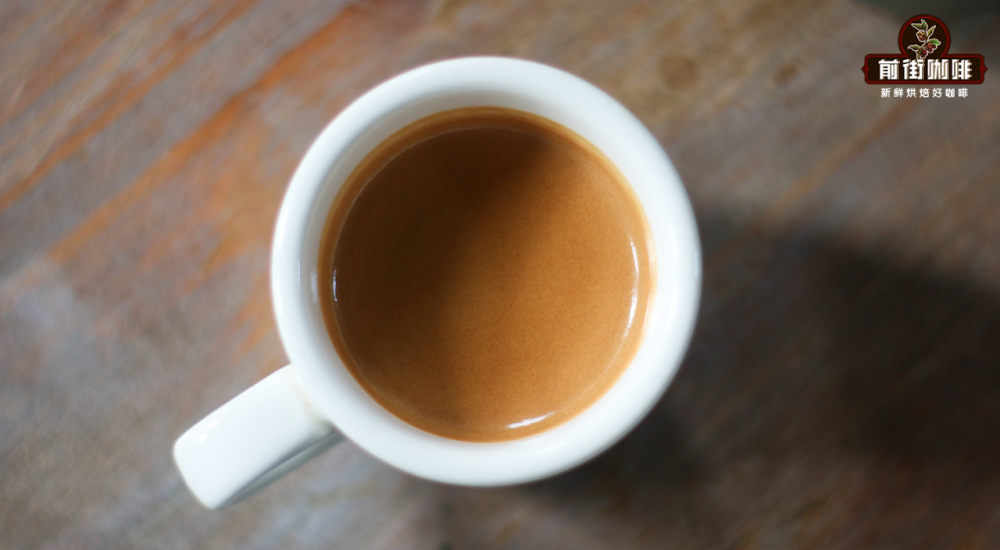
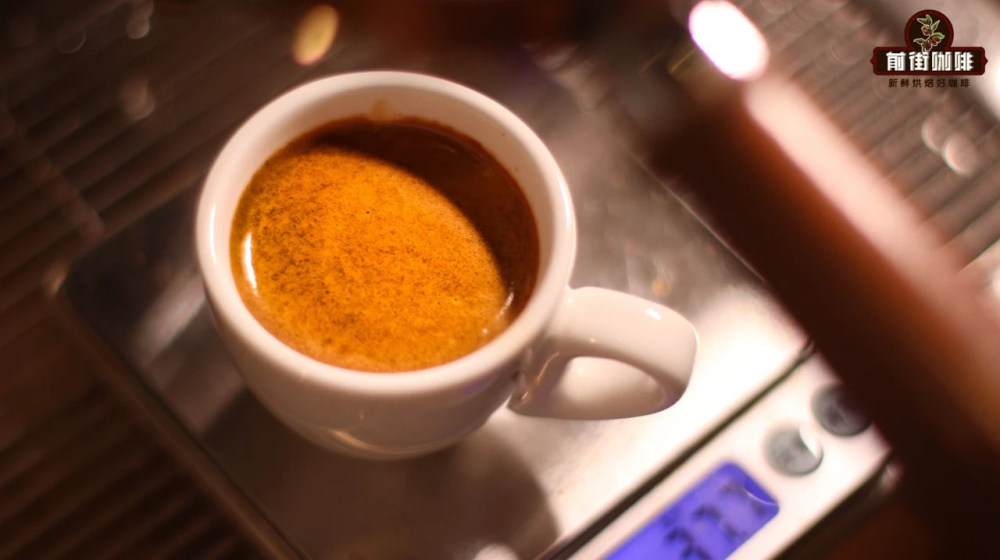
Unlike common pour over drip brewing, espresso is made by compressing extremely fine coffee grounds into a compact puck under high pressure, allowing hot water to rapidly pass through the coffee puck at around 9 bars of pressure. This method effectively extracts aromatic compounds and oils from deep within the coffee cell walls, resulting in the intense flavor and golden crema that are characteristic of espresso.CremaThis layer of crema is not only a visual delight but also an indicator of freshness and extraction quality.
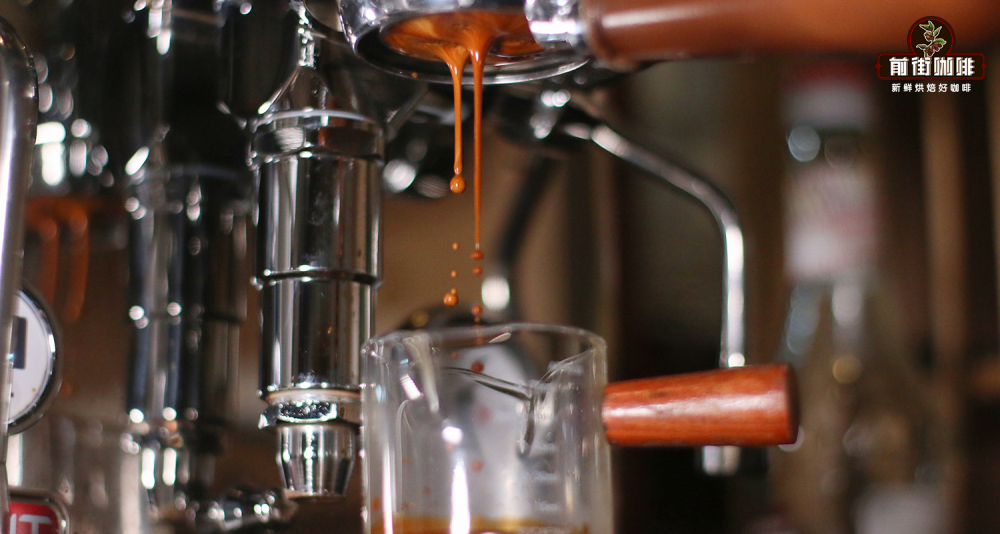
The key to making a successful shot of espresso lies in balancing the three fundamental flavors — acidity, sweetness, and bitterness — and allowing them to coexist harmoniously on the intense foundation of the espresso. This often requires baristas to fine-tune extraction parameters based on bean characteristics, environmental conditions, and more.
What Factors Affect the Flavor of Espresso?
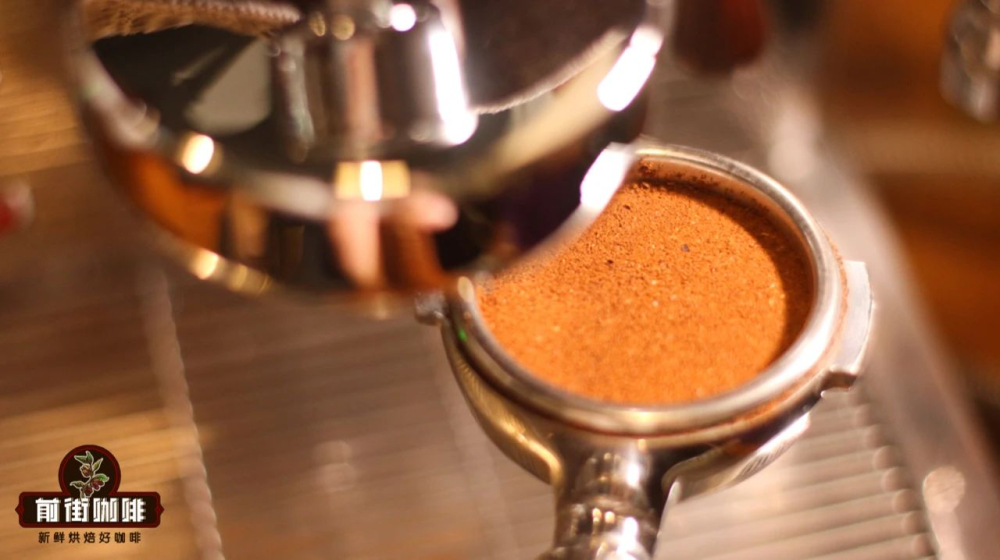
From grind size, tamp pressure, and dose, to water temperature, extraction time, and yield, each variable directly influences the final extraction result. For home users, although the machine’s water pressure and temperature are mostly preset, you can still significantly improve espresso performance by adjustingdose, grind fineness, extraction time, and extracted liquid weight— these four core parameters.
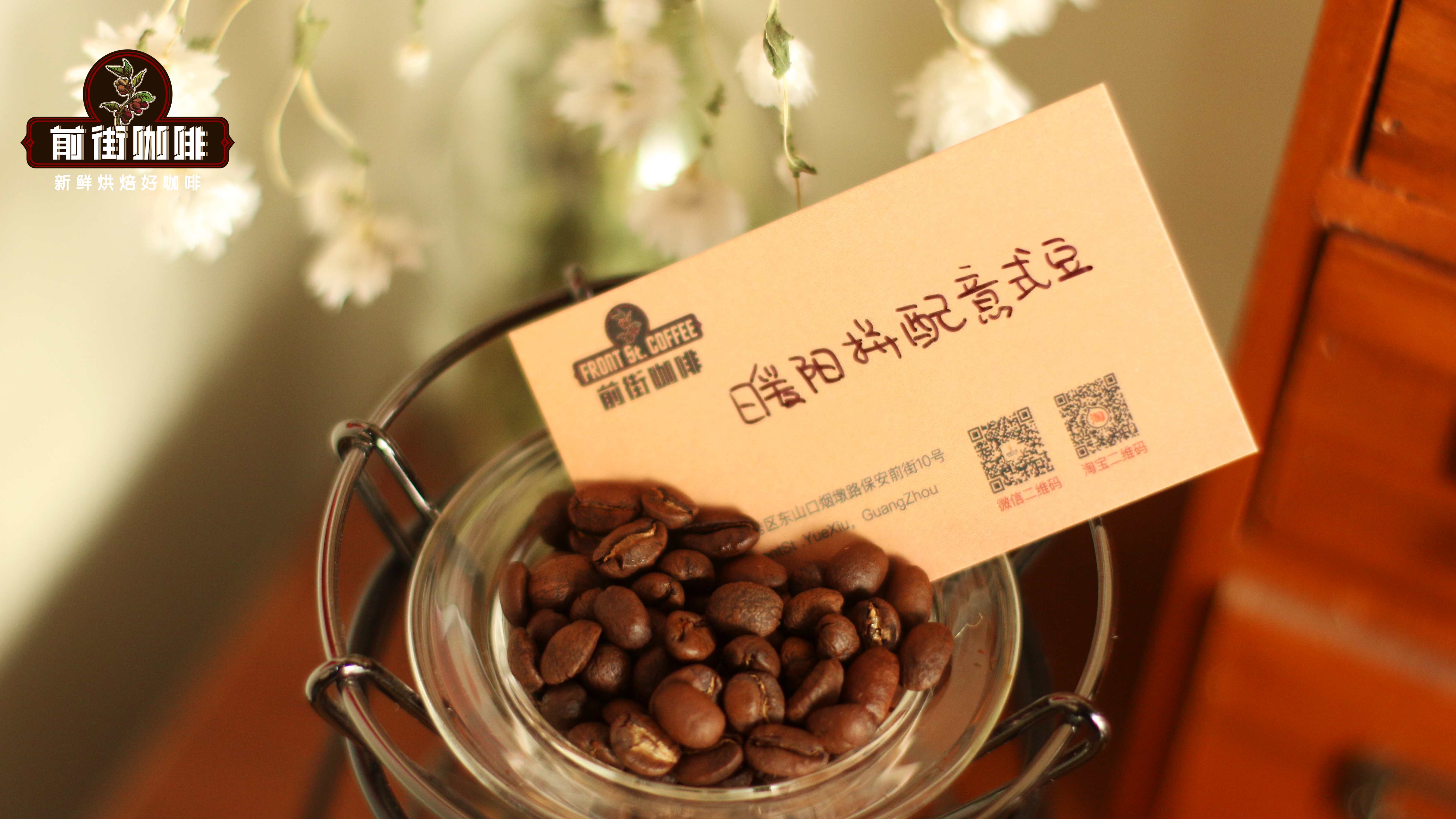
In addition,the choice of coffee beans is crucial. Since the espresso extraction environment is extremely demanding, single-origin beans with light roasts can easily release overly sharp acidity and off-flavors. Therefore, choosing a well-balanced, full-bodied blend is usually a safer bet.
Practical Brewing Steps and Parameter References
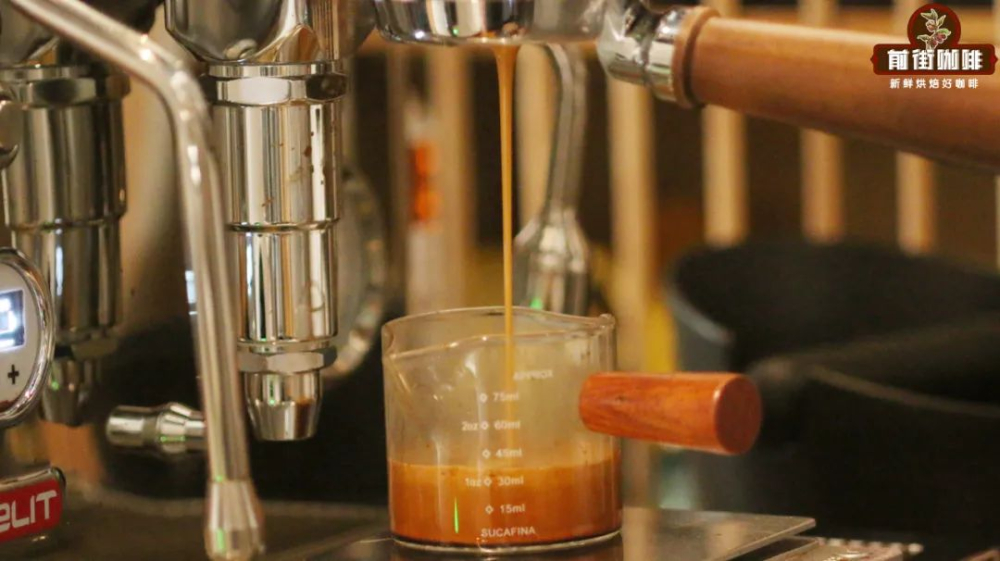
Taking a double-shot basket as an example, it is generally recommended to use about 18–20 grams of coffee grounds, aiming for a 1:2 extraction ratio — that is, extracting 36–40 grams of espresso. The extraction time is advised to be controlled between 25–30 seconds; too short may lead to under-extraction and a thin flavor, while too long can result in burnt bitterness and over-extracted off-notes.
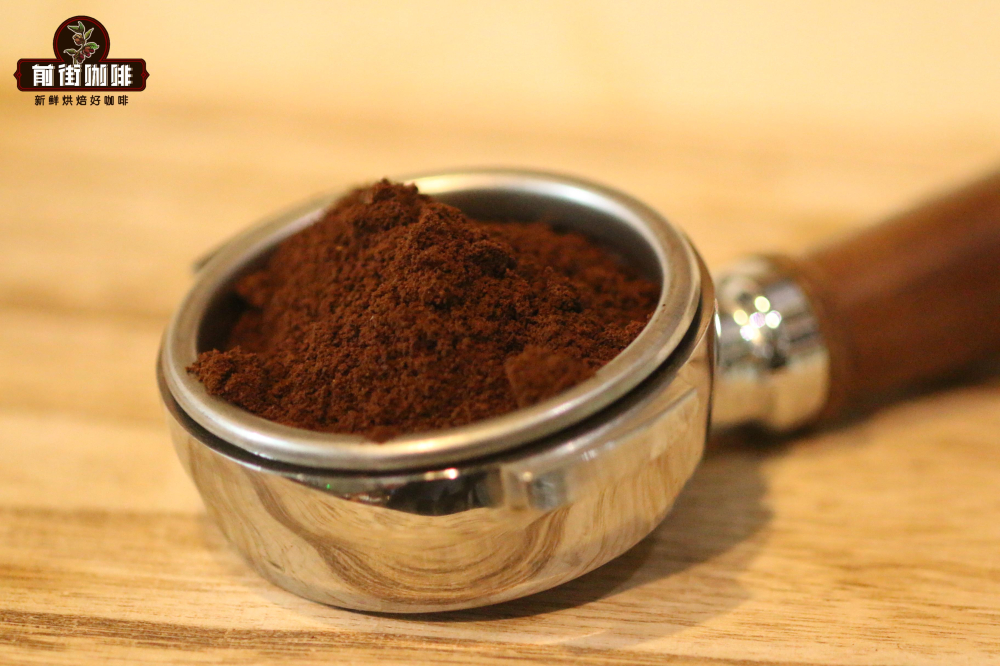
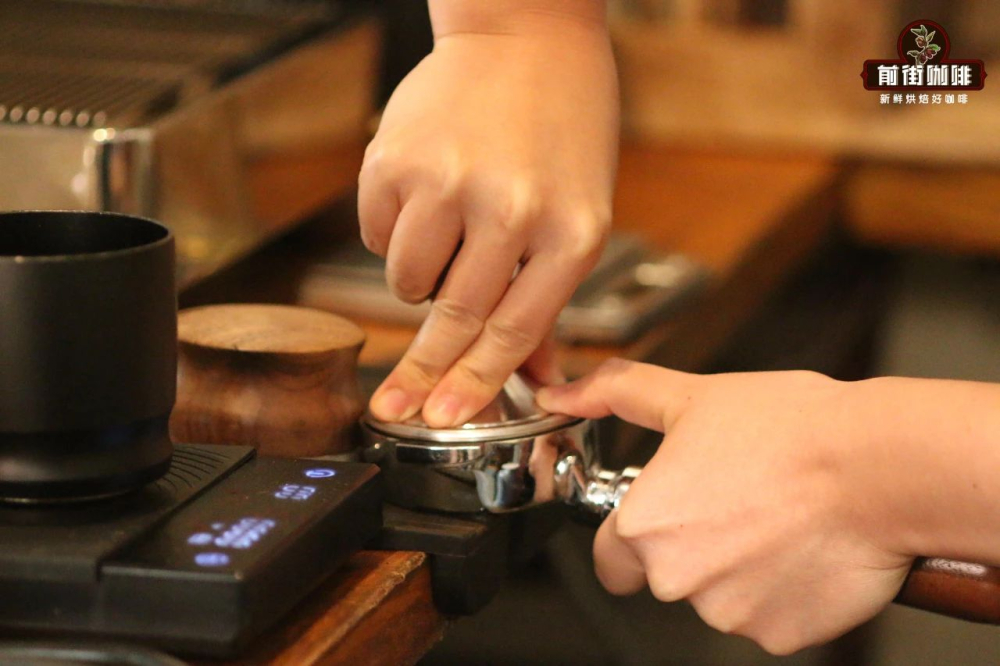
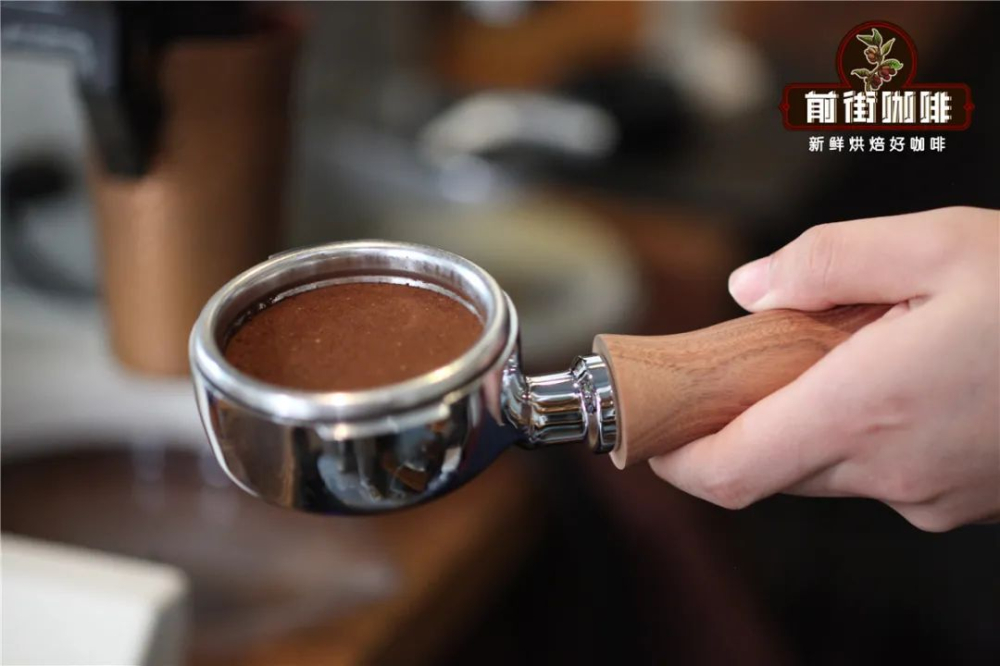
In terms of steps, first ensure the portafilter basket is dry, distribute the ground coffee evenly, then use a tamper to press the puck down with steady and vertical force to make it compact and level. Next, briefly start the extraction for 1–2 seconds to wet the brew head and flush out any residual coffee grounds. Then place your cup on the drip tray and tare the scale, securely lock the portafilter into the group head, and begin the actual extraction.
Observe the extraction process — when the liquid weight approaches the target (e.g., 40 grams), and the time falls within the ideal range (e.g., 28–30 seconds), you can stop the extraction. At this point, observeCremathe color and thickness of the crema, as well as the overall flavor profile, and make further micro-adjustments to dose, grind, or time if necessary.
Professional Tip: How to Adjust Extraction Parameters?
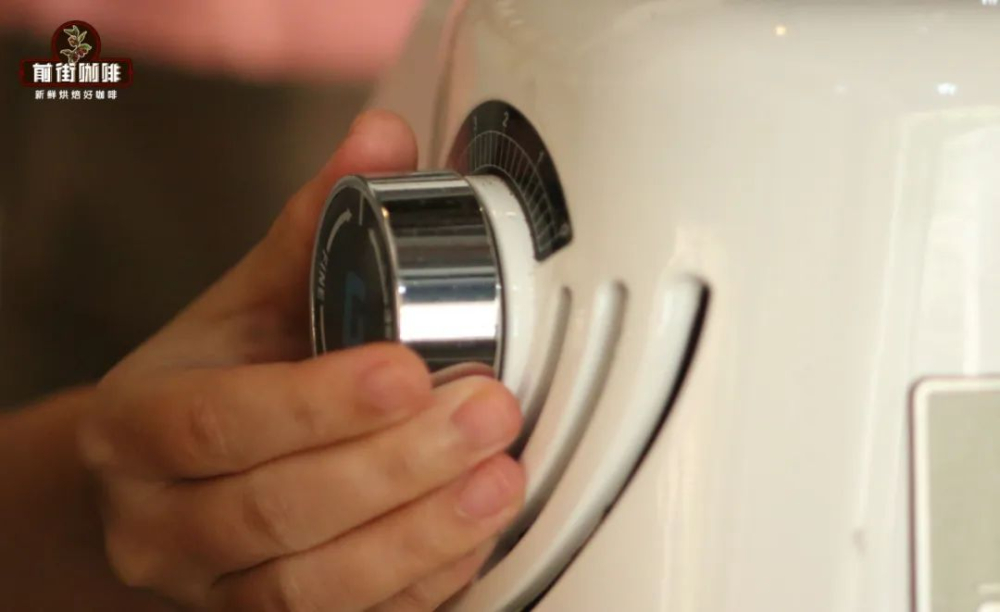
If the espresso tastes overly bitter or has a burnt aftertaste, it may be due to the grind being too fine or the extraction time too long. In this case, try adjusting the grind to a coarser setting or slightly reducing the dose. Conversely, if the coffee tastes too weak or lacks complexity, the grind may be too coarse or the flow rate too fast. You can grind finer or slightly increase the dose to extend the extraction time and enhance the shot’s concentration.
Additionally,environmental humidity, the freshness of the coffee beans, and the condition of the grinderalso affect extraction results. It’s recommended to regularly calibrate your grinder and use beans roasted within 5–14 days for optimal flavor performance.
Conclusion: From Parameters to Sensory — Crafting Your Perfect Espresso
Making an ideal shot of espresso is not just about mechanically applying numbers, but also understanding how each variable affects the final flavor outcome through actual tasting and continuous experimentation. From fine-tuning the subtle differences in grind size and dose, to observing the balance between extraction time and liquid weight, each step brings you closer to the skill level of a professional barista.
As long as you master the basic principles and make good use of data and sensory feedback, even at home, you can consistently produce espresso with rich crema and balanced flavors, adding more depth and enjoyment to your daily coffee moments.
The above content is compiled by CoffeeHunters, a coffee news website.


