







Introduction:The world of specialty coffee is dominated by three major producing regions: Africa, Latin America, and Asia. Each region, due to differences in climate, soil, and processing methods, produces coffee beans with unique flavor profiles. This article delves into the flavor characteristics of each region—from the bright acidity of African beans to the rich body of Asian beans—and includes a practical selection of recommended beans to help you choose the right coffee based on your brewing preferences and enhance your pour over experience.
Stepping into the world of specialty coffee, the three major producing regions—Africa, Latin America, and Asia/Pacific—are like three vibrant canvases of flavor, each showcasing its own distinct personality. Coffee beans from Latin America generally exude aromas of cocoa and nuts, with mild acidity and well-balanced body, resulting in an overall harmonious and smooth taste. African beans, on the other hand, are known for their vibrant citrus notes and delicate floral aromas, featuring bright and lively acidity, relatively lighter body, and a richly diverse flavor profile. As for the Asia/Pacific region, its coffee often carries herbal and spicy undertones, with moderate acidity but the most pronounced body, delivering a deep and steady taste sensation. This article will take you through representative origins in each region and share carefully selected recommended beans, helping you more easily find your desired flavor among the many coffee choices.
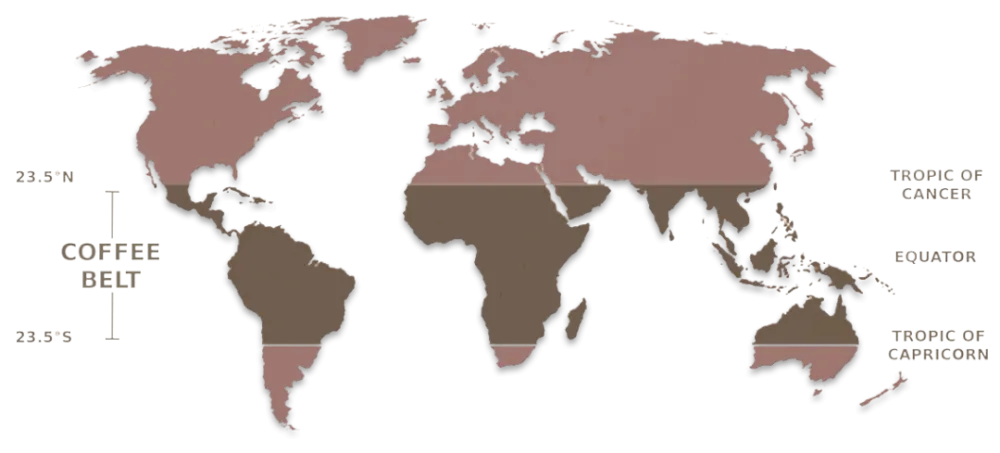
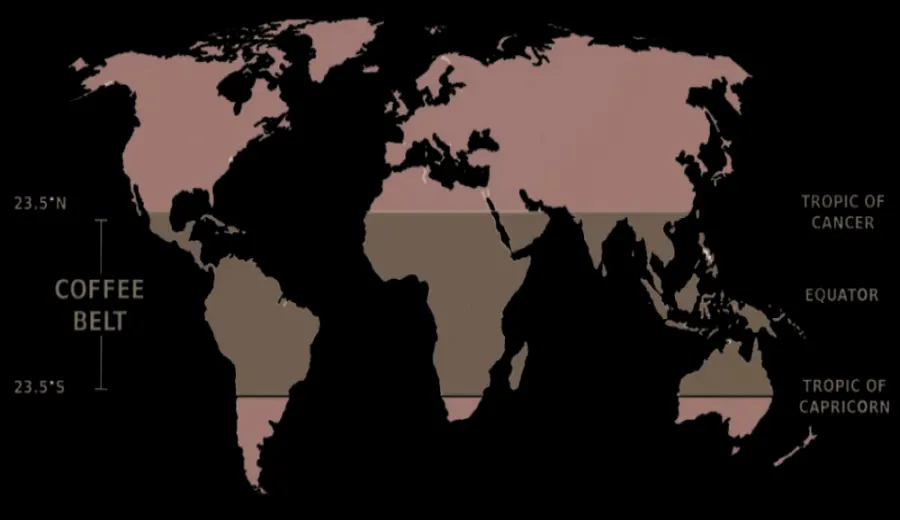
If we compare specialty coffee to a richly detailed book, then the various countries scattered across the “coffee belt” are the most captivating chapters. Broadly speaking, these regions can be categorized into three main blocks: Africa, Latin America, and Asia, each with its own unique terroir and coffee character.
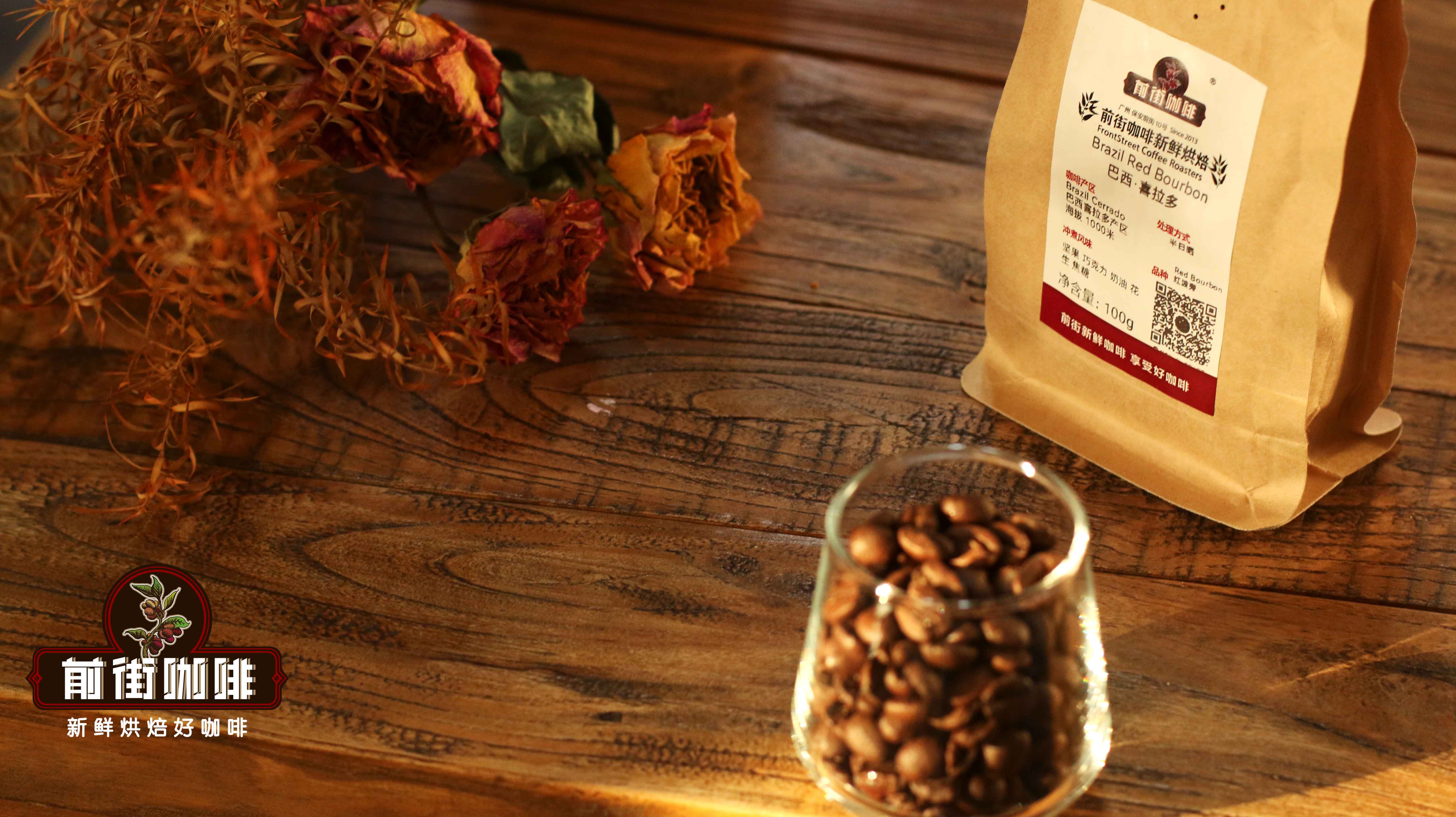
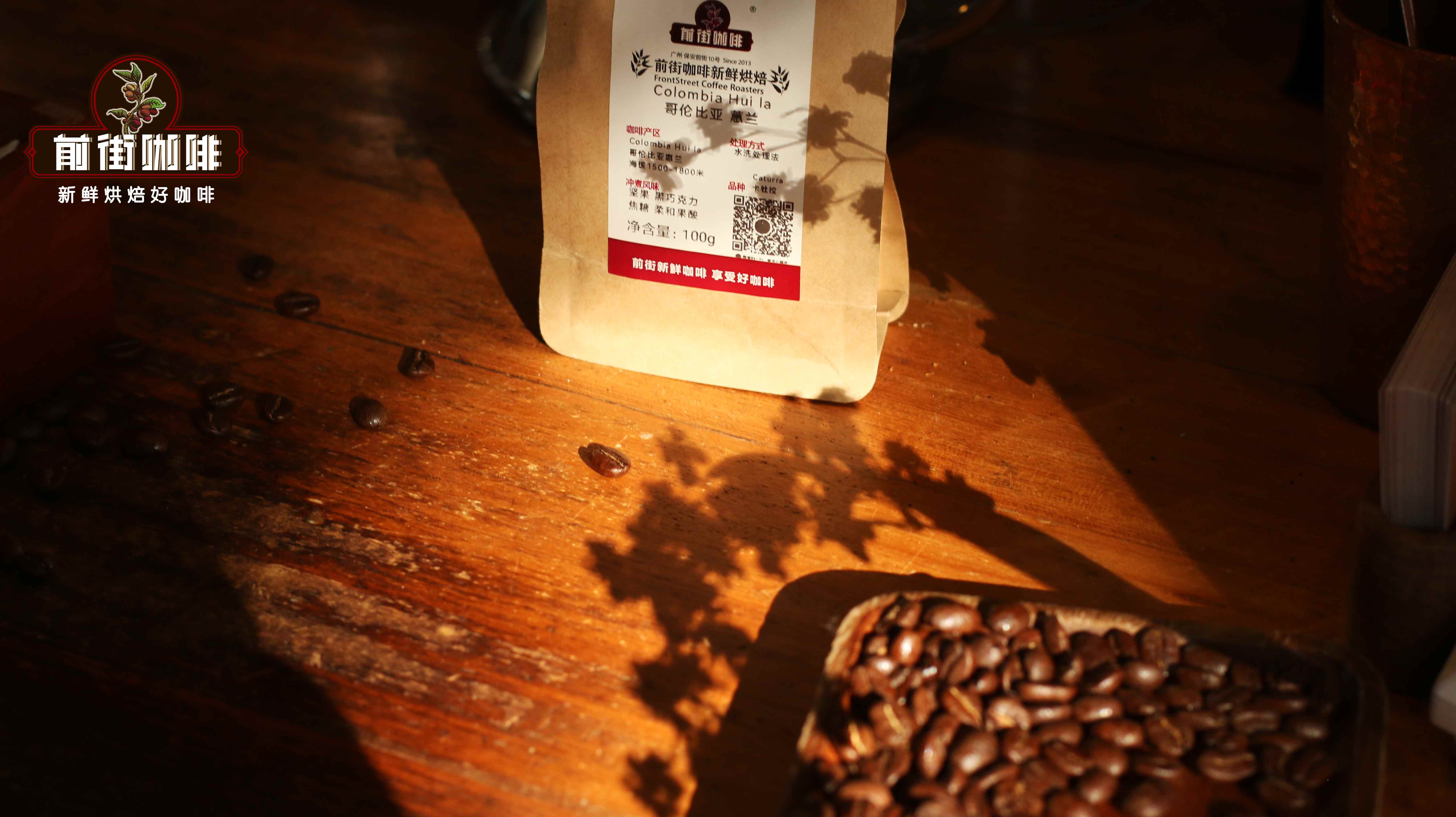
Let’s first look at the coffee from the Latin American region. These beans typically carry notes of cocoa and nuts, offer a balanced taste, have soft acidity, and a medium body, resulting in an overall mild yet layered performance, which is why they are widely loved by coffee enthusiasts. Brazil, an important origin in this region, produces Cerrado coffee known for its round mouthfeel, medium acidity, and noticeable sweetness. Its smooth taste makes it an ideal base for blended coffee and equally suitable for drinking on its own. Colombia’s Huila coffee, meanwhile, stands out for its consistent quality and unique sense of body, with a rich aroma that leaves a lasting impression. It offers a sweet acidity with low bitterness, and varying roast levels can bring out a diversity of flavor layers.
Coffee from the African region is primarily characterized by bright citrus and floral notes, with higher acidity and lower body, resulting in a fresh and vibrant taste—it’s an excellent starting point for exploring coffee flavors. As the birthplace of coffee, African-grown beans often deliver astonishingly impressive flavor profiles. Ethiopia’s Huika coffee is famed for its sweet and fragrant acidity, featuring floral and fruity notes with minimal bitterness, a clear taste, and is very suitable for those who enjoy pure, unblended flavors. Kenya’s Little Tomato coffee showcases a distinct small tomato aroma, with additional elements such as black plum, pear, cherry tomato, and black plum. It has bright acidity upon entry, a relatively higher body, and is especially suited for those who prefer a juice-like coffee experience. Rwanda’s Red Bourbon coffee emits a citrusy sweetness, with lively acidity along with hints of berries and apples. The mid-palate reveals a honey-like sweetness, with excellent balance of sweetness and overall harmony, while the finish leaves notes of almond and chocolate.
Coffee from the Asia/Pacific region often features herbal aromatics and spicy undertones. While not high in acidity, it boasts the most prominent body among the regions. This area has a long history of coffee cultivation, and its flavors are steady and layered, much like being immersed in a pine forest. Indonesia’s Mandheling coffee carries a unique herbal and spicy character, and after dark roasting, its flavors transform into a rich profile of caramel, pine, and dark chocolate, making it highly favored by those who enjoy bold flavors. Coming from China’s Yunnan province, the small-grain coffee is primarily defined by flavors of nuts, chocolate, and brown sugar. It is rich yet not bitter, balanced in taste, and also carries a slight tea-like note, making it one of the representatives of Asian coffee.
The above content is compiled by CoffeeHunters, a coffee news website.


