







Introduction:Robusta coffee beans are often categorized as "low-grade" due to their intense bitterness and smoky profile, but they actually possess irreplaceable advantages. This article delves into the varietal characteristics and flavor profile of Robusta, explores the reasons behind its bitterness, and explains why some specialty shops still add small amounts of it to enhance crema and richness. It also includes resting and brewing recommendations to help you find your ideal way to enjoy it.
In the global coffee market, the two most common varieties are undoubtedly Arabica and Robusta. These two types not only differ significantly in appearance and growing conditions, but also in their final flavor profiles. Robusta, with its strong disease resistance and high yield, has long been the mainstay of commercial blends and instant coffee. However, its distinctive intense bitterness, smokiness, and even woody notes often make it a coffee that specialty enthusiasts tend to avoid.
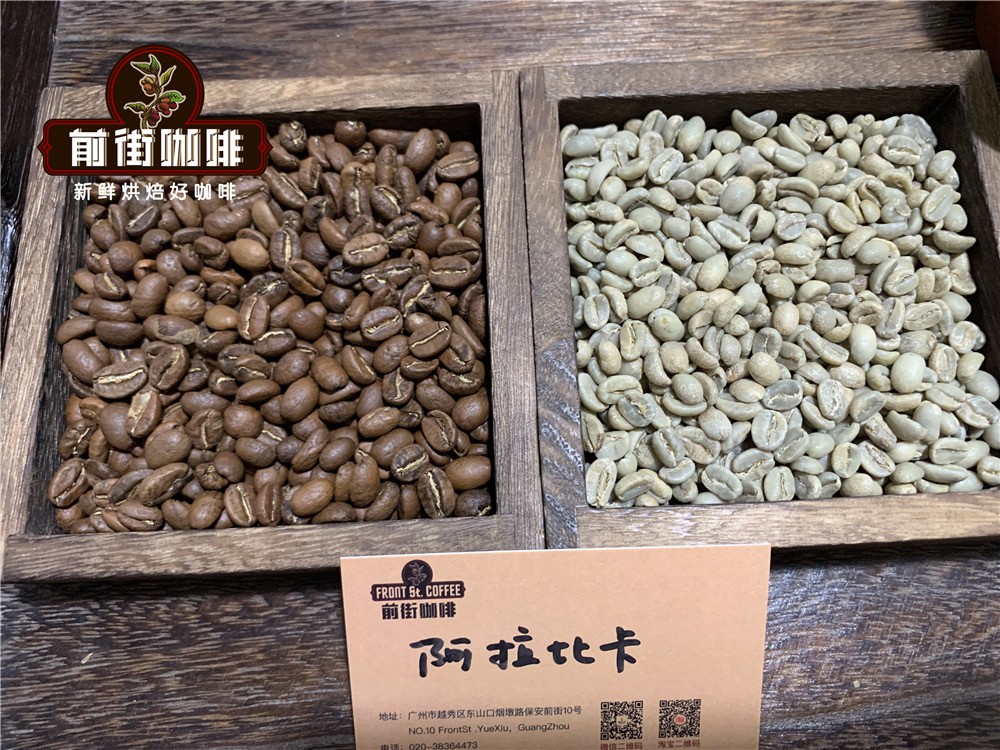
To understand Robusta, we must first start with its plant characteristics. The coffee family can be broadly divided into three main varieties: Arabica (small bean), Robusta (medium bean), and Liberica (large bean). But in reality, the first two dominate nearly all market exposure, especially Arabica, which is the mainstream in specialty coffee.
Arabica is relatively demanding in terms of environment, preferring high altitudes (around 800 to 2000 meters) and shaded conditions. It grows more slowly but typically produces coffee with complex floral and fruity notes and bright acidity, thus falling under the category of specialty coffee. In contrast, Robusta is highly resilient to environmental stress, able to thrive at low altitudes (0 to 800 meters) and even in harsh climates and soil conditions. It also boasts superior resistance to pests and diseases, along with noticeably higher yields per unit area.
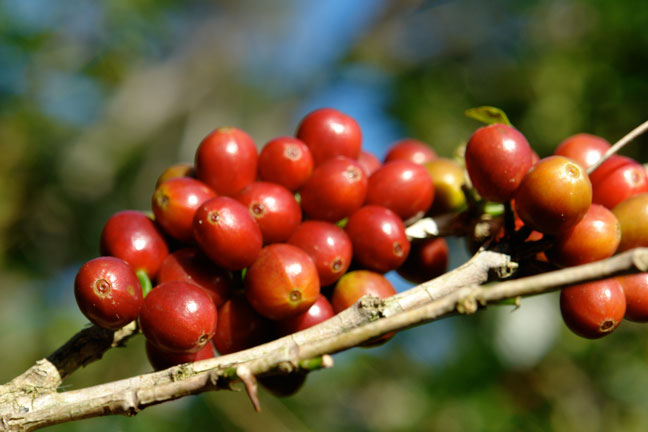 Robusta coffee beans usually grow one bean per cherry, have a rounder shape with a distinct C-shape, and a central seam that looks like the number “1”. The raw beans are yellowish-brown in color. These beans have a relatively high chlorogenic acid content (about 7% to 10%), giving them stronger natural defenses and contributing to their bold and slightly aggressive flavor characteristics. Major producing regions include Vietnam, Indonesia, and Hainan in China, with Vietnam being the world’s largest exporter of Robusta.
As for the less common Liberica variety, although its large beans are visually striking, its flavor is rather mediocre, and its tall plants make harvesting difficult. As a result, it holds an extremely low market share—only about 2% to 5%—and is mostly limited to Southeast Asia, such as the Philippines.
Robusta is often seen as “non-specialty” coffee. Its high caffeine content (about 3.2%, far exceeding Arabica’s 1.2% to 1.5%) and rich crema were once favored during the espresso era. However, with the rise of specialty coffee culture, consumers have shifted toward brighter acidity, clear fruit notes, and complex layers. Robusta’s inherent nutty, peanutty, smoky, and even woody bitter notes have become points deducted in evaluations.
But this doesn’t mean Robusta has no value.Adding a small amount of Robusta can help enhance the overall body of a blend, stabilize extraction performance, and increase the richness of the crema.Some specialty coffee shops incorporate a touch of Robusta into their blends to give the espresso a fuller body, especially appealing to those who prefer a stronger flavor. For example, some popular commercial blends or classic Italian beans skillfully leverage this characteristic to achieve a balance between flavor and cost.
 For home brewers, choosing pure Arabica or a blend with a moderate amount of Robusta depends on personal taste preferences. If you’re after clear fruit acidity and floral-fruity aromas, Arabica is the top choice. But if you prefer a bold, full-bodied coffee with deep-roast chocolate or nutty flavors, a blend with a small amount of Robusta might be more to your liking.
No matter which beans you choose, freshness is key to flavor performance. It’s recommended to purchase coffee beans roasted within 5 days and let them rest for 4 to 7 days after arrival to complete the degassing period, when the flavors are most balanced and rich. If you buy pre-ground coffee, it’s best to consume it as soon as possible, as grinding greatly increases the surface area exposed to air, leading to rapid flavor loss.
In summary, although Robusta has long been labeled as “cheap and bitter,” its high intensity, crema performance, and environmental adaptability still secure it a place in the commercial coffee market. By understanding its characteristics and using it appropriately, you may discover the unique charm Robusta can offer in specific contexts.
The above content is compiled by CoffeeHunters, a coffee news website.


