







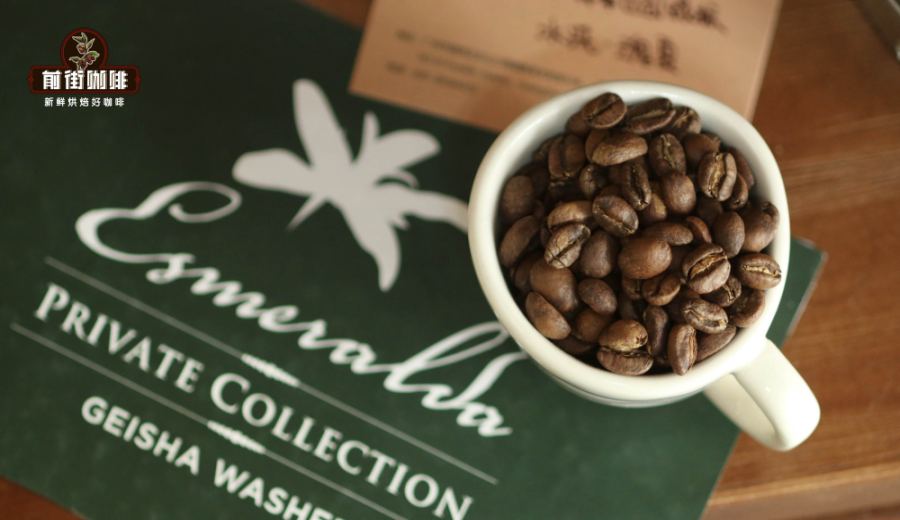
Introduction:Delve deep into Panama’s Boquete high-altitude region, offering a comprehensive exploration of the Geisha and specialty coffee varieties from three renowned estates: Emerald, Elida, and Hartmann. From cultivation altitude, microclimate, processing methods to unique flavor profiles, along with practical pour over parameters and techniques, this guide helps you better appreciate the layers and nuances of these top-tier coffees.
Although Panama is a small Central American country with an area of only about 75,000 square kilometers, it has carved out a niche in the specialty coffee market thanks to its globally celebrated Geisha variety. Particularly in the Boquete region, the high elevation and unique geographical environment nurture multiple internationally auction-grade coffees. This article focuses on three representative estates — Emerald Estate, Elida Estate, and Hartmann Estate — delving into their growing environments, processing techniques, signature beans, and distinctive flavors, while also providing useful pour over recommendations to help you more fully understand the charm of these premium coffees.
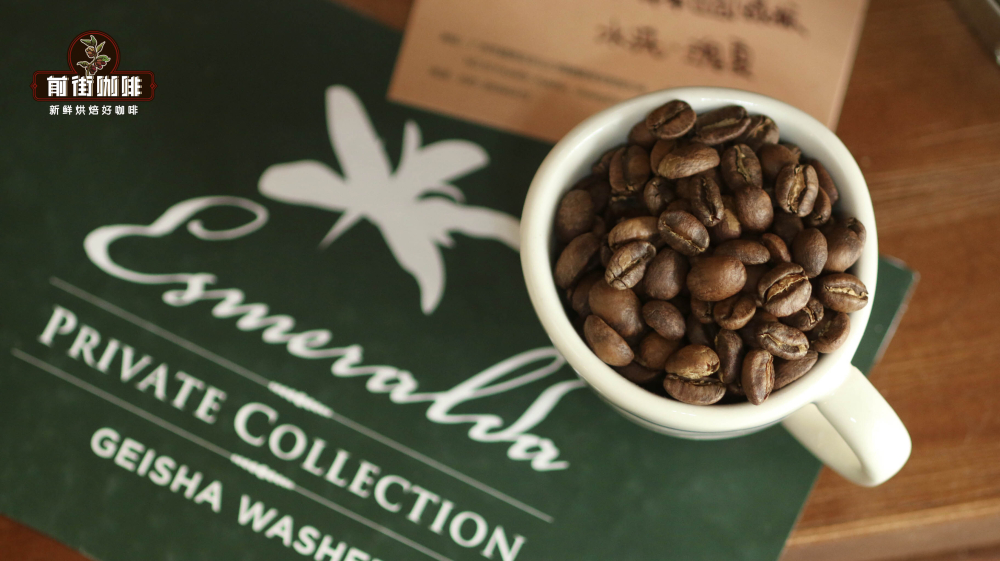
Panama is located in the center of the American continent, with a long, narrow, S-shaped terrain that connects North and South America. Its climate is tropical maritime, featuring large day-night temperature variations, with an average annual temperature between 23 and 27°C and annual rainfall of about 1,500 to 2,500 millimeters — conditions highly suitable for coffee cultivation. Among them, the Boquete region in the western Chiriquí Province is the most renowned specialty coffee-producing area, with Volcán, Santa Clara, and Candela also enjoying good reputations. Generally speaking, only coffee grown at elevations above 1,300 to 1,500 meters is considered to have special “specialty” flavors.
The growing models in the Boquete region are roughly divided into sun-grown, semi-shaded, and full-shaded plantations. Full-shaded plantations plant more than 50 shade trees per hectare, which can effectively slow down the ripening process of coffee cherries, allowing more flavor compounds to accumulate inside the cherries. Although yields are lower and costs higher, this significantly enhances the aroma and complexity of the coffee. In contrast, sun-grown plantations may yield more, but the flavors are usually more one-dimensional. Semi-shaded falls between the two, with about 25 to 50 shade trees.
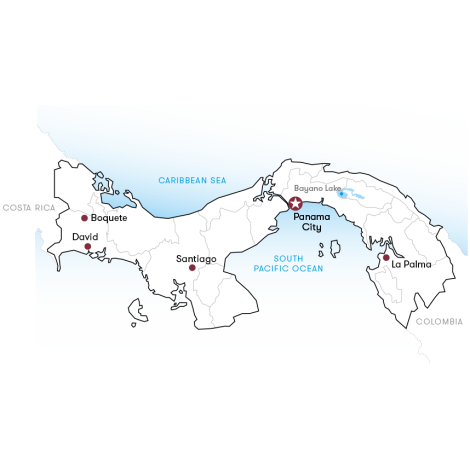
Emerald Estate: The Benchmark of Geisha Red Label
Emerald Estate (La Esmeralda) is nestled at the foot of the Barú Volcano. Initially, coffee from this area was often referred to by the name of Barú Mountain. As the planting area expanded to Jaramillo and the even higher-altitude Canas Verdes region, this estate gradually rose to prominence. After being acquired by Rudolph Peterson, Emerald Estate not only became a key promoter of the Geisha variety but also gained international fame after winning the 2004 Best of Panama (BOP) auction. Its subsequent releases — the Red Label, Green Label, and Blue Label grades of Geisha — became highly sought-after by coffee enthusiasts worldwide.
Among them, the Red Label Geisha (also known as Emerald Special Selection) is regarded as the flagship series of Emerald Estate, selecting only Geisha beans from Jaramillo and Canas Verdes, grown at elevations of 1,600 to 1,800 meters with cupping scores above 90. These beans typically come from independently auctioned lots. There are also non-auction Red Labels available on the market; although they did not participate in auctions, their quality and processing methods remain consistent, with only slightly lower prices.
In terms of processing, the Red Label Geisha mostly employs the natural (sun-dried) method, bringing out intense fruity aromas and sweetness. Practical pour over recommendation as follows: Use a Hario V60 filter, water temperature at 90°C, 15 grams of coffee, a 1:15 coffee-to-water ratio, medium-fine grind (about 75% passing through a #20 sieve). The technique involves a 30-second bloom with 30 grams of water, followed by pouring in stages up to 125 grams, then continuing to 225 grams, with a total extraction time of about 2 minutes. The flavor profile is diverse, including rose floral notes, citrus, berries, apricot, and honey, with a rich body and long-lasting aftertaste.
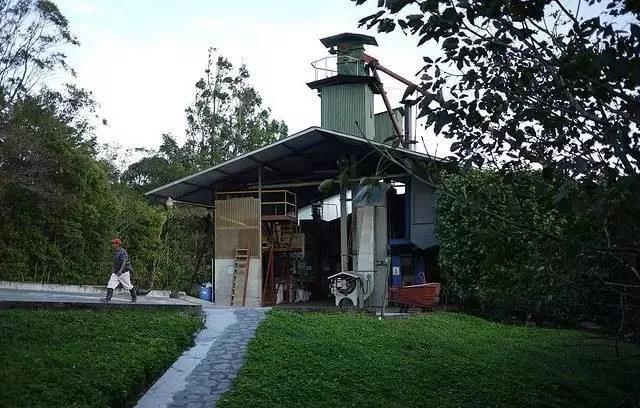
Elida Estate: The Crystallization of Ultra-High Altitude and Natural Flavors
Elida Estate (Elida Estate) dates back to 1918, originally owned by the Lamastus family and now managed by the Wilford family. It is situated at an exceptionally high elevation, with some areas approaching 1,850 meters, making it one of Panama’s few ultra-high altitude coffee estates. Nearly half of its land lies within the boundaries of the Barú Volcano National Park, boasting an outstanding ecological environment. The estate grows varieties such as Catuai, Typica, and Geisha, with Geisha being a highlight.
Due to its high altitude and significant day-night temperature differences, coffee cherries at Elida Estate mature slowly, often taking over a month to fully ripen. Only the ripest cherries are harvested, with careful hand selection, and the beans undergo a low-temperature resting period of over five months, resulting in rounder and more layered flavors. Even in the face of hurricanes or heavy rains, if the cherries do not meet harvesting standards, the estate insists on not rushing the harvest — a high-risk practice that has led to its exceptional quality.
Take the Typica variety, for example: processed using the natural method, its flavors are dominated by peach, raisin, and orange, with a finish that carries hints of grapefruit and green tea, and distinct layers of sugarcane and melon sweetness. Recommended pour over setup: Use a Hario V60, water temperature at 91°C, 15 grams of coffee, 1:15 coffee-to-water ratio, medium-fine grind (about 80% passing through a #20 sieve), with a 30-second bloom followed by pouring in stages up to 225 grams, keeping the total brew time around 2 minutes. This highlights its mellow sweetness and delicate acidity.
Hartmann Estate: Understated Mastery and Artisan Spirit
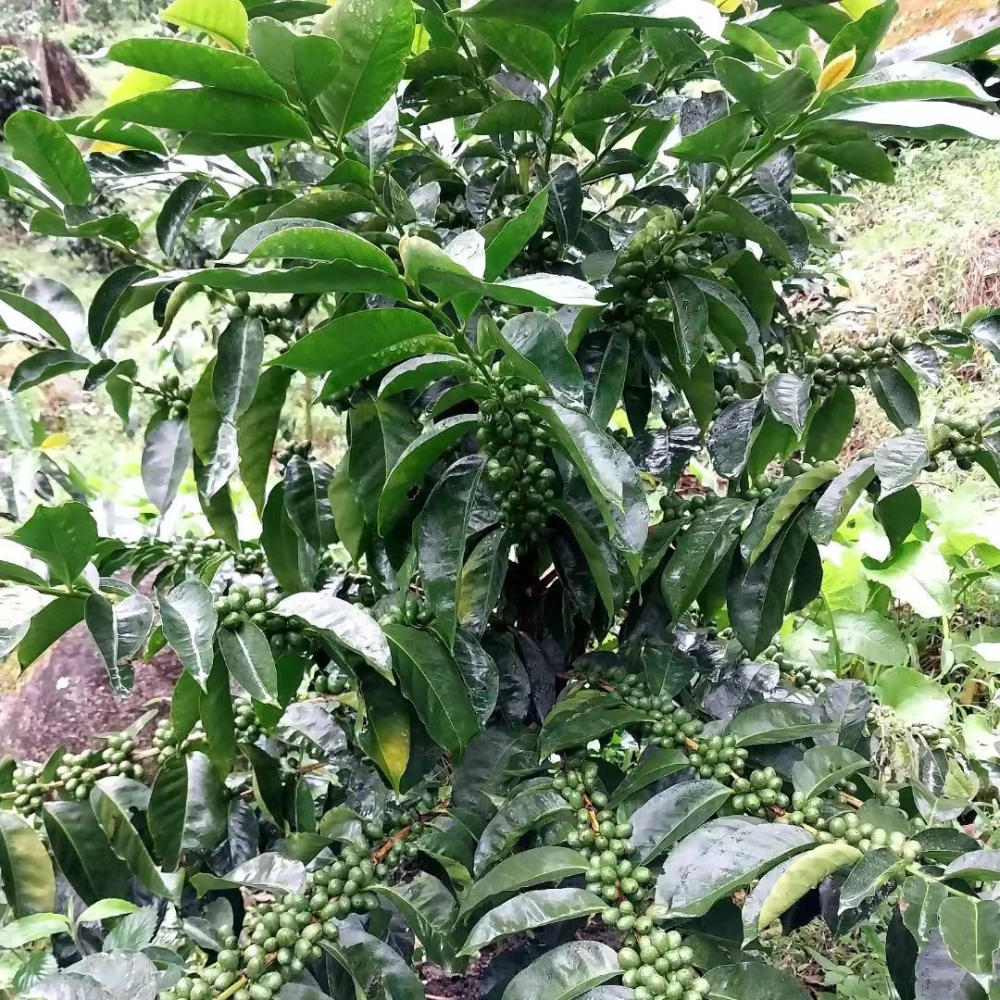
Hartmann Estate is managed by the third generation of the family, with Ratibor Hartmann and his siblings overseeing operations and also providing technical support and processing services to several well-known estates, including Finca La Mula and the 90+ series. Though rarely appearing on BOP auction lists, its consistently high-quality coffee is highly regarded in the industry.
This estate grows the Catuaí variety in the Volcán region and employs a unique wine-like processing method (actually a carbonic maceration anaerobic fermentation). This method mimics the wine-making process, fermenting coffee cherries in a sealed, low-oxygen environment by controlling pH, temperature, and humidity to trigger the formation of unique aromatic compounds, resulting in complex flavors reminiscent of cherry wine, banana, and bubblegum.
Practical pour over recommendation as follows: Use a Hario resin V60, widen the coffee-to-water ratio to 1:16, use a slightly coarser grind (about 70% passing through a #20 sieve), and set the water temperature to 93°C. First, pour 40 grams of water for a 30-second bloom, then pour 140 grams in the second stage, followed by 60 grams in the third stage, with a total brew time of about 2 minutes. This brewing method highlights the wine fermentation aromas — the cup opens with bright citrus and kiwi acidity, the mid-palate offers brown sugar sweetness and wine-like richness, and the finish is refreshing with dynamic layers.
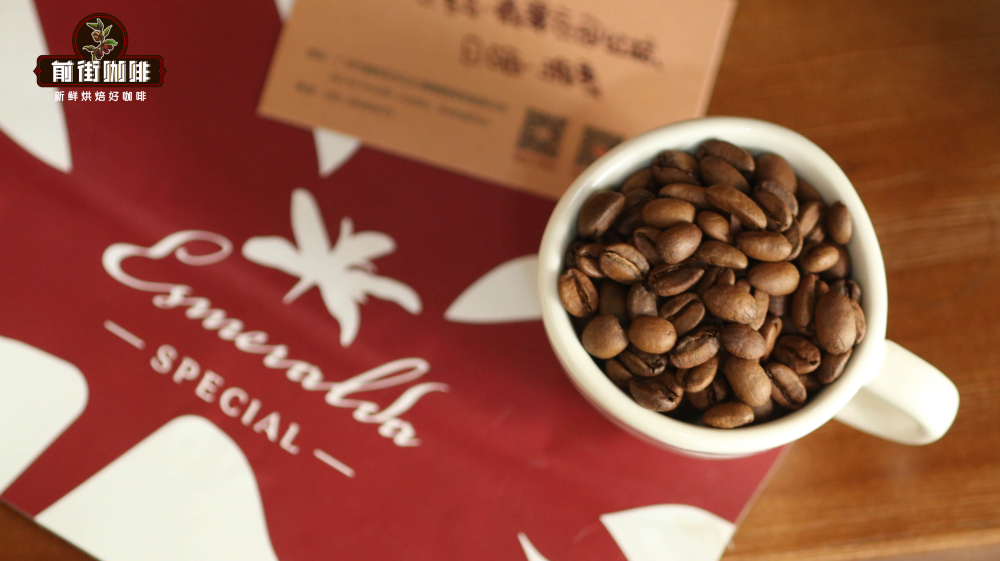
In summary, Panama’s Boquete region’s three renowned estates, blessed with exceptional altitude and microclimate, combined with refined cultivation and processing techniques, produce Geisha and specialty coffees with unique flavors and rich complexity. Whether it’s the vibrant fruitiness of the Red Label Geisha, the mellow sweetness of Elida’s Typica, or the wine-like complexity of Hartmann’s Catuaí, each is worthy of your careful tasting and exploration.
The above content is compiled by CoffeeHunters, a coffee news website.


