







Introduction:Panama has carved out a niche in the global specialty coffee scene thanks to its unique geographical environment and high-altitude cultivation techniques. This article delves into the microclimates and soil characteristics of the western Panamanian regions of Boquete and Volcán, explores how Geisha coffee evolved from windbreak trees to competition-winning beans, and analyzes its distinctive citrus and floral flavor profiles to help you choose the right Panamanian specialty coffee beans.
Though small in size, Panama plays a pivotal role on the world map of specialty coffee. Particularly in its western highlands, the region benefits from unique microclimates, fertile volcanic soils, and elevations ranging from 1,000 to 1,650 meters, producing coffees that are bright, acidic, and layered with complexity. From the introduction of the Typica variety in the 18th century to the meteoric rise of Geisha coffee in 2004, Panama has journeyed through a remarkable evolution in coffee excellence. This article details the natural advantages, historical background of its key producing regions, and how Geisha rose from the margins of windbreak plantings to become one of the world’s top-tier coffees, along with practical tasting recommendations.
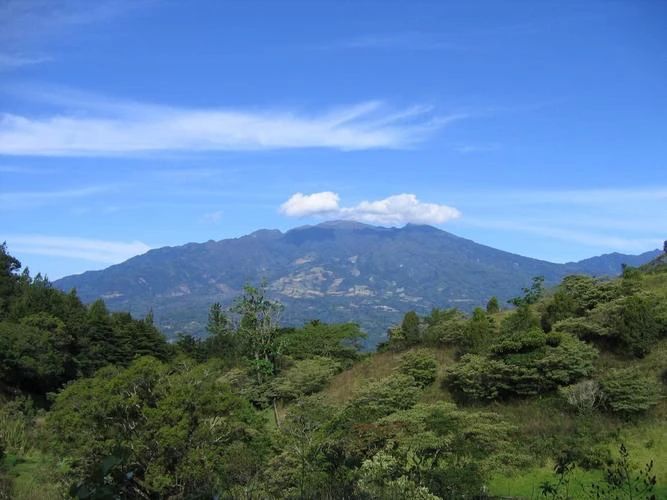
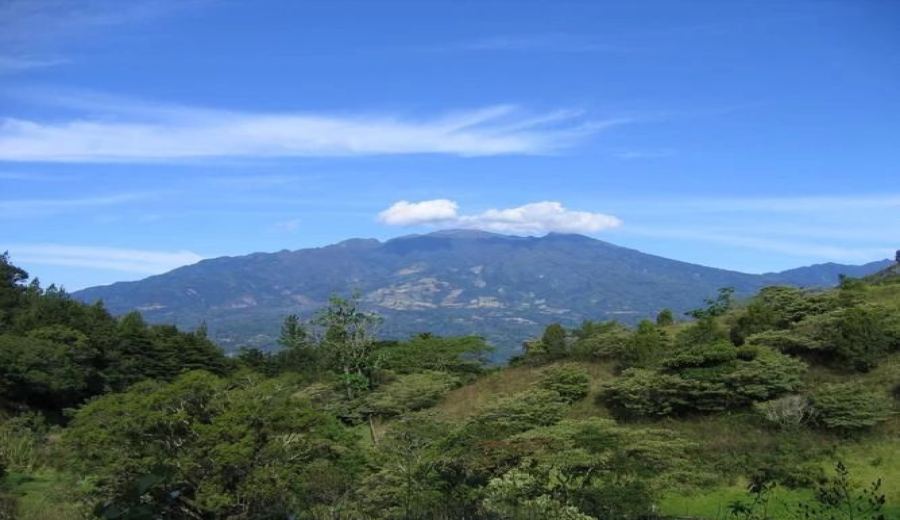
Panama’s high-quality coffees are primarily concentrated in the western highlands bordering Costa Rica, adjacent to the Pacific Ocean, where geographical conditions are exceptionally favorable. Due to the cooling air descending from the central mountain range, the Boquete and Volcán regions—situated above 6,500 feet (approximately 1,980 meters)—develop diverse microclimates that create highly distinctive coffee flavors. Especially around the Barú Volcano, the mineral-rich and evenly distributed soils, combined with suitable temperatures and significant day-night temperature variations, provide an ideal growing environment for coffee trees, making this area the heart of Panama’s specialty coffee production.
The microclimate variations here are mainly influenced by soil types and elevation. For example, the Volcán region has a higher proportion of volcanic soil, which helps coffee beans accumulate complex flavors. Generally, Panamanian coffees are known for their smooth mouthfeel, gentle acidity, and well-defined layers, with premium batches showcasing exceptional clarity and unique personalities. The first annual exports typically ship in November, making it the perfect time for coffee enthusiasts to taste the new harvest.
Panama’s coffee cultivation history dates back to 1780, when Europeans first introduced the Typica variety, marking the beginning of local coffee farming. Particularly during the construction of the Panama Canal, a large influx of European professionals—including engineers and scholars with a keen appreciation for coffee quality—arrived in the country. After the canal’s completion, many chose to settle in the pleasant climate of the western highlands, purchasing land around Boquete to grow coffee, thereby laying the foundation for Panama’s specialty coffee industry. At the time, this African-origin beverage was both novel and captivating to locals, quickly gaining popularity and driving the gradual spread of coffee cultivation.
However, Panamanian coffee did not initially attract much international attention, and production remained relatively limited. It wasn’t until the recent rise of the third wave coffee movement—where consumers began prioritizing single-origin and processing details—that the concept of specialty coffee took shape, allowing Panama’s potential to fully emerge. A key turning point in this journey was the rise of Geisha coffee. But do you know how this now highly acclaimed bean transformed from a marginal player into a competition champion?
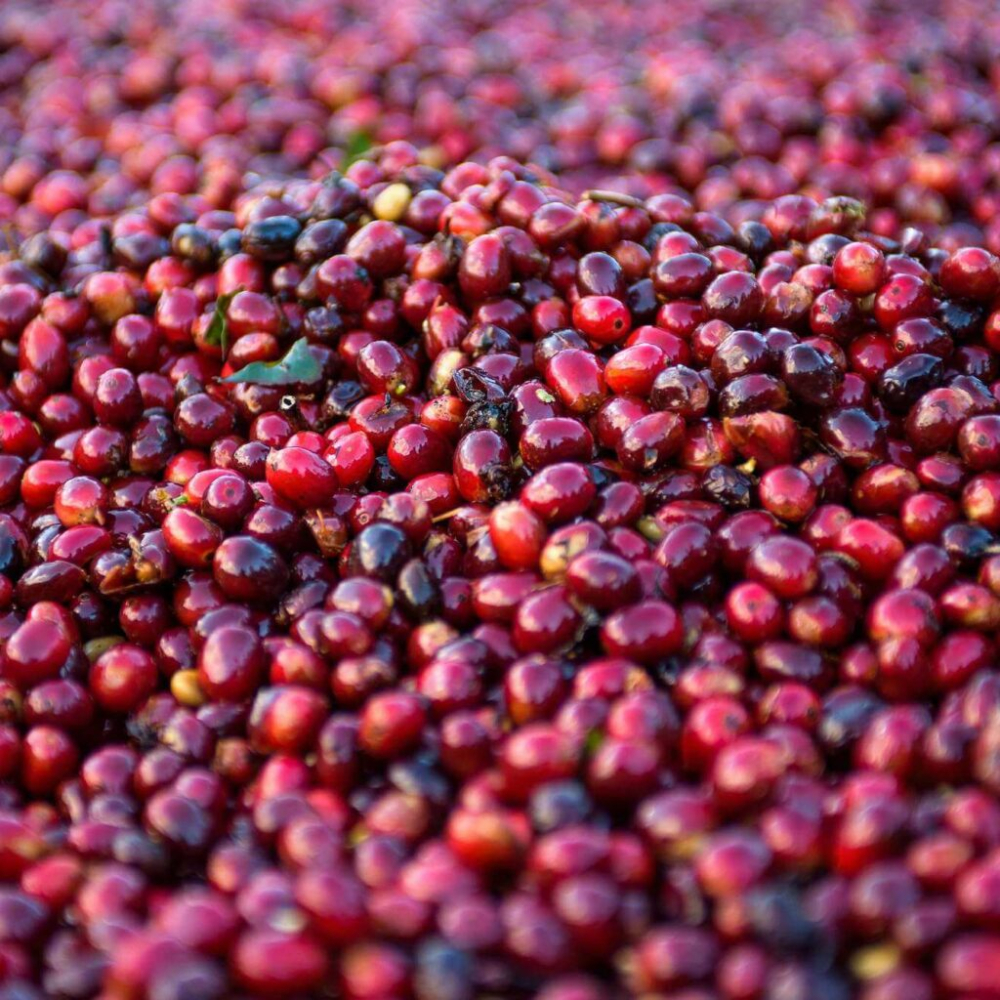
Geisha, sometimes also translated as “Geisha coffee,” derives its name from the Gesha Mountains in southwestern Ethiopia. Its pronunciation is similar to the Japanese word for “geisha,” hence the name. Historical records indicate that the bean was first collected in 1931 by a British consul in Ethiopia’s Gesha region, initially aimed at finding disease-resistant varieties. Between 1931 and 1932, these seeds were sent to Kenya’s Kiambu for trial planting under the names Geisha and Abyssinian, later transplanted to Uganda and Tanzania’s Lyamungu Coffee Research Institute in 1936. In 1953, Costa Rica’s CATIE research institution also introduced seedlings from Lyamungu and other areas for cultivation. It wasn’t until 1963 that Don Pachi Serracin brought these coffee trees to Panama, but due to low yields, they were long overlooked.
The turning point came at Panama’s Hacienda La Esmeralda. Estate owner Daniel Peterson noticed that the Geisha trees located at the highest point of the farm—originally used only as windbreaks—were producing coffee beans with remarkable citrus and floral characteristics. He decided to process these beans separately and entered them into the Panama Coffee Cupping Competition in 2004, where they achieved astonishing success, defeating numerous strong competitors. Since then, Geisha coffee has shone brightly on the international stage, winning competition titles for multiple consecutive years and becoming the dream coffee for specialty coffee enthusiasts worldwide.
If you’re eager to explore the charm of Panamanian specialty coffee, you might want to start with the following classic Geisha offerings. For beginners new to single-origin coffees, Panamanian Boquete Geisha is a great entry choice, offering captivating orange blossom and honey-like notes with a tea-like, refreshing profile that completely redefines common perceptions of coffee.
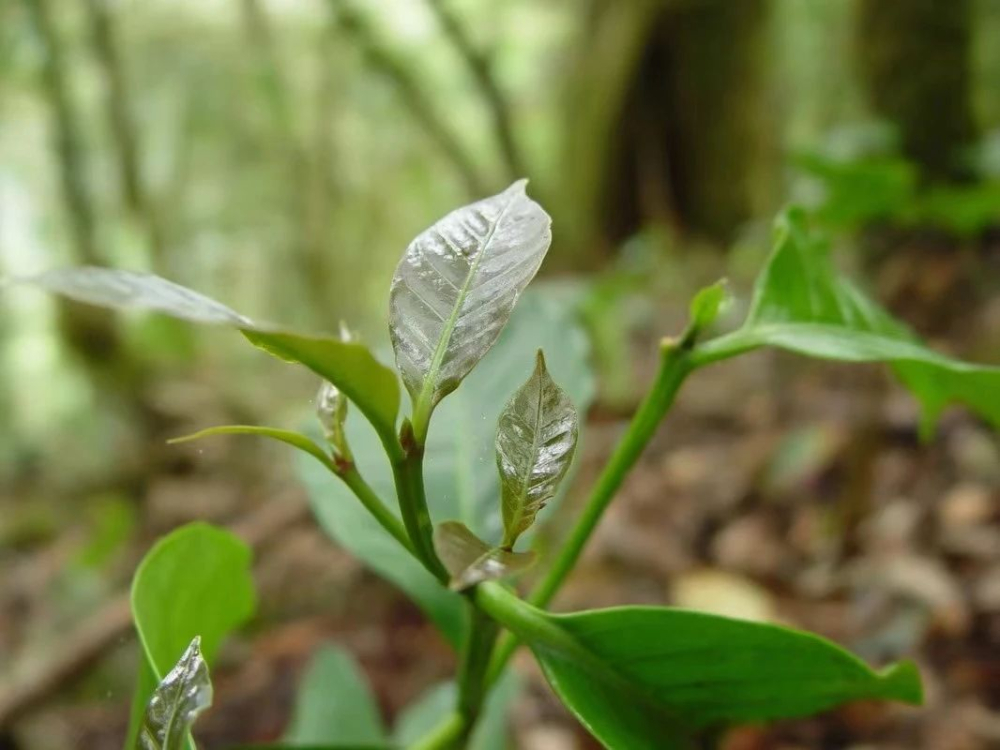
More advanced enthusiasts can challenge themselves with the cost-effective Emerald Green Label Geisha to experience greater layers and intricate details. For gifting to friends or sharing with fellow coffee lovers, the premium Emerald Red Label Geisha is recommended—it boasts unparalleled flavor complexity and rarity, making it the finest representation of Panama’s coffee essence.
The above content is compiled by CoffeeHunters, a coffee news website.


