







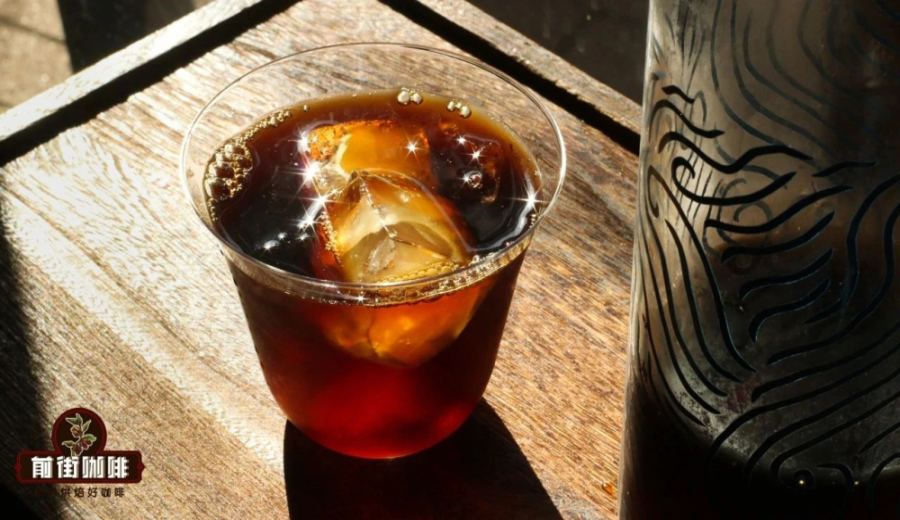
Introduction:As summer arrives, iced coffee becomes the mainstream choice, and among them, cold drip coffee has gained popularity among many coffee enthusiasts for its unique production process and rich flavor. However, compared to regular cold brew or Americano, cold drip not only takes longer to make but also comes with a higher price tag. This article will take an in-depth look at the classification, manual brewing process, and key parameters of cold drip coffee, as well as compare its extraction method and flavor profile with cold brew coffee, helping readers fully grasp the secrets of this slow extraction craft.
With the arrival of summer, various types of iced coffee make their appearances, becoming the go-to choice for beating the heat. From classic Americanos to cold brew coffee, and even the more time-consuming cold drip coffee, consumers often wonder: why is cold drip coffee always significantly more expensive than other types of iced coffee? In fact, besides its more complex production process, cold drip coffee also offers unique flavors and preservation advantages, making it well worth exploring in depth.
So-called cold drip coffee is not simply chilled coffee, but rather a brewing method where ice water slowly drips through a bed of coffee grounds in a low-temperature environment, extracting flavor over an extended period. This extraction method is distinctly different from the commonly seen pour over coffee. Pour over mainly relies on hot water to quickly extract aromatic compounds from the coffee, whereas cold drip coffee uses low temperature and time to allow coffee components to be released in a slower, steadier manner. The extraction time typically ranges from 2 to 8 hours, adjustable based on personal taste preferences or the characteristics of the coffee beans used.
This slow extraction process greatly influences the flavor. With typical hot water brewing, if the water temperature is not properly controlled, bitter and astringent impurities in the coffee can be released too early, negatively affecting the overall taste. In contrast, cold drip coffee, by using ice water and extending the time, prioritizes the extraction of aromatic compounds while reducing the release of substances that may cause astringency. As a result, the final product usually has a sweeter, smoother taste, with less noticeable sourness or bitterness, better showcasing the original layers and nuances of the coffee.
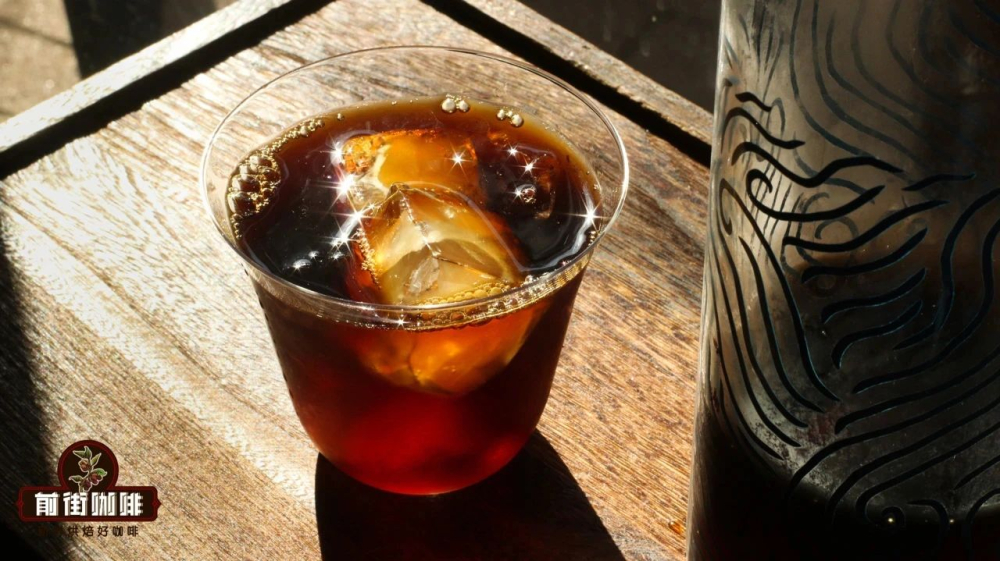
Another major advantage of cold drip coffee lies in its excellent preservation qualities. Since it is never subjected to high temperatures during the entire process, its chemical structure remains relatively stable and is less prone to rapid deterioration due to oxidation or temperature changes. Once brewed, cold drip coffee can be refrigerated for up to two weeks, and may even develop richer aroma variations through slight fermentation during storage. It is recommended to let the coffee rest for 1 to 3 days after brewing before drinking, as this resting period helps the flavors develop, usually resulting in a rounder, softer taste.
It’s worth mentioning that cold drip coffee is also a friendly option for those with more sensitive stomachs. Compared to coffee brewed with hot water, cold drip contains relatively fewer stimulants and, at the same concentration, has a slightly lower caffeine content. Therefore, it is a very suitable choice for those who are not accustomed to strong coffee stimulation but still have the desire to enjoy coffee.
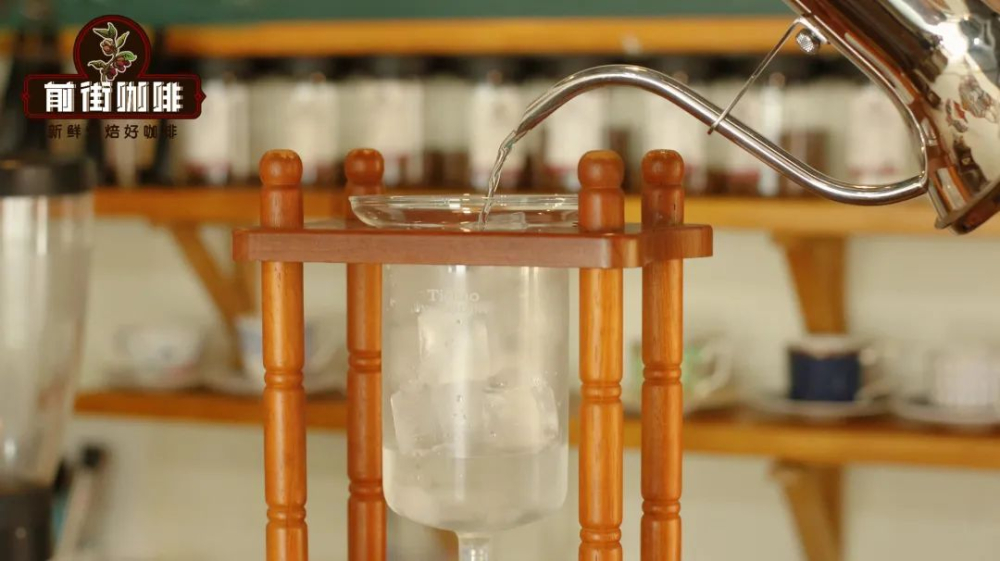
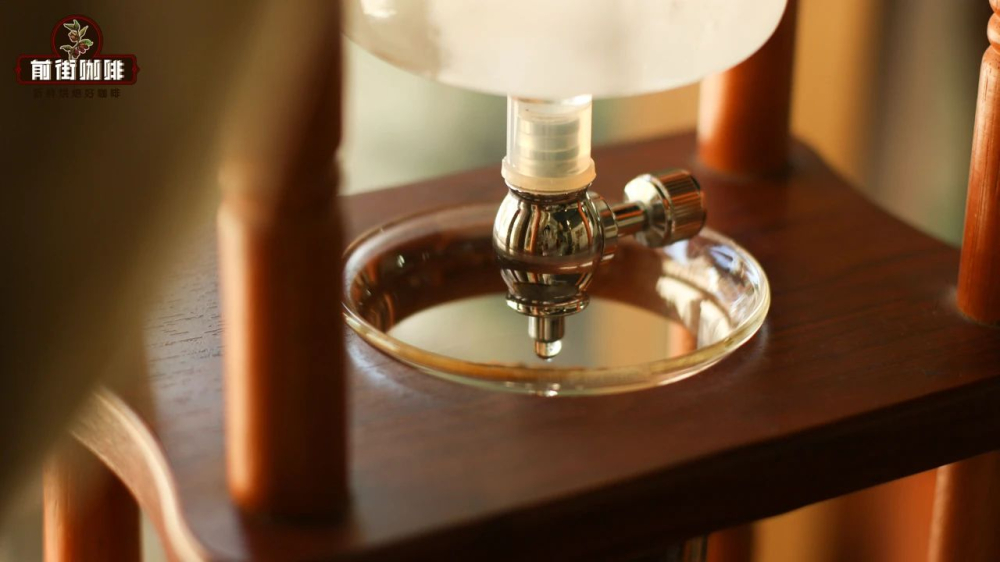
So, how can you make cold drip coffee at home? First, you’ll need a basic set of cold drip equipment. A common cold drip brewer mainly consists of three parts: the top chamber holds the ice water, the middle filtration layer holds the coffee grounds, and the bottom chamber collects the final brewed liquid. Some traditional designs feature a drip control mechanism at the bottom of the top chamber, allowing you to adjust the dripping speed of the ice water to ensure a stable rate (about one drop every 1.5 seconds), which is very important for the stability and consistency of the extraction.
There is a wide variety of cold drip brewers on the market, differing in material and design, with prices varying based on craftsmanship and capacity. Some coffee enthusiasts choose to assemble their own setups, such as using two filter cones to simulate the cold drip effect. However, considering that cold drip coffee is usually made with high-quality beans and involves a long brewing time, it is recommended to use professional equipment to achieve the best results. When setting the grind size, it is advised to grind the coffee to a coarseness similar to superfine sugar, and use a 1:15 coffee-to-water ratio. The dripping speed can be fine-tuned according to personal preference. Before starting the extraction, remember to pre-wet the coffee grounds with a small amount of ice water to aid uniform extraction. It’s recommended to place a moistened specialty filter paper over the coffee grounds to enhance extraction consistency.
To further enhance the flavor, you can pour the freshly brewed cold drip coffee into a glass bottle, seal it, and refrigerate it for 1 to 3 days, allowing the coffee to undergo slight fermentation. This waiting period often brings richer aroma layers and taste variations, and is a widely recognized flavor-enhancing trick among cold drip enthusiasts.
However, many coffee lovers, due to time or equipment constraints, opt for the simpler cold brew coffee (also known as cold steeped coffee). Although people often confuse cold drip with cold brew, the extraction principles of the two are actually quite different. Cold brew coffee involves directly steeping ground coffee in cold water for 8 to 12 hours before filtering and drinking, making it a type of cold infusion, also referred to as cold steeping. This method requires simpler equipment—just a sealed container. Simply mix the coffee grounds with cold water at a ratio of about 1:4.5, then refrigerate.
Cold brew coffee also shares the characteristics of being non-acidic and low in stimulation, making it suitable for home preparation. However, due to the long steeping time, it’s recommended to use slightly coarser coffee grounds, and adjust the time accordingly. Additionally, cold brew coffee is usually stronger in concentration and can be diluted at a 1:3 ratio based on personal taste before drinking. Its refrigerated shelf life can also reach up to two weeks. Currently, there are also specialized cold brew pots with built-in filters available on the market, offering more convenience in use.
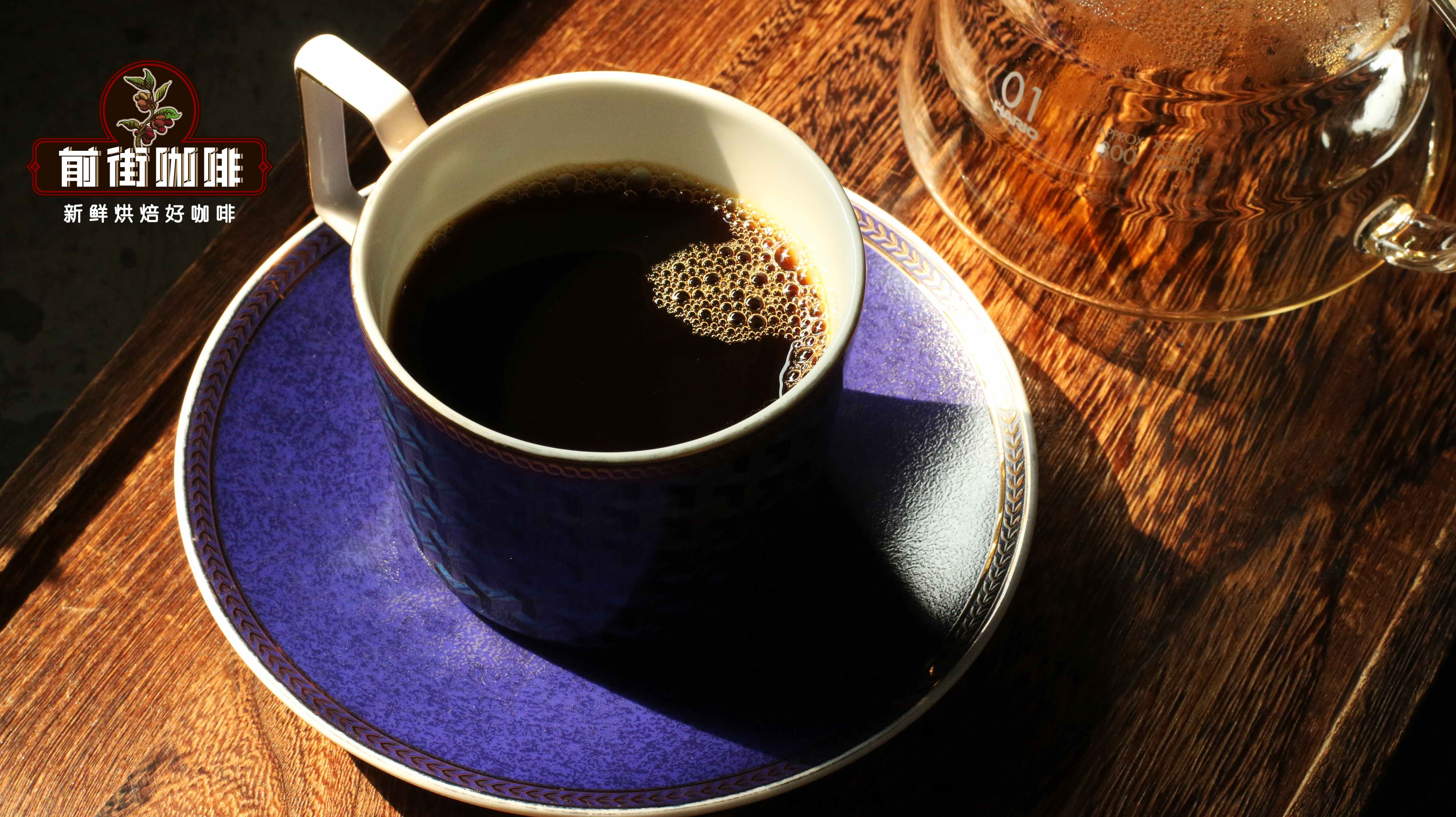
In summary, cold drip coffee is an extraction craft that values time and patience. By slowly dripping ice water, it gently releases the essence of the coffee in the mildest way possible. Not only does it offer a unique flavor, but its preservation capability is also superior. Whether you are a coffee enthusiast pursuing layered flavors or someone looking for a stomach-friendly beverage, cold drip coffee is definitely worth a try. As long as you master the right equipment, grind size, and dripping parameters, you too can enjoy this time-refined coffee essence at home.
The above content is compiled by CoffeeHunters, a coffee news website.


