








Introduction:Cold brew coffee, known for its low acidity, sweet taste, and refreshing chill, has become a popular choice in summer. This article provides a detailed guide to making cold brew coffee at home, covering key parameters such as coffee-to-water ratio, grind size, and steeping time. It also explores how different roast levels affect the final flavor, along with practical storage tips and creative flavoring ideas—so you can brew a richly layered iced coffee with just simple tools.
In recent years, cold brew coffee has gained widespread popularity among coffee enthusiasts—for good reason. By steeping coffee grounds in cold water for an extended period, it extracts a bold yet smooth flavor with low acidity and often a natural sweetness, making it especially suitable for hot weather. In fact, all you need is coffee beans, cold water, a sealable container, and the consistent temperature of your fridge to easily recreate this beloved iced coffee at home.
Cold brew refers to the process of slowly extracting coffee flavors using cold water in a low-temperature environment, which is distinctly different from traditional hot brewing methods. Common forms of cold brew include cold steeping, ice brew, and cold drip, all of which share the characteristics of low extraction temperatures and longer steeping times, resulting in a smooth and layered taste profile.

Making cold brew coffee isn’t actually complicated. Using 30 grams of coffee grounds as a common baseline, it’s recommended to use a slightly finer grind than for pour over—roughly similar to the coarseness of fine sugar. When tested with a standard sieve, about 85% of the powder should pass through a #20 mesh. This grind size helps increase the contact area between cold water and coffee grounds, improving flavor extraction efficiency.
After placing the ground coffee into a clean glass container, slowly pour in 360 milliliters of room-temperature water. At this point, the coffee-to-water ratio is about 1:12. Use a stirring stick to evenly mix the coffee grounds and water, ensuring every particle is fully saturated. Then tightly seal the container and place it in the refrigerator to steep. The recommended steeping time is 12 to 24 hours, which can be fine-tuned based on personal taste preferences.
Once steeping is complete, thoroughly filter out the coffee grounds using filter paper or a filter cloth to obtain a clear and bright coffee liquid. For a more balanced taste, you can pour the filtered coffee into another clean, sealed bottle and let it refrigerate for another 4 hours to allow the flavors to further meld. It’s worth noting that longer steeping doesn’t always mean better results—over-extraction can lead to excessive intensity or even unpleasant fermented notes.
If you prefer a stronger cold brew with unique fermented flavors, you can extend the steeping time appropriately, but it’s recommended to adjust the concentration with ice cubes. When the coffee tastes too intense, adding two ice cubes and letting them melt can effectively reduce the overall strength and soften the flavor profile.
When it comes to choosing coffee beans, medium to light roasts often better showcase the delicate qualities of cold brew. These roast levels typically feature bright acidity and rich floral and fruity notes, complementing the cool, refreshing taste of cold brew. If you enjoy floral and citrus flavors, look for beans with pronounced floral characteristics; if you prefer fresh fruit acidity and tea-like notes, consider beans with berry or black tea profiles. Different origins and processing methods can also bring distinct flavor directions to your cold brew.
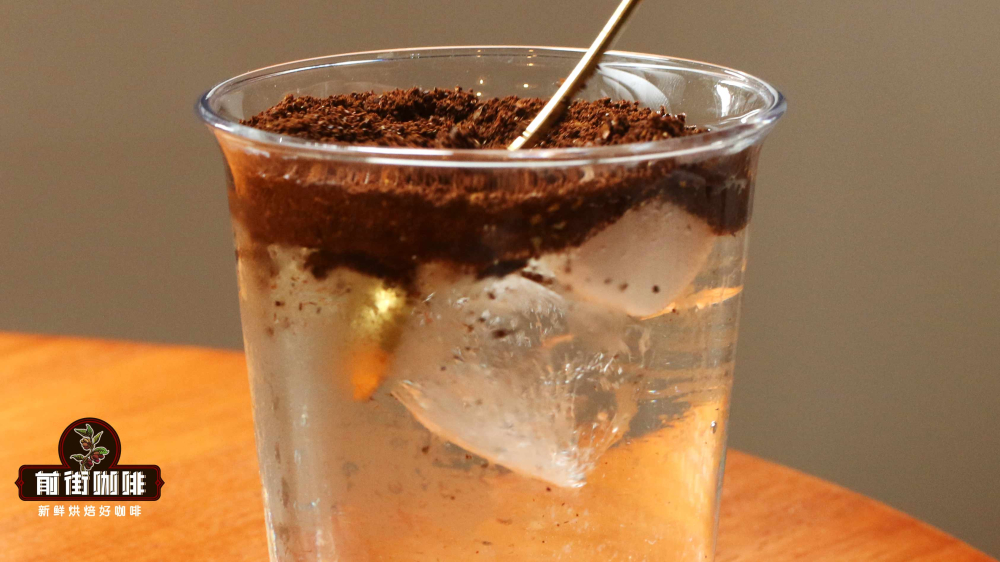
One of the reasons cold brew coffee has become a daily choice for many is its easy preparation and high degree of customization. Beyond the basic cold water steeping, you can add various ingredients according to your preference—such as preserved plums, cherry tomatoes, or blueberries—to create unique flavor combinations. Additionally, cold brew coffee has a relatively long shelf life; when sealed and refrigerated, it generally maintains good flavor for about 5 days, making it ideal for preparing multiple servings at once.
In summary, cold brew coffee is a convenient and flavorful method of making iced coffee. By mastering key parameters such as coffee-to-water ratio, grind size, and steeping time—and selecting the right type of coffee beans—even beginners can easily brew a richly layered, smooth cold brew at home, enjoying a refreshing coffee experience in the summer.
The above content is compiled by CoffeeHunters, a coffee news website.


