







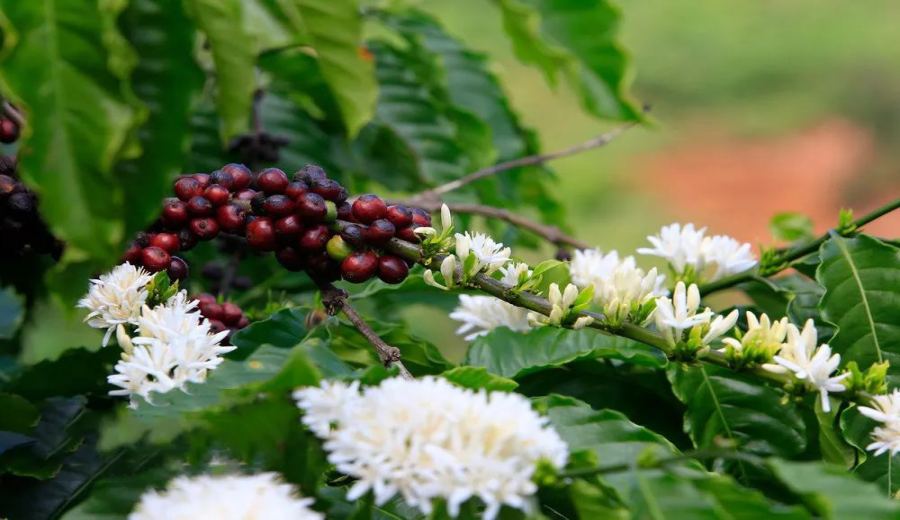
Introduction:From the highlands of Ethiopia to the volcanic foothills of Panama, Geisha coffee has become a star variety in the specialty coffee world thanks to its distinctive floral and fruity notes. This article delves into the origin of the Geisha variety, explores the terroir characteristics and flavor differences of two representative producing regions, and provides an in-depth look at the grading and processing systems of Hacienda La Esmeralda and Gesha Village Estate. It also offers practical pour over recommendations and extraction parameters to help you better understand and appreciate the diverse charm of this rare coffee.
Geisha, a name that resounds loudly in the world of specialty coffee, originated in the wild forests of southwestern Ethiopia but now shines in the high-altitude mountainous regions of Panama. From obscurity to the pinnacle of international auctions, Geisha has won the hearts of coffee lovers worldwide with its delicate floral aroma, rich fruity profile, and unique tea-like finish. But did you know? Even within the same Geisha variety, different terroir conditions can impart vastly different flavor expressions.
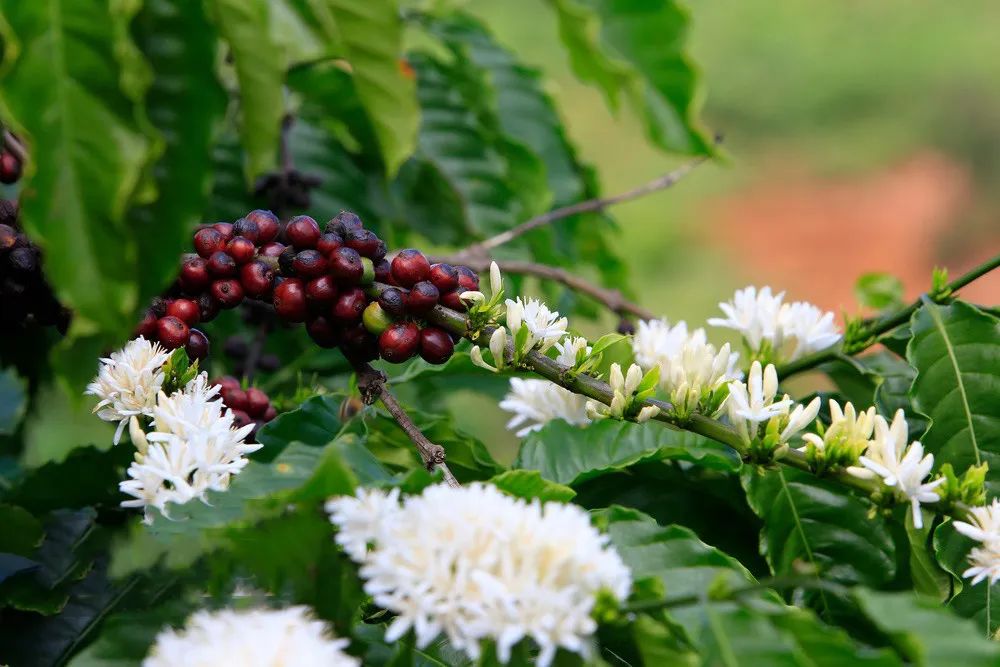
The cultivation journey of Geisha has not been smooth. It was first collected in the 1930s by Ethiopia’s coffee research institute from near the Geisha Mountain in the southwest, initially aimed at finding disease-resistant varieties. A mountain peak called Geisha in that area is the origin of the variety’s name. In 1954, Geisha was introduced to Costa Rica under the code T2722, but for the following decades, it remained overlooked due to its demanding growing conditions and low yield. It wasn’t until 2004, when Panama’s Hacienda La Esmeralda participated in the “Best of Panama” competition and won the championship with Geisha, that the variety truly stepped onto the international stage.
Geisha is extremely picky about its environment—not only requiring high altitude, but also benefiting from cloud shade, fertile soil, and meticulous field management. The manager of Hacienda La Esmeralda once pointed out that Geisha planting areas need plenty of shade trees, and initial pruning must be particularly careful, otherwise the plants can easily perish. Moreover, Geisha has thinner leaves, lower photosynthetic efficiency, and weaker root absorption of water and nutrients, resulting in yields that are only half of those of the Caturra variety, which also contributes to its high price.
The main producing regions in Panama suitable for growing Geisha include Boquete, Volcán, and Renacimiento. Among them, Boquete is located in Chiriquí Province, with altitudes of about 1,000 to 2,000 meters, featuring seven microclimates, perennial light mist, and the biodiversity of the Barú Volcano National Park, creating ideal growing conditions. The top-tier Geisha from Hacienda La Esmeralda and Elida Estate both come from this region.
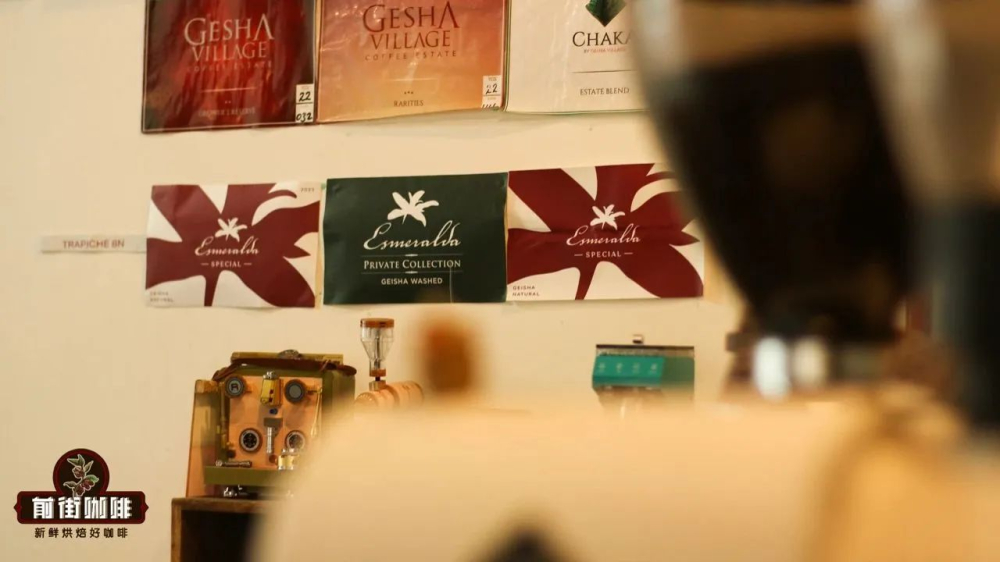
The estate divides its Geisha-growing areas into three main sections: Cañas Verdes, Jaramillo, and El Velo. Among them, Jaramillo is regarded as the birthplace and key cultivation area of Geisha, with an average altitude of over 1,650 meters. The high altitude and cool climate give the Geisha here an exceptionally complex flavor profile. The sold Red Label Geisha comes from the Mario plot in Jaramillo, processed using the natural (sun-dried) method, showcasing layers of intense rose floral, citrus, berry, and honey aromas.
Returning to Geisha’s homeland—Ethiopia—where the growing altitudes generally range between 1,900 and 2,000 meters. The higher altitude helps the coffee cherries accumulate richer sugars and flavor compounds. Compared to the common citrus and berry profiles of Panamanian Geisha, Ethiopian Geisha often exhibits aromas of yellow stone fruits such as yellow peaches, with pronounced sweetness, and some premium batches even carry a caramel-like finish.
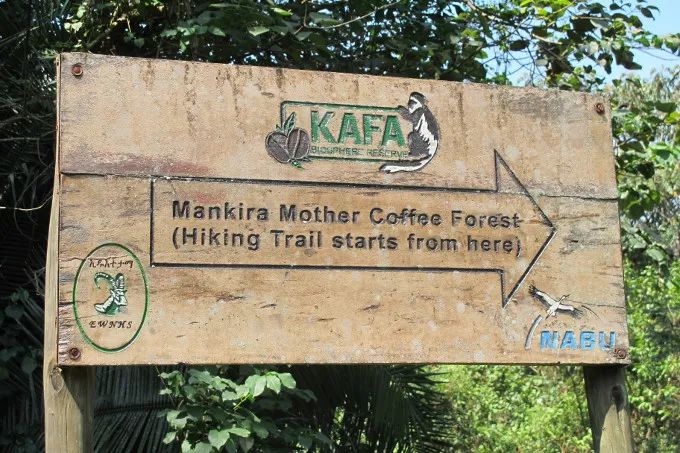
The most representative Geisha-producing region in Ethiopia is none other than Gesha Village Estate. The estate owns three sub-varieties: Gori Gesha, Gesha 1931, and Illubabor Forest. Among them, Gesha 1931 shares a similar flavor profile with Panamanian Geisha, while Illubabor Forest is a disease-resistant variety. To ensure quality, estate owner Adam has established a strict grading system, divided into Auction, Gold, Red, Green, and CHAKA grades.
The auction lots from Gesha Village are top-tier and limited, available only through bidding. The Red Label Geisha accounts for about 15% of the annual production, with cupping scores reaching 88 or above on the SCA standard, and features distinct flavor layers. The naturally processed Red Label Geisha not only showcases the classic complex fruit and floral notes but also carries the bright acidity unique to African coffees, making it a popular entry choice for many Geisha enthusiasts.
The extraction and pour over method are crucial for showcasing Geisha’s flavors. It is generally recommended to use a medium-light roast to preserve the acidity and aroma unique to high-altitude beans. A V60 filter is suggested, paired with water temperature of 91–92°C, a 1:16 coffee-to-water ratio, and a grind size similar to fine sugar (approximately 80% through a #20 sieve), to elicit more aromatic compounds. A three-stage extraction is advised: the first stage involves pouring 30 grams of water for a 30-second bloom; the second stage adds 120 grams of water to raise the coffee bed; and the final stage uses a slow stream to pour 90 grams, totaling 240 grams of water, with the extraction time controlled around 2 minutes and 10 seconds. This method helps balance acidity and sweetness, enhance layers, and avoid over-extraction.
Overall, whether it’s the mellow floral-fruity notes of Hacienda La Esmeralda’s Red Label or the bright acidity and complex aromas of Gesha Village’s Red Label, Geisha offers an exceptionally layered tasting experience. Understanding the terroir of the producing regions, mastering the appropriate processing methods, and refining your extraction techniques will allow you to fully savor the boundless charm of this legendary variety.
The above content is compiled by CoffeeHunters, a coffee news website.


