







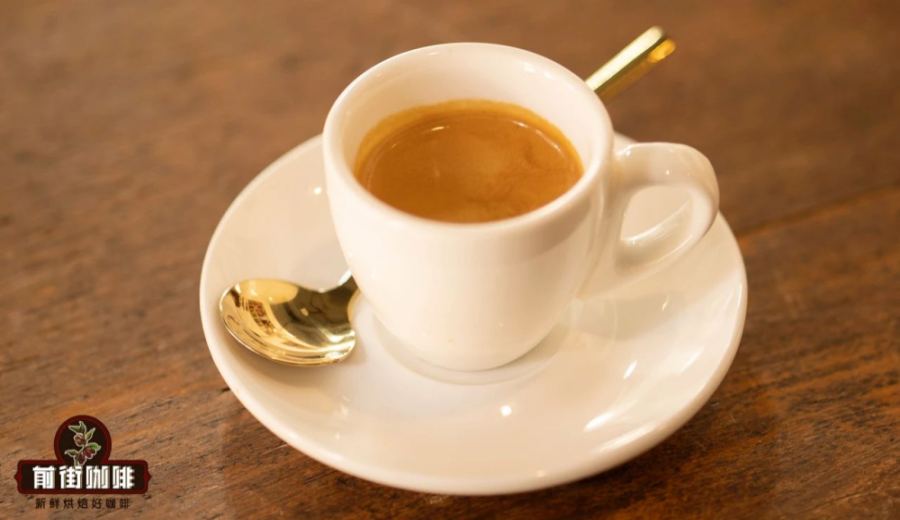
Introduction:Espresso is the soul foundation of many classic coffee beverages, with its rich, bold character and distinctive crema layer that captivate coffee lovers. This article delves into the origins, flavor profiles, and classic three-part structure of Espresso, breaking down extraction parameters such as water temperature, pressure, and brew ratio from a professional perspective. It also provides practical tasting methods to help you fully grasp the essence of this coffee art form.
Espresso originated in Italy and, thanks to high-pressure extraction technology, delivers a uniquely intense and layered flavor, serving as the essential base for classic drinks like lattes and cappuccinos. A perfect shot of Espresso, from its golden crema on top to the deep, intense bitterness at its core, is a composition of details worth savoring. Starting with the definition and history of Espresso, this article explores its flavor characteristics and classic three-part structure, and shares expert tasting techniques and parameter adjustment tips based on real extraction experience—inviting you to discover the true charm of this “art in a cup.”
The Origins and Brewing Principles of Espresso
The term “Espresso” comes from Italian, derived from “Express,” meaning “to press out” or “to force out.” It uses high-pressure steam from an espresso machine to force hot water through finely ground and compacted coffee puck under9–10 bar of pressureand90–96°C water temperatureto quickly extract about25-35mla small concentrated shot of coffee. This high-pressure extraction not only preserves the coffee’s crema (the golden foam layer) but also balances acidity and bitterness, creating a rich and full-bodied taste—a true refinement in coffee brewing. Notably, Espresso also serves as the foundation for popular coffee drinks like lattes, cappuccinos, macchiatos, and mochas.
Flavor and Texture Characteristics of Espresso
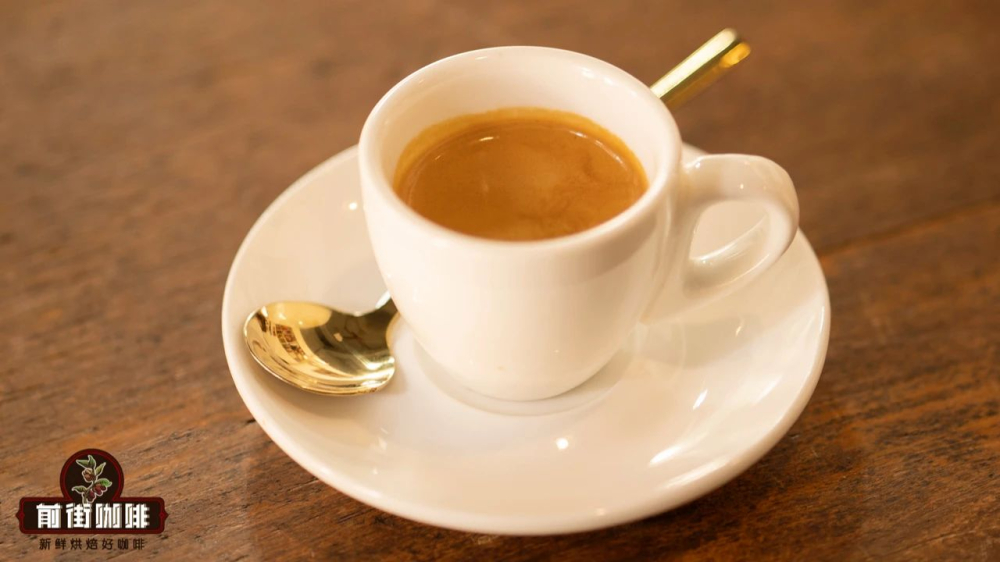
The quality of a good Espresso can first be judged by its appearance. The crema on top should have a mirror-like glossy sheen, with a color ranging between golden and reddish-brown,ideally around 3mm thick. Insufficient coffee dose or over-extraction may result in white spots or a loose texture. When sipped, Espresso typically presents a bold, rich, and smooth mouthfeel without noticeable grittiness, often finishing with a pleasant aftertaste where sweetness lingers on the tongue and throat.
Traditionally, Espresso is served in small portions, usually between25-35ml, designed for quick consumption to provide an energy boost—explaining why Italians often stand at the bar and quickly enjoy a shot in the morning. However, modern tasting approaches encourage taking time to appreciate its multi-layered flavors, though it’s still recommended to drink it shortly after brewing to preserve its evolving taste profile.
The Classic Three-Part Structure of Espresso
A shot of Espresso can be visually and tastefully divided into three distinct layers:Crema (foam), Body (main liquid), and Heart (core).CremaCrema is the most recognizable golden to reddish-brown foam layer, formed by the emulsification of soluble coffee oils and carbon dioxide under high pressure. These tiny bubbles not only give the coffee its appealing color but also influence the release of aroma and taste.BodyThe Body is the main part of the Espresso, carrying its richest aromas and flavors. Its roundness, smoothness, and viscosity together create a unique tactile experience.HeartThe Heart lies at the bottom, darker in color, primarily contributing bitterness that perfectly balances the sweetness of the upper crema and body, harmonizing the overall flavor.
With the rise of specialty coffee, more baristas are using high-quality beans to brew Espresso, breaking the stereotype that “Espresso must be bitter.” By selecting freshly roasted premium beans and fine-tuning extraction parameters according to bean characteristics, Espresso can also showcase complex and varied flavor notes in its early, mid, and late stages.
How to Taste Espresso
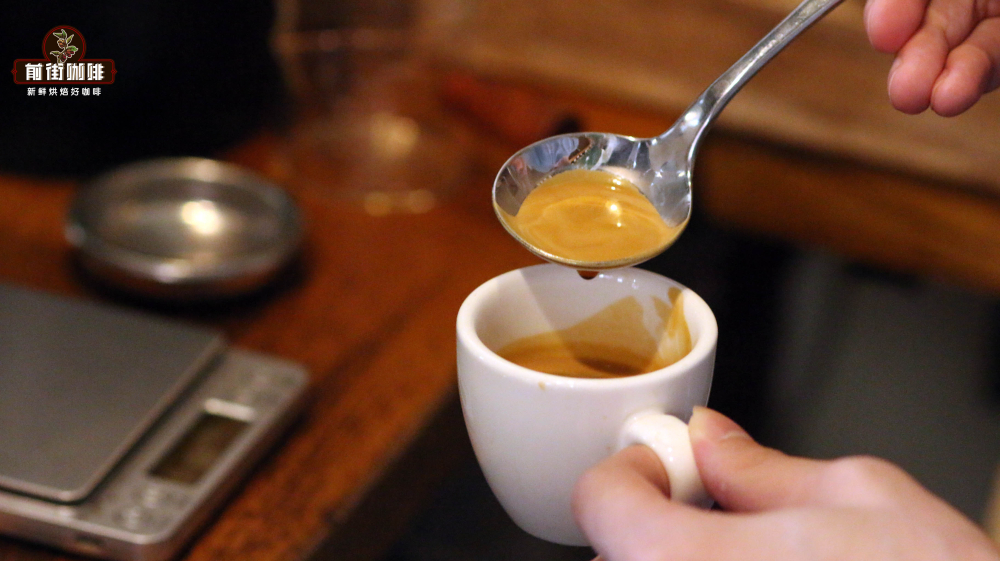
There’s a method to tasting Espresso. First, it’s recommended to cleanse your palate with ice water before drinking; then, have the barista serve a freshly extracted Espresso, which you can gently stir with a spoon to blend the crema and body. It’s suggested to takethree sips: the first to focus on the overall flavor, the second to sense the rich body, and the third to appreciate the aftertaste and lingering notes. This tasting process helps capture the subtle nuances of Espresso more comprehensively.
Espresso Extraction Parameters and Techniques
According to the Specialty Coffee Association (SCA) standards, a single shot of Espresso recommends using7–9 grams of coffee grounds, while a double shot uses14–18 grams, extracted over20–30 secondsto produce25–35 grams of espresso liquid, maintaining a brewing pressure of9-10 barand water temperature at90-96°C. However, in practice, different espresso machines, grinders, roast levels, and origin beans can all affect the final flavor, making parameter adjustments crucial.
It’s generally advised to first adjust thebrew ratio, then fine-tune thegrind sizeto precisely control extraction balance. For example, some coffee shops use10–11 grams of coffee groundsfor a single shot, extracting20–25 grams of liquidin about22 seconds; for a double shot, they use19–20 grams of coffee groundsto produce35–40 grams of liquidin approximately29 seconds. These parameters can be fine-tuned based on actual equipment and bean types to achieve optimal flavor performance.
The above content is compiled by CoffeeHunters, a coffee news website.


