








Introduction:Low-temperature extracted coffee has become a favorite among many coffee enthusiasts in recent years, but terms like ice drip, cold brew, and ice steep often leave people puzzled. This article delves into the origins, brewing principles, and characteristics of these three low-temperature extraction methods, helping you understand their differences. It also offers practical bean selection advice and parameter references to assist you in finding the cold brew method that best suits your taste.
Low-temperature extracted coffee has gained increasing popularity in the coffee community in recent years. However, terms such as ice drip, cold brew, and ice steep often cause confusion. This article will start with basic concepts, clarify the similarities and differences among these brewing methods, and explore their respective historical backgrounds and development processes. Furthermore, we’ll share some practical brewing tips and parameter settings, so you can easily try different types of low-temperature extracted coffee at home.
The Broad and Narrow Definitions of Cold Brew Coffee
When it comes to cold brew coffee, many people first think of “Cold brew coffee”—that is, black coffee made by steeping coffee grounds in cold water for an extended period. If the definition is broadened, any coffee extracted using cold water can be categorized as cold brew coffee, whether it’s through immersion, drip filtration, or infusion. However, in everyday usage, “cold brew coffee” usually refers to the cold steeped coffee made by soaking coffee grounds in room temperature water, placing it in the fridge for several hours, and then filtering out the grounds—a simple method.
This method is favored by many coffee shops and home brewers due to its simplicity and low failure rate. Moreover, since the term “cold steep tea” already exists in Chinese, the concept of “cold brew coffee” is more readily accepted.

The History and Development of Ice Drip Coffee
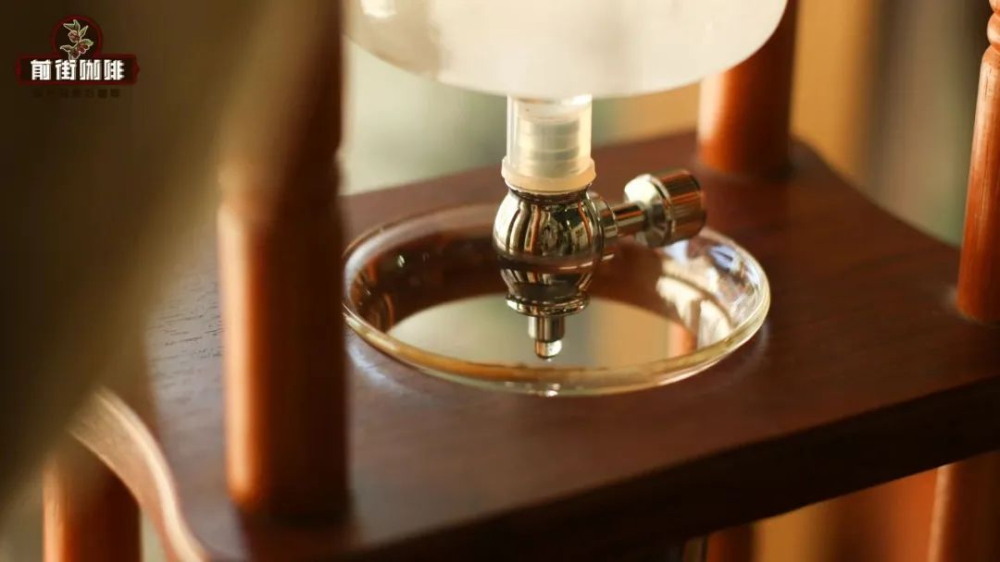
Another common low-temperature extraction method is ice drip. Its brewing principle involves allowing melted ice water to drip drop by drop through coffee grounds for prolonged extraction. In many English-language resources, ice drip coffee is often referred to as “Dutch Coffee,” meaning Dutch-style coffee. It’s said that this extraction method originated with 17th-century Dutch sailors who discovered that brewing coffee with cold water not only reduced bitterness but also made it easier to preserve and transport during long sea voyages. Later, this method was introduced to Japan and gained popularity during the Edo period, hence the name “Dutch Coffee.”
Although the authenticity of this story is debatable, what is certain is that the multi-layered drip filtration device commonly seen in modern cafés was invented by the Japanese. Thanks to its promotion in Japan, ice drip coffee gradually became popular. Subsequently, well-known Japanese brands such as HARIO, KINTO, and Kalita released various cold brew bottles and ice drip kettles, further popularizing this extraction method. By the third wave of coffee, this device made its way to Europe and was referred to as “Kyoto Coffee.”
The Unique Features of Ice Steep Coffee
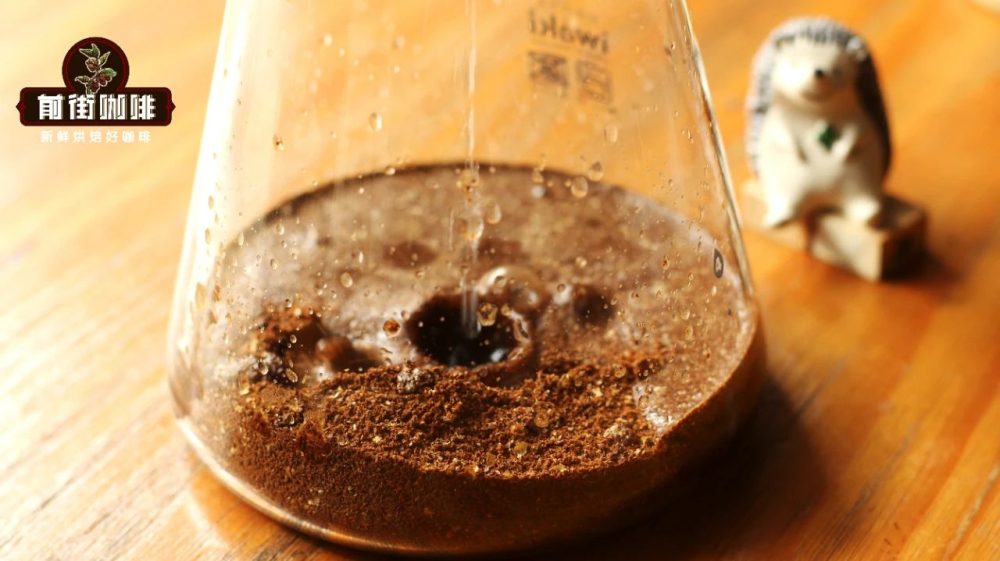
As for the term “ice steep,” although it’s not commonly used in domestic cafés, it can be considered an elegant translation of “Cold Brew.” Its essence is not far from cold brew coffee. This term emphasizes the “brewing” aspect of the low-temperature extraction process, akin to the process of winemaking, where coffee slowly develops richer flavors in a low-temperature environment.
It’s worth noting that ice steep coffee often undergoes a period of sealed aging, allowing flavor compounds to further integrate with water, producing a fermentation-like nuance. These subtle changes may give ice steep coffee a more layered mouthfeel.
How to Choose and Brew Low-Temperature Extracted Coffee
When making low-temperature extracted coffee, selecting the right coffee beans is crucial. If you prefer coffee with floral and fruity notes, you can choose beans with distinct flavors, such as those with noticeable floral or juice-like profiles. These beans can showcase softer and more nuanced flavors during low-temperature extraction.
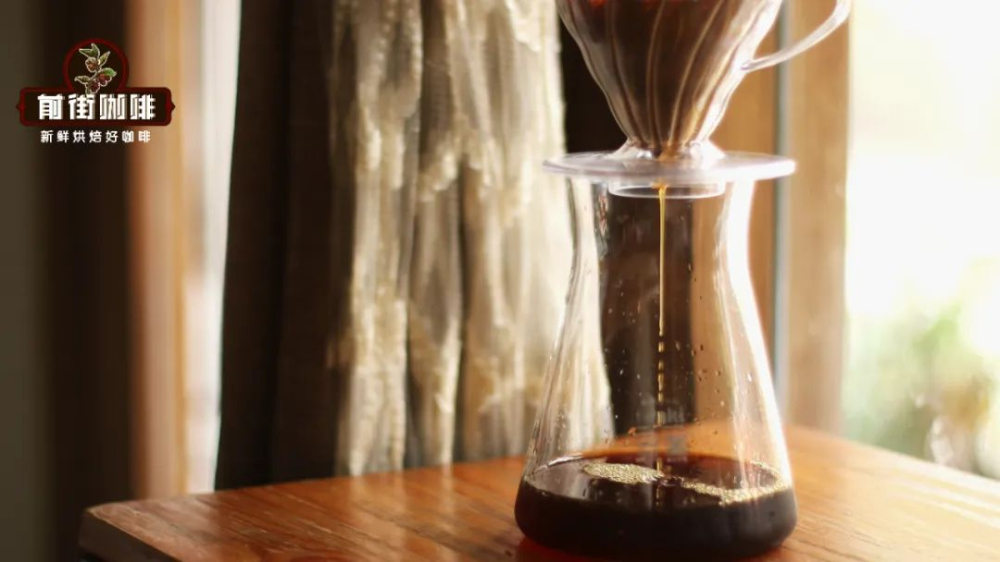
Taking cold steep coffee as an example, the general method is to mix coarsely ground coffee powder with room temperature water at a 1:15 ratio, place it in the refrigerator for 12 to 24 hours, and then filter out the coffee grounds. As for ice drip coffee, a specialized drip filtration device is required, where ice water drips uniformly at a rate of one to several drops per hour. The entire process may take 6 to 12 hours or even longer.
Regardless of which method you choose, the key to low-temperature extraction lies in controlling time and temperature, as well as understanding the characteristics of the coffee beans. Through continuous experimentation and adjustment, you’re sure to find the cold brew coffee that best matches your taste.
The above content is compiled by CoffeeHunters, a coffee news website.


