







Introduction:Kenyan coffee is globally renowned for its high acidity, brightness, and complex flavor profile, qualities that stem largely from its unique SL28 and SL34 coffee varieties. This article delves into the origins, plant characteristics, and flavor differences of these two varieties, while also exploring subsequent improved varieties such as Ruiru11 and Batian, and providing a detailed explanation of Kenya’s distinctive green coffee grading system. Additionally, it offers roasting and pour-over brewing recommendations for two popular Kenyan beans—Kenya Little Tomato and Sachini PB—to help you better appreciate the essence of Kenyan coffee.
What sets Kenyan coffee apart in Africa’s specialty coffee scene is its iconic SL28 and SL34 varieties. These two cultivars not only define the bright acidity and complex flavor profile of Kenyan coffee but also form the cornerstone of its consistent quality. This article will start with the origin, plant traits, and flavor differences of these varieties, then expand to introduce the later-developed Ruiru11 and Batian varieties, as well as Kenya’s unique green coffee grading system. Finally, it shares roasting and pour-over parameters for two beloved Kenyan beans, giving coffee enthusiasts a more comprehensive understanding of Kenyan coffee’s charm.
SL28: A High-Altitude Star Variety with Excellent Drought Resistance
The creation of SL28 is closely tied to the coffee variety selection program actively promoted by the Kenyan government in the 1930s. At the time, due to the weak disease resistance and challenging management of the traditional Typica variety—and with Kenyan coffee cultivation still in its infancy—selecting varieties suited to the local environment became a top priority. Between 1935 and 1939, Kenya’s “Scott Laboratories” (now a highly reputed coffee research institution) conducted systematic research on 42 coffee plants from various origins, evaluating yield, quality, drought resistance, and disease resistance. The series was named “SL” after the initials of the laboratory.
Among them, SL28 can be traced back to 1935, derived from a single plant selected from a drought-resistant variety originating in Tanzania (then known as Tanganyika). Records indicate that in 1931, AD Trench, a researcher at the laboratory, discovered a variety in Moduli, Tanzania, that exhibited good drought tolerance and disease resistance potential, and subsequently brought seeds back to the lab for cultivation. Although this variety was later replaced by SL28, its drought-resistant traits laid the foundation for subsequent cultivars.
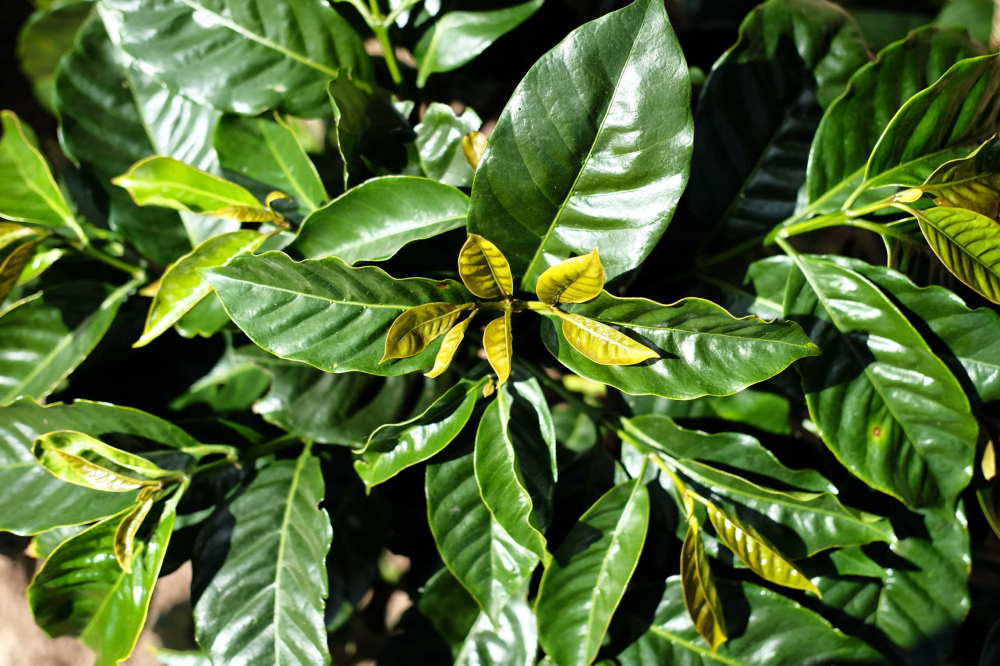
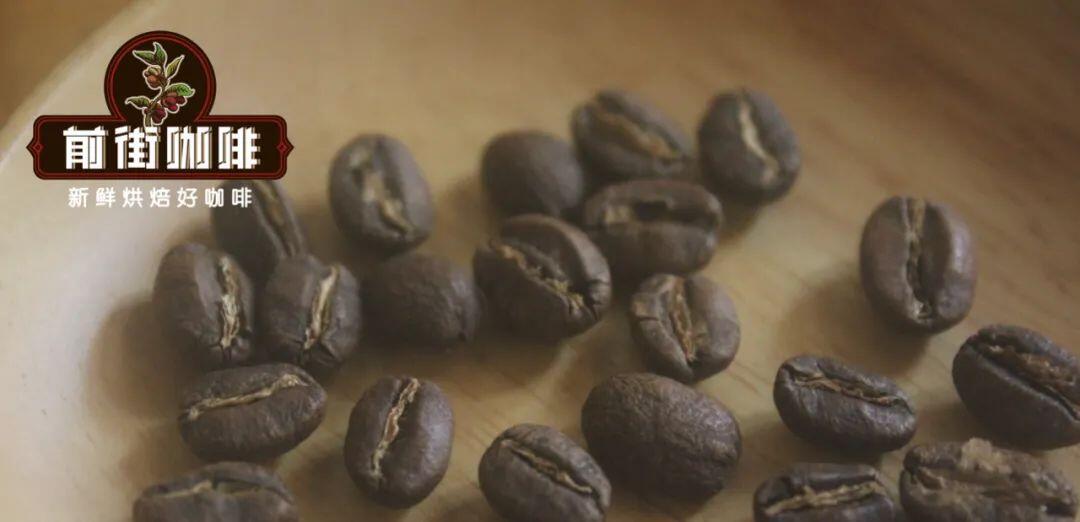
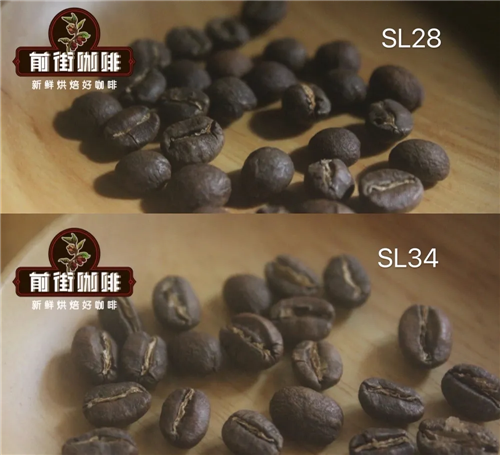
To this day, SL28 is considered one of Africa’s most esteemed coffee varieties. It thrives at medium to high altitudes and possesses decent drought resistance, though it is relatively susceptible to major diseases like coffee leaf rust. Genetic analysis shows that SL28 belongs to the Bourbon genetic group, and its beans typically have a round, full shape, similar to Bourbon varieties.
SL34: A Bold Flavor Variety with Strong Typica Lineage
The origin of SL34 is linked to the French Mission variety (a type of Bourbon), but based on genetic testing and plant characteristics, it is actually closer to the Typica variety. According to available data, SL34 was initially selected from a “French Mission” variety plant at the Loresho Estate in Kenya, but subsequent genetic studies confirmed it carries Typica genetic markers, and its plant morphology also more closely resembles Typica. As a result, it is widely believed that its breeding origin should be Typica.
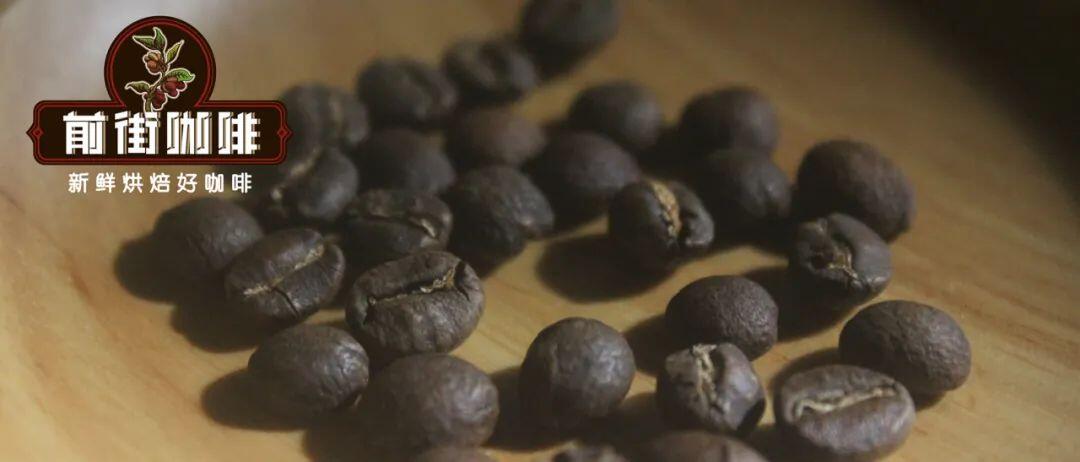
The bean shape of SL34 is distinctly different from that of SL28, appearing elongated and oval, slightly flattened when viewed from the side. While this variety shares SL28’s excellent flavor potential, it generally has higher yields and is suitable for cultivation at slightly lower altitudes. Its flavor profile is similar to SL28, showcasing complex and varied acidity along with bright sweetness, but its mouthfeel is usually richer and more solid, as well as cleaner and crisper.
Flavor Comparison: Differences Between SL28 and SL34
SL28, with its mixed heritage of Mocha and Yemeni Typica, is celebrated for its high quality and complexity, featuring prominent bright flavors such as citrus and black plum, with an excellent balance of sweetness and acidity. Although its original breeding goal was high yield and disease resistance—which it did not fully achieve—it has endured due to its outstanding flavor performance.
In comparison, SL34’s flavor profile is similar to SL28, also exhibiting excellent acidity and sweetness, but with a generally heavier, more intense body and clearer, cleaner layers. Since SL34 has more Typica and some Bourbon lineage, it is common in many Kenyan coffee farms to interplant SL28 and SL34 to achieve a balance between flavor and yield.
Ruiru11 and Batian: Improved Practical Varieties Developed Later
After SL28 and SL34, Kenya began developing more disease-resistant varieties in the 1970s to combat threats like coffee leaf rust and other diseases. Ruiru11 was the product of this effort and was officially launched in the 1980s. This variety was designed for high yield and resistance to both CBD (Coffee Berry Disease) and rust, and was once seen as a solution to production challenges.
Batian, the latest variety introduced by the Kenya Coffee Research Institute (CRI) in 2010, is technically a backcrossed descendant of SL28 and SL34, genetically closer to SL28, and successfully eliminated the Robusta-derived genetic components present in Ruiru11. As a result, it offers better cup quality and is currently one of Kenya’s promoted modern varieties.
Kenya Coffee Bean Grading System: A Dual Standard of Size and Quality
Kenya’s coffee bean grading system is often misunderstood as “the bigger, the better,” but in reality, grading is primarily based on bean size rather than flavor performance. Common grades include AA, AB, and PB (peaberry), where AA refers to beans sized 17–18 mesh, AB to 15–16 mesh, and PB to peaberries, which are not related to size.
However, Kenya actually has a more comprehensive and professional grading system, established by the Kenya Coffee Research Institution, which evaluates green bean appearance, roasted bean condition, and cup quality across three major dimensions. Green bean assessments include size, color, and defects; roasted beans are evaluated on center cut, appearance, and defects; cupping scores acidity, body, flavor, and defects, ultimately classifying beans from Grade 1 (best) to Grade 10 (worst).
Additionally, Kenya’s traditional washed coffee processing method, especially the K72 wash, enhances flavor purity and layering, ensuring that even AA or AB grades deliver exceptional drinking value.
Practical Reference: Roasting and Pour-Over Recommendations for Kenya Little Tomato and Sachini PB
Take the popular Kenya Little Tomato coffee bean as an example. This bean, a blend of SL28 and SL34, undergoes a 72-hour washed process and exhibits unique flavors like Sydney pear, black plum, brown sugar, and cherry tomato. It is recommended to use a light roast to highlight its bright acidity, employing a Yangjia 800N semi-direct-fire machine,with a chamber temperature of 160°C upon loading, fan setting 3, and heat power 120. First crack begins at 9’28”, with a drop temperature of around 193.8°C, effectively bringing out its fruity notes and sweetness.
Another bean, Sachini PB, due to its higher altitude and harder bean texture, benefits from a slightly higher temperature rise and extended Maillard reaction time to enhance its rich flavors. During roasting, you can usea chamber temperature of 170°C upon loading, heat power 100, and fan setting 3. First crack development lasts about 1’50”, with a drop temperature of 193.3°C, making it ideal for showcasing its body and complexity.
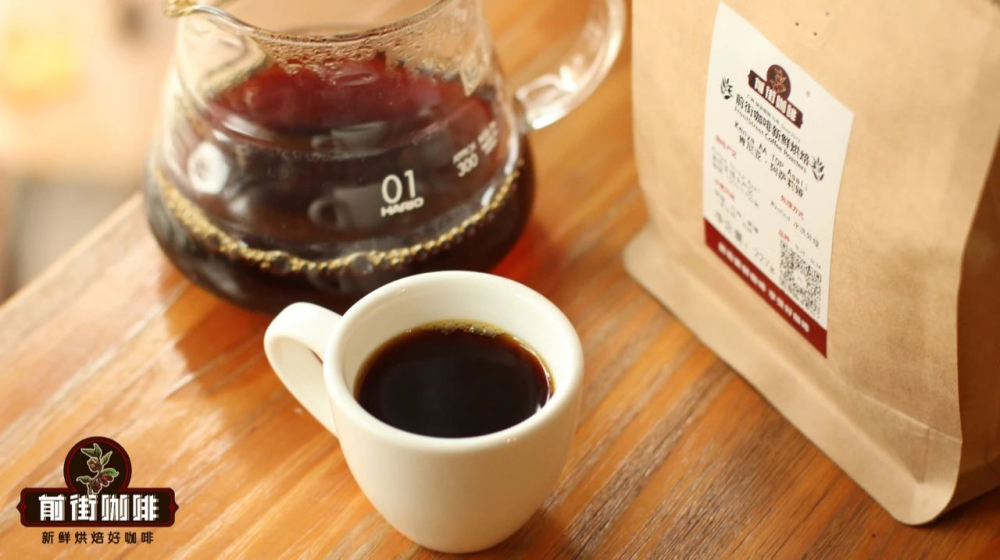
For pour-over, it is recommended to use a V60 or a cake dripper, with water temperature controlled at 90–91°C, a brew ratio of 1:15, and a grind size of 80% passing through a Chinese No. 20 sieve for a fine grind. Use a step extraction method: after a 30-second bloom, pour with a small stream until reaching 124g in the first pour, then continue to 228g. The total brew time is about 1’55”, fully highlighting the layered and fruity acidity of Kenyan beans.
The above content is compiled by CoffeeHunters, a coffee news website.


