







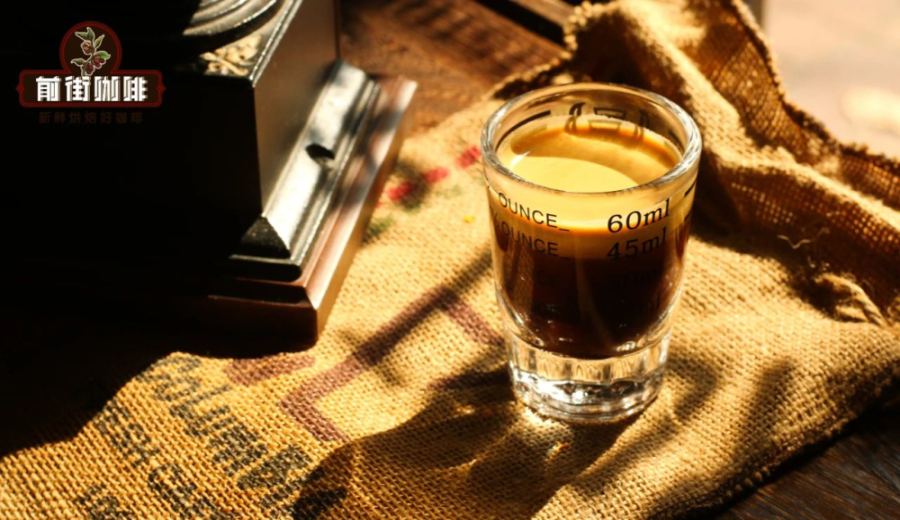
Introduction:Espresso is the soul base of most Starbucks coffee beverages, but its intense and bold flavor often deters beginners. This article delves into the definition and extraction characteristics of Espresso, guiding you through recommended orders at Starbucks and featuring four specially selected espresso blends ideal for making espresso—explaining everything from their flavor profiles to suitable scenarios. It further breaks down three common ways to enjoy espresso, as well as the ratio and key extraction parameters of a latte, helping you explore the allure of espresso from beginner to advanced levels.
Espresso, also known as concentrated coffee, serves as the foundation for many specialty coffee drinks, and many of Starbucks’ signature beverages center around it. However, known for its high concentration and intense taste, Espresso isn’t easily embraced by every coffee lover. This guide starts with the basics of Espresso and gradually walks you through how to choose the right espresso at Starbucks, while analyzing its unique extraction technique and flavor characteristics.
Espresso is made by forcing nearly boiling water under high pressure (around 9 bar) through finely ground coffee. This method produces a concentrated shot rich in flavor compounds, topped with a golden layer of crema. It has a strong, bold taste with a balanced profile of sweetness, acidity, and bitterness. For this reason, Espresso is not only commonly enjoyed straight but also serves as the primary base for various specialty drinks such as lattes, cappuccinos, and Americanos.
A standard Starbucks espresso shot is typically served as a double (Double Shot). If you’re trying it for the first time, we recommend starting with a medium cup (12 ounces / about 354ml), which allows you to experience the core flavors of the espresso and makes it easy to adjust the strength later by adding milk or water. When ordering, you can simply ask for a “Double Espresso,” or go for classic milk-based options like Latte or Cappuccino.
Since single-origin coffee beans usually have distinct regional characteristics—such as Ethiopian beans with prominent fruity acidity, or Indonesian beans that tend to be more bitter and herbal—these flavors can be amplified under high-pressure extraction, making them less suitable for solo use in Espresso. To achieve balanced and stable flavors, the vast majority of coffee shops, including Starbucks, use espresso blends. These blends typically combine two to three or even more coffee beans from different origins, aiming to create a rich, full-bodied, and layered coffee flavor.
Common goals of blending strategies include improving crema performance, balancing acidity and bitterness, extending flavor longevity, and controlling costs. Some blends may include a small amount of Robusta beans, which generally score lower in cupping tests but provide a thicker body and richer crema—making them a secret weapon in many classic milk coffees. Below, we recommend four espresso blends ideal for making Espresso and explain their flavor profiles and applicable scenarios.
1. Sunflower Warmth Blend
Flavor Profile: Prominent fruity acidity, berry aroma, wine-like notes, rich chocolate aftertaste, and excellent sweetness.
Blend Ratio: Honduras Sherry : Yirgacheffe Red Cherry = 6 : 4
This blend combines the fruity aroma of Yirgacheffe sun-dried beans with the rich wine notes of Honduras Sherry. Ideal as a double espresso, it produces a generous crema, with a fermented wine-like and citrusy acidity on the palate, transitioning into a deep dark chocolate finish. Perfect for coffee lovers who enjoy layered flavors and a touch of sweetness.(Image placeholder: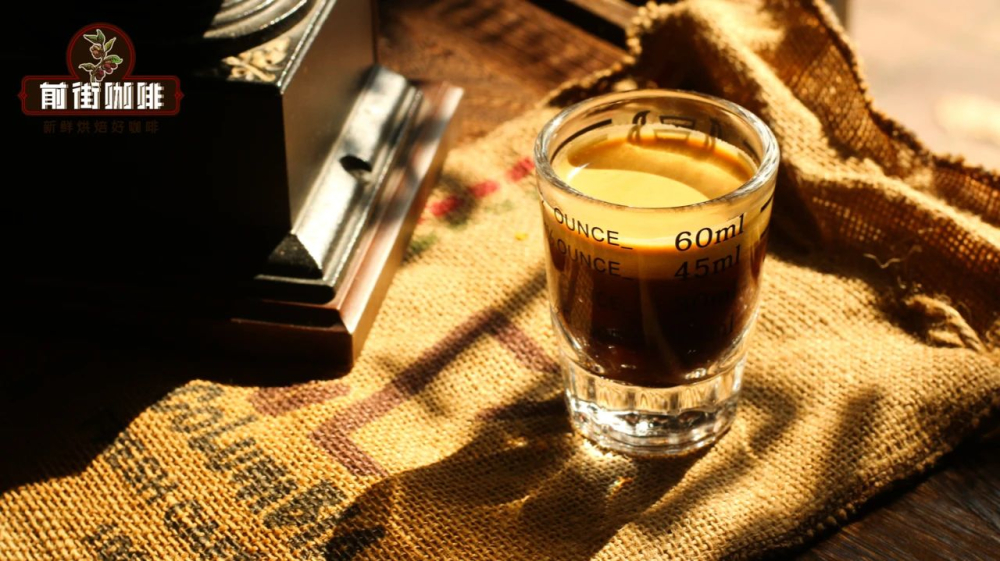 )
2. Premium Blend
Flavor Profile: Mild acidity, gentle sweetness, nutty aftertaste, mild mouthfeel, and medium crema.
Blend Ratio: Colombia : Brazil = 3 : 7
Composed of Colombian Huila and Brazilian Cerrado beans, the former brings bright fruity acidity and aroma, while the latter contributes a stable balance of sweetness and bitterness along with a smooth mouthfeel. Suitable for those who prefer balanced flavors and dislike overly intense stimulation—great for everyday sipping or as a base for milk coffee.
3. Commercial Blend
Flavor Profile: Caramel sweetness, nutty and cocoa notes, balanced sweet and sour profile, and a long-lasting aftertaste.
Blend Ratio: Colombia : Brazil : Robusta = 3 : 6 : 1
This blend includes 10% Robusta beans, significantly enhancing crema thickness and body. Ideal as a base for all types of milk coffee, especially recommended for consumers seeking a rich mouthfeel and consistent performance. Its classic caramel and chocolate tones blend perfectly with milk.
4. Dark Cocoa Blend
Flavor Profile: Gentle fruity acidity, caramel sweetness, nutty and dark chocolate notes, smooth texture but relatively mild in flavor.
Blend Ratio: Yunnan : Brazil = 3 : 7
This blend primarily uses Yunnan and Brazilian beans. Yunnan beans, due to high altitude and large diurnal temperature variations, have flavors similar to Colombian beans—earthy and mellow. Suitable for Espresso beginners or small coffee shops, offering great value, easy drinkability, and harmonious flavors.(Image placeholder: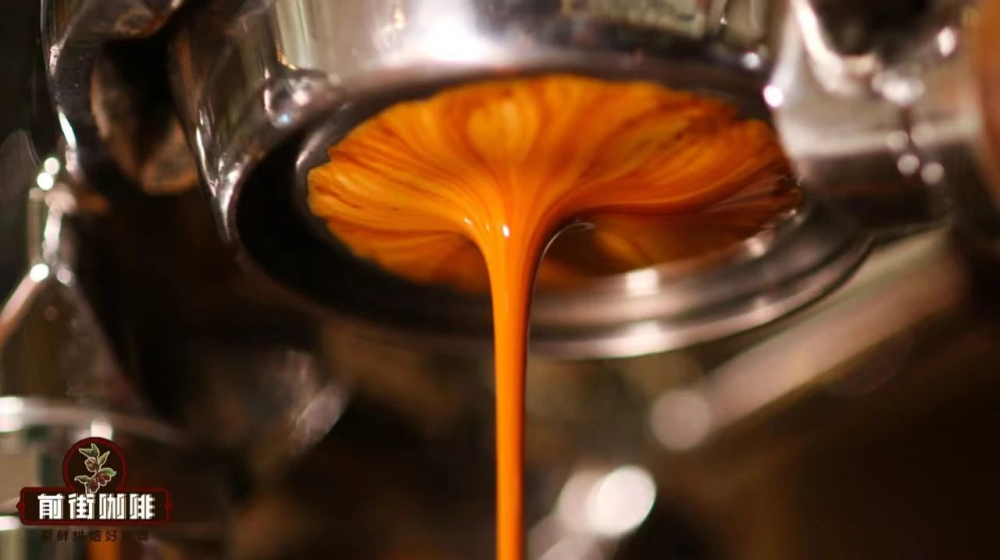 )
There are multiple ways to enjoy Espresso, with the three most common being drinking it straight, adding milk to make a milk coffee, or diluting it with water to prepare an Americano. When drinking it straight, it’s recommended to gently stir the coffee to mix the crema on top with the liquid beneath, releasing a fuller aroma and flavor. If the espresso feels too strong, you can add hot milk to make a latte or dilute it with hot water to make an Americano, reducing intensity while preserving the core flavors.
The classic ratio for a latte is 1 part espresso to 6.5 parts milk. Taking a double espresso (about 40ml) as an example, it’s recommended to use 260ml of hot milk, with steaming temperature controlled between 50–60°C and milk foam thickness around 1cm. When extracting espresso, consider the following parameters: coffee dose 12–20g, extraction time 20–30 seconds, brew ratio 1:1.7–1:2, water temperature 90.5–96°C, and pressure 9 bar, to achieve optimal crema and flavor.(Image placeholder: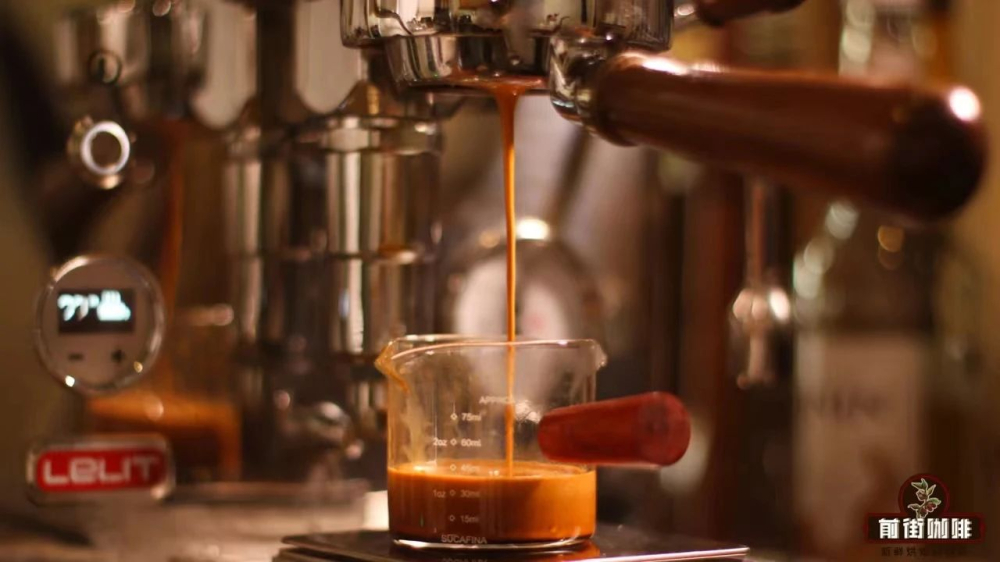 )
In summary, although Espresso has a bold flavor, mastering ordering tips and drinking methods can help you uncover its rich layers and captivating charm. Whether you’re a newcomer exploring espresso or a coffee enthusiast searching for the perfect blend, the practical advice and detailed analysis provided in this article will help you confidently savor the essence of every cup of Espresso.
The above content is compiled by CoffeeHunters, a coffee news website.


