







Introduction:As one of Ethiopia’s most representative coffee-growing regions, Yirgacheffe is distinguished by its washed and natural processing methods, which yield distinctly different flavor profiles. This article delves into the detailed differences between the two processing techniques—from green bean appearance and roasted bean silverskin to extraction performance—and provides practical identification methods along with a three-stage pour-over parameter guide. Whether you’re new to specialty coffee or a enthusiast seeking specific flavor characteristics, you’ll find the Yirgacheffe beans that suit your taste through this guide.
Yirgacheffe is the jewel in Ethiopia’s coffee landscape. Thanks to the high altitude and abundant water sources around the East African Rift Valley, this region produces Arabica varieties with unique flavors. Among them, the washed and natural processing methods create markedly contrasting drinking experiences. Washed Yirgacheffe is renowned for its bright citrus and lemon notes, often making it the first choice for beginners exploring single-origin coffees; whereas the natural process releases richer fruit sweetness and a fuller body, showcasing a completely different layering of flavors.
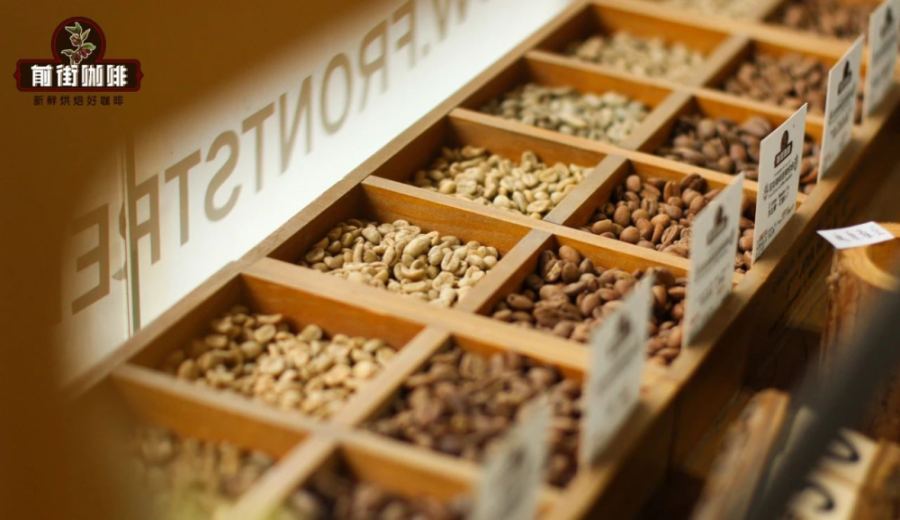
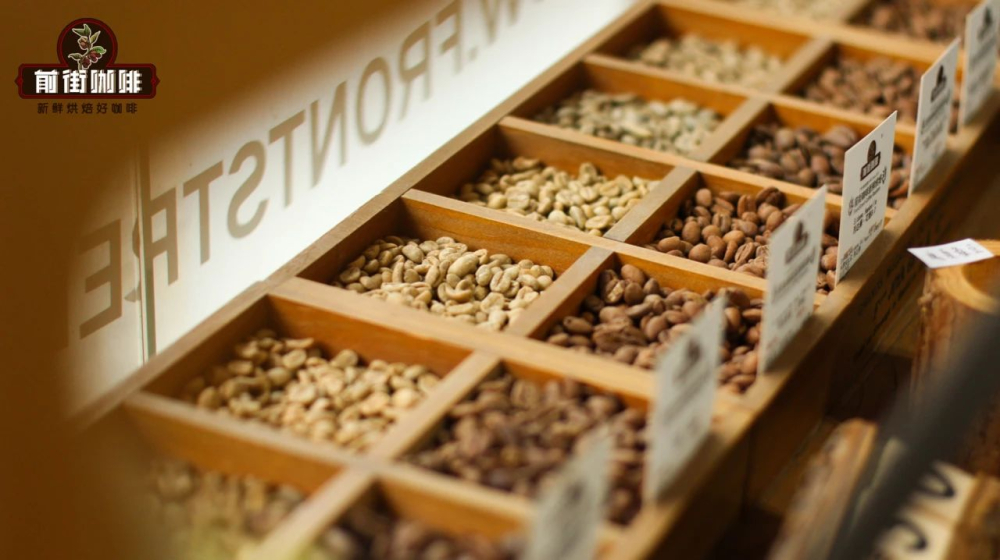
Visual Identification Points for Green and Roasted Beans: When observing green beans, naturally processed Yirgacheffe beans appear yellow-green with a higher silverskin content. This is because the coffee cherries are sun-dried with the fruit still attached, preserving more of the original outer layers. In contrast, washed beans exhibit a vivid blue-green color with noticeably less silverskin, due to the thoroughness of the wet-processing and depulping steps. At the roasted bean stage, washed beans typically retain more silverskin than naturally processed beans—a difference that can help in identifying the processing method.
Within the Yirgacheffe region, micro-regions such as Kochere, Guji, and Gedeb each produce beans with regional characteristics through cooperative models. It’s worth noting that the natural processing technique was introduced to the region in 1972 by the Ethiopian government from Central and South America; prior to that, the area was already famous for its washed processing. Contemporary natural processing emphasizes meticulous management—for instance, the Red Cherry Project improves raw bean quality by offering higher purchase prices for premium beans, thereby encouraging farmers to carefully select ripe cherries and perform hand-picking to ensure a solid foundation in raw material quality.
The key to the natural processing workflow lies in preventing contamination and promoting sugar development. After harvest, coffee cherries are sorted to remove defective ones, then placed on raised African beds to sun-dry for two to four weeks, ensuring they never touch the ground to avoid unwanted flavors. This method allows the fruit pulp and seeds to ferment together, ultimately resulting in intense sweetness and complex fruit tones, with sweetness and body generally surpassing those of washed beans processed during the same period.
For practical brewing applications, one team used a three-stage pour-over method for cupping comparisons. Recommended parameters are as follows: the first pour involves 30 grams of hot water for a 30-second bloom; the second pour adds about 125 grams (scale shows an actual increase of 95 grams) and continues until the 1-minute mark; when the water level drops to two-thirds of the coffee bed, the final pour of about 225 grams (actual increase of 100 grams) is added, with total extraction time controlled around 2 minutes and 10 seconds. These parameters are suitable for light-roasted Ethiopian heirloom beans and effectively balance acidity and aroma expression.
Cupping results showed that the Red Cherry natural beans exhibited the highest overall sweetness, with a caramel and creamy aftertaste complemented by hints of black tea aroma; Konga beans presented a juice-like bright acidity, releasing berry, citrus, and creamy layers as the temperature dropped; the natural Aricha beans were dominated by mature fruit aromas, with a noticeable fermentation sensation upon entry alongside green grape notes, transitioning mid-to-late into a compound taste of lemon acidity and grape juice.Special Reminder: Due to the diverse varieties and uneven bean sizes of Ethiopian coffee, it is recommended to use a uniform light roast to avoid overly highlighting any single characteristic.
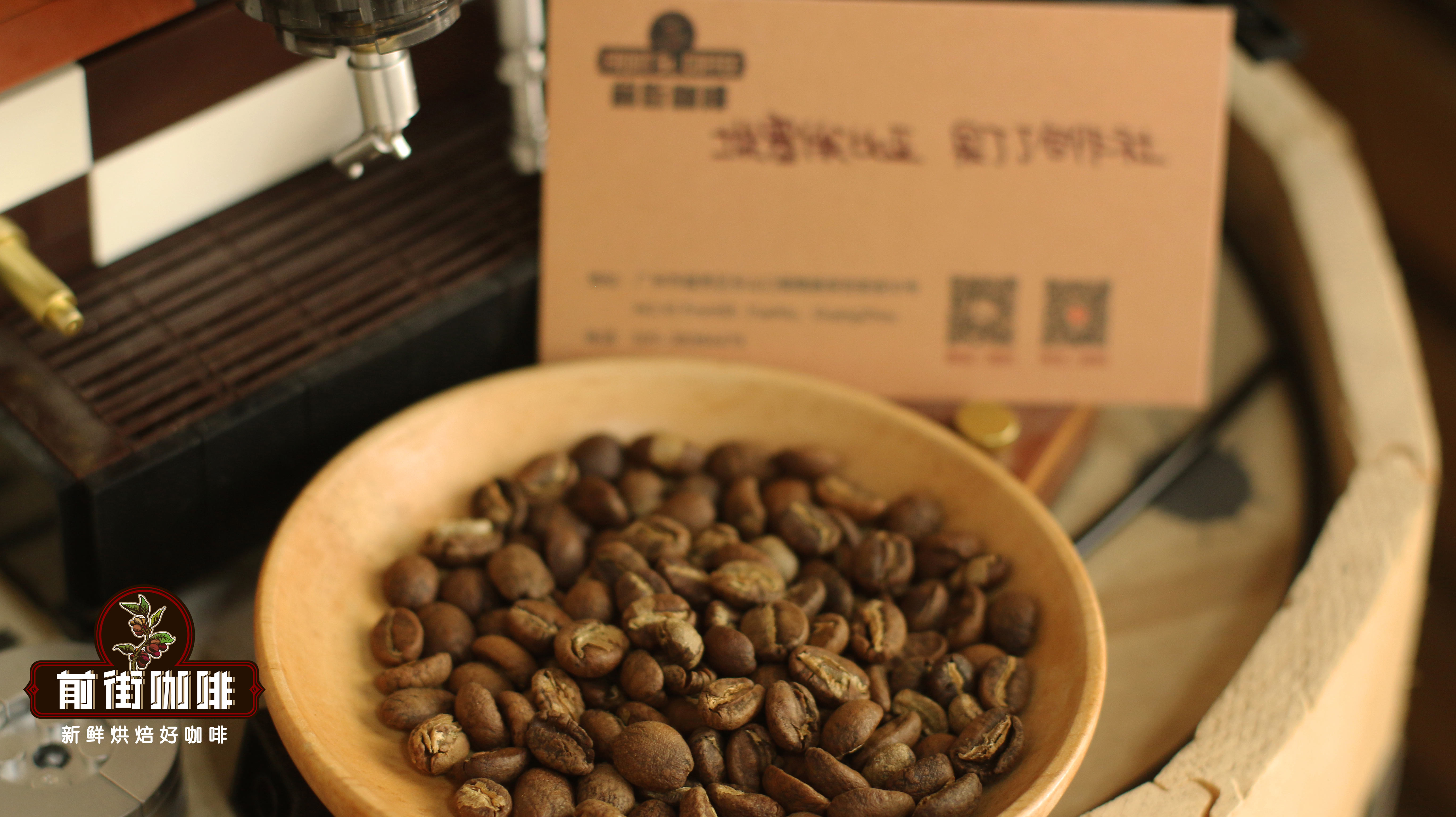
Quick Practical Tips to Distinguish Washed and Natural Beans: At the green bean stage, color and silverskin quantity are the primary indicators—washed beans have a blue-green hue with sparse silverskin, while natural beans are yellow-green with abundant silverskin; for roasted beans, washed processing leaves more silverskin, whereas natural beans appear cleaner on the surface. In terms of flavor, washed Yirgacheffe is characterized by clean acidity and citrus notes, while natural versions amplify sweetness, fermentation character, and intense fruitiness—making them ideal for those who prefer a fuller-bodied taste.
In summary, washed and natural Yirgacheffe beans each have their own charm: the former excels in clean acidity and distinct layering, suiting consumers who prefer a refreshing taste; the latter boasts rich sweetness and complex fruit aromas, meeting the needs of those who enjoy a fuller, more robust flavor. It is recommended to choose based on personal preference or try side-by-side brews to better understand how processing methods actually influence flavor.

The above content is compiled by CoffeeHunters, a coffee news website.


